
The allure of the Pacific Northwest draws countless travelers, offering a unique blend of urban sophistication and breathtaking natural beauty. Nestled on the western edge of North America, two of its most vibrant cities – Seattle, Washington State, in the United States, and Vancouver, British Columbia, in Canada – stand as beacons for tourism, business, and cultural exchange. While separated by an international border, their proximity makes them a popular pairing for extended trips, inviting visitors to experience the distinct charms of both destinations.
Many first-time travelers to the region often wonder about the practicalities of traversing this relatively short distance. How far apart are these two major hubs of the Cascadia region, and what are the best ways to bridge the gap? This comprehensive guide will not only detail the distance and various transportation options but also delve into what makes each city an unmissable part of any Pacific Northwest adventure, offering insights into travel, accommodation, local culture, and landmark attractions.
The Distance Unveiled: Seattle to Vancouver
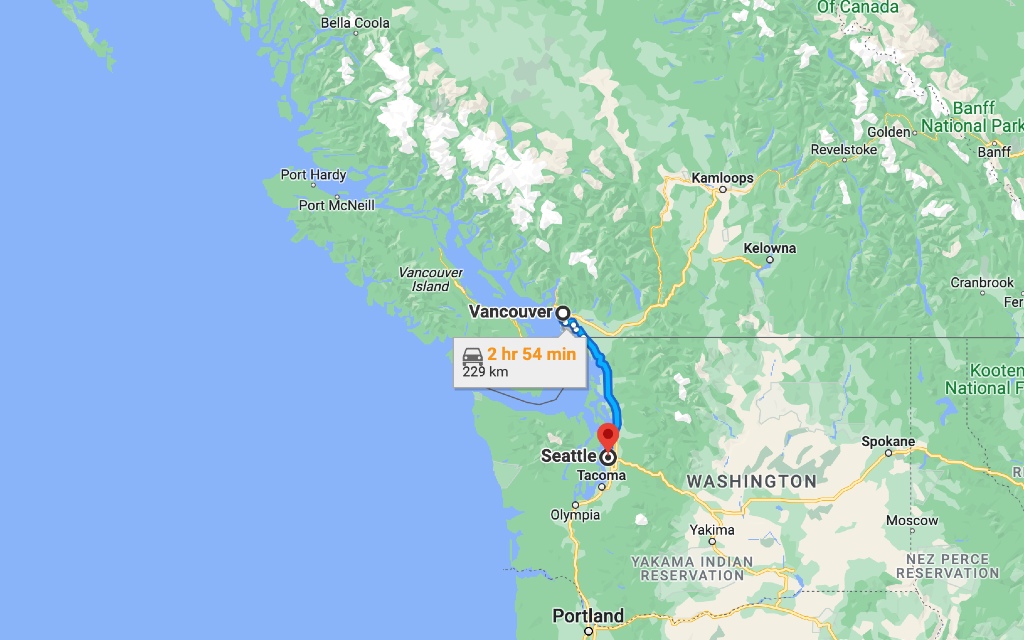
The geographical distance between Seattle and Vancouver is relatively modest, making a journey between the two cities an entirely feasible and popular undertaking for tourists, business travelers, and locals alike. Understanding the different modes of transport and the time commitment for each is crucial for planning a seamless trip.
By Road: Driving Distances and Times
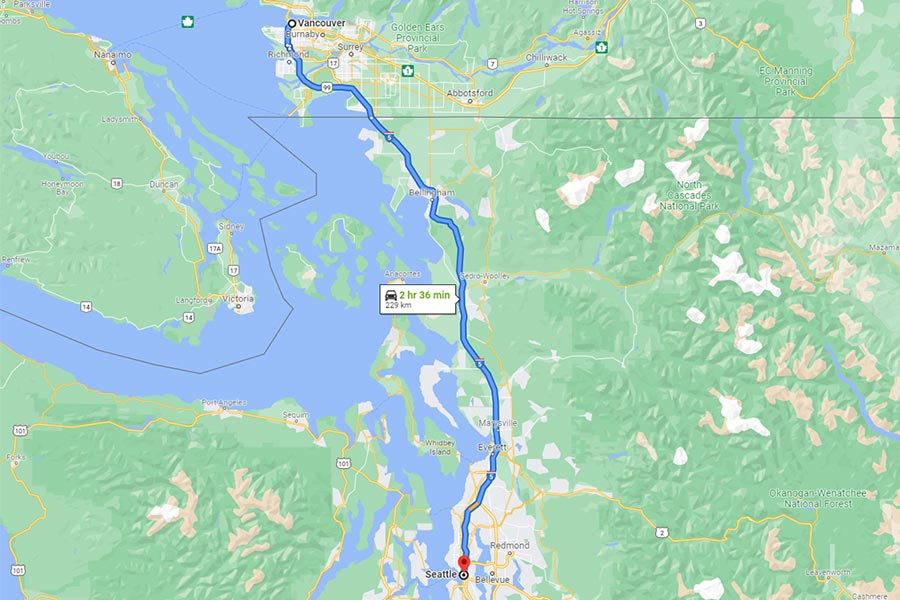
Driving is by far the most common method of travel between Seattle and Vancouver, offering flexibility and the opportunity for scenic stops along the way. The approximate driving distance is about 140 to 150 miles (225 to 240 kilometers), depending on your exact starting and ending points within each metropolitan area.
Under ideal conditions, with light traffic and minimal delays at the border, the drive typically takes around 3 to 3.5 hours. However, it’s essential to factor in potential variables:
- Border Crossing Times: This is often the most significant factor affecting total travel time. Wait times at the U.S.-Canada border can vary from a few minutes to several hours, especially during peak seasons, weekends, and holidays. We’ll delve into tips for navigating the border more smoothly later in this article.
- Traffic: Both cities, like any major urban centers, experience rush hour traffic. Planning your departure to avoid peak times (morning and late afternoon/early evening weekdays) can significantly reduce travel duration.
- Route: The primary route is via Interstate 5 (I-5) North from Seattle, which turns into British Columbia’s Highway 99 after crossing the border. This direct freeway offers efficient travel.
- Scenic Detours: For those not in a rush, a road trip can be an experience in itself. Consider brief stops in charming towns like Bellingham for a coffee or a visit to the vibrant tulip fields of the Skagit Valley in spring, adding delightful elements to your journey.
Renting a car in one city and dropping it off in the other is an option, but be mindful of potential one-way rental fees and cross-border restrictions from certain companies. Always confirm these details with your rental provider beforehand.
Alternative Transportation: Train, Bus, and Air
While driving offers unparalleled freedom, other modes of transport provide their own unique advantages, catering to different preferences for comfort, cost, and convenience.
Train Travel: Amtrak Cascades
The [Amtrak Cascades](https://lifeoutofthebox.com/amtrak- Cascades) service offers a wonderfully scenic and relaxing way to travel between Seattle and Vancouver. This route is particularly favored for its comfortable seating, onboard amenities, and breathtaking views of the Puget Sound, the Salish Sea, and the occasional glimpses of the Cascade Mountains.
- Duration: The train journey typically takes around 4 to 4.5 hours, which includes the time taken for border pre-clearance at the station.
- Convenience: Amtrak stations are centrally located in both cities (King Street Station in Seattle and Pacific Central Station in Vancouver), making it easy to access city centers without needing to navigate airports or parking.
- Experience: It’s an excellent option for those who prefer to sit back, relax, and avoid the stresses of driving or airport security. The train even has a Bistro car for snacks and drinks. Booking tickets in advance, especially for business class, is advisable.
Bus Services
Several bus companies operate routes between Seattle and Vancouver, offering an economical alternative to driving or flying.
- Operators: Popular services include Quick Shuttle and FlixBus, among others. These often offer multiple daily departures.
- Duration: Similar to driving, bus journeys average 4 to 5 hours, highly dependent on border wait times.
- Cost-Effectiveness: Bus travel is generally the most budget-friendly option, making it popular with students and backpackers. Buses also drop off and pick up at convenient downtown locations or transport hubs.
- Amenities: Modern buses typically offer amenities like Wi-Fi, power outlets, and comfortable seating, though less spacious than the train.
Air Travel
While seemingly the quickest, flying between Seattle and Vancouver often proves to be less efficient than one might expect for such a short distance when considering the total travel time.
- Flight Time: The actual flight duration is a mere 45 to 60 minutes.
- Total Travel Time: However, when you factor in travel to and from airports (Seattle-Tacoma International Airport (SEA) and Vancouver International Airport (YVR)), security checks, baggage claim, and potential delays, the total door-to-door journey can easily stretch to 3 to 5 hours, comparable to or even longer than driving or taking the train.
- Cost: Airfares can fluctuate significantly but are generally more expensive than bus or train tickets.
- Convenience: This option is best for those with connecting international flights or individuals prioritizing speed above all else, with less concern for the overall travel experience or cost.
Ferry Connections
While there isn’t a direct car ferry service that connects the downtowns of Seattle and Vancouver for a straightforward cross-border journey, ferry options exist for more scenic or island-hopping adventures. For example, you can take a ferry from Seattle to Victoria on Vancouver Island (via the Clipper ferry), and then travel by bus or another ferry to Vancouver. This is a multi-segment journey that offers stunning coastal views but takes considerably longer. It’s an excellent choice for those wanting to explore the islands and coasts rather than just point-to-point travel.
Navigating the Border: Tips for a Smooth Crossing
Crossing an international border, even between friendly nations like the United States and Canada, requires preparation. Understanding the process can significantly reduce stress and wait times.
- Documentation is Key: For U.S. and Canadian citizens, a valid passport is the most universally accepted document. Other accepted documents include an Enhanced Driver’s License/ID Card or a NEXUS card. For non-U.S. or non-Canadian citizens, a valid passport and any required visas are mandatory. Ensure all travel documents are current and readily accessible.
- NEXUS Program: If you travel frequently between the U.S. and Canada, investing in a NEXUS card is highly recommended. It allows pre-approved, low-risk travelers to use dedicated, expedited lanes at land, air, and marine crossings, drastically cutting down wait times.
- Check Wait Times: Before you depart, especially if driving, check real-time border wait times. Various apps and websites (including official government customs sites for both countries) provide up-to-the-minute information, allowing you to choose the least busy crossing or adjust your departure time. The Peace Arch and Pacific Highway crossings are the most common land crossings.
- Avoid Peak Times: As a general rule, try to avoid crossing on Friday afternoons/evenings, Sunday afternoons/evenings, and during major holiday periods when traffic is heaviest. Early mornings or late evenings on weekdays are usually the quickest.
- Customs Declarations: Be prepared to declare all goods, including alcohol, tobacco, and any food items. There are restrictions on bringing certain agricultural products and firearms across the border. Be especially aware of Canada’s strict cannabis laws; despite legalization in some U.S. states and Canada, it remains illegal to transport across the international border.
- Passenger Cooperation: Have all passengers ready with their documents and be prepared to answer basic questions about the purpose of your trip, where you’re going, and how long you intend to stay. Maintain a respectful and cooperative attitude with customs officials.
A Tale of Two Cities: Exploring Seattle and Vancouver
The journey between Seattle and Vancouver is more than just covering distance; it’s an opportunity to immerse yourself in two distinct yet equally captivating urban experiences. Both cities are vibrant centers of tourism, culture, and outdoor recreation, offering a wealth of attractions and experiences that cater to every type of traveler.
Seattle: Emerald City Highlights
Known as the “Emerald City” for its lush green landscapes, Seattle is a city of innovation, natural beauty, and a thriving arts scene. It’s a must-visit destination for anyone exploring the Pacific Northwest.
- Iconic Landmarks: No visit to Seattle is complete without ascending the Space Needle for panoramic city views. Adjacent to it, the vibrant glass art installations at Chihuly Garden and Glass offer a mesmerizing experience, while the Museum of Pop Culture (MoPOP) celebrates music, science fiction, and pop culture in a stunning architectural setting. The historic Pike Place Market, one of the oldest continuously operated public markets in the U.S., is a sensory delight with its fresh produce, seafood, artisan crafts, and famous fish throwers.
- Culture and Cuisine: Seattle is synonymous with coffee culture, being the birthplace of Starbucks. Beyond coffee, the city boasts a dynamic culinary scene, celebrated for its fresh seafood, farm-to-table restaurants, and diverse international eateries. The craft beer and wine scene is also booming, with numerous breweries and tasting rooms.
- Accommodation: Seattle offers a wide array of accommodation options. For luxury travel, the Downtown Seattle area is home to upscale hotels with stunning Puget Sound views. Belltown offers a trendy vibe with boutique hotels and vibrant nightlife, while Queen Anne provides charming, quieter stays with picturesque streets and views. From sophisticated urban suites to comfortable, family-friendly hotels, there’s something for every budget and style.
- Lifestyle: Reflecting its tech industry boom (home to Amazon and Microsoft), Seattle has a modern, innovative energy. Yet, its proximity to nature – mountains, forests, and water – fosters an outdoor-oriented lifestyle, with hiking, boating, and skiing easily accessible.
Vancouver: Gateway to the Pacific Northwest
Consistently ranked among the world’s most livable cities, Vancouver captivates with its stunning natural setting, nestled between the Pacific Ocean and the North Shore Mountains. It’s a vibrant, multicultural metropolis that truly embraces the outdoors.
- Landmarks and Attractions: Stanley Park, a magnificent urban rainforest park larger than New York’s Central Park, is perfect for cycling, walking, or enjoying its beaches and totems. The historic cobbled streets of Gastown feature Victorian architecture, unique boutiques, and the iconic Steam Clock. Granville Island Public Market is a foodie paradise, bustling with fresh produce, gourmet foods, and artisan crafts. For thrill-seekers, the Capilano Suspension Bridge Park offers exhilarating walks among the treetops, while Grouse Mountain provides year-round activities from hiking and ziplining to skiing, all with spectacular city views.
- Culture and Cuisine: Vancouver’s multicultural fabric is deeply woven into its culinary scene. It’s renowned for its exceptional Asian cuisine, particularly Chinese and Japanese, as well as fresh seafood. The city is also a hub for healthy eating, craft breweries, and an innovative fine dining scene.
- Accommodation: From luxurious resorts to cozy vacation rentals, Vancouver offers diverse lodging. Downtown Vancouver and Coal Harbour are home to many high-end hotels and suites with harbor or mountain views. Yaletown provides trendy boutique hotels and serviced apartments popular for long-term stays, while the West End offers a mix of budget-friendly and mid-range options close to Stanley Park and beaches. Many hotels offer fantastic amenities such as rooftop pools or spas, catering to a luxury travel lifestyle.
- Lifestyle: Vancouver embrace an active, outdoor-oriented lifestyle. Cycling, hiking, skiing, and water sports are integral to daily life. The city also has a strong emphasis on sustainability and a laid-back, friendly atmosphere, making it a very welcoming destination.
Planning Your Pacific Northwest Adventure
Embarking on a journey between Seattle and Vancouver opens up a world of discovery. Careful planning ensures that your experience is as rewarding as the destinations themselves.
Choosing Your Mode of Travel
The best mode of travel largely depends on your priorities:
- For Flexibility and Scenic Stops: Driving is ideal if you value autonomy, plan to explore areas outside the city centers, or are traveling with a group or significant luggage. Just remember to account for border wait times and potential traffic.
- For Relaxation and Scenery: The Amtrak Cascades train is unbeatable if you want to unwind, enjoy stunning views, and arrive directly in the heart of each city without the hassle of driving or parking. It’s a fantastic option for a leisurely journey.
- For Budget-Conscious Travelers: Bus services offer the most economical way to travel, making it a great choice for those on a tight budget who don’t mind a slightly longer journey.
- For Connecting Flights: Flying is primarily recommended if you have onward international connections from either Seattle-Tacoma International Airport or Vancouver International Airport, or if minimizing flight time is paramount, irrespective of total door-to-door duration.
Consider the time of year, as winter conditions can affect driving, and summer months bring increased crowds across all transportation types.
Accommodation and Stay Options
Both Seattle and Vancouver offer a diverse range of accommodation options to suit every budget and travel style, from luxury resorts to budget-friendly hostels.
- Hotels: You’ll find a full spectrum of hotels, including international chains, boutique hotels with unique character, and serviced apartments for longer stays. Many properties boast excellent amenities such as fitness centers, spas, and gourmet dining options.
- Vacation Rentals: Platforms like Airbnb or Vrbo offer numerous vacation rentals, from cozy apartments to spacious villas, providing a more localized experience, often with kitchen facilities – ideal for family trips or those seeking a long-term stay.
- Booking Tips: Always book your accommodation in advance, especially during peak travel seasons (summer and holidays) to secure the best rates and availability. Compare prices across various booking sites and consider signing up for loyalty programs. For budget travel, look for hotels slightly outside the main downtown core or consider hostels.
Experiencing the Local Lifestyle
To truly embrace the Pacific Northwest, delve into the distinct lifestyles of each city.
- Seattle: Immerse yourself in the coffee culture, explore the innovative tech scene, and balance urban exploration with nearby outdoor adventures. Discover local artists, enjoy live music, and savor the region’s fresh seafood.
- Vancouver: Embrace the outdoor spirit by cycling Stanley Park, hiking on Grouse Mountain, or simply strolling along the seawall. Indulge in the diverse culinary landscape, from authentic Asian eateries to farm-to-table fine dining. Take time to explore the city’s many neighborhoods, each with its own unique character.
Combining a visit to both Seattle and Vancouver offers a comprehensive travel experience that highlights the best of the Pacific Northwest. Whether it’s for a quick business stay, a romantic getaway, or an adventurous family trip, these cities provide endless opportunities for exploration and enjoyment.
In conclusion, the distance between Seattle and Vancouver is easily manageable, with multiple convenient transportation options connecting these two dynamic cities. The journey itself can be an enjoyable part of your travel experience, leading you to a region rich in culture, natural beauty, and unforgettable moments. Start planning your cross-border adventure today and discover the wonders of the Pacific Northwest!
LifeOutOfTheBox is a participant in the Amazon Services LLC Associates Program, an affiliate advertising program designed to provide a means for sites to earn advertising fees by advertising and linking to Amazon.com. Amazon, the Amazon logo, AmazonSupply, and the AmazonSupply logo are trademarks of Amazon.com, Inc. or its affiliates. As an Amazon Associate we earn affiliate commissions from qualifying purchases.