
The question of distance between two iconic Pacific Northwest cities, Seattle, Washington and Portland, Oregon, is more than a simple geographical inquiry. It represents a crucial piece of information for any traveler planning a journey through this vibrant region. Whether you’re considering a scenic road trip, a quick business jaunt, or an exploration of the distinct cultural offerings of each city, understanding the travel time and options available is paramount. This comprehensive guide will delve into the various facets of traveling between these two metropolises, covering driving distances, alternative transportation methods, and the nuances that make each journey unique.
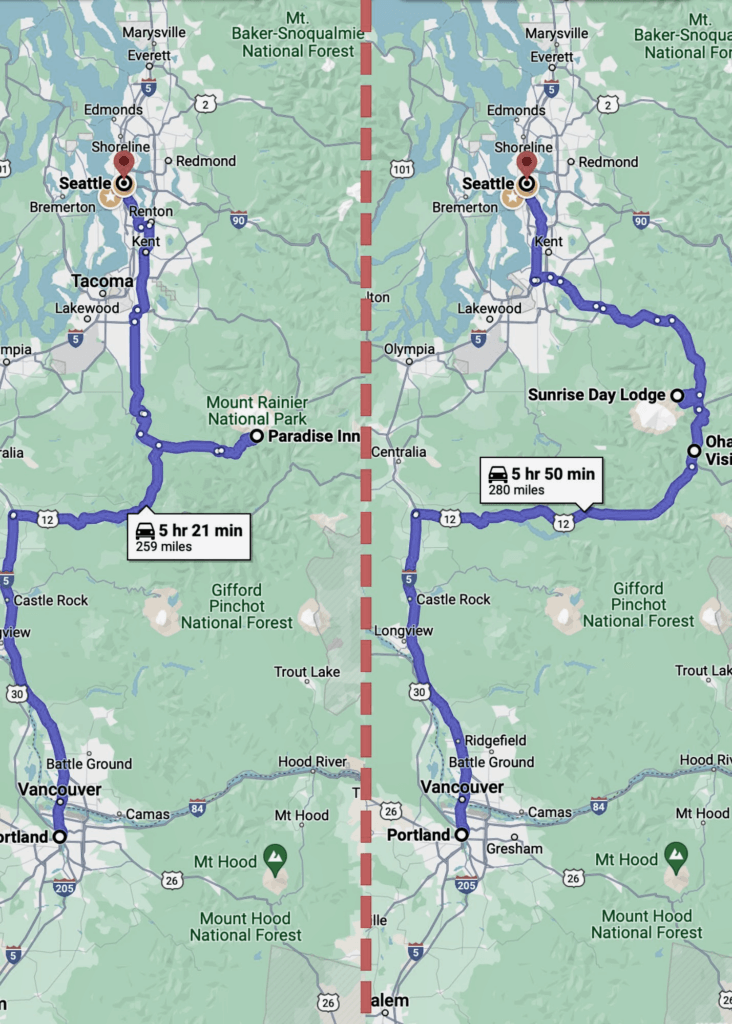
The Driving Distance and Time: Charting Your Course
The most common method for traversing the miles between Seattle, Washington and Portland, Oregon is by car. The distance is manageable, making it an ideal route for those who appreciate the flexibility and scenic beauty of a road trip.
The Primary Route: Interstate 5
The backbone of travel between these two cities is undoubtedly Interstate 5 (I-5). This major north-south freeway connects the two urban centers directly, offering a relatively straightforward and efficient route.
- Distance: The driving distance between Seattle, Washington and Portland, Oregon is approximately 175 miles (about 280 kilometers). This figure can vary slightly depending on your exact starting point in Seattle and your final destination in Portland, but it provides a solid benchmark.
- Driving Time: Under ideal conditions, the drive can take anywhere from 2.5 to 3 hours. However, “ideal conditions” are a rarity on this heavily trafficked corridor. Several factors can significantly influence your travel time.
Factors Affecting Driving Time
Several variables can impact the time it takes to drive from Seattle, Washington to Portland, Oregon:
- Traffic Congestion: Both Seattle and Portland are major metropolitan areas, and Interstate 5 is a primary artery for commerce and commuting. Rush hour in either city, particularly on weekdays, can add significant delays. Leaving Seattle during morning commute hours (typically 6:30 AM to 9:30 AM) or heading into Portland in the late afternoon (3:00 PM to 6:30 PM) can easily stretch the travel time by an hour or more.
- Construction: Road construction projects are a common occurrence along major highways, and Interstate 5 is no exception. Lane closures, detours, and reduced speed limits due to construction can create bottlenecks and slow down traffic considerably. It’s always advisable to check local traffic reports or use a GPS app with real-time traffic data before you depart.
- Weather: The Pacific Northwest is known for its variable weather. Rain, fog, and even snow (though less common in the valleys) can reduce visibility and driving speeds, especially during the winter months. Heavy rain can lead to hydroplaning and increased accident rates, further compounding delays.
- Day of the Week and Time of Day: Weekends, especially during holiday travel periods or major sporting events, can see increased traffic volume. Traveling on a Tuesday or Wednesday mid-morning is often the least congested time.
Scenic Detours and Stops Along the Way
While I-5 is the most direct route, the journey between Seattle, Washington and Portland, Oregon offers opportunities for enjoyable detours and stops.
- Olympia, Washington: The state capital, Olympia, Washington, is a natural stopping point. You can visit the Washington State Capitol Building or explore the Washington State Capitol Campus.
- Centralia/Chehalis: These twin cities offer a glimpse into smaller Pacific Northwest towns. You might find antique shops or local diners for a bite.
- Longview/Kelso: Situated near the Columbia River, this area provides access to outdoor recreational activities if you have more time.
- The Columbia River Gorge: For a more extended detour, consider veering off I-5 to explore the breathtaking Columbia River Gorge National Scenic Area. This would add significant time to your journey but offers spectacular views of waterfalls like Multnomah Falls and hiking opportunities.
Alternative Transportation: Beyond the Car
For those who prefer not to drive or wish to avoid the potential traffic woes, several excellent alternative transportation options connect Seattle, Washington and Portland, Oregon. These methods not only offer a different perspective on the journey but can also be more relaxing and environmentally friendly.
Amtrak Cascades: A Scenic Rail Journey
Amtrak’s Cascades service provides a comfortable and scenic way to travel between the two cities. The train route often parallels the coastline and offers opportunities to view the diverse landscapes of the Pacific Northwest.

- Stations: Trains depart from Seattle’s King Street Station and arrive at Portland Union Station. Both stations are centrally located and easily accessible.
- Travel Time: The train journey typically takes around 3.5 to 4 hours. While slightly longer than the fastest drive, this time is often more predictable than driving due to fewer external variables like traffic congestion.
- Onboard Experience: Amtrak trains offer comfortable seating, ample legroom, and the ability to move around. Many trains feature a cafe car for snacks and beverages, and some even offer Wi-Fi, allowing you to work or stay connected during your trip. The panoramic views from the train windows are a significant draw for many travelers.
- Benefits: Choosing Amtrak Cascades means you can relax, read, or simply enjoy the scenery without the stress of driving and navigating traffic. It’s an excellent option for business travelers needing to prepare for meetings or tourists wanting to fully immerse themselves in the journey.
Greyhound and Other Bus Services: Budget-Friendly Options
For budget-conscious travelers, intercity bus services like Greyhound offer an affordable way to travel between Seattle, Washington and Portland, Oregon.
- Departure and Arrival Points: Buses typically depart from central bus terminals in both cities and arrive at similar downtown locations.
- Travel Time: Bus travel time can vary depending on the route and the number of stops, generally ranging from 3 to 4.5 hours.
- Amenities: While bus amenities can vary, many modern coaches offer Wi-Fi, power outlets, and comfortable seating. It’s a practical choice for those prioritizing cost savings.
- Considerations: It’s important to note that bus travel can sometimes be less predictable than train travel, with potential delays due to traffic or other unforeseen circumstances.
Flying: The Fastest, But Not Always Easiest
While Seattle, Washington and Portland, Oregon are relatively close geographically, flying is an option, though often less practical for this specific route.
- Airports: Flights would depart from Seattle-Tacoma International Airport (SEA) and arrive at Portland International Airport (PDX).
- Flight Time: The actual flight time is very short, often less than an hour.
- Total Travel Time: However, when you factor in travel to and from the airports, security checks, boarding, and baggage claim, the total travel time can easily rival or exceed that of driving or taking the train.
- Cost: Airfare can fluctuate significantly and may be more expensive than other options, especially when booked last minute.
- Recommendation: Flying is generally recommended only if you are connecting to a further destination or if there is a specific, compelling reason to prioritize speed over convenience and cost for this short intercity hop.
Planning Your Trip: Essential Considerations
Regardless of your chosen mode of transportation, careful planning will ensure a smooth and enjoyable journey between Seattle, Washington and Portland, Oregon.
Best Times to Travel
- Shoulder Seasons: Spring (April-May) and Fall (September-October) often offer pleasant weather and fewer crowds, making them ideal for exploration.
- Summer: Summer (June-August) is popular due to warm weather but also sees the highest visitor numbers, which can lead to more traffic and higher prices.
- Winter: While winter can be wet, it’s also a quieter time to visit, with fewer tourists. The holiday season brings its own charm to both cities.
- Avoid Peak Times: If driving, try to avoid peak commuting hours in the mornings and evenings, and be mindful of holiday travel periods.
Accommodation and Activities
Once you arrive, both Seattle, Washington and Portland, Oregon offer a wealth of attractions and accommodations to suit every preference and budget.
- In Seattle: Explore iconic landmarks like the Space Needle, Pike Place Market, and the Museum of Pop Culture. Consider staying at hotels like the Four Seasons Hotel Seattle for luxury or boutique options in neighborhoods like Capitol Hill.
- In Portland: Discover the “City of Roses” with its renowned food scene, Powell’s City of Books, and the International Rose Test Garden. Options range from the historic The Nines, a Luxury Collection Hotel, Portland to unique boutique hotels in the Pearl District.

Booking in Advance
For transportation, especially Amtrak Cascades and flights, booking in advance can often secure better prices and ensure availability, particularly during peak travel seasons. Similarly, booking accommodations ahead of time is highly recommended to get your preferred lodging and rates.
In conclusion, the distance between Seattle, Washington and Portland, Oregon is a mere 175 miles, a relatively short span that opens up a world of travel possibilities. Whether you opt for the convenience of driving, the relaxation of a train journey, or the practicality of a bus, the experience of traveling between these two dynamic Pacific Northwest cities is an integral part of exploring the region’s unique character and charm.
LifeOutOfTheBox is a participant in the Amazon Services LLC Associates Program, an affiliate advertising program designed to provide a means for sites to earn advertising fees by advertising and linking to Amazon.com. Amazon, the Amazon logo, AmazonSupply, and the AmazonSupply logo are trademarks of Amazon.com, Inc. or its affiliates. As an Amazon Associate we earn affiliate commissions from qualifying purchases.