
The journey between the mystical red rock landscapes of Sedona and the awe-inspiring chasm of the Grand Canyon is a quintessential Arizona road trip, a pilgrimage for anyone seeking to immerse themselves in the state’s most dramatic natural wonders. While seemingly close on a map, understanding the actual distance, travel time, and the best routes is crucial for planning an efficient and enjoyable adventure. This guide delves into the specifics of this popular route, offering insights to optimize your travel experience.
The Geographic Connection: Understanding the Distance and Key Routes
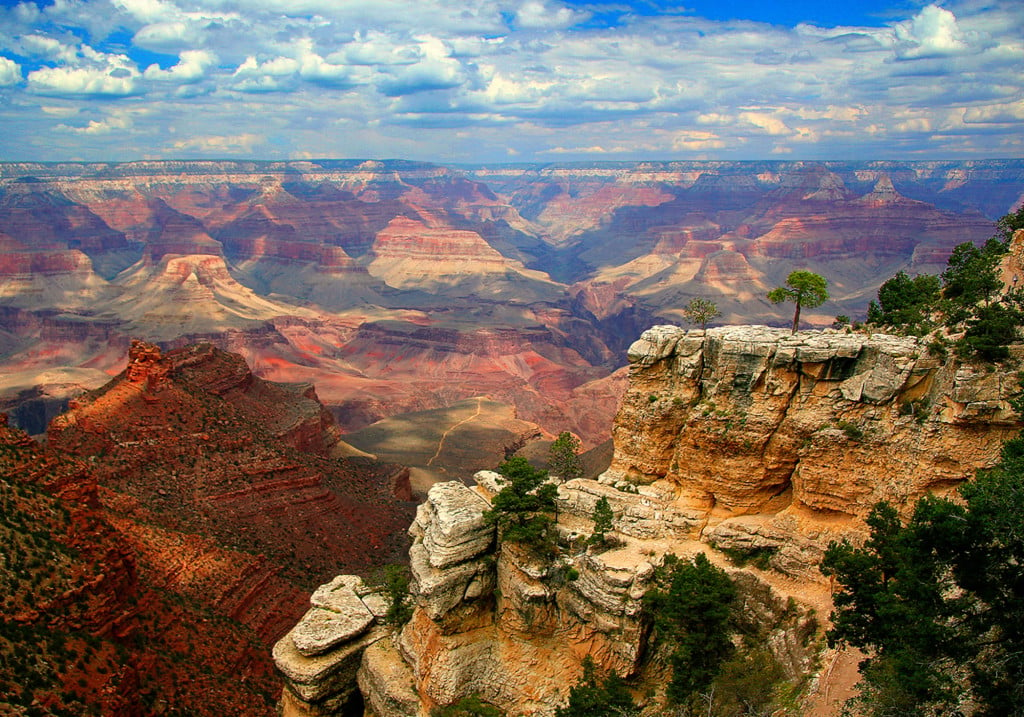
The distance between Sedona and the Grand Canyon depends primarily on which entrance of the Grand Canyon you aim to reach. The most accessible and popular part of the park for visitors traveling from Sedona is the South Rim. The North Rim is significantly further and typically only open seasonally, making it a much longer and separate trip.
Direct Routes vs. Scenic Journeys
There isn’t a single, straightforward “direct” route without some incredible scenery along the way. However, the most efficient path primarily involves heading north from Sedona towards Flagstaff and then west to the Grand Canyon South Rim. This journey spans approximately 100 to 120 miles, depending on the exact starting point in Sedona and your final destination within the Grand Canyon National Park.
For those prioritizing efficiency, the drive can take roughly 2 to 2.5 hours without significant stops. However, opting for a slightly longer, more scenic route through Oak Creek Canyon can extend this to 3 hours or more, purely due to the winding roads and potential for photo opportunities.
Key Entry Points to the Grand Canyon South Rim
When planning your trip from Sedona, you’ll primarily be heading to one of two main entry points on the South Rim:
- Grand Canyon Village (South Entrance): This is the most common and well-equipped entry point, leading directly to the heart of Grand Canyon Village with its visitor centers, lodges, restaurants, and access to popular viewpoints like Mather Point and the Bright Angel Trail. The route here typically passes through Williams, Arizona.
- Desert View Watchtower (East Entrance): If you prefer to enter the park from the east and drive along the scenic Desert View Drive towards Grand Canyon Village, this is your entry. This route typically involves heading further north past Flagstaff on US-89 before turning west on AZ-64. This entrance offers fantastic initial views, including the historic Desert View Watchtower.
Both options offer unique advantages, but the Grand Canyon Village approach is often favored for direct access to the main visitor facilities.
Planning Your Journey: Driving Routes and Times
Navigating from Sedona to the Grand Canyon is straightforward, with well-maintained roads. However, understanding the nuances of each route can enhance your travel experience.
The Most Common Path: Via Flagstaff
This is generally considered the quickest and most efficient route:
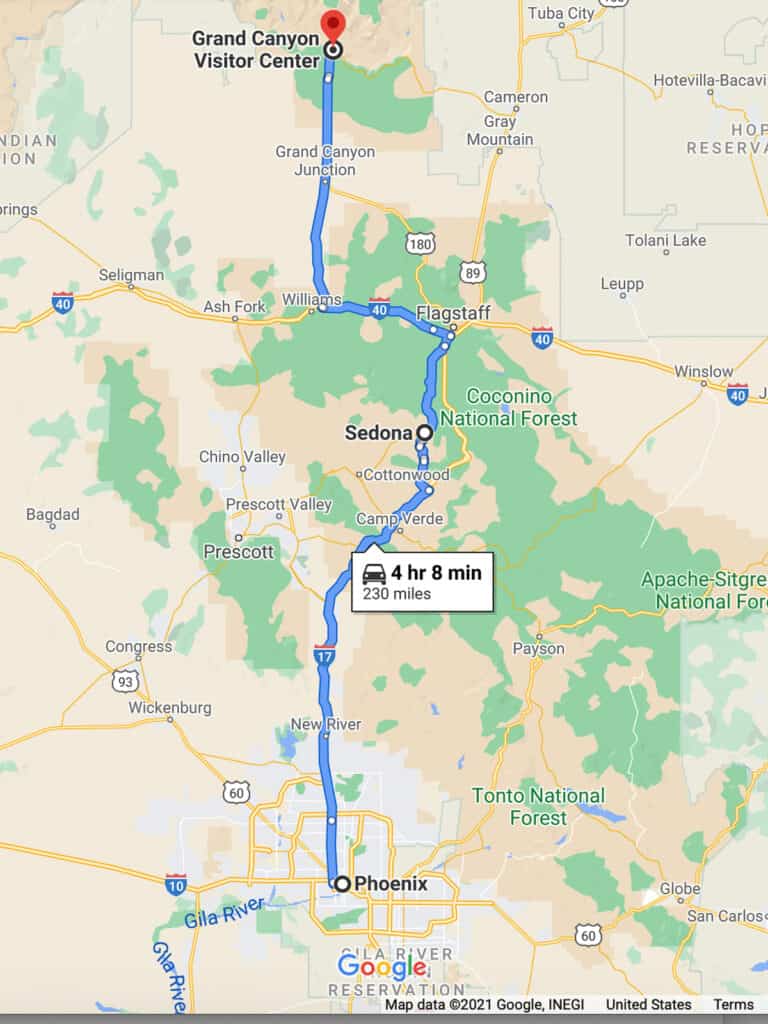
- Sedona to Flagstaff: From Sedona, you’ll take AZ-89A north. This portion of the drive is incredibly scenic as it winds through Oak Creek Canyon, offering breathtaking views, switchbacks, and opportunities to stop at viewpoints or pull-offs. The drive to Flagstaff covers approximately 30 miles and takes about 45 minutes to 1 hour, depending on traffic and how many times you pull over.
- Flagstaff to Grand Canyon Village (South Entrance): From Flagstaff, you have a couple of options:
- Via Williams: Take I-40 West from Flagstaff to Williams (approximately 30 miles, 30 minutes). In Williams, take AZ-64 North directly to the Grand Canyon South Entrance (approximately 60 miles, 1 hour). This entire leg from Flagstaff is about 90 miles and takes 1.5 to 2 hours.
- Total Travel Time for this common route: Expect 2.5 to 3 hours of pure driving time, not including stops.
Alternative Scenic Drives
While the Oak Creek Canyon portion of AZ-89A is already incredibly scenic, you can also consider approaching the Grand Canyon via its East Entrance for a different perspective.
- Via Desert View Watchtower (East Entrance):
- Sedona to Flagstaff: Again, take AZ-89A North through Oak Creek Canyon to Flagstaff (45 minutes to 1 hour).
- Flagstaff to Desert View Watchtower: From Flagstaff, take US-89 North for approximately 50 miles (45-50 minutes) until you reach AZ-64 West. Turn left onto AZ-64 West, which will take you directly to the Desert View Watchtower and the East Entrance of the park (another 25 miles, 25 minutes).
- Total Travel Time for this scenic route: Roughly 2.5 to 3 hours of driving, plus the time spent enjoying the viewpoints along Desert View Drive as you head towards Grand Canyon Village.
This eastern approach allows for a gradual introduction to the Grand Canyon’s grandeur, with several pull-offs and smaller viewpoints before reaching the more bustling areas.
Factors Affecting Travel Time
Several elements can influence your actual travel time:
- Traffic: While generally not a major issue on these routes, peak season (spring break, summer, fall weekends) can see heavier traffic, especially within Sedona and entering the Grand Canyon National Park.
- Construction: Roadwork can cause minor delays, particularly on I-40 or US-89.
- Weather: Arizona weather is generally pleasant, but winter months can bring snow and ice, especially in Flagstaff and at the Grand Canyon elevations. Always check road conditions before heading out, particularly between November and April.
- Stops: The biggest variable is how often you stop. The scenic beauty along AZ-89A and within the Grand Canyon is irresistible, so factor in extra time for photos, short hikes, and meal breaks.
Making the Most of Your Trip: Integrating Sedona and the Grand Canyon
Combining a visit to Sedona with the Grand Canyon is a popular choice for good reason. Both offer profound natural beauty, but with distinct energies and experiences.
Combining Sedona’s Vortexes with Grand Canyon’s Vistas
Sedona is renowned for its vibrant red rock formations and its reputation as a spiritual hub, home to several energy vortexes like Bell Rock, Cathedral Rock, Airport Mesa, and Boynton Canyon. Visitors often engage in hiking, meditation, and spa treatments amidst these stunning backdrops. The Grand Canyon, conversely, offers an overwhelming sense of geological time and scale, inspiring quiet contemplation of nature’s raw power. Integrating these two experiences allows for a balanced trip—one that nourishes both body and soul.
Recommended Itineraries: Day Trips vs. Multi-Day Stays
- Day Trip to the Grand Canyon from Sedona:
While possible, a day trip is ambitious and will feel rushed. You’d spend 5-6 hours driving, leaving only a few hours at the Grand Canyon itself. If you opt for this, leave very early, focus on a few key viewpoints like Mather Point, Yavapai Point, and take the shuttle along a portion of Hermit Road. Pack snacks and water to minimize stops. - Multi-Day Stay:
This is highly recommended to truly appreciate both destinations without feeling rushed.- Option 1 (Sedona as base): Spend 2-3 days in Sedona, exploring its trails, art galleries, and spiritual sites. Dedicate one full day for the round trip to the Grand Canyon, making it a long but rewarding day. You’d need to depart Sedona by 7 AM at the latest.
- Option 2 (Split Stay): Spend 2-3 days in Sedona, then travel to the Grand Canyon and stay overnight (or two) within the park or in nearby Tusayan or Williams. This allows for seeing a sunset or sunrise over the canyon, which is an unforgettable experience, and offers more time for exploration, including short hikes along the rim or into the canyon on trails like the South Kaibab Trail.
Essential Tips for Road Tripping
- Book Accommodations in Advance: Especially if you plan to stay inside Grand Canyon National Park or in Sedona during peak season. Rooms book up months, even a year, ahead of time.
- Gas Up: While gas stations are available in Flagstaff and Williams, and limited options exist near the park entrances, it’s wise to fill up before you leave Sedona or Flagstaff.
- Pack Layers: Both Sedona and the Grand Canyon can experience significant temperature swings between day and night, and between elevations. Dress in layers.
- Stay Hydrated: The high desert environment demands consistent hydration. Carry plenty of water.
- Park Entrance Fees: Be aware of the entrance fees for Grand Canyon National Park. Consider an America the Beautiful pass if you plan to visit multiple national parks.
- Check Park Alerts: Always check the Grand Canyon National Park website for current conditions, road closures, and shuttle bus schedules before your visit.
Exploring the Destinations: What Awaits You
Your journey from Sedona to the Grand Canyon connects two of Arizona’s most iconic landscapes, each offering a unique array of activities and sights.
Sedona: Red Rocks and Spiritual Retreats
Before or after your canyon adventure, immerse yourself in Sedona’s allure. Beyond its famed vortex sites, Sedona offers:
- Hiking: Miles of trails cater to all levels, from easy strolls to challenging climbs. Popular options include the Airport Mesa Trail for sunset views, the West Fork Trail in Oak Creek Canyon, or the climb up to Cathedral Rock.
- Art and Culture: Explore the numerous art galleries, spiritual centers, and unique shops in Uptown Sedona and Tlaquepaque Arts & Shopping Village. Visit the architectural marvel of the Chapel of the Holy Cross.
- Outdoor Activities: Enjoy mountain biking, jeep tours, stargazing, or a refreshing dip at Slide Rock State Park.
- Day Trips from Sedona: Consider short excursions to historical mining towns like Jerome or the ancient cliff dwellings of Montezuma Castle National Monument.

Grand Canyon: A Wonder of the Natural World
Upon arrival at the Grand Canyon, prepare to be overwhelmed by its sheer scale. Focus your visit on:
- Viewpoints: Drive or take the shuttle to iconic viewpoints along the South Rim such as Mather Point, Yavapai Point, Hopi Point (sunset favorite), and Desert View Watchtower.
- Hiking: Even a short walk along the Rim Trail offers incredible perspectives. For more adventurous trekkers, consider descending a portion of the Bright Angel Trail or South Kaibab Trail (remember that going down is optional, coming back up is mandatory and strenuous!).
- Visitor Centers: The Grand Canyon Visitor Center and the Yavapai Geology Museum offer valuable insights into the canyon’s formation and ecosystem.
- Ranger Programs: Join a free ranger-led talk or hike to deepen your understanding of the park.
The drive from Sedona to the Grand Canyon is more than just covering miles; it’s an integral part of an unforgettable Arizona adventure. By understanding the distance, planning your route, and allowing ample time to savor the journey and the destinations, you’re set for an experience that combines spiritual reflection with breathtaking geological grandeur.
LifeOutOfTheBox is a participant in the Amazon Services LLC Associates Program, an affiliate advertising program designed to provide a means for sites to earn advertising fees by advertising and linking to Amazon.com. Amazon, the Amazon logo, AmazonSupply, and the AmazonSupply logo are trademarks of Amazon.com, Inc. or its affiliates. As an Amazon Associate we earn affiliate commissions from qualifying purchases.