
Embarking on a journey through the American Southwest offers a unique opportunity to witness some of the most dramatic landscape transitions in the United States. One of the most popular road trips in this region connects the high-energy entertainment capital of the world, Las Vegas, Nevada, with the serene, spiritually charged red rocks of Sedona, Arizona. Understanding the distance, the routes, and the experiences along the way is essential for any traveler looking to make the most of this iconic desert passage.
Navigating the Distance: The Logistics of the Journey
The physical distance between Las Vegas and Sedona is approximately 280 miles (450 kilometers) when taking the most direct and efficient route. For most travelers, this translates to a driving time of roughly four and a half to five hours, depending on traffic conditions and how many times one pauses to admire the scenery. While the mileage might seem modest, the drive traverses diverse terrain that transforms from the shimmering neon of the Las Vegas Strip to the rugged, oxidized spires of the Coconino National Forest.

The Primary Route via US-93 and I-40
The most common path for travelers begins by heading southeast out of Las Vegas on US-93 South. This road takes you through Henderson and Boulder City before crossing the state line into Arizona. Upon reaching Kingman, travelers transition onto I-40 East, a major interstate that follows a significant portion of the historic Route 66. This stretch provides a fast, reliable connection across the desert floor.
Eventually, you will reach Flagstaff, where the environment changes drastically from arid plains to high-altitude ponderosa pine forests. From Flagstaff, the final leg involves descending south on SR-89A, a road widely considered one of the most beautiful scenic drives in the country. This winding path leads directly into the heart of Sedona.
Estimating Travel Time and Traffic Factors
While the five-hour estimate is a solid baseline, several factors can influence the duration of the trip. Traffic leaving Las Vegas can be heavy, particularly on Friday afternoons or Sunday mornings when visitors are moving in and out of the city. Additionally, the mountain passes near Flagstaff can experience slowdowns during winter months due to snow or ice.
Travelers should also account for time spent at the Mike O’Callaghan-Pat Tillman Memorial Bridge. While the bridge has significantly sped up travel by bypassing the narrow roads over the Hoover Dam, it remains a popular spot where travelers may slow down to catch a glimpse of the engineering marvel and the Colorado River below.
Essential Sightseeing Stops Along the Way
One of the greatest joys of traveling from Las Vegas to Sedona is the array of landmarks that dot the route. Rather than viewing the distance as a hurdle, many visitors treat the drive as a curated gallery of Southwestern history and natural wonder.
The Engineering Marvel of Hoover Dam
Located just 30 miles outside of Las Vegas, the Hoover Dam is a must-visit destination. Straddling the border between Nevada and Arizona, this Depression-era masterpiece holds back the waters of Lake Mead, the largest reservoir in the United States by volume. Stopping here allows travelers to appreciate the sheer scale of the concrete arch-gravity dam and learn about the history of the Bureau of Reclamation projects that shaped the modern West.
Historic Route 66 and the Town of Kingman
As you continue into Arizona, the city of Kingman serves as a cultural hub for fans of Americana. Known as the “Heart of Historic Route 66,” Kingman offers several nostalgic stops, including the Arizona Route 66 Museum. A short detour onto the old highway can lead you to the Hackberry General Store, a quintessential roadside attraction filled with vintage memorabilia and classic cars that capture the spirit of mid-century travel.
The Gateway to the Canyon: Williams, Arizona
Further east on I-40, you will encounter the charming town of Williams. Known as the gateway to the Grand Canyon National Park, Williams maintains a frontier-style atmosphere with its preserved downtown and the Grand Canyon Railway. Even if you aren’t heading to the canyon on this specific trip, Williams is an excellent place to grab a meal at a local diner or explore the Bearizona Wildlife Park, where you can see North American animals in a natural setting.
Regional Transitions: From Neon Lights to Red Rocks
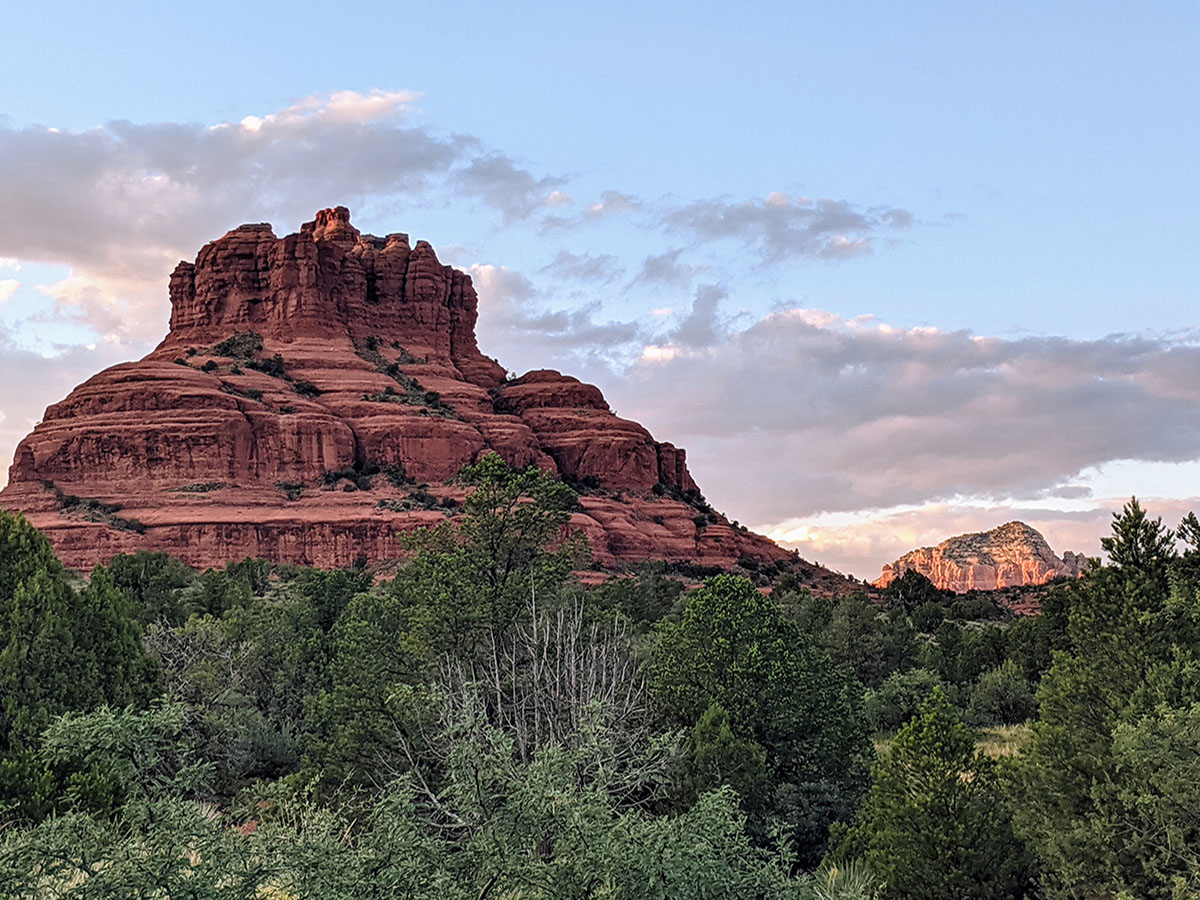
The journey from Las Vegas to Sedona is more than just a change in coordinates; it is a profound transition through several ecological zones.
The Mojave Desert Landscape
Leaving the Las Vegas Valley, the road initially cuts through the Mojave Desert. This landscape is characterized by its vast open spaces, Joshua Tree forests, and rugged mountain ranges like the Black Mountains. The geology here is stark and volcanic, offering a minimalist beauty that contrasts sharply with the artificial brilliance of the Caesars Palace or the Luxor Hotel you left behind.
Ascending to the Colorado Plateau
As you move through Arizona, the elevation begins to climb. By the time you reach Flagstaff, you have ascended to over 7,000 feet above sea level, placing you firmly on the Colorado Plateau. The air turns crisper, and the vegetation shifts to thick forests of pine and fir. The descent from Flagstaff into Sedona via Oak Creek Canyon is one of the most dramatic parts of the trip, as the green trees give way to the vibrant oranges and reds of the sandstone formations that have made Sedona world-famous.
Reaching the Destination: The Magic of Sedona
Upon arrival, the distance traveled is immediately rewarded by the breathtaking vistas of Sedona. This destination is a paradise for outdoor enthusiasts, art lovers, and those seeking a peaceful retreat.
Red Rock State Park and Scenic Vistas
A primary draw for any traveler is Red Rock State Park. This nature preserve offers a network of trails that provide stunning views of Cathedral Rock, one of the most photographed landmarks in the state. For those who prefer a more adventurous experience, taking a tour with Pink Jeep Tours allows for off-road exploration of the rugged terrain, reaching areas that are inaccessible to standard vehicles.
Spiritual and Cultural Hubs in the Desert
Sedona is also widely known for its “vortex” sites—areas where the earth’s energy is said to be particularly strong. Locations like Airport Mesa and Bell Rock attract visitors from around the world looking for meditation and spiritual renewal. For a different kind of cultural experience, the Tlaquepaque Arts & Shopping Village offers a beautiful, Mexican-inspired setting filled with art galleries, craft shops, and upscale dining.
Another architectural marvel not to be missed is the Chapel of the Holy Cross. Built directly into the red rocks, this chapel offers a moment of quiet reflection and a panoramic view of the surrounding Verde Valley.
Practical Travel Tips for the Southwest Road Trip
To ensure the drive from Las Vegas to Sedona is as enjoyable as possible, certain practical considerations should be kept in mind.
Seasonal Weather Considerations
The weather in the Southwest can be extreme. In the summer, temperatures in Las Vegas and the Mojave Desert sections of the drive can easily exceed 100 degrees Fahrenheit. Conversely, winter travelers must be prepared for freezing temperatures and potential snowfall once they reach the higher elevations of Flagstaff. Spring and autumn are generally considered the best times to make the trip, as the weather is mild and the natural colors of the desert are most vibrant.

Vehicle Preparation and Safety
Given the stretches of uninhabited desert between major towns, vehicle preparation is key. Always ensure your fuel tank is full before leaving Kingman, as gas stations can be sparse on certain segments of the I-40. Carrying extra water is a safety necessity in the arid environment. If you plan on exploring the more remote areas near Sedona, such as Boynton Canyon or Devil’s Bridge, a vehicle with higher ground clearance may be beneficial, though the main roads to all major attractions are well-paved and accessible to all car types.
Whether you are seeking the thrill of the Las Vegas casinos or the tranquility of the Arizona wilderness, the drive between these two destinations is a classic American travel experience. The roughly 280-mile journey is a bridge between two different worlds, offering a rich tapestry of history, engineering, and natural beauty that defines the spirit of the West. From the depths of Black Canyon to the heights of the San Francisco Peaks, every mile tells a story.
LifeOutOfTheBox is a participant in the Amazon Services LLC Associates Program, an affiliate advertising program designed to provide a means for sites to earn advertising fees by advertising and linking to Amazon.com. Amazon, the Amazon logo, AmazonSupply, and the AmazonSupply logo are trademarks of Amazon.com, Inc. or its affiliates. As an Amazon Associate we earn affiliate commissions from qualifying purchases.