
The journey from Shreveport to New Orleans is more than just a question of miles; it’s an exploration of Louisiana’s diverse landscapes, rich history, and vibrant culture. Whether you’re seeking the soulful sounds of jazz, the tantalizing flavors of Creole cuisine, or the unique charm of the French Quarter, understanding the travel dynamics between these two distinct cities is key to planning an unforgettable trip. This guide delves into the various ways to bridge the distance, offering insights into timing, cost, and the experiences waiting to be discovered along the route.
Navigating the Distance: Driving, Flying, and Rail Options
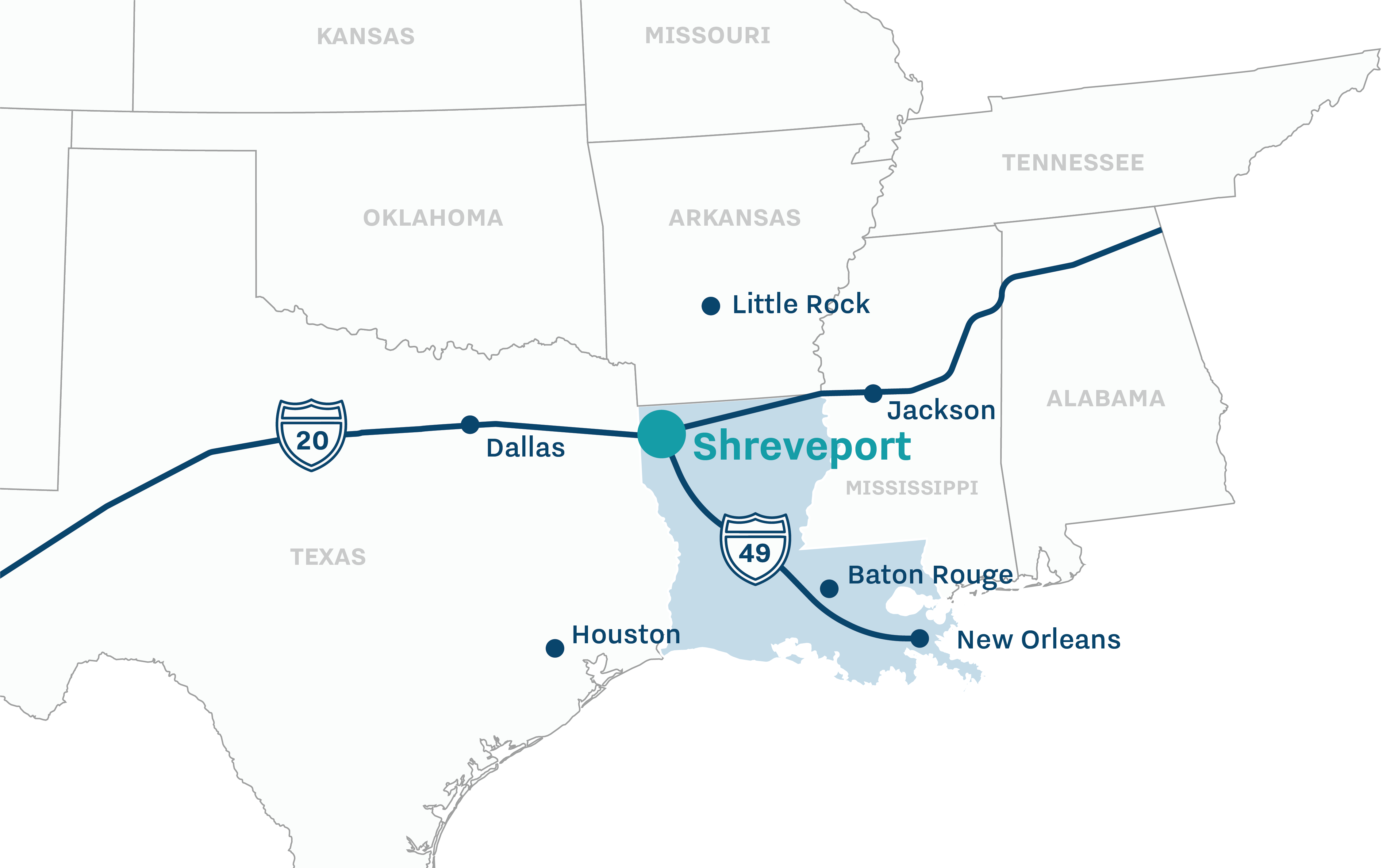
The most common method for traversing the approximately 320-mile stretch between Shreveport and New Orleans is by car. This offers the utmost flexibility, allowing travelers to set their own pace and make spontaneous stops. The primary route typically involves taking I-49 South towards Alexandria, then transitioning to I-10 East, which will ultimately lead you to the Crescent City.
The Open Road: Driving Considerations
The drive itself, without significant stops, usually takes between 4.5 to 5.5 hours. However, this figure can fluctuate considerably based on traffic, road construction, and your willingness to explore the towns and natural beauty that dot the Louisiana landscape. Key points of interest along the way might include the historic town of Natchitoches, the vibrant arts scene in Lafayette, or the scenic bayous that define the region.
Factors influencing drive time:
- Traffic: Major highways, especially as you approach New Orleans, can experience significant congestion during peak hours. Weekend travel, particularly around Mardi Gras or other major events, will undoubtedly add to travel time.
- Road Conditions: While generally well-maintained, occasional construction projects can cause delays. It’s advisable to check local traffic reports before and during your journey.
- Stops and Sightseeing: The beauty of a road trip lies in its flexibility. Incorporating stops at charming diners, historical markers, or unique roadside attractions will naturally extend your travel time but enrich your experience immeasurably. Consider a detour to the Atchafalaya Basin for a taste of genuine bayou country.
Soaring Above: The Flight Alternative
For those prioritizing speed, flying is an option, though it requires a bit more logistical planning due to the lack of direct commercial flights between Shreveport Regional Airport (SHV) and Louis Armstrong New Orleans International Airport (MSY). Most flight paths will involve a layover, typically in a hub city like Atlanta or Dallas/Fort Worth.
The flight experience:
- Total Travel Time: While the flight duration itself might be relatively short, factoring in travel to and from airports, check-in procedures, security, and potential layovers means the total door-to-door time can often equal or exceed driving time.
- Cost: Flight prices are highly variable, depending on the airline, booking time, and season. It’s essential to compare fares across different carriers and consider the added costs of airport transportation and potential baggage fees.
- Convenience: For travelers who dislike long drives or have limited time, flying offers a way to cover the distance swiftly, arriving in New Orleans ready to explore.
On the Rails: A Scenic Journey
Amtrak offers a service that connects Shreveport and New Orleans, albeit with a somewhat indirect route. The train journey is often favored by those who appreciate a more relaxed and scenic travel experience, allowing passengers to observe the changing landscapes of Louisiana without the stress of driving.
The Amtrak experience:
- Route and Duration: The Amtrak route typically involves a connection, often through cities like Houston, making the total journey significantly longer than driving, potentially taking upwards of 12-15 hours or more.
- Comfort and Amenities: Amtrak trains offer comfortable seating, the ability to move around, dining car services, and often the option for private sleeper accommodations for overnight journeys. It provides a unique perspective on the Gulf Coast region.
- Cost-Effectiveness: Depending on booking in advance and availability, train tickets can sometimes be competitive with airfare, especially when considering the added value of comfortable travel and inclusive amenities.
Planning Your Itinerary: Making the Most of the Journey
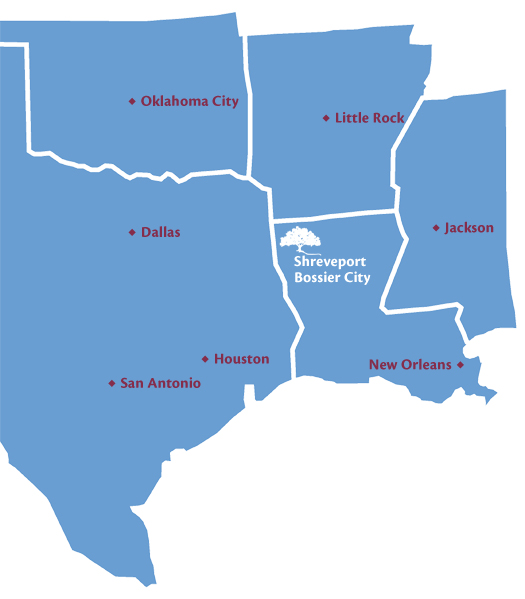
The distance between Shreveport and New Orleans presents a wonderful opportunity to create a multi-faceted trip. Instead of just a point-to-point transfer, consider incorporating stops that showcase the diverse tapestry of Louisiana.
Exploring Central Louisiana
As you head south from Shreveport on I-49, you’ll enter the heart of Louisiana.
- Natchitoches: The oldest permanent settlement in the Louisiana Purchase, Natchitoches offers a glimpse into colonial history. Stroll along Cane River Lake, explore the historic Front Street with its charming shops and restaurants, and sample the famous Natchitoches meat pies. The town’s architecture and laid-back atmosphere are a refreshing contrast to the bustle of larger cities.
- Alexandria and Pineville: These twin cities offer a mix of cultural attractions and outdoor recreation. Visit the Kent House Museum, a restored Creole plantation house, or explore the Alexandria Museum of Art. For nature enthusiasts, the Kisatchie National Forest provides ample opportunities for hiking and enjoying the natural beauty of the Kisatchie Sand Hills.
- Lafayette: Known as the heart of Acadiana, Lafayette is a hub for Cajun culture. Immerse yourself in live Zydeco music at local clubs, savor authentic Cajun cuisine like crawfish étouffée and boudin, and explore the Vermilionville historic village. The energy of Lafayette is infectious and offers a preview of the cultural richness that awaits in New Orleans.
The Bayou Region and the Approach to New Orleans
Continuing east on I-10, the landscape begins to transform, hinting at the unique ecosystem and culture of the bayou region and the proximity to New Orleans.
- The Atchafalaya Basin: As you drive through this vast swampland, consider a detour for a guided airboat tour. This is an unparalleled opportunity to witness the diverse wildlife, unique flora, and the rugged beauty of the largest river basin and swamp in the United States. Many local operators offer tours that provide an authentic and thrilling perspective on bayou life.
- Baton Rouge: Louisiana’s capital city is worth a stop for its historical significance and cultural attractions. Visit the imposing Louisiana State Capitol, the tallest in the U.S., or explore the Old State Capitol, a stunning Gothic Revival building. The USS Kidd Veterans Museum offers a fascinating look at naval history.
- Approaching the Crescent City: The final leg of the journey brings you closer to the iconic skyline of New Orleans. Pay attention to the architecture and the subtle shift in atmosphere as you enter Orleans Parish.
Experiencing New Orleans Upon Arrival
Once you arrive in New Orleans, the true adventure begins. The city is a vibrant tapestry of history, music, art, and culinary excellence, offering an experience unlike any other.
Iconic Landmarks and Neighborhoods
- French Quarter: The heart and soul of New Orleans, the French Quarter is a National Historic Landmark renowned for its distinctive architecture, including wrought-iron balconies and colorful Creole townhouses. Wander down Bourbon Street for a lively atmosphere, explore the quieter charm of Royal Street with its art galleries and antique shops, and visit Jackson Square for street performers and stunning views of the St. Louis Cathedral.
- Garden District: Known for its magnificent antebellum mansions and lush gardens, the Garden District offers a glimpse into the opulent past of New Orleans. Guided walking tours are highly recommended to learn about the history and architecture of these grand homes.
- Marigny and Frenchmen Street: For an authentic New Orleans music experience, head to Frenchmen Street in the Marigny neighborhood. This vibrant strip boasts numerous clubs featuring live jazz, blues, and funk music, offering a more local and intimate setting than some of the larger venues.
Culinary Delights
New Orleans is a globally renowned culinary capital, and its food scene is a major draw for visitors.
- Creole vs. Cajun: While often used interchangeably, these cuisines have distinct origins. Creole cuisine, found in New Orleans, is a fusion of French, Spanish, African, and Caribbean influences, often characterized by richer sauces and ingredients like tomatoes. Cajun cuisine, originating from the rural Acadian settlers, is more rustic, focusing on hearty, spice-driven dishes often cooked in one pot.
- Must-Try Dishes: No visit is complete without indulging in classics like gumbo, jambalaya, crawfish étouffée, po’boys, beignets from Café Du Monde, and oysters, prepared in countless delicious ways.
- Dining Experiences: From historic restaurants like Antoine’s and Commander’s Palace to casual oyster bars and bustling food markets, New Orleans offers a diverse range of dining options to suit every palate and budget.

Cultural Immersion and Activities
Beyond the iconic sights and tastes, New Orleans offers a wealth of cultural experiences.
- Music: Immerse yourself in the city’s legendary music scene. Attend a show at a jazz club on Frenchmen Street, catch a performance at Preservation Hall, or simply enjoy the street musicians in the French Quarter.
- Swamp Tours: Explore the unique ecosystem of the surrounding bayous with a guided swamp tour, offering a different perspective on the region’s natural beauty and wildlife.
- Museums and History: Delve into the city’s rich and complex history at institutions like The National WWII Museum, the New Orleans Museum of Art, and various historic house museums.
- Streetcars: A quintessential New Orleans experience is riding the historic streetcars. The St. Charles Avenue line, in particular, offers a scenic journey past beautiful mansions and oak-lined streets.
The journey from Shreveport to New Orleans is a rich and rewarding experience, offering a chance to traverse the diverse landscapes and cultural heart of Louisiana. Whether you choose to drive, fly, or ride the rails, the anticipation of arriving in the vibrant and captivating city of New Orleans makes the distance a mere prelude to an unforgettable adventure.
LifeOutOfTheBox is a participant in the Amazon Services LLC Associates Program, an affiliate advertising program designed to provide a means for sites to earn advertising fees by advertising and linking to Amazon.com. Amazon, the Amazon logo, AmazonSupply, and the AmazonSupply logo are trademarks of Amazon.com, Inc. or its affiliates. As an Amazon Associate we earn affiliate commissions from qualifying purchases.