
The journey between Salt Lake City and Las Vegas is one of the most iconic corridors in the Western United States. Spanning roughly 420 miles (676 kilometers), this route connects the serene, mountainous backdrop of Utah with the neon-lit, high-energy landscape of Nevada. Whether you are planning a weekend getaway, a relocation, or a scenic road trip, understanding the distance, travel time, and logistical options is essential for a seamless experience. This guide provides an in-depth exploration of the travel possibilities, the geography encountered along the way, and the practical considerations every traveler should know.
Understanding the Distance and Primary Travel Modes
When asking how far Salt Lake City is from the “Entertainment Capital of the World,” the answer depends largely on your chosen method of transportation. The geographic distance remains constant, but the “perceived distance” fluctuates significantly between a short flight and a half-day drive.
Driving from Salt Lake City to Las Vegas
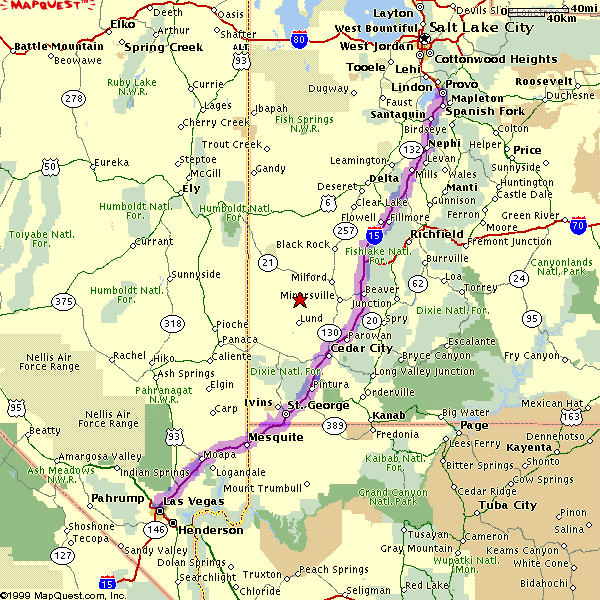
The most common way to travel between these two hubs is via Interstate 15, a major highway that serves as the primary artery for the region. Under ideal conditions, the drive takes approximately six to seven hours. However, this can vary based on your starting point within the Wasatch Front and your final destination on the Las Vegas Strip.
The road is almost entirely high-speed freeway, with speed limits in many rural parts of Utah reaching 80 mph. Despite the high speeds, travelers must account for potential delays in metropolitan areas like Provo or as they approach the northern reaches of Las Vegas. The drive is a study in geological transition, moving from the jagged Wasatch Mountains and the Great Basin Desert into the iconic red rocks of southern Utah and finally the scorching Mojave Desert.
Flying Between the Two Cities
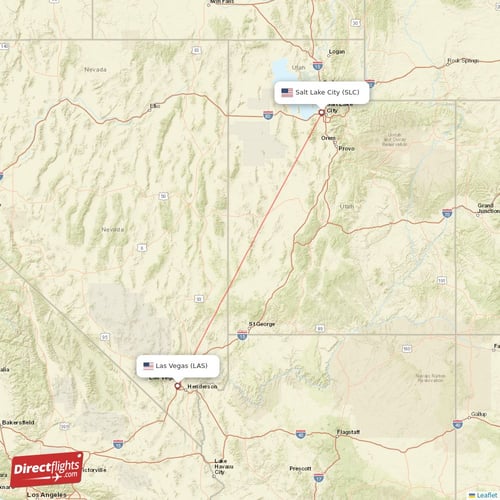
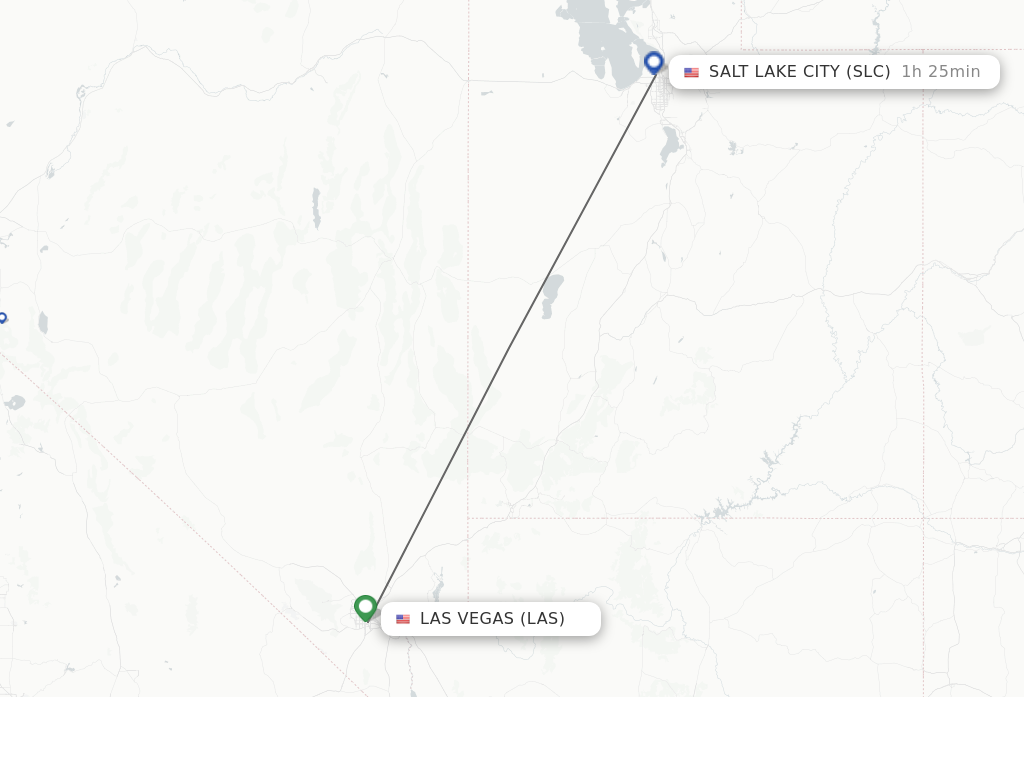
For those looking to maximize their time, flying is the most efficient option. A direct flight from Salt Lake City International Airport to Harry Reid International Airport typically lasts between 1 hour and 15 minutes to 1 hour and 30 minutes.
Major carriers and regional airlines frequent this route daily, making it a highly accessible connection. When you factor in airport security and transit time to and from the terminals, the total travel time usually averages around four hours. This makes flying a preferred choice for business travelers and those visiting for a short weekend who wish to bypass the long stretches of highway.
Bus and Alternative Transport Options
While less common than driving or flying, bus services offer a budget-friendly alternative. Several national and regional bus lines operate routes between Salt Lake City and Las Vegas. These trips typically take between 7 and 9 hours, depending on the number of stops in towns like Cedar City and St. George. While slower, these services allow travelers to enjoy the scenery without the stress of navigating traffic or managing vehicle maintenance.
The Scenic Road Trip: Major Landmarks and Stops Along I-15
Traveling the 420 miles by car isn’t just about reaching the destination; it is about the transition of the landscape. Interstate 15 offers access to some of the most stunning natural landmarks in the United States.
Exploring Southern Utah’s Natural Wonders
As you travel south from Salt Lake City, the urban sprawl gives way to agricultural valleys and eventually the high desert. About three and a half hours into the drive, travelers reach the gateway to Utah’s “Mighty 5.”
Cedar City serves as a perfect pit stop and a jumping-off point for Bryce Canyon National Park. Just a short drive further south, the skyline is dominated by the towering cliffs of Zion National Park. Even if you don’t have time for a full excursion, the Kolob Canyons section of the park is visible right off the interstate, offering a breathtaking glimpse of the red Navajo sandstone that defines the region.
The Virgin River Gorge and the Nevada Border
One of the most spectacular segments of the drive occurs after leaving St. George. The highway dips into a small corner of Arizona to pass through the Virgin River Gorge. This section of Interstate 15 is a marvel of engineering, winding through narrow canyon walls that rise hundreds of feet above the roadway.
Once through the gorge, the landscape flattens out as you enter Nevada at the town of Mesquite. Before reaching the final destination, many travelers take a slight detour to visit Valley of Fire State Park. Known for its vibrant red rock formations and ancient petroglyphs, it serves as a stunning final nature stop before the man-made wonders of Las Vegas come into view.
Planning Your Trip: Best Times and Seasonal Considerations
Because the route spans several climatic zones—from the alpine environment of northern Utah to the subtropical desert of southern Nevada—timing your trip is crucial for both safety and comfort.
Weather Factors in the High Desert
Winter travel between Salt Lake City and Las Vegas can be unpredictable. While Las Vegas remains relatively mild, the northern and central parts of Utah often experience heavy snowfall. Mountain passes near Beaver and the high plateaus can become treacherous during winter storms, occasionally leading to temporary closures of Interstate 15.
Conversely, summer travel brings extreme heat. Temperatures in St. George and Las Vegas frequently exceed 100 degrees Fahrenheit (38°C). If you are driving during the summer months, it is vital to ensure your vehicle’s cooling system is in top shape and to carry extra water. The stretch of road through the Mojave Desert is unforgiving, and help can be far away in rural sections.
Peak Travel Seasons and Event Impacts
The distance between the cities feels much longer during holiday weekends. Interstate 15 is a primary route for Utah residents heading to Nevada for long weekends, and traffic can bottleneck significantly. Major events in Las Vegas, such as international conventions or high-profile sporting events, can also affect flight availability and pricing from Salt Lake City. Planning your journey mid-week often results in lower costs and a much faster driving experience.
Comparing the Experience: Salt Lake City vs. Las Vegas
While only a few hundred miles apart, these two cities offer vastly different atmospheres, making the journey between them a fascinating study in cultural and environmental contrasts.
Cultural Shifts and Atmosphere
Salt Lake City is defined by its proximity to the Rocky Mountains and a culture deeply rooted in outdoor recreation, winter sports, and a historically religious foundation. It is a city of broad streets, mountain vistas, and a growing tech scene often referred to as “Silicon Slopes.” The pace of life is generally more measured, with a focus on community and nature.
In contrast, Las Vegas is a city built on spectacle, entertainment, and 24-hour activity. While it also offers incredible outdoor opportunities like Red Rock Canyon National Conservation Area, its primary draw is the concentration of world-class dining, gaming, and performances. Moving from the quiet of the Wasatch Range to the vibrant energy of the Las Vegas Strip is a shift that many travelers find exhilarating.
Practical Tips for a Seamless Journey
To make the most of the distance between Salt Lake City and Las Vegas, consider these travel tips:
- Fuel Up Wisely: There are long stretches of highway, particularly between Cedar City and St. George, where services are sparse. Don’t wait until your tank is empty to look for a station.
- Time Zone Awareness: It is important to remember that both Utah and Nevada are in the Western United States, but they sit on the border of time zones. Utah operates on Mountain Time, while Nevada is on Pacific Time. When traveling from Salt Lake City to Las Vegas, you “gain” an hour, which is perfect for an early start to your evening.
- Safety First: In the desert, cell service can be spotty. Download your maps for offline use and keep an emergency kit in your car that includes a first aid kit, blankets (for winter), and plenty of hydration.
Whether you choose to soar over the desert or navigate the winding curves of the Virgin River Gorge, the trip from Salt Lake City to Las Vegas is a quintessential American travel experience. The distance is manageable, the scenery is unparalleled, and the destination—regardless of which direction you are heading—offers a unique blend of adventure and discovery.
LifeOutOfTheBox is a participant in the Amazon Services LLC Associates Program, an affiliate advertising program designed to provide a means for sites to earn advertising fees by advertising and linking to Amazon.com. Amazon, the Amazon logo, AmazonSupply, and the AmazonSupply logo are trademarks of Amazon.com, Inc. or its affiliates. As an Amazon Associate we earn affiliate commissions from qualifying purchases.