
The journey from South Carolina to Florida is a popular one, traversed by countless travelers each year seeking everything from sun-drenched beaches and theme park adventures to cultural explorations and tranquil escapes. Understanding the distance, potential routes, and what to expect along the way is crucial for planning a seamless and enjoyable trip. While seemingly straightforward, the actual “how far” question is more nuanced than a single number, depending heavily on your specific starting point in South Carolina and your intended destination within the vast Sunshine State. This comprehensive guide delves into the geographical realities, optimal routes, and enriching experiences that define this well-traveled corridor of the Southeastern United States.
Unpacking the Distance: South Carolina to Florida
The concept of distance between two states can be broad, encompassing a range of miles depending on the exact points of origin and destination. Understanding this variability is the first step in planning an effective travel itinerary.
Geographical Overview and Varied Distances
South Carolina shares a significant border with Georgia to its south, which in turn borders Florida. This means any journey from South Carolina to Florida will inevitably pass through or alongside Georgia. The shortest distances are naturally from the southern reaches of South Carolina to the northernmost parts of Florida.
For instance, a trip from Charleston, South Carolina, to Jacksonville, Florida, covers approximately 200-220 miles. This journey could take around 3 to 4 hours of driving time, excluding stops. Conversely, traveling from the more northern Greenville, South Carolina, to the southern tip of Florida, such as Miami, is a much more substantial undertaking, often exceeding 750 miles and requiring 11-12 hours of pure driving time, making it an ideal candidate for an overnight stop.
Key factors influencing the total distance include:
- Starting City in South Carolina: Myrtle Beach, Columbia, Charleston, or Greenville all offer different starting points.
- Destination City in Florida: Jacksonville, Orlando, Tampa, Miami, or the Florida Keys represent a vast geographical spread.
Key Entry and Exit Points
The primary entry points into Florida from the north typically involve Interstate 95 (I-95) along the eastern coast and Interstate 75 (I-75) further inland.
- I-95: This major north-south artery provides direct access to cities like Jacksonville, St. Augustine, Daytona Beach, and further south towards Orlando (via connector roads like I-4) and Miami. Most travelers from Charleston or Myrtle Beach will utilize I-95.
- I-75: While not directly connecting to South Carolina, travelers from western South Carolina (e.g., Greenville) might connect to I-75 in Georgia to reach destinations like Gainesville, Tampa, or the Gulf Coast of Florida.
Understanding these primary routes helps in visualizing the journey and selecting the most efficient path.
Navigating the Journey: Popular Routes and Travel Times
Once the general distance is understood, the next step is to choose the best route. The choice often boils down to a trade-off between efficiency and scenic beauty.
The Coastal Route: Scenic Beauty and Charming Towns
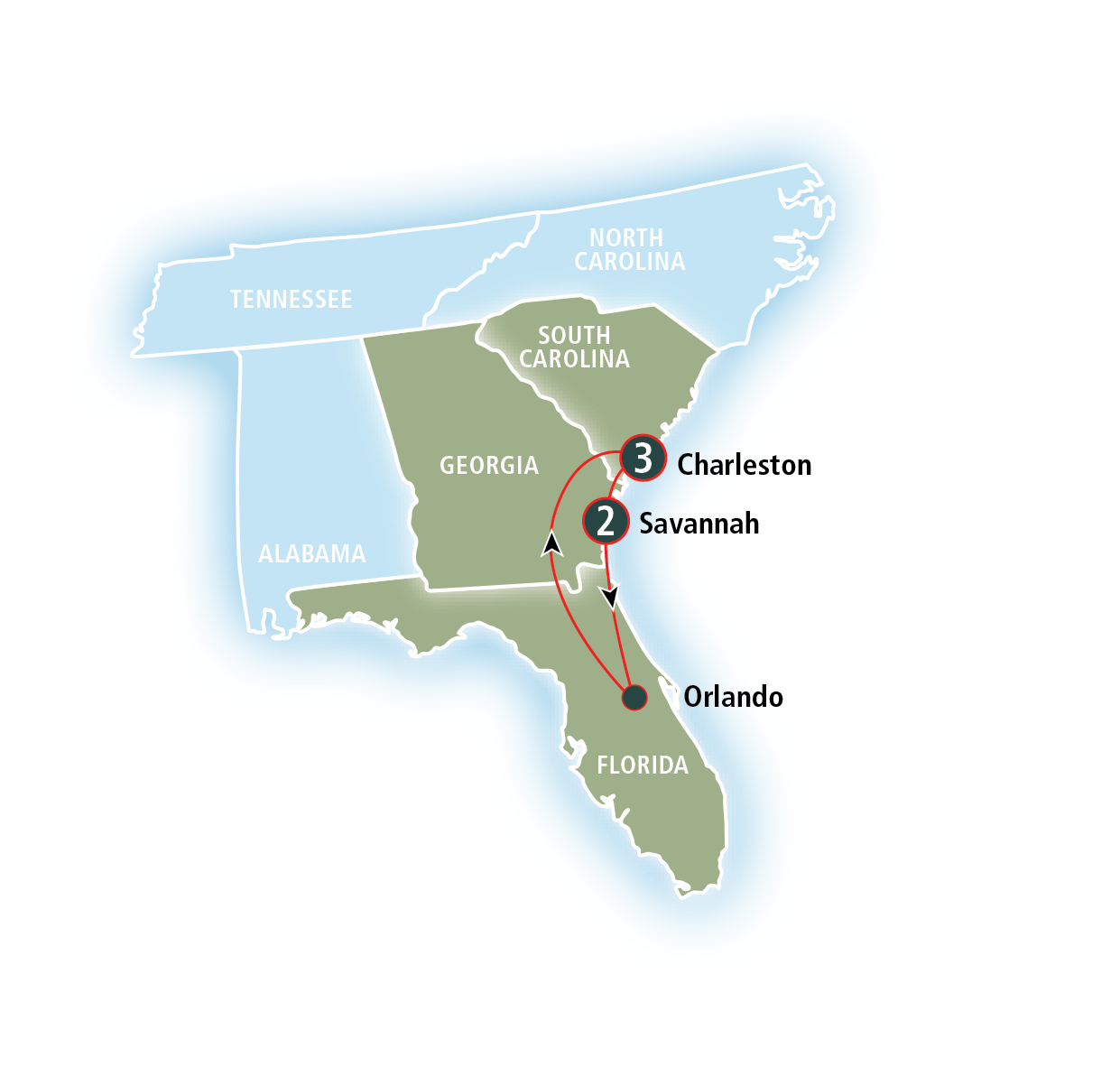
For those who enjoy coastal vistas and charming historic towns, the route primarily utilizing I-95 is ideal. From Charleston, travelers can head south on US-17 or connect directly to I-95. This path takes you through coastal Georgia, offering opportunities to explore places like Savannah and the Golden Isles.
- Pros: Access to historic cities, coastal views (though often slightly off the interstate), numerous dining and lodging options.
- Cons: I-95 can experience heavy traffic, especially during peak seasons or holidays, potentially extending travel times.
A typical drive from Charleston to Orlando via I-95 and I-4 is around 400 miles, taking approximately 6-7 hours without significant stops.
The Inland Route: Efficiency and Major Interstates
For travelers prioritizing speed and directness, particularly those starting from inland South Carolina or heading to inland Florida destinations, connecting to I-75 in Georgia might be more efficient. This route typically involves taking I-26 or I-20 from South Carolina west to connect with I-75 near Atlanta or further south.
- Pros: Generally less congested than I-95 (outside of Atlanta traffic), often a more direct path for destinations on Florida’s Gulf Coast.
- Cons: Fewer coastal attractions, though there are charming inland towns and natural areas in Georgia to explore.
From Greenville to Tampa, for example, the drive is about 570 miles and takes roughly 9-10 hours, largely via I-85 and I-75.
Estimating Driving Times and Factors Influencing Duration
Calculating precise driving times is an art, not a science, as numerous variables can impact your journey.
- Traffic: This is arguably the biggest factor. Major metropolitan areas like Charleston, Savannah, Jacksonville, and especially Orlando and Miami can experience significant congestion during rush hours or holiday weekends.
- Construction: Roadwork is a constant on major interstates and can lead to unexpected delays.
- Rest Stops and Breaks: Essential for safety and comfort, these stops add to the overall travel time. Factor in at least 15-30 minutes for every 2-3 hours of driving.
- Fuel Stops: Similarly, refueling takes time.
- Weather Conditions: Rain, fog, or even severe weather can slow down travel considerably.
- Pace of Travel: Some drivers prefer a slower, more relaxed pace, while others aim for maximum efficiency.
It’s always wise to add an extra 10-20% to any estimated driving time provided by GPS or mapping services to account for unforeseen circumstances and necessary breaks.

Essential Stops and Scenic Detours Along the Way
A road trip isn’t just about reaching the destination; it’s also about the journey itself. The corridor between South Carolina and Florida offers a wealth of opportunities for interesting stops and scenic detours.
Must-See Attractions in Coastal Georgia
If taking the I-95 route, Coastal Georgia provides some excellent spots to stretch your legs and immerse yourself in history and natural beauty.
- Savannah, Georgia: Just south of the South Carolina border, Savannah is renowned for its historic district, charming squares, antebellum architecture, and vibrant food scene. It’s an ideal place for an overnight stay or at least a long lunch and walking tour. Key attractions include Forsyth Park, River Street, and the Mercer Williams House Museum.
- Jekyll Island and St. Simons Island: Part of Georgia’s Golden Isles, these barrier islands offer beautiful beaches, historic sites, and outdoor activities. Jekyll Island boasts the historic Jekyll Island Club Resort and the Driftwood Beach, while St. Simons offers a charming village and lighthouse. These are slight detours off I-95 but well worth the extra time for those with a flexible schedule.
Inland Highlights for a Break
Even on the more direct inland routes, there are opportunities for engaging stops.
- Macon, Georgia: Located along I-75, Macon offers a rich musical heritage (home of the Allman Brothers Band and Otis Redding) and beautiful historic architecture. The Ocmulgee Mounds National Historical Park provides a fascinating look into ancient Native American history.
- Okefenokee National Wildlife Refuge: Near the Georgia-Florida border, this vast wilderness area is a paradise for nature lovers, offering opportunities for wildlife viewing, kayaking, and hiking. It’s a significant detour but offers a unique natural experience.
Preparing for the Drive: Practical Tips
Before hitting the road, a few preparations can make a big difference:
- Vehicle Check: Ensure your car is in good condition – tires, oil, fluids, and brakes should be checked.
- Navigation: While GPS is invaluable, having a physical map or downloaded offline maps can be a lifesaver in areas with spotty cell service.
- Snacks and Drinks: Pack a cooler with water and snacks to minimize stops and save money.
- Entertainment: Audiobooks, podcasts, and curated playlists can make long stretches of road more enjoyable.
- Emergency Kit: Jumper cables, a first-aid kit, flashlight, and basic tools are always good to have.
Beyond the Miles: What Awaits in Florida
Once you’ve navigated the distances and enjoyed the journey, Florida unfolds with an incredible array of experiences, cementing its status as a premier travel destination.
Diverse Florida Destinations
Florida’s appeal lies in its remarkable diversity, catering to virtually every type of traveler.
- Northeast Florida: Jacksonville offers urban attractions and beautiful beaches, while St. Augustine, the oldest continuously inhabited European-established settlement in the United States, provides a deep dive into colonial history with its Spanish architecture and historic fort, Castillo de San Marcos.
- Central Florida: This region is synonymous with world-class theme parks. Orlando is home to Walt Disney World Resort, Universal Orlando Resort, and SeaWorld Orlando. Beyond the parks, Orlando offers vibrant nightlife, shopping, and dining.
- Gulf Coast: Cities like Tampa, St. Petersburg, and Sarasota boast stunning white-sand beaches, cultural institutions like The Dalí Museum, and family-friendly attractions such as Busch Gardens Tampa Bay.
- South Florida: Miami dazzles with its Art Deco architecture, vibrant South Beach scene, and rich Latin culture. Further south, the Florida Keys offer a laid-back island vibe, incredible snorkeling and diving, and the unique charm of Key West.
- The Panhandle: Known as Florida’s Emerald Coast, this region features stunning emerald-green waters and sugar-white sands, with popular destinations like Destin and Panama City Beach.
Seamless Transitions: From Road Trip to Relaxation
The beauty of driving from South Carolina to Florida is the gradual transition from one distinct Southeastern landscape to another. As you cross the state line into Florida, you’ll notice subtle changes in vegetation, architecture, and the overall ambiance. This seamless transition allows travelers to adjust their mindset from the focus of the journey to the anticipation of the destination’s unique offerings. Whether it’s swapping driving gloves for swimming trunks or trading highway vistas for theme park thrill rides, Florida is ready to welcome you with open arms and endless possibilities.
Making the Most of Your Journey: Practical Travel Considerations
A successful road trip relies on thoughtful planning and preparation, transforming a simple drive into an integral part of the overall travel experience.
Planning Your Itinerary
The first step in any journey from South Carolina to Florida is to define your starting point and final destination. Once these are clear, utilize online mapping tools (like Google Maps or Waze) to estimate distances and driving times. Consider whether your trip will be a direct sprint or a leisurely multi-day adventure with planned stops.
- One-Day Drives: For destinations like Jacksonville or Orlando from southern South Carolina, a single day’s drive is feasible. Plan for early departures to beat traffic and maximize daylight hours.
- Multi-Day Journeys: If heading to South Florida from northern South Carolina, or if you wish to explore attractions along the way, plan an overnight stop. Savannah, Brunswick, or Jacksonville are excellent places to break up the drive, offering a range of accommodation and dining options.
Accommodation and Dining on the Route
The major interstates, particularly I-95 and I-75, are well-equipped with services. You’ll find numerous hotel chains ranging from budget-friendly options to more upscale establishments at most major exits. Similarly, dining choices abound, from fast food to local diners and sit-down restaurants.
- Booking Ahead: During peak travel seasons (spring break, summer, major holidays), it’s highly advisable to book accommodations in advance, especially in popular stopover cities.
- Local Cuisine: Don’t miss the opportunity to sample regional specialties. In Georgia, look for authentic Southern comfort food and fresh seafood along the coast.

Vehicle Preparation and Safety
Prioritizing vehicle maintenance and safety ensures a worry-free trip.
- Routine Maintenance: A pre-trip check-up by a trusted mechanic is recommended. Ensure tires are properly inflated, oil and other fluids are at optimal levels, and lights and wipers are functioning correctly.
- Emergency Kit: Beyond the basic tools, consider including a portable jump starter, tire pressure gauge, and roadside assistance information.
- Driver Fatigue: This is a major concern on long drives. Share driving duties if possible, take frequent breaks, and avoid driving when tired. Coffee and energy drinks are temporary fixes; proper rest is essential.
- Distraction-Free Driving: Keep your focus on the road. Avoid texting, excessive phone use, and other distractions.
By considering these practical aspects, the journey from South Carolina to Florida transforms from a mere drive into an enjoyable and memorable part of your overall travel experience, setting the stage for the adventures that await in the Sunshine State.
LifeOutOfTheBox is a participant in the Amazon Services LLC Associates Program, an affiliate advertising program designed to provide a means for sites to earn advertising fees by advertising and linking to Amazon.com. Amazon, the Amazon logo, AmazonSupply, and the AmazonSupply logo are trademarks of Amazon.com, Inc. or its affiliates. As an Amazon Associate we earn affiliate commissions from qualifying purchases.