
Embarking on a journey between two prominent cities in Illinois holds a certain appeal, especially when those cities are as distinct and significant as Springfield and Chicago. Whether you’re planning a weekend getaway, a business trip, or a deep dive into the historical heartland of the Prairie State, understanding the distance and travel dynamics between these two destinations is paramount. This comprehensive guide will not only answer the fundamental question of “How far is Springfield from Chicago, Il?” but also illuminate the various ways to bridge this gap, offering insights into travel, accommodation, and the unique experiences each city offers.
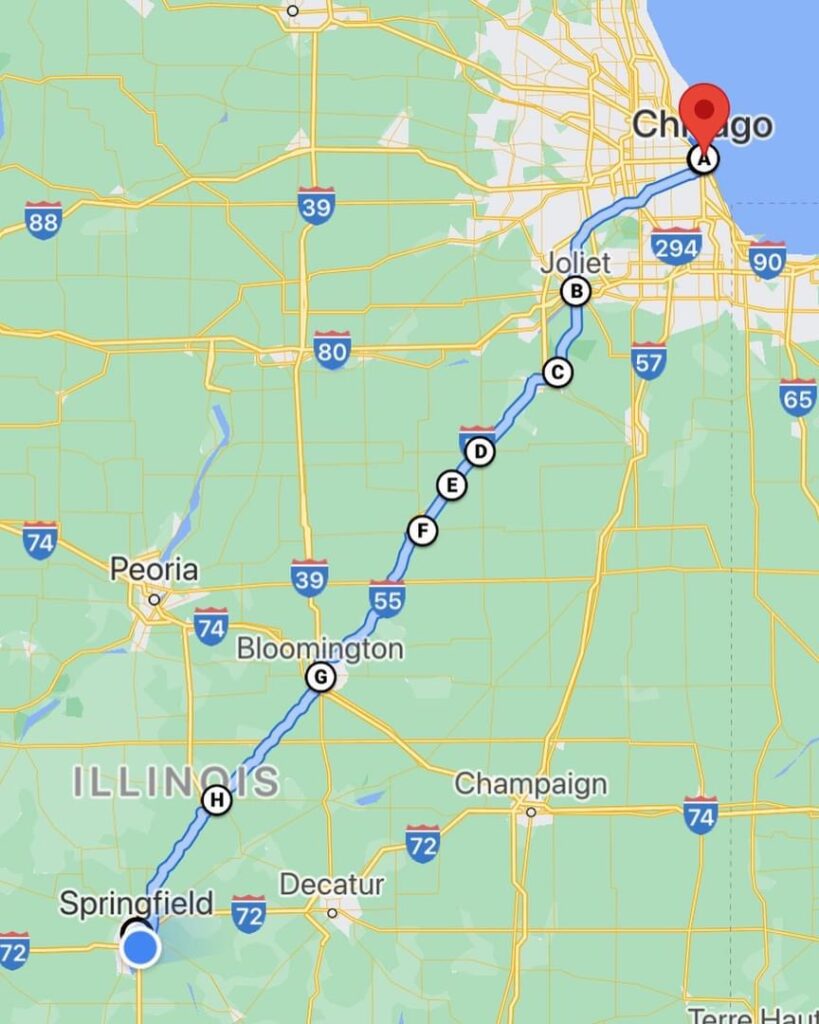
Understanding the Distance and Travel Time
The geographical separation between Springfield and Chicago is a key factor in planning any trip. Located in central Illinois, Springfield serves as the state capital and is renowned for its rich historical significance, particularly its association with Abraham Lincoln. Chicago, on the other hand, is a sprawling metropolis nestled on the shores of Lake Michigan, a global center for finance, culture, and architecture.
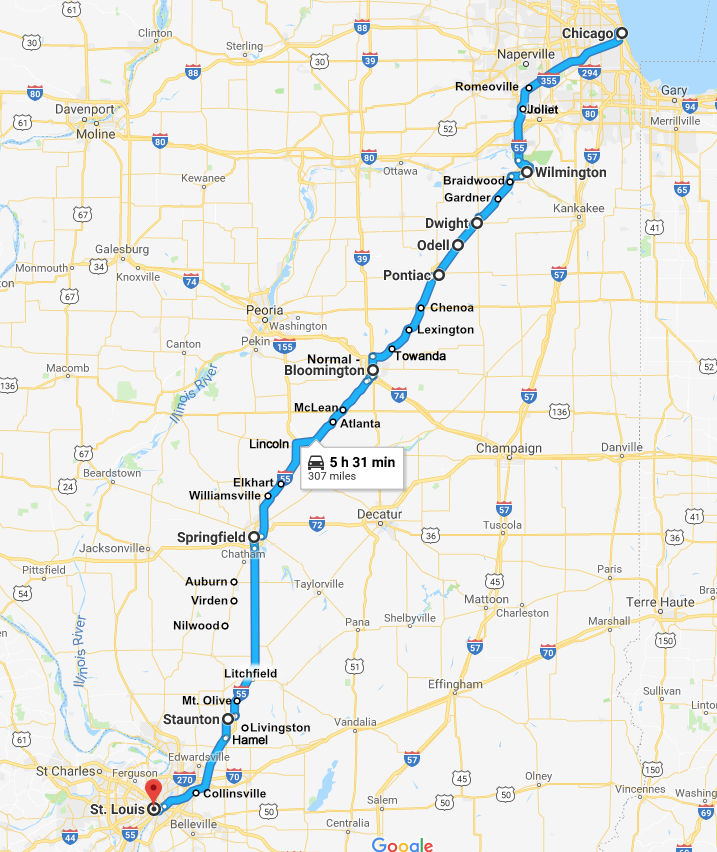
The approximate driving distance between Springfield and Chicago is about 200 miles (roughly 320 kilometers). This figure can vary slightly depending on the specific route taken and the starting and ending points within each city. The most common and direct route involves utilizing Interstate 55 (I-55), a major north-south expressway that efficiently connects these two vital hubs.
When driving, the estimated travel time is typically between 3 to 3.5 hours, assuming moderate traffic conditions. However, it’s crucial to factor in potential delays. Traffic on I-55 can become significantly heavier, especially during peak commuting hours in and around Chicago, or on weekends and holidays when travel volume increases. Planning your departure and arrival times strategically can make a considerable difference in your journey’s smoothness. For instance, leaving Chicago early on a Saturday morning or returning on a Sunday afternoon might offer a more relaxed drive than navigating rush hour traffic on a weekday.
Driving as a Primary Mode of Transport
For many travelers, driving offers the most flexibility. It allows for spontaneous stops, the transport of larger luggage, and the freedom to explore the surrounding areas at your own pace. The drive along I-55 is generally straightforward, passing through a mix of rural landscapes and smaller towns. Along the way, you might consider brief detours to explore charming roadside attractions or enjoy a meal in a local diner.
Key considerations for driving:
- Vehicle Readiness: Ensure your vehicle is in good condition, with regular maintenance checks, proper tire inflation, and sufficient fuel.
- Navigation: Utilize GPS or mapping applications for real-time traffic updates and route guidance.
- Rest Stops: Plan for breaks to stretch your legs and avoid driver fatigue. Numerous rest areas and service plazas are available along I-55.
- Tolls: While I-55 itself is largely toll-free in this corridor, be aware of potential tolls on connecting roads or within the Chicago metropolitan area.
Alternative Travel Options: Trains and Buses
For those who prefer to relax, read, or work during their journey, train and bus services provide excellent alternatives to driving. These options can often be more economical and environmentally friendly, while also eliminating the stress of navigating traffic and finding parking in Chicago.
Train Travel
Amtrak operates a popular route connecting Springfield and Chicago. The train service, often referred to as the Lincoln Service, offers a comfortable and scenic way to travel between the two cities. The journey typically takes around 3 to 3.5 hours, similar to driving, but without the hassle of traffic congestion.
Benefits of Amtrak:
- Comfort and Space: Amtrak trains offer more legroom than most buses and even some airplanes, allowing for a more comfortable journey.
- Onboard Amenities: Many trains feature Wi-Fi, dining car services, and lounge cars, making the trip more enjoyable.
- City Center to City Center: Amtrak stations are usually located in the heart of the cities, making it easy to access your final destination upon arrival. The Chicago Union Station is a major transportation hub, providing excellent connections to the city’s public transit system and surrounding areas. The Springfield station is conveniently located downtown, close to many attractions.
Bus Services
Several intercity bus companies, such as Greyhound and Megabus, also operate regular services between Springfield and Chicago. Bus travel is often the most budget-friendly option, making it an attractive choice for students, backpackers, and budget-conscious travelers.
Advantages of Bus Travel:
- Affordability: Bus tickets are generally the cheapest form of long-distance travel.
- Frequent Departures: Services are typically frequent, offering flexibility in scheduling.
- Accessibility: Bus stations are often centrally located, providing access to public transportation and city centers.
While bus travel might take slightly longer than driving or taking the train due to multiple stops, it remains a viable and cost-effective way to cover the distance between Springfield and Chicago.
Experiencing Springfield: A Journey into History and Culture
Once you’ve determined the distance and chosen your mode of transport, the next step is to anticipate what awaits you in Springfield. This city is deeply intertwined with the narrative of America’s 16th president, Abraham Lincoln, making it a pilgrimage site for history enthusiasts.
Landmarks and Historical Sites
Springfield boasts a remarkable collection of landmarks directly related to Abraham Lincoln‘s life and career. The most prominent among these is the Abraham Lincoln Presidential Library and Museum, a state-of-the-art facility that offers an immersive experience into Lincoln’s journey from humble beginnings to the presidency, culminating in his leadership during the Civil War. Nearby, the Lincoln Home National Historic Site preserves the only home Abraham Lincoln ever owned, offering a poignant glimpse into his family life.
Other significant historical sites include:
- Lincoln’s Tomb State Historic Site: The final resting place of Abraham Lincoln, his wife Mary Todd Lincoln, and three of their four sons. This imposing monument is a solemn and inspiring place to visit.
- Old State Capitol State Historic Site: The site of Lincoln’s famous “House Divided” speech and where his body lay in state after his assassination. The building has been meticulously restored to its 1840s appearance.
- Lincoln-Herndon Law Offices State Historic Site: Where Lincoln practiced law before his presidency.
Beyond Lincoln lore, Springfield also offers other attractions, such as the Dana-Thomas House, a stunning example of Frank Lloyd Wright architecture, showcasing his Prairie School style.
Local Culture and Cuisine
Springfield offers a taste of authentic Midwestern life. The local cuisine is robust and satisfying, with a particular fondness for barbecue. The city is famous for its unique style of “horseshoe” sandwich, an open-faced creation typically featuring ham or bacon, french fries, and a rich, cheesy sauce. Trying a horseshoe is a quintessential Springfield culinary experience.
The city also has a vibrant arts scene, with galleries, theaters, and live music venues providing entertainment. Exploring the downtown area, you’ll find local shops, cafes, and restaurants that reflect the city’s friendly and down-to-earth character.
Exploring Chicago: A Metropolis of Wonders
In contrast to Springfield’s historical focus, Chicago presents a dynamic urban landscape brimming with world-class attractions, diverse neighborhoods, and a thriving cultural scene. The journey from Springfield to Chicago is essentially a transition from the state’s historical roots to its modern, cosmopolitan heart.
Iconic Attractions and Architecture
Chicago is celebrated globally for its groundbreaking architecture. A must-do is an architectural boat tour on the Chicago River, which offers unparalleled views of iconic skyscrapers and their historical context. The city is home to numerous landmarks, including:
- Willis Tower (formerly Sears Tower): Once the tallest building in the world, its Skydeck offers breathtaking panoramic views of the city and, on a clear day, neighboring states.
- Millennium Park: Home to the famous “The Bean” sculpture (Cloud Gate), the Pritzker Pavilion, and the Crown Fountain, this urban oasis is a hub of art and activity.
- Art Institute of Chicago: Renowned for its vast collection of impressionist and post-impressionist masterpieces, alongside a diverse range of other art forms.
- Navy Pier: A vibrant entertainment hub featuring amusement rides, restaurants, shops, and the Chicago Children’s Museum.
- Magnificent Mile: A stretch of Michigan Avenue famous for its high-end shopping, dining, and luxury hotels.
Culinary Delights and Neighborhoods
Chicago’s food scene is as diverse as its population. From deep-dish pizza and the Chicago-style hot dog to Michelin-starred restaurants and ethnic enclaves, there’s something to satisfy every palate. Exploring distinct neighborhoods like Wicker Park, Lincoln Park, or Pilsen reveals unique culinary offerings and local charm.
Accommodation and Lifestyle
Whether you’re seeking luxury resorts, boutique hotels, or budget-friendly apartments, Chicago offers a vast array of accommodation options to suit every preference and budget. From lavish suites in downtown hotels to cozy apartments for long-term stays, the city caters to a wide spectrum of travelers. The lifestyle in Chicago is multifaceted, offering everything from upscale business stays and family adventures to vibrant nightlife and tranquil escapes along the lakefront.
In conclusion, the distance between Springfield and Chicago, Il, is approximately 200 miles, a journey that can be comfortably completed by car, train, or bus in about 3 to 3.5 hours. This relatively short distance belies the vastly different experiences these two cities offer, from Springfield’s deep historical roots and charming ambiance to Chicago’s dynamic urban energy and world-class attractions. Planning your trip with an understanding of these distances and the diverse travel and experiential opportunities will ensure a rich and rewarding visit to the Prairie State.
LifeOutOfTheBox is a participant in the Amazon Services LLC Associates Program, an affiliate advertising program designed to provide a means for sites to earn advertising fees by advertising and linking to Amazon.com. Amazon, the Amazon logo, AmazonSupply, and the AmazonSupply logo are trademarks of Amazon.com, Inc. or its affiliates. As an Amazon Associate we earn affiliate commissions from qualifying purchases.