
The vibrant state of Florida beckons travelers with its diverse offerings, from the theme park thrills of Orlando to the historic charm of Tallahassee. For many planning a Sunshine State adventure, understanding the geographical relationship between these two significant cities is crucial. Whether you’re considering a road trip, a quick getaway, or factoring travel time into your itinerary, knowing the distance between Tallahassee, Florida, and Orlando, Florida, is a fundamental piece of information. This article will delve into the specifics of this journey, exploring the various aspects that contribute to the travel experience between these two captivating destinations.

Understanding the Distance and Travel Time
The most direct answer to “How far is Tallahassee, Florida from Orlando, Florida?” revolves around the driving distance and the estimated time it takes to traverse it. These figures provide a baseline for planning any trip, whether you’re embarking on a leisurely scenic drive or aiming for efficiency.
Driving Distance and Time
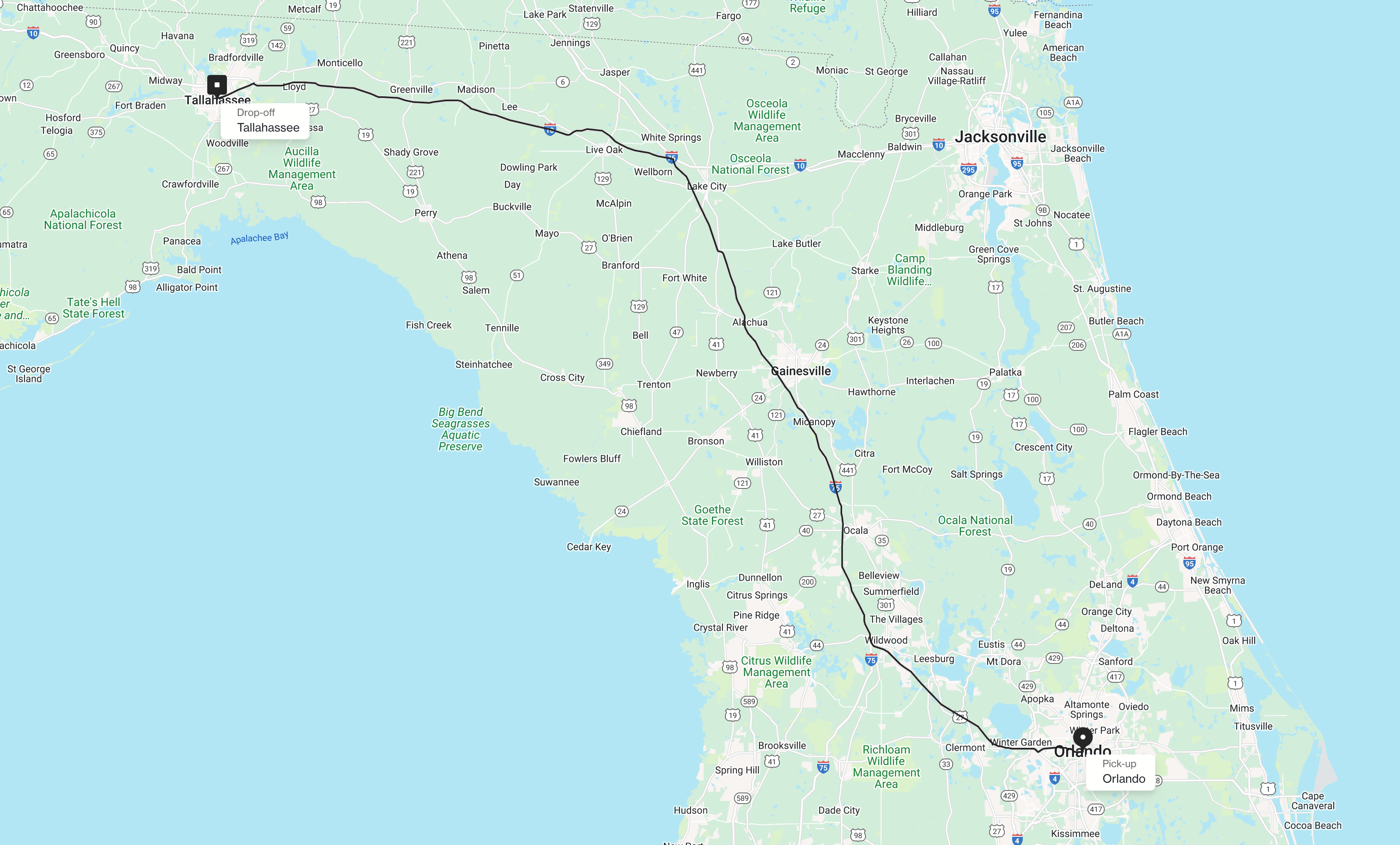
The typical driving distance between Tallahassee, Florida, and Orlando, Florida, is approximately 270 to 280 miles. This measurement can vary slightly depending on the exact starting and ending points within each city and the specific routes taken. For instance, navigating through the heart of Orlando might add a few miles compared to reaching its outskirts.
The estimated driving time without significant traffic or stops usually falls between 3.5 to 4.5 hours. This timeframe is, of course, a guideline. Real-world travel conditions can significantly influence the actual duration. Factors such as the day of the week, time of day, and any ongoing road construction or special events in either city or along the route can lead to delays. Weekends, holidays, and rush hour periods in Orlando can particularly impact travel times, potentially extending the journey.
The primary route connecting Tallahassee and Orlando is typically Interstate 10 (I-10) East to Interstate 75 (I-75) South, and then transitioning to Florida’s Turnpike South, or continuing on I-75 South to State Road 528 East (Beachline Expressway) towards Orlando. Each of these routes offers a different experience and may have varying toll charges. Drivers should consult real-time traffic applications to choose the most expedient path on their travel day.
Factors Influencing Travel Time
Beyond the sheer mileage, several factors can influence how long it actually takes to travel from Tallahassee to Orlando:
- Traffic Conditions: As mentioned, traffic is a major player. Orlando is a major tourist hub, and its surrounding roadways, especially near attractions like Walt Disney World Resort and Universal Orlando Resort, can experience congestion. Similarly, major highways leading into Tallahassee can also see increased volume during peak hours.
- Stops and Breaks: A 3.5 to 4.5-hour drive often doesn’t account for necessary stops. Drivers will likely need to pull over for fuel, rest, meals, or restroom breaks. Incorporating these into your estimated travel time is essential for a comfortable journey.
- Weather: Florida weather can be unpredictable. Heavy rain, thunderstorms, or even fog can slow down traffic and necessitate more cautious driving, thus increasing travel time.
- Road Construction: Ongoing road improvements and construction projects are a common occurrence on major Florida highways. These can create bottlenecks and detours, significantly extending your drive.
- Vehicle Performance: The type of vehicle you’re driving and its condition can also play a minor role. A well-maintained vehicle with good fuel efficiency will likely contribute to a smoother journey.
Exploring the Journey: Route Options and Experiences
The drive between Tallahassee and Orlando is more than just a transfer between two points; it’s an opportunity to experience different facets of Florida. Understanding the potential routes can help you tailor the journey to your preferences, whether you seek efficiency or a more scenic, engaging travel experience.
The Direct Route: I-10 to I-75 to Turnpike
The most common and generally quickest route involves taking I-10 East out of Tallahassee. You’ll continue on I-10 for a significant stretch before merging onto I-75 South. I-75 will then guide you south through the central part of the state. Depending on your final destination in Orlando, you might continue on I-75 until you reach a connecting highway like State Road 528 East (Beachline Expressway), which leads directly into the Orlando area, often near Orlando International Airport and the attractions to the east. Alternatively, you might opt to take Florida’s Turnpike South from I-75, which also provides access to various parts of Orlando and its surrounding attractions. This route is largely highway driving, characterized by consistent speed limits and readily available services at interchanges.
Alternative Routes and Scenic Detours
While the direct route is efficient, there are opportunities for those seeking a more diverse travel experience:
- US-27 South: For a more rural and potentially scenic experience, one could consider taking US-27 South for a portion of the journey. This route winds through smaller towns and agricultural landscapes, offering a glimpse into a different side of Florida. However, it is a significantly slower route with lower speed limits and fewer amenities. Combining parts of US-27 with other state roads and then connecting back to major highways might be an option for the adventurous traveler.
- Coastal Options (Extended Journey): While not a direct route and significantly increasing travel time, those with ample time might consider a more circuitous journey that incorporates parts of Florida’s coast. This would involve deviating significantly from the most direct path and is more of a multi-day trip concept rather than a single drive. For example, one could head towards the coast near Tampa Bay and then drive south along the coast before heading inland towards Orlando, but this would add many hours and miles.
When choosing a route, consider what you want from the journey. If speed is paramount, stick to the interstates. If you have more time and are interested in experiencing more of Florida‘s diverse landscapes and small-town charm, exploring alternative state roads might be rewarding.
Planning Your Trip: Accommodation and Activities in Orlando
Once you’ve determined the distance and chosen your route, the next logical step is to consider what awaits you in Orlando. This world-renowned destination offers a plethora of attractions and accommodation options, catering to every type of traveler.
Theme Park Paradise and Beyond
Orlando is synonymous with its world-class theme parks. The sheer scale of entertainment here is staggering:
- Walt Disney World Resort: This sprawling complex is home to four iconic theme parks: Magic Kingdom, Epcot, Hollywood Studios, and Animal Kingdom. Beyond the parks, it offers water parks like Typhoon Lagoon and Blizzard Beach, and the Disney Springs entertainment district.
- Universal Orlando Resort: Featuring Universal Studios Florida and Universal’s Islands of Adventure, this resort is famous for its thrilling rides and immersive movie-themed lands, including The Wizarding World of Harry Potter.
- SeaWorld Orlando: This marine-themed park offers a blend of animal encounters, exciting shows, and thrill rides.
- LEGOLAND Florida Resort: Located a short drive away in Winter Haven, LEGOLAND is a fantastic option for families with younger children who are fans of LEGO.
Beyond the theme parks, Orlando boasts a vibrant culinary scene, numerous shopping destinations, and natural attractions like Wekiwa Springs State Park for those seeking a break from the manufactured thrills.
Accommodation Choices in Orlando
The variety of hotels and resorts in Orlando is as vast as its entertainment options. Whether you’re looking for budget-friendly convenience or luxurious indulgence, you’ll find it here.
- Resorts: Many resorts offer extensive amenities, including multiple swimming pools, on-site dining, themed environments, and often direct transportation to theme parks. Examples range from the opulent Grand Floridian Resort & Spa at Walt Disney World to the vibrant Hard Rock Hotel Orlando at Universal Orlando Resort.
- Hotels: A wide spectrum of hotels exists, from major international chains offering standard amenities to boutique hotels with unique character. Many offer suites, family rooms, and various services catering to tourists.
- Vacation Rentals and Villas: For families or groups seeking more space and privacy, vacation rentals and villas are an excellent choice. These can include apartments, townhouses, and standalone homes with full kitchens and living areas, offering a more home-like experience. Websites like VRBO and Airbnb are popular platforms for finding such accommodations.
- Budget-Friendly Options: Numerous economy hotels and motels are strategically located, often along major thoroughfares like International Drive, providing comfortable stays at more accessible price points.
When booking your accommodation, consider its proximity to the attractions you plan to visit, the availability of transportation, and the amenities that are most important to your group. Reviews from other travelers can be invaluable in making an informed decision.
Tallahassee: A Glimpse into Florida’s Capital
While Orlando draws visitors with its entertainment, Tallahassee, the capital of Florida, offers a different, yet equally compelling, experience. Understanding its distance from Orlando allows for seamless integration into a broader Florida itinerary, whether you’re starting or ending your trip in this historic city.
Historical Significance and Natural Beauty
Tallahassee is rich in history, serving as the state capital since 1824. Its historical significance is evident in its well-preserved antebellum architecture and numerous museums.
- The Old Capitol Building: A beautifully restored landmark, the Old Capitol Building stands as a testament to Florida‘s political past. It now houses exhibits detailing the state’s legislative history.
- The New Capitol Building: Adjacent to the old, the modern Capitol Building offers panoramic views of the city from its observation deck.
- Museums: Tallahassee boasts a variety of museums, including the Tallahassee Museum, which showcases Florida‘s natural and cultural history through live animals, historic buildings, and nature trails. The Mary Brogan Museum of Science and Technology (MOSH) is another excellent option for interactive learning.
Beyond its historical sites, Tallahassee is renowned for its natural beauty, often referred to as “The Big Bend City” for its location in the northwestern part of the state.
- Parks and Trails: Numerous parks and nature preserves surround the city. Alfred B. Maclay Gardens State Park is famous for its stunning azalea and camellia blooms in the spring. Ochlockonee River State Park and Wakulla Springs State Park offer opportunities for canoeing, swimming, and wildlife viewing.
- Cascades Park: This urban park in downtown Tallahassee features fountains, walking trails, and a performance amphitheater, offering a beautiful green space for relaxation.
Accommodation and Lifestyle in Tallahassee
Accommodation in Tallahassee tends to be more geared towards business travelers, students attending Florida State University and Florida A&M University, and visitors exploring the state’s history and nature.
- Hotels: You’ll find a range of hotels, from well-known chains offering standard amenities to smaller, independent inns. Many are conveniently located near the state government buildings, universities, and major roadways.
- Bed & Breakfasts: For a more intimate experience, several charming bed and breakfasts offer a personalized touch.
- Long-Term Stays: While not as prevalent as in major tourist hubs, options for longer stays can be found, particularly for those on extended business or academic visits.
The lifestyle in Tallahassee is generally more laid-back than in a major metropolitan or tourist center like Orlando. It offers a balance of cultural attractions, outdoor activities, and a strong sense of community, making it an appealing destination for those who appreciate a more grounded travel experience.
In conclusion, the journey from Tallahassee, Florida, to Orlando, Florida, is a manageable drive that connects two distinct but complementary Florida experiences. Understanding the distance, planning your route, and being aware of the vast array of accommodations and attractions in Orlando will ensure a well-rounded and enjoyable trip. Whether your focus is on the magic of theme parks or the quiet dignity of the state capital, this distance is a bridge to a diverse and memorable Florida adventure.
LifeOutOfTheBox is a participant in the Amazon Services LLC Associates Program, an affiliate advertising program designed to provide a means for sites to earn advertising fees by advertising and linking to Amazon.com. Amazon, the Amazon logo, AmazonSupply, and the AmazonSupply logo are trademarks of Amazon.com, Inc. or its affiliates. As an Amazon Associate we earn affiliate commissions from qualifying purchases.