
Florida, the Sunshine State, is renowned for its diverse landscapes, vibrant cities, and endless attractions, drawing millions of visitors year-round. From the pristine beaches of the Gulf Coast to the historic charm of the Atlantic Coast, the state offers a mosaic of experiences. Among its major urban centers, Tampa on the west coast and Jacksonville in the northeast stand out as significant hubs for business, culture, and tourism. A common question for travelers and residents alike is the distance between these two prominent cities and the best ways to navigate the journey.

While the primary query is about the physical distance, understanding the travel options, potential stops, and the unique characteristics of each destination is crucial for planning any trip. This article delves into not just the mileage and drive time but also explores the various modes of transport, interesting landmarks along the way, and what makes Tampa and Jacksonville distinct and appealing places to visit or reside. Whether you’re planning a direct business trip, a leisurely family vacation, or a scenic road trip, navigating the expanse between these two Florida giants offers a fascinating glimpse into the state’s heart.
The Journey Between Florida’s Major Hubs: Distance and Drive Time
Understanding the exact distance and estimated travel time is the first step in planning any trip across Florida’s varied terrain. The route connecting Tampa and Jacksonville traverses significant portions of the state, offering different experiences depending on the chosen path.
Understanding the Core Distance
The approximate straight-line distance, or “as the crow flies,” between Tampa, located in Hillsborough County, and Jacksonville, the largest city by land area in Duval County, is roughly 170 miles (274 kilometers). However, for practical travel purposes, we consider the driving distance, which is naturally longer due to road networks.
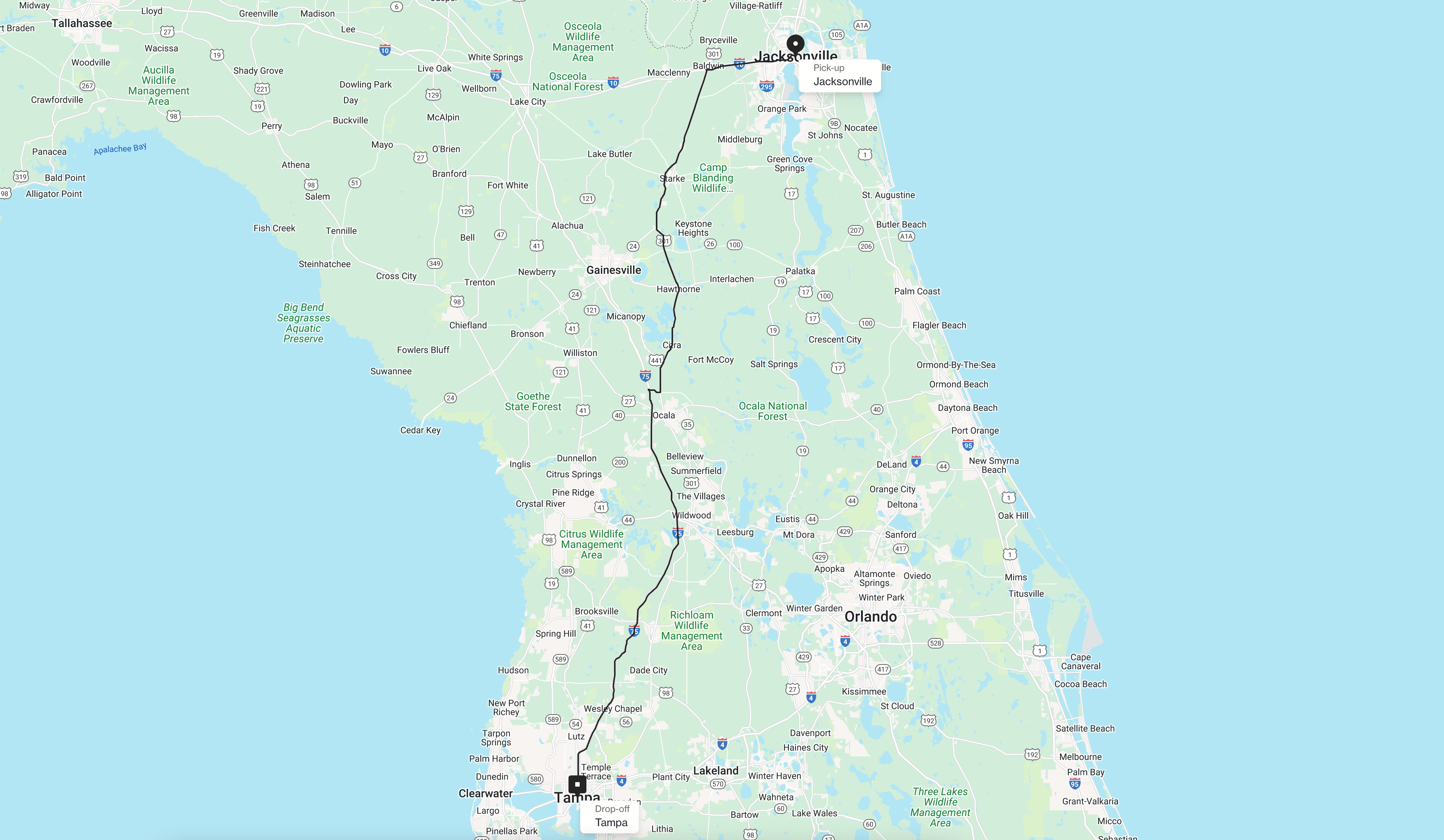
The most common and efficient driving routes typically range from 190 to 205 miles (306 to 330 kilometers). This journey usually translates to an estimated drive time of about 2.5 to 3.5 hours under ideal traffic conditions. The primary arteries connecting these cities are well-maintained interstate highways, ensuring a relatively smooth journey for most drivers.
There are two main routes travelers often choose from:
- Via I-75 North and I-10 East: This route involves taking Interstate 75 North from Tampa up towards Gainesville, then transitioning onto Interstate 10 East, which leads directly into Jacksonville. This path is often preferred for its straightforward nature and fewer urban interchanges once north of Tampa.
- Via I-4 East and I-95 North: This alternative route takes travelers through the heart of Central Florida, starting with Interstate 4 East from Tampa towards Orlando, then merging onto Interstate 95 North near Daytona Beach, continuing north to Jacksonville. While slightly longer in mileage and often prone to more traffic around Orlando, it offers opportunities for stops at major theme parks or coastal cities.
Factors Influencing Travel Time
While the base drive time is estimated, several factors can significantly impact the actual duration of your journey:
- Traffic Congestion: Florida’s major interstates, especially sections around urban areas like Tampa, Orlando, and even approaching Jacksonville, can experience heavy traffic, particularly during peak commuting hours (7-9 AM and 4-6 PM) and on weekends or holidays. This can add an hour or more to your travel time.
- Time of Day and Week: Departing early in the morning or late in the evening usually avoids the worst of the traffic. Weekday travel tends to be smoother than weekend travel, especially if passing through popular tourist corridors.
- Road Construction: Ongoing road improvements and construction projects are common on busy interstates. While beneficial in the long run, they can cause temporary delays and lane closures. Checking real-time traffic apps before and during your journey is highly recommended.
- Rest Stops and Breaks: For a drive of this length, most travelers will want at least one or two stops for fuel, food, or a restroom break. Factoring in 15-30 minutes per stop is essential for an accurate travel plan.
- Weather Conditions: Florida is known for its sudden, heavy afternoon thunderstorms, particularly during the summer months. These downpours can severely reduce visibility and lead to slower driving speeds, adding to travel time. Tropical storms or hurricanes, though less frequent, can also cause significant disruptions.
Navigating the Sunshine State: Diverse Travel Options
While driving is the most common and often preferred method of travel between Tampa and Jacksonville, various other transportation options cater to different preferences, budgets, and travel styles. Exploring these alternatives can provide flexibility and sometimes a more relaxed journey.
Driving: The Most Popular Choice
For many, driving remains the quintessential Florida travel experience. It offers unparalleled flexibility, allowing travelers to depart on their own schedule, make spontaneous stops, and carry as much luggage as needed. This freedom is especially appealing for family trips or those on a budget who prefer self-guided exploration.
- Personal Vehicle: Using your own car is often the most cost-effective if you already own one. Ensure your vehicle is in good condition, and plan for fuel stops, especially along less populated stretches of I-75 north of Tampa.
- Car Rentals: If you don’t have a personal vehicle or prefer not to use your own, numerous car rental agencies are available at both Tampa International Airport (TPA) and Jacksonville International Airport (JAX), as well as downtown locations. Renting a car provides the same flexibility without the wear and tear on your personal vehicle. Comparison websites can help find the best deals, often aligning with budget travel strategies.
- Road Trip Potential: The route offers opportunities for scenic detours. Instead of a direct point-to-point drive, consider turning it into a mini-road trip by exploring cities like Orlando, St. Augustine, or even the natural springs around Gainesville. This transforms a simple commute into a memorable travel experience, adding layers of local culture, historical landmarks, and natural beauty.
Alternative Modes of Transport
For those who prefer not to drive, or who are seeking more sustainable or economical options, several public transportation services connect Tampa and Jacksonville.
- Bus Services: Intercity bus lines offer a convenient and budget-friendly way to travel between the cities.
- Greyhound: A long-standing provider, Greyhound operates multiple daily routes between Tampa and Jacksonville. Travel times can range from 4 to 6 hours, depending on the number of stops. While slower than driving directly, it allows passengers to relax, work, or enjoy the scenery without the stress of navigation.
- FlixBus: This newer, often more modern service provides competitive pricing and comfortable coaches. FlixBus also offers routes connecting the two cities, sometimes with fewer stops, potentially reducing travel time compared to traditional bus lines.
Bus travel is an excellent option for budget travelers or those looking for a stress-free journey where someone else does the driving.
- Train Travel: Amtrak offers train service in Florida, connecting various cities. While it’s possible to travel by train between Tampa and Jacksonville, it’s not always the most direct or fastest option. Amtrak routes often involve connecting services or follow longer, more scenic paths. For those who enjoy the relaxed pace, spacious seating, and unique experience of rail travel, it can be a pleasant alternative, though often at a higher cost and longer duration than bus or direct driving.
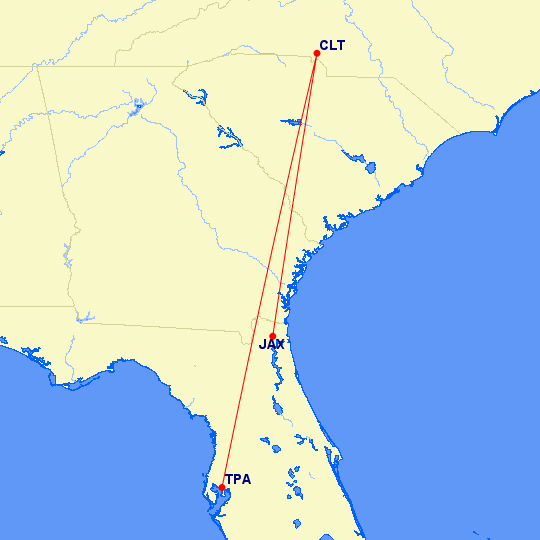
- Flying: Direct flights between Tampa International Airport (TPA) and Jacksonville International Airport (JAX) are generally not available or practical due to the relatively short distance. Most flights would involve a layover in another hub, making the overall travel time significantly longer and more expensive than driving. Flying is typically reserved for much longer distances or for connecting international travelers who happen to be passing through Florida.
Beyond the Drive: Exploring Stops and Destinations Along the Way
One of the great advantages of traveling by road between Tampa and Jacksonville is the opportunity to explore a myriad of attractions and landmarks scattered across Florida. Turning the journey into a multi-day adventure can enhance your travel experience, offering glimpses into Florida’s diverse culture, history, and natural beauty.
Central Florida’s Charms
If you opt for the route via I-4 and I-95, you’ll pass through the heart of Central Florida, an area teeming with world-famous attractions and unique cultural experiences.
- Orlando: The Theme Park Capital: Just over an hour east of Tampa on I-4, Orlando is an obvious stop for families and thrill-seekers. Home to Walt Disney World Resort and Universal Orlando Resort, among others, it offers unparalleled entertainment. Travelers could easily spend days here enjoying the parks, dining, and diverse accommodation options, from luxury resorts to budget-friendly apartments, making it a perfect hub for family trips.
- Lakeland: Architectural Gems: Located between Tampa and Orlando, Lakeland is known for its beautiful lakes and, notably, Florida Southern College, which boasts the largest single-site collection of Frank Lloyd Wright architecture in the world. It’s a fascinating stop for history and architecture enthusiasts.
- Gainesville: Nature and University Town: If you take the I-75 route, Gainesville makes for an excellent stop. Home to the University of Florida, the city has a vibrant college town atmosphere. More importantly, it’s surrounded by natural wonders, including incredible freshwater springs like Devil’s Den Spring, where you can snorkel or dive in an ancient underground spring, and Paynes Prairie Preserve State Park, offering vast expanses for hiking and wildlife viewing (including wild horses and bison). These natural landmarks provide a refreshing break from highway driving.
Coastal Detours and Historic Gems
For those taking the I-95 leg of the journey, or willing to venture slightly off the main interstate, Florida’s Atlantic Coast offers rich history and beautiful beaches.
- St. Augustine: America’s Oldest City: Just a short drive south of Jacksonville, St. Augustine is a must-see. Founded in 1565, it boasts an incredible array of historic sites, including the formidable Castillo de San Marcos, the historic Colonial Quarter, and picturesque cobblestone streets. Exploring St. Augustine offers a deep dive into local culture and Spanish colonial history, making it a captivating stop for any tourism enthusiast. Accommodation options here range from charming bed and breakfasts to luxurious historic hotels.
- Daytona Beach: Racing and Beaches: Famous for the Daytona International Speedway and its hard-packed sand beaches where vehicles were once allowed to drive, Daytona Beach is a vibrant destination. It’s a great spot for those interested in motorsports history or simply seeking a classic Florida beach experience.
- Kennedy Space Center Visitor Complex: A Journey to Space: While a bit further east and south from the direct I-95 route near Titusville (accessible via I-4 to SR-528), the Kennedy Space Center Visitor Complex offers an unparalleled experience for anyone fascinated by space exploration. It’s an iconic landmark and attraction that provides an insightful look into NASA’s past, present, and future endeavors.
- Crystal River & Homosassa Springs Wildlife State Park: Manatee Encounters: For those seeking unique nature experiences, a slight detour off I-75 to the west will lead to Crystal River, one of the few places where you can legally swim with manatees in their natural habitat. Nearby, Homosassa Springs Wildlife State Park is a rehabilitation center and sanctuary for Florida wildlife, providing close encounters with manatees, bears, panthers, and more.
Discovering Your Destination: Tampa vs. Jacksonville
Both Tampa and Jacksonville are major Florida cities, yet they each possess a distinct personality, offering different attractions, lifestyles, and tourism experiences. Understanding these differences can help travelers decide where to focus their time and what kind of accommodation best suits their needs.
Tampa: A Vibrant Gulf Coast Metropolis
Tampa, nestled along the shores of Tampa Bay on the Gulf Coast, is a dynamic city known for its rich history, bustling waterfront, and diverse cultural scene. It seamlessly blends historic charm with modern urban amenities.
- Attractions:
- Busch Gardens Tampa Bay: A major draw, this African-themed amusement park offers thrilling roller coasters and a vast zoo, providing entertainment for all ages.
- The Florida Aquarium: A world-class aquarium showcasing Florida’s aquatic ecosystems and global marine life, a perfect family attraction.
- Ybor City: A historic district famous for its Cuban cigar factories and vibrant nightlife. Ybor City offers a glimpse into Tampa’s unique cultural heritage, with flamenco dancers, authentic Cuban food, and lively bars. It’s a significant landmark and a hub for local culture.
- Tampa Riverwalk: This scenic promenade connects many of Tampa’s downtown attractions, including museums, parks, and restaurants, offering stunning views of the Hillsborough River.
- Accommodation: Tampa boasts a wide array of accommodation options. For luxury travel, resorts like The Ritz-Carlton, Tampa or the JW Marriott Tampa Water Street offer upscale experiences. Business stays are well-catered for with numerous downtown hotels, while family trips can find spacious suites or vacation rentals near attractions. Budget travel options are also plentiful, from comfortable hotels to extended-stay apartments.
- Food Scene: Tampa’s culinary landscape is as diverse as its population, offering everything from fresh Gulf seafood and authentic Cuban cuisine to upscale dining and casual eateries.
Jacksonville: The River City by the Sea
Jacksonville, known as the “River City by the Sea,” is Florida’s largest city by land area and offers a unique blend of urban sophistication, laid-back beach town vibes, and expansive natural beauty, particularly along the St. Johns River and the Atlantic Coast.
- Attractions:
- Beaches: Jacksonville is famed for its beautiful and expansive beaches, including Jacksonville Beach, Neptune Beach, and Atlantic Beach. These offer opportunities for surfing, sunbathing, fishing, and beachfront dining, catering to a relaxed lifestyle.
- Cummer Museum of Art & Gardens: This cultural gem features an impressive art collection spanning centuries, alongside stunning gardens overlooking the St. Johns River, making it a peaceful landmark for art and nature lovers.
- Jacksonville Zoo and Gardens: A popular family attraction, the zoo is home to over 2,000 rare and exotic animals and 1,000 varieties of plants, focusing on conservation and education.
- St. Johns River: Running through the heart of the city, the St. Johns River offers abundant recreational opportunities, from boating and fishing to river cruises, central to Jacksonville’s identity and tourism.
- Accommodation: Jacksonville offers diverse accommodation, from downtown hotels catering to business travelers, such as the Omni Jacksonville Hotel, to beachfront resorts like the luxurious Ponte Vedra Inn & Club just south of the city. Vacation rentals are popular near the beaches, offering options for long-term stays or larger groups.
- Food Scene: The city’s cuisine reflects its Southern roots and coastal location, with a strong emphasis on fresh seafood, barbecue, and diverse international flavors, complementing a laid-back lifestyle.
In conclusion, the journey from Tampa to Jacksonville is more than just a matter of distance; it’s an opportunity to experience the breadth of what Florida has to offer. Whether you choose the most direct route or opt for a meandering exploration of the state’s central and coastal treasures, this trip connects two vital and distinct Florida cities, each promising a wealth of attractions, unique local culture, and diverse accommodation options for every type of traveler. By considering the factors influencing travel time and embracing the spirit of adventure, your journey between these two hubs can be as enriching as the destinations themselves.
LifeOutOfTheBox is a participant in the Amazon Services LLC Associates Program, an affiliate advertising program designed to provide a means for sites to earn advertising fees by advertising and linking to Amazon.com. Amazon, the Amazon logo, AmazonSupply, and the AmazonSupply logo are trademarks of Amazon.com, Inc. or its affiliates. As an Amazon Associate we earn affiliate commissions from qualifying purchases.