
The vibrant metropolises of Tampa, Florida and Miami, Florida are two of the most sought-after destinations in the Sunshine State. While both offer a unique slice of Floridian life, they are separated by a considerable distance, impacting travel plans, road trip itineraries, and overall vacation logistics. Understanding this distance is crucial for anyone planning to experience the best of both Florida cities, whether for leisure, business, or an extended exploration of the state’s diverse offerings.
The Direct Distance and Travel Times
The most fundamental question for travelers contemplating a journey between these two iconic cities is the sheer mileage and the time it takes to cover it. This fundamental data point informs every subsequent travel decision, from choosing transportation to allocating vacation days.

Driving Distance: A Scenic Route Unveiled
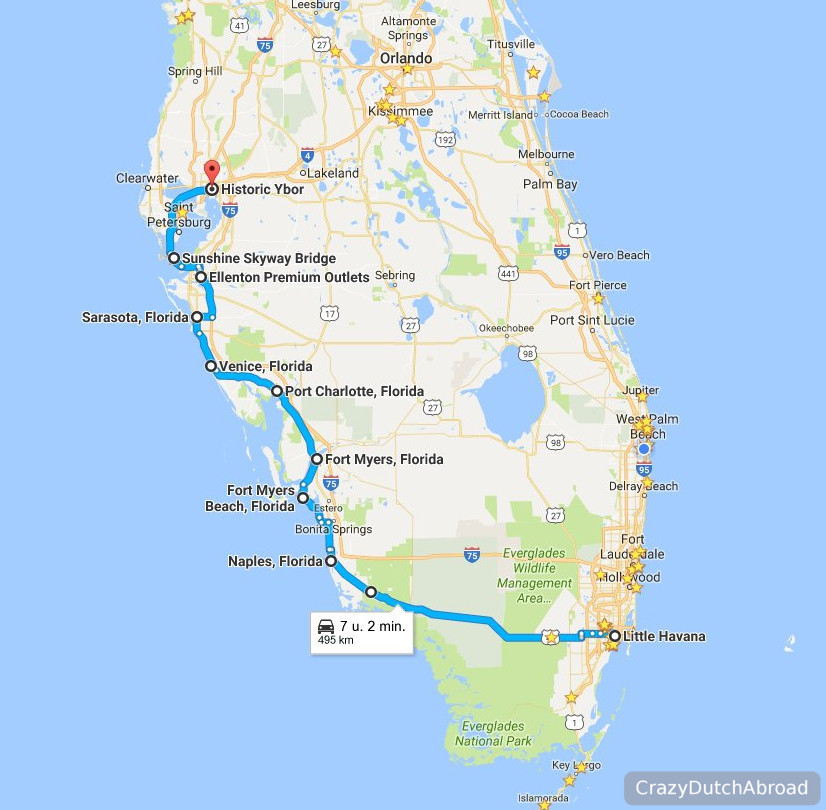
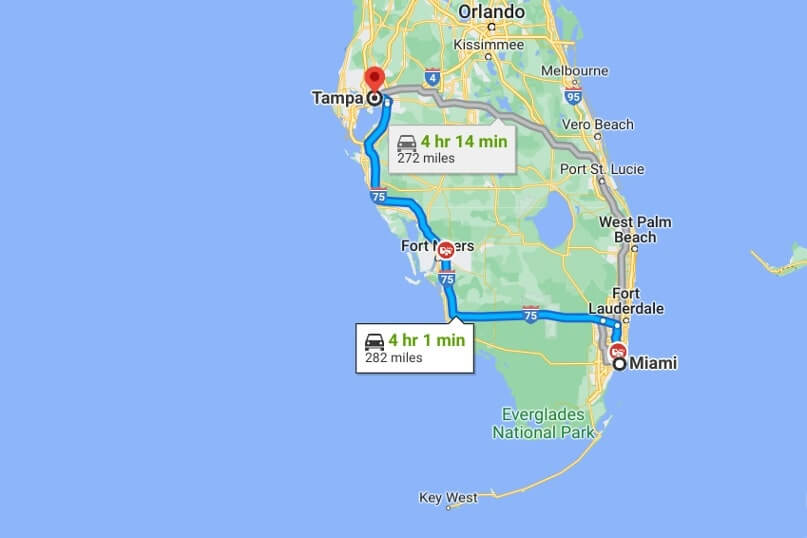
The most common way to traverse the distance between Tampa and Miami is by car. The typical driving route follows major highways, primarily Interstate 75 (I-75) for a significant portion of the journey before diverging towards the final destination. The estimated driving distance is approximately 280 to 300 miles, depending on the specific starting and ending points within each city and the chosen route. This range accounts for variations in urban navigation and adherence to specific highway paths.
Estimated Driving Time: Accounting for the Unexpected
While GPS estimates might suggest a lower figure, the actual driving time between Tampa and Miami usually falls between 4 and 5 hours. This estimate is a baseline that assumes optimal traffic conditions and minimal stops. Realistically, travelers should factor in potential delays, especially during peak travel seasons, holidays, or if their journey coincides with rush hour in either urban center or along the bustling corridors connecting them. It’s always prudent to add a buffer of at least 30 minutes to an hour to avoid arriving late for pre-booked activities or accommodations.
Factors Influencing Travel Time: Beyond the Mileage
Several factors can significantly influence the actual travel time between these two major Florida hubs. Understanding these variables allows for more accurate planning and a less stressful travel experience.
Traffic Congestion: The Urban Obstacle
Both Tampa and Miami are large, densely populated metropolitan areas, and the routes connecting them pass through or near other significant urban centers. Fort Lauderdale, for instance, is a major city along the path, and its own traffic patterns can impact the overall journey. Drivers should be prepared for slowdowns, particularly during morning and evening commutes. Utilizing real-time traffic apps can be invaluable for navigating these congested areas efficiently.
Road Construction and Detours: The Unforeseen Delays
Like any major transportation network, the highways connecting Tampa and Miami are subject to ongoing maintenance and construction projects. These can lead to temporary lane closures, reduced speed limits, and sometimes, significant detours that add unexpected mileage and time to the trip. Keeping an eye on local traffic reports or utilizing navigation systems that provide real-time updates on road work can help mitigate these disruptions.
Pit Stops and Breaks: The Human Element
A 4-5 hour drive is a substantial amount of time, and most travelers will need to make at least one or two stops for fuel, rest breaks, or meals. Strategically planning these stops at convenient rest areas or along the route at towns offering desired amenities can help maintain a steady pace. Overestimating the need for breaks can also prevent fatigue and ensure a safer journey.
Alternative Travel Options: Beyond the Steering Wheel
While driving is a popular choice, it’s not the only way to get from Tampa to Miami. For those who prefer not to drive or seek a more efficient travel solution, alternative modes of transport are available.
Air Travel: The Fastest Route
For those prioritizing speed, flying between Tampa and Miami is the most time-efficient option. Tampa International Airport (TPA) and Miami International Airport (MIA) are major hubs with frequent direct flights. The flight duration itself is typically very short, around 1 hour. However, it’s essential to factor in the time required for getting to the airport, check-in, security, boarding, deplaning, and traveling from the destination airport to your final lodgings. All told, the total travel time, including airport procedures, can often rival or even exceed the driving time for shorter distances, but for this specific journey, it remains the quickest option.
Bus Services: A Budget-Friendly Choice
Several intercity bus companies operate routes between Tampa and Miami, offering a more budget-friendly alternative to driving or flying. The journey by bus can be considerably longer than driving, often taking 6 to 8 hours, due to multiple stops and potentially slower speeds. However, for travelers on a tight budget or those who enjoy relaxing and watching the scenery pass by without the stress of driving, this is a viable and comfortable option. Many modern bus services offer amenities like Wi-Fi and power outlets, making the journey more pleasant.
Train Travel: A Relaxing Experience
While not as direct or frequent as other options, train travel via Amtrak can also connect Tampa and Miami. The train journey can be a more leisurely and scenic experience, allowing passengers to stretch their legs and enjoy the ride. However, train routes often involve transfers and can take longer than driving, with journey times often exceeding 6-7 hours. This option is best suited for travelers who have ample time and value the experience of train travel.
Planning Your Trip: Bridging the Distance
The distance between Tampa and Miami necessitates careful planning, especially for travelers aiming to experience both destinations within a single vacation. The decision of how to travel and how much time to allocate depends heavily on individual priorities, budget, and the overall itinerary.
Road Trip Itineraries: Exploring Along the Way
A road trip between Tampa and Miami offers a fantastic opportunity to explore the diverse landscapes and attractions that Florida has to offer beyond its two major cities. The route, primarily following I-75 and then connecting to the Florida Turnpike or other major roads towards Miami, passes through a variety of towns and natural areas.
Notable Stops and Attractions: Making the Journey Memorable
- Sarasota: A charming coastal city known for its beautiful beaches, vibrant arts scene, and attractions like the Marie Selby Botanical Gardens and the The Ringling.
- Fort Myers: Home to the historic homes of Thomas Edison and Henry Ford, as well as the beautiful beaches of Sanibel Island.
- Naples: An upscale Gulf Coast city renowned for its pristine beaches, high-end shopping, and the iconic Naples Pier.
- The Everglades: While a detour, a visit to the vast Everglades National Park offers a unique opportunity to experience Florida’s wild side, with airboat tours and wildlife viewing.
- Boca Raton: An elegant city with beautiful architecture and beaches, offering a glimpse into a more refined Florida lifestyle.
These stops can transform a simple transit between cities into an adventure, breaking up the drive and allowing for deeper exploration of the state.
Accommodations Along the Route: Rest and Recharge
For those planning a multi-day road trip, numerous accommodation options are available along the route. From budget-friendly motels and chain hotels to more unique boutique inns and vacation rentals, travelers can find places to rest and recharge. Popular cities like Sarasota, Fort Myers, and Naples offer a wide range of hotels, resorts, and apartments catering to various budgets and travel styles. Booking accommodations in advance, especially during peak season, is highly recommended.
Integrating Both Cities into a Vacation: A Tale of Two Floridas
Tampa and Miami represent two distinct facets of the Florida experience. Tampa, on the Gulf Coast, offers a more relaxed, family-friendly atmosphere with attractions like Busch Gardens Tampa Bay, The Florida Aquarium, and the historic Ybor City. Its beaches, such as those in Clearwater and St. Pete Beach, are known for their soft sand and calm waters.
Miami, on the Atlantic coast, pulsates with an international energy, renowned for its vibrant nightlife, Art Deco architecture in South Beach, world-class dining, and diverse cultural influences from Latin America and the Caribbean. Attractions here include Wynwood Walls, the Vizcaya Museum & Gardens, and the bustling atmosphere of Little Havana.
Combining both cities into one trip allows for a comprehensive understanding of what makes Florida such a popular travel destination. Travelers might choose to spend a few days exploring the family-friendly attractions and beaches of Tampa before heading south to immerse themselves in the vibrant, cosmopolitan scene of Miami. This duality offers a rich tapestry of experiences, from theme park thrills and aquarium wonders to energetic city life and stunning coastal beauty.
Choosing Accommodation: Tailoring to Your Stay
When planning to visit both Tampa and Miami, selecting the right accommodation in each city is paramount to enjoying your stay. In Tampa, options range from luxurious resorts near the coast like those in Clearwater to family-friendly hotels in the city center and apartments in historic districts like Ybor City. For those seeking upscale experiences, the Seminole Hard Rock Hotel & Casino Tampa offers entertainment and luxury.
In Miami, the accommodation landscape is equally diverse. South Beach is famous for its iconic Art Deco hotels and luxury beachfront resorts, such as the Fontainebleau Miami Beach and the Loews Miami Beach Hotel. Downtown Miami and the Brickell area offer modern hotels and serviced apartments ideal for business travelers and those seeking urban convenience. For a more bohemian vibe, accommodations in areas like Wynwood or near Little Havana can provide a unique cultural immersion. The choice of accommodation in each city will greatly influence the overall travel experience and the ability to access local attractions and tourism activities.
The distance between Tampa, Florida and Miami, Florida is more than just a number; it’s a factor that shapes the very nature of a Florida vacation. By understanding the travel times, considering various transport options, and planning intelligently, visitors can effectively bridge this gap and enjoy the distinct charms of both these magnificent cities.
LifeOutOfTheBox is a participant in the Amazon Services LLC Associates Program, an affiliate advertising program designed to provide a means for sites to earn advertising fees by advertising and linking to Amazon.com. Amazon, the Amazon logo, AmazonSupply, and the AmazonSupply logo are trademarks of Amazon.com, Inc. or its affiliates. As an Amazon Associate we earn affiliate commissions from qualifying purchases.