
Central Florida is a vibrant tapestry of world-class attractions, bustling urban centers, and stunning natural beauty. At its heart lie two of the state’s most iconic cities: Orlando, famous for its theme parks and entertainment, and Tampa, a dynamic coastal city known for its rich history, burgeoning food scene, and beautiful waterfront. For many travelers, the question isn’t whether to visit one or the other, but rather how to seamlessly experience both. A common query for those planning a Sunshine State adventure is precisely how far apart these two major hubs are, and what that means for travel logistics.

The good news is that Orlando and Tampa are relatively close, making a dual-city itinerary not just feasible but highly recommended. The distance between the two cities is a comfortable drive, connecting distinct experiences that cater to diverse interests, from thrill-seekers and nature lovers to history buffs and foodies. Understanding this journey is the first step in unlocking a comprehensive Florida adventure.
The Geographic Reality: Distance and Driving Time
The distance between Orlando and Tampa is quite manageable, making it an ideal route for a day trip or as part of a longer multi-city vacation. While the exact mileage can vary slightly depending on your specific starting point and destination within each metropolitan area, the general consensus places them within easy reach of each other.
Direct Routes and Major Highways
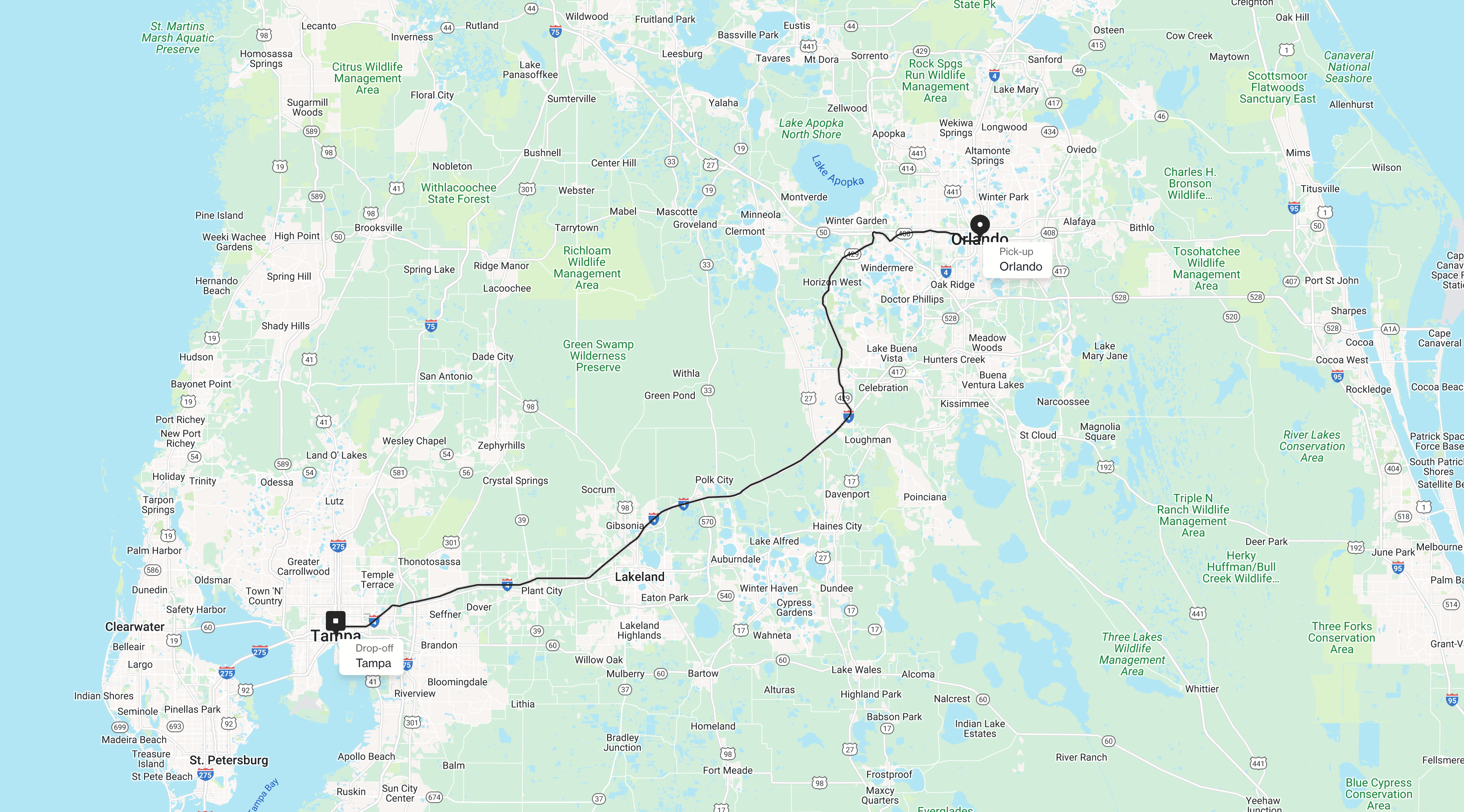
The primary artery connecting Orlando and Tampa is Interstate 4 (or I-4). This major east-west highway spans approximately 80 to 90 miles (128 to 145 kilometers) between the two city centers. It’s a direct and generally well-maintained route, forming the backbone of transportation in central Florida.
Under ideal driving conditions, with light traffic and no significant delays, the journey typically takes about 1 hour and 15 minutes to 1 hour and 45 minutes. This relatively short travel time is one of the main reasons why combining visits to both cities is so popular among visitors and locals alike. While other routes might exist, I-4 remains the most direct and efficient option for most travelers.
Factors Influencing Travel Time
While the direct distance is a constant, the actual time it takes to travel between Orlando and Tampa can fluctuate significantly due to several key factors:
- Traffic Congestion: I-4 is a heavily trafficked highway, especially during peak hours. Morning and afternoon rush hours (typically 7-9 AM and 4-6 PM) can add considerable time to your journey. Weekends, particularly during major events or holiday periods, can also see increased traffic volume. Planning your travel during off-peak times is highly recommended to minimize delays.
- Road Construction: As a vital transportation corridor, I-4 is almost continuously undergoing improvements and expansion projects. While these efforts aim to enhance future travel, they can lead to temporary lane closures, detours, and slowdowns in the short term. It’s wise to check local traffic reports or GPS apps before embarking on your trip.
- Time of Day: As mentioned, the time of day plays a critical role. A mid-day or late-morning departure will generally be faster than a trip during rush hour.
- Tolls: While I-4 itself is mostly toll-free, some alternative routes or express lanes might involve tolls. For instance, Florida’s Turnpike runs parallel to portions of I-4 and is a toll road, offering a potentially faster (but pricier) alternative for some segments of your journey, though it doesn’t directly connect the downtowns as efficiently as I-4.
Navigating the Journey: Transportation Options
Traveling between Orlando and Tampa offers a variety of transportation choices, each with its own advantages in terms of cost, convenience, and flexibility. Selecting the best option depends on your budget, schedule, and personal preferences.
Driving Your Own Vehicle or Rental Car
For most travelers, driving is the preferred method of transport between Orlando and Tampa.
Pros:
- Flexibility: You control your schedule, departure times, and can make stops along the way.
- Convenience: Especially beneficial for families with luggage or those needing to transport theme park gear.
- Accessibility: Direct door-to-door travel, allowing easy access to attractions and accommodations not served by public transport.
Cons: - Cost: Fuel expenses, potential tolls, and car rental fees (if applicable).
- Parking: Finding and paying for parking in both cities can add to the cost and complexity.
- Traffic: As discussed, navigating I-4 traffic can be stressful during peak hours.
Bus Services
Several intercity bus companies provide regular service between Orlando and Tampa, offering an economical alternative to driving.
Pros:
- Affordability: Bus tickets are generally the cheapest option, making it ideal for budget-conscious travelers.
- Environmentally Friendly: A more sustainable choice compared to individual car travel.
- Relaxation: You can sit back, read, or work without the stress of driving.
Cons: - Fixed Schedules: Less flexible than driving; you must adhere to departure and arrival times.
- Travel Time: Bus journeys can sometimes take longer than driving due to multiple stops or indirect routes.
- Comfort: While modern buses are comfortable, they may not offer the same privacy as a personal vehicle.
- Popular operators include Greyhound and FlixBus, with stops at central stations in both cities.
Ride-Sharing and Taxis
For those who prefer not to drive but value door-to-door service, ride-sharing apps (like Uber or Lyft) and traditional taxi services are available.
Pros:
- Convenience: Pick-up and drop-off exactly where you need it.
- No Driving Stress: You can relax and enjoy the ride.
Cons: - Cost: Significantly more expensive than bus travel, especially for a single passenger. Surge pricing can also apply during high demand.
- Availability: While generally readily available, wait times can vary, especially in less central locations.
This option is best suited for small groups who can split the fare, or for those prioritizing convenience over cost.
Train Travel
Amtrak offers train service between Orlando and Tampa.
Pros:
- Comfort and Space: Trains typically offer more legroom and the ability to move around compared to buses or cars.
- Scenic Route: A different perspective of the Florida landscape.
- Relaxing Experience: Avoids highway traffic entirely.
Cons: - Limited Schedule: Fewer daily departures compared to buses or driving.
- Travel Time: Train journeys can sometimes be longer than driving due to track routes and stops.
- Station Locations: Train stations may not be as centrally located or convenient as bus stops or personal car access, requiring additional transportation to your final destination.
While an option, it’s generally not the quickest or most direct for this specific city pair due to Florida’s’s rail infrastructure.
Air Travel (Brief Mention)
Flying between Orlando International Airport (MCO) and Tampa International Airport (TPA) is almost universally impractical. The flight time itself would be minimal, but the entire process of getting to the airport, checking in, going through security, flying, landing, and then arranging transport from the arrival airport to your final destination in the city far outweighs the time and cost savings of driving or taking a bus. For such a short distance, air travel is neither economical nor efficient.
Beyond the Miles: Why Travel Between Orlando and Tampa?
The ease of travel between Orlando and Tampa makes combining these two cities into a single itinerary highly appealing. Each city offers a distinct flavor of Florida, providing a well-rounded travel experience.
Orlando’s World-Renowned Attractions
Orlando is globally recognized as the “Theme Park Capital of the World,” drawing millions of visitors each year.
- Theme Parks: Home to iconic destinations like Walt Disney World Resort (including Magic Kingdom, Epcot, Hollywood Studios, and Animal Kingdom) and Universal Orlando Resort (featuring Universal Studios Florida and Islands of Adventure), Orlando offers unparalleled entertainment for all ages.
- Other Attractions: Beyond the major parks, Orlando boasts numerous other attractions, including world-class shopping, diverse dining experiences, and a vibrant nightlife, making it a complete vacation destination in itself.
Tampa’s Coastal Charms and Urban Appeal
Tampa, on the other hand, offers a blend of historical charm, cultural richness, and vibrant waterfront activities.
- Theme Parks & Zoos: Tampa’s own major theme park, Busch Gardens Tampa Bay, combines thrilling rides with an extensive zoo, offering a different kind of adventure.
- Historic Districts: Explore the historic cobblestone streets of Ybor City, a National Historic Landmark District known for its Cuban heritage, cigar factories, and lively nightlife.
- Waterfront & Culture: The beautiful Riverwalk stretches along the Hillsborough River, connecting museums, parks, restaurants, and the Tampa Bay History Center. The city also offers access to stunning Gulf Coast beaches like Clearwater Beach and St. Pete Beach, just a short drive away.
- Culinary Scene: Tampa’s food scene is booming, with everything from fresh seafood to innovative farm-to-table restaurants and classic Cuban eateries.
Combining the Best of Central Florida
Traveling between Orlando and Tampa allows visitors to create a truly comprehensive Florida experience. Imagine starting your trip with the magic of Walt Disney World Resort, then heading west to explore the wild rides of Busch Gardens Tampa Bay and relaxing on the white sands of Clearwater Beach. This proximity enables diverse itineraries, from a quick day trip to an extended multi-city adventure, ensuring you capture the essence of both inland entertainment and coastal charm.
Practical Tips for a Smooth Journey
To make your trip between Orlando and Tampa as enjoyable and stress-free as possible, consider these practical tips:
Best Times to Travel
- Avoid Rush Hour: As previously mentioned, try to schedule your drive outside of the weekday morning (7-9 AM) and afternoon (4-6 PM) rush hours.
- Mid-Week Travel: Tuesday, Wednesday, and Thursday typically see lighter traffic than Mondays or Fridays.
- Check Event Calendars: Large events in either city (e.g., major concerts, sporting events, conventions) can significantly impact traffic on I-4 and surrounding roads.
Essential Road Trip Preparations (If Driving)
- GPS/Navigation: Use a reliable GPS app (Google Maps, Waze, Apple Maps) to get real-time traffic updates and estimated travel times.
- Vehicle Check: Ensure your vehicle is in good working order, especially if you’re driving a rental car.
- Snacks and Drinks: Keep refreshments handy, especially if traveling with children.
- Entertainment: Load up your playlist or podcasts for the journey.
- Emergency Kit: A basic emergency kit (first aid, jumper cables, flashlight) is always a good idea.

Tolls and Payment Options
While I-4 itself is largely toll-free, some express lanes or alternative routes (like parts of Florida’s Turnpike) do require tolls.
- Toll Transponders: Consider getting a SunPass or E-Pass if you’re renting a car or frequently traveling on Florida toll roads. These electronic transponders offer discounted rates and allow for seamless travel through electronic toll gantries.
- Cash Lanes: Be aware that many toll roads in Florida are moving towards “cashless” systems. While some still accept cash, relying on a transponder or “Toll-By-Plate” (where a bill is mailed to the registered owner of the vehicle) is becoming more common. Check with your rental car company regarding their toll policies.
The journey between Orlando and Tampa is more than just covering a few miles; it’s an opportunity to experience the incredible diversity that central Florida has to offer. Whether you’re chasing thrills, soaking up culture, or simply enjoying the sunny landscapes, the road connecting these two cities is a gateway to unforgettable travel memories.
LifeOutOfTheBox is a participant in the Amazon Services LLC Associates Program, an affiliate advertising program designed to provide a means for sites to earn advertising fees by advertising and linking to Amazon.com. Amazon, the Amazon logo, AmazonSupply, and the AmazonSupply logo are trademarks of Amazon.com, Inc. or its affiliates. As an Amazon Associate we earn affiliate commissions from qualifying purchases.