
Embarking on a journey across Florida‘s vibrant central corridor, the question of “How far is Tampa to Orlando?” is one of the most frequently asked by travelers planning their Sunshine State adventure. These two iconic cities, anchors of Florida’s tourism and business landscapes, are closer than you might think, making a combined visit not just possible but highly recommended. Whether you’re chasing the thrill of world-class theme parks, unwinding on pristine Gulf Coast beaches, or diving into rich cultural experiences, the path between Tampa and Orlando is a well-trodden route offering diverse landscapes and exciting opportunities.

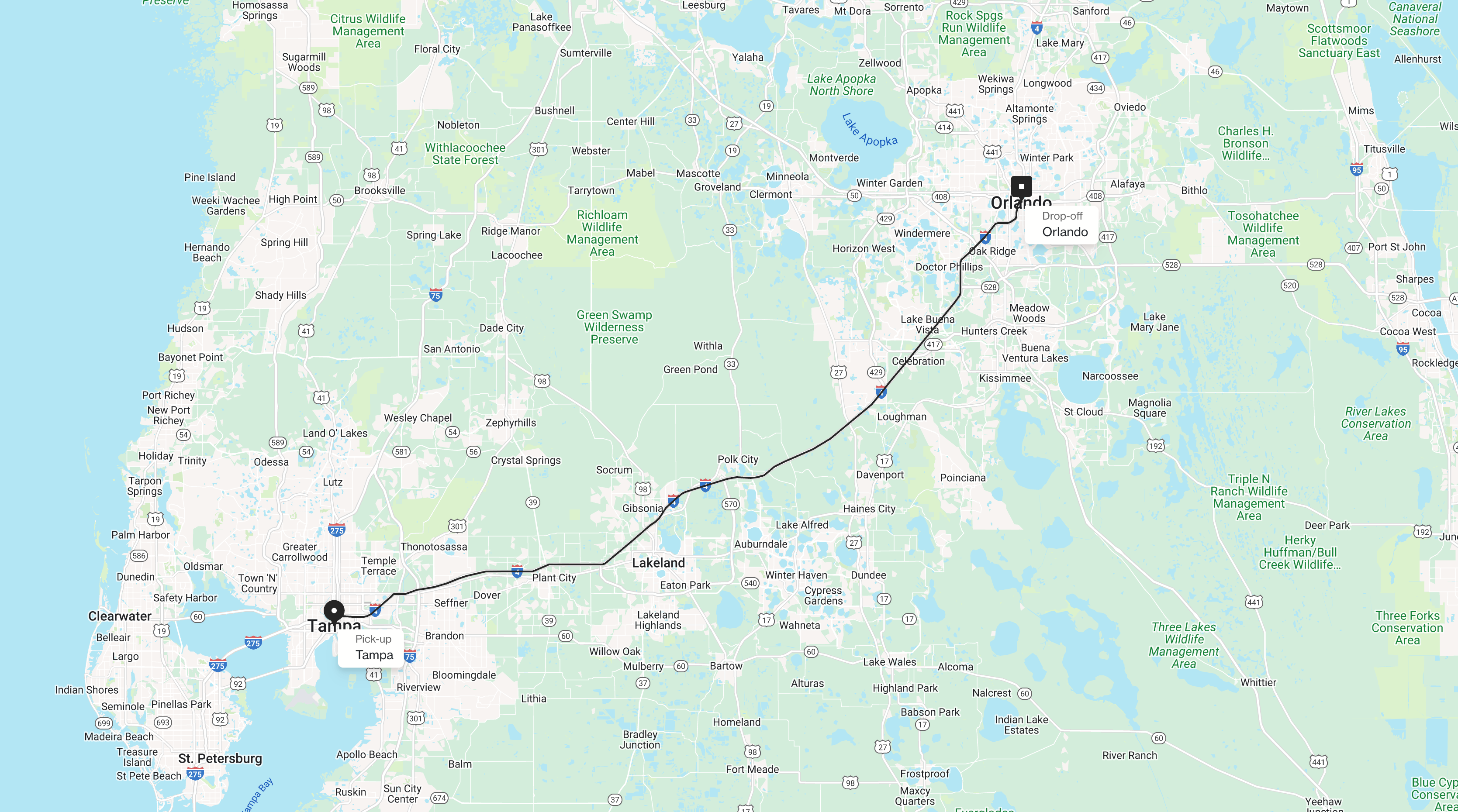
At its core, the direct distance between Tampa and Orlando spans approximately 85 to 90 miles (137 to 145 kilometers) depending on your exact starting and ending points within each metropolitan area. This relatively short distance translates into a comfortable driving time of roughly 1.5 to 2 hours under ideal traffic conditions. However, as any seasoned Florida traveler knows, “ideal conditions” can be as elusive as a quiet day at a theme park during peak season. Understanding the nuances of this route, from optimal driving times to alternative transportation methods and compelling stops along the way, is key to transforming a simple commute into an integral part of your unforgettable Florida itinerary.
This comprehensive guide will delve into every facet of the Tampa-Orlando journey, offering insights into travel logistics, highlighting must-see attractions in both cities, and recommending top-tier accommodation options. We’ll explore the best routes, discuss various modes of transport, and provide practical tips to ensure your transition between these two dynamic destinations is as smooth and enjoyable as possible, catering to diverse travel styles, from family vacations to luxury getaways and budget-conscious explorations.
The Journey Unveiled: Distance and Driving Routes
The most common and flexible way to travel between Tampa and Orlando is by car. This gives travelers the freedom to set their own pace, make impromptu stops, and explore the areas surrounding the main highways. The road network connecting these cities is well-developed, but choosing the right route and understanding potential traffic patterns can significantly enhance your travel experience.
The Direct Route: Interstate 4
The undisputed backbone of travel between Tampa and Orlando is Interstate 4 (I-4). This major east-west highway directly connects downtown Tampa with the heart of Orlando, including its famed theme park corridor. The journey primarily takes you through central Florida’s flat, often agricultural landscape, punctuated by small towns and rapidly developing suburban areas.
- Distance and Time: The length of I-4 between the two city centers is approximately 85-90 miles. Under optimal conditions, meaning minimal traffic, this drive can be completed in about 1 hour and 30 minutes to 1 hour and 45 minutes. However, I-4 is notorious for congestion, especially during rush hours (typically 7-9 AM and 4-6 PM on weekdays), on weekends, and during major holiday periods or special events. Construction projects are also a perpetual feature of this corridor, often leading to lane closures and slowdowns.
- Key Segments: The initial stretch from Tampa quickly transitions from urban sprawl to more open country. As you approach Orlando, the highway becomes a gateway to the major attractions. Exits for Walt Disney World Resort are clearly marked, followed by those for Universal Orlando Resort and International Drive. Planning your exact exit in Orlando is crucial to avoid unnecessary backtracking or getting caught in theme park traffic.
- Tolls: While I-4 itself is generally a toll-free road for the direct route, some of its express lanes (known as I-4 Express) and connecting highways or exits may involve toll roads. It’s advisable to have a transponder like SunPass or E-Pass for convenience, as many toll plazas are cashless.
Alternative Paths and Scenic Detours
For those looking to avoid potential I-4 traffic or simply seeking a slightly different experience, a few alternative routes exist, though they often add significant time or involve tolls.
- Florida’s Turnpike: While not a direct route between Tampa and Orlando, the Florida’s Turnpike can be an option if you’re coming from or going to other parts of Florida, or if I-4 is experiencing severe delays. To utilize the Turnpike, you’d typically take I-4 east from Tampa to the SR 570 (Polk Parkway) east, which connects to the Turnpike northbound near Lakeland. This route is entirely tolled and generally longer, but it can be faster if I-4 is gridlocked.
- US-92 and Local Roads: For a more relaxed, potentially scenic drive through smaller towns, you could opt for US-92, which runs roughly parallel to I-4. This route is significantly slower, often taking 3-4 hours or more due to lower speed limits, numerous traffic lights, and local traffic. However, it offers a glimpse into authentic central Florida life, passing through communities like Lakeland and Kissimmee. This is ideal for travelers who prioritize the journey itself over speed.
- Stops Along the Way: Regardless of your chosen path, consider breaking up the drive with a stop. Lakeland is home to the stunning Frank Lloyd Wright architecture at Florida Southern College. For families, LEGOLAND Florida Resort in Winter Haven is a fantastic detour, located approximately an hour from both Tampa and Orlando via SR 27 or SR 570. These stops can provide a refreshing break, especially with children in tow.
Beyond the Wheel: Exploring Other Transportation Options
While driving offers unparalleled flexibility, not everyone prefers to navigate Florida’s highways. Fortunately, several other reliable transportation methods connect Tampa and Orlando, catering to different budgets and travel preferences.
Bus and Train Services: A Relaxed Alternative
For those who prefer to sit back and let someone else do the driving, bus and train services offer comfortable and often economical options.
- Bus Services: Companies like Greyhound and FlixBus provide regular services between the downtown areas of Tampa and Orlando, as well as to popular destinations like Orlando International Airport. The journey typically takes around 2 to 3 hours, depending on the number of stops and traffic conditions. Bus travel is usually the most budget-friendly option, making it a popular choice for solo travelers or those looking to save on rental car costs and parking fees.
- Train Services: Amtrak offers daily train service between Tampa and Orlando on its Silver Star and Silver Meteor routes. The train journey, while often longer than driving (typically 2 to 2.5 hours), provides a unique and scenic travel experience, allowing passengers to relax in spacious seats, enjoy dining car services, and avoid road stress. The Tampa station is centrally located, and the Orlando station is conveniently near the downtown area, with connections to local transit like SunRail. Although less frequent than bus services, Amtrak can be an excellent option for a more leisurely pace.
- Future Rail Expansion: Keep an eye on developments with Brightline, Florida’s intercity express passenger rail. While currently connecting Orlando International Airport to South Florida cities, there are plans for future expansion that could include Tampa, potentially offering a high-speed, premium rail connection between the two hubs.
Shuttles, Ride-Shares, and Private Transfers
For travelers seeking convenience, directness, or a touch of luxury, shuttle services, ride-shares, and private transfers are excellent choices.
- Shuttle Services: Many companies offer shared-ride or private shuttle services directly from Tampa International Airport or hotels in Tampa to Orlando hotels and vice versa. These can be particularly convenient for families with luggage or groups. While typically more expensive than buses, they offer door-to-door service and can often be booked in advance, providing peace of mind.
- Ride-Shares (Uber/Lyft): Ride-sharing apps like Uber and Lyft operate extensively in both Tampa and Orlando. An intercity ride can be a practical solution for spontaneous travel or when traditional public transport schedules don’t align. However, the cost can vary significantly based on demand, time of day, and the specific service level chosen. It’s often comparable to, or even exceeds, the cost of a daily car rental once surge pricing is factored in.
- Private Car Services: For a truly luxurious and hassle-free experience, private car services offer chauffeured transportation. This option is ideal for business travelers, those celebrating special occasions, or anyone prioritizing comfort and discretion. While the most expensive, it guarantees a personalized, on-demand service in a high-end vehicle.
Making the Most of Your Trip: Attractions and Accommodation
Traveling between Tampa and Orlando is more than just covering distance; it’s about connecting two distinct, exciting worlds within Florida. Each city boasts a unique character and an array of attractions, along with diverse accommodation options to suit every taste and budget.
Tampa’s Charms: From Waterfront to Thrills
Tampa, situated on Florida’s Gulf Coast, offers a blend of historic charm, modern urban revitalization, and thrilling adventures.
- Historic Ybor City: Once the cigar capital of the world, Ybor City is a National Historic Landmark District. Its brick-lined streets are now home to vibrant nightlife, unique boutiques, and authentic Cuban restaurants. Exploring its history and enjoying a hand-rolled cigar is a must.
- Waterfront Wonders: The Tampa Riverwalk is a scenic 2.6-mile pedestrian pathway connecting downtown attractions like the Florida Aquarium, the Tampa Bay History Center, and the interactive exhibits at MOSI (Museum of Science & Industry). Armature Works and Sparkman Wharf offer trendy food halls, breweries, and outdoor entertainment right on the water.
- Thrill Rides and Wildlife: For adrenaline junkies, Busch Gardens Tampa Bay combines thrilling roller coasters with a world-class zoo, offering a unique blend of excitement and animal encounters. Nearby, Adventure Island water park provides a refreshing escape during warmer months.
- Beautiful Beaches: Just a short drive from Tampa lie some of Florida’s most acclaimed beaches, including Clearwater Beach and St. Pete Beach. These Gulf Coast gems are perfect for sunbathing, swimming, and enjoying stunning sunsets.
Orlando’s Magic: Theme Parks and Beyond
Orlando is globally renowned as the “Theme Park Capital of the World,” but its allure extends far beyond its famous gates.
- Walt Disney World Resort: Home to four iconic theme parks (Magic Kingdom, Epcot, Hollywood Studios, Animal Kingdom), two water parks, and the vibrant Disney Springs entertainment complex, Disney World offers an unparalleled immersive experience for all ages.
- Universal Orlando Resort: With its thrilling rides, immersive worlds like The Wizarding World of Harry Potter, and the energetic Universal CityWalk, Universal Orlando offers high-octane fun and cinematic adventures. Anticipation is also building for the future opening of Epic Universe, adding another layer of magic to the resort.
- More Theme Park Fun: SeaWorld Orlando combines marine life shows with thrilling rides, while Discovery Cove offers unique animal encounters in a resort-style setting.
- Beyond the Parks: Explore the upscale shops and dining on Park Avenue in Winter Park, catch a show at the Dr. Phillips Center for the Performing Arts, or embark on an airboat tour to discover Florida’s wild side in the Everglades. The Kennedy Space Center Visitor Complex on the Atlantic Coast is also a manageable day trip from Orlando, offering a fascinating look into space exploration.
Where to Stay: Hotels and Resorts in Both Cities
Both Tampa and Orlando boast an incredible range of accommodation options, from luxurious resorts to family-friendly hotels and budget-conscious stays.
- Orlando Accommodation: For proximity to theme parks, hotels along International Drive or within the Walt Disney World Resort and Universal Orlando Resort offer unparalleled convenience and immersive experiences. High-end options include the Four Seasons Resort Orlando at Walt Disney World Resort, The Ritz-Carlton Orlando, Grande Lakes, JW Marriott Orlando, Grande Lakes, and the Hyatt Regency Grand Cypress. For theme park proximity, consider the Hard Rock Hotel at Universal Orlando or Loews Portofino Bay Hotel at Universal Orlando. Mid-range and budget-friendly hotels are plentiful throughout the area, particularly in Kissimmee and near the convention center.
- Tampa Accommodation: In Tampa, you can choose to stay downtown near the Riverwalk for urban exploration, in Ybor City for nightlife, or closer to the Busch Gardens area. Luxury stays include The Tampa EDITION and the JW Marriott Tampa Water Street, offering prime waterfront locations and sophisticated amenities. For a historic and iconic experience, consider The Don CeSar on St. Pete Beach, a short drive away. Hotels near Tampa International Airport, like the Renaissance Tampa International Plaza Hotel, are convenient for late arrivals or early departures. Apartment rentals and villas are also popular options for longer stays or larger groups, especially in areas surrounding the city.
Essential Tips for a Seamless Tampa-Orlando Adventure
Planning is paramount for any successful trip, and a journey between Tampa and Orlando is no exception. Considering a few key factors can help ensure a smooth, enjoyable, and stress-free experience, regardless of your travel style or budget.
Navigating Peak Seasons and Traffic
Florida is a year-round destination, but certain periods experience significantly higher visitor numbers and, consequently, more traffic and higher prices.
- Peak Seasons: School holidays (summer, spring break, winter holidays) and major events (e.g., Super Bowl in Tampa, major conventions in Orlando) are peak times. During these periods, expect heavier traffic on I-4, longer waits at attractions, and higher rates for hotels and flights. Booking accommodation and transportation well in advance is crucial.
- Best Travel Times: The shoulder seasons (late April to May, and September to early November) often offer a sweet spot. The weather is usually pleasant, crowds are thinner, and prices for flights and hotels tend to be more favorable. If traveling during peak times, consider driving during off-peak hours (mid-morning or late evening) to avoid the worst of the congestion. Weekday travel is generally smoother than weekend travel.
- Stay Informed: Utilize GPS apps (like Google Maps or Waze) that provide real-time traffic updates. These can be invaluable for navigating unexpected slowdowns and suggesting alternative routes. Pay attention to local news channels for major traffic alerts, especially concerning I-4.

Budgeting and Lifestyle Considerations
Your travel budget and preferred lifestyle will heavily influence your choices for transportation, accommodation, and activities.
- Luxury Travel: If luxury is your priority, consider private car services for transfers, stay in 5-star resorts like The Ritz-Carlton or Four Seasons, and indulge in fine dining in both cities. FastPass services at theme parks (like Disney Genie+ or Universal Express Pass) can enhance the experience by minimizing wait times.
- Budget Travel: For budget-conscious travelers, bus services offer the most economical way to travel between cities. Look for hotels or vacation rentals slightly off the main tourist corridors (e.g., in Davenport for Orlando or areas east of downtown Tampa). Pack snacks, utilize hotel amenities like kitchenettes, and seek out free attractions like parks or public beaches.
- Family Trips: When traveling with family, comfort and convenience are key. Renting a car provides flexibility with car seats and luggage. Opt for family-friendly resorts with pools and kid-oriented activities. Consider vacation rentals or suites for more space and the ability to cook meals. Shuttles are also a good option for door-to-door service to theme parks.
- Business Stays: For business travelers, efficiency is often paramount. Fly into the nearest airport (Tampa International Airport or Orlando International Airport), rent a car for flexibility, or use ride-sharing services. Choose hotels with business centers, reliable Wi-Fi, and convenient access to convention centers or corporate offices.
The distance from Tampa to Orlando is an easily conquerable span of Florida’s central landscape, making the combination of these two vibrant cities a highly rewarding travel experience. Whether your ideal trip involves white-knuckle roller coasters, relaxing on sandy beaches, exploring historic districts, or simply enjoying the journey itself, Florida offers a diverse tapestry of attractions and experiences. By understanding the travel options, planning for peak times, and tailoring your choices to your personal style, your adventure between Tampa and Orlando is sure to be smooth, memorable, and filled with all the sunshine and excitement the state has to offer. Pack your bags, set your GPS, and get ready to discover the best of central Florida!
LifeOutOfTheBox is a participant in the Amazon Services LLC Associates Program, an affiliate advertising program designed to provide a means for sites to earn advertising fees by advertising and linking to Amazon.com. Amazon, the Amazon logo, AmazonSupply, and the AmazonSupply logo are trademarks of Amazon.com, Inc. or its affiliates. As an Amazon Associate we earn affiliate commissions from qualifying purchases.