
Embarking on a journey from the bustling metropolis of Denver, Colorado, to the picturesque mountain town of Telluride is an adventure that many travelers eagerly anticipate. While the sheer distance might seem substantial, understanding the various routes, travel times, and transportation options transforms it from a mere number into a comprehensive travel plan. This guide delves into the specifics of bridging the gap between these two distinct Colorado destinations, ensuring you’re well-prepared for an unforgettable experience.
The Majestic Journey: Understanding the Distance
The distance between Denver and Telluride is not just a straightforward measurement; it’s a reflection of Colorado’s diverse and often challenging topography. Situated deep within the San Juan Mountains, Telluride is renowned for its remote charm and breathtaking vistas, making the journey part of its allure.
Straight-Line vs. Driving Distance
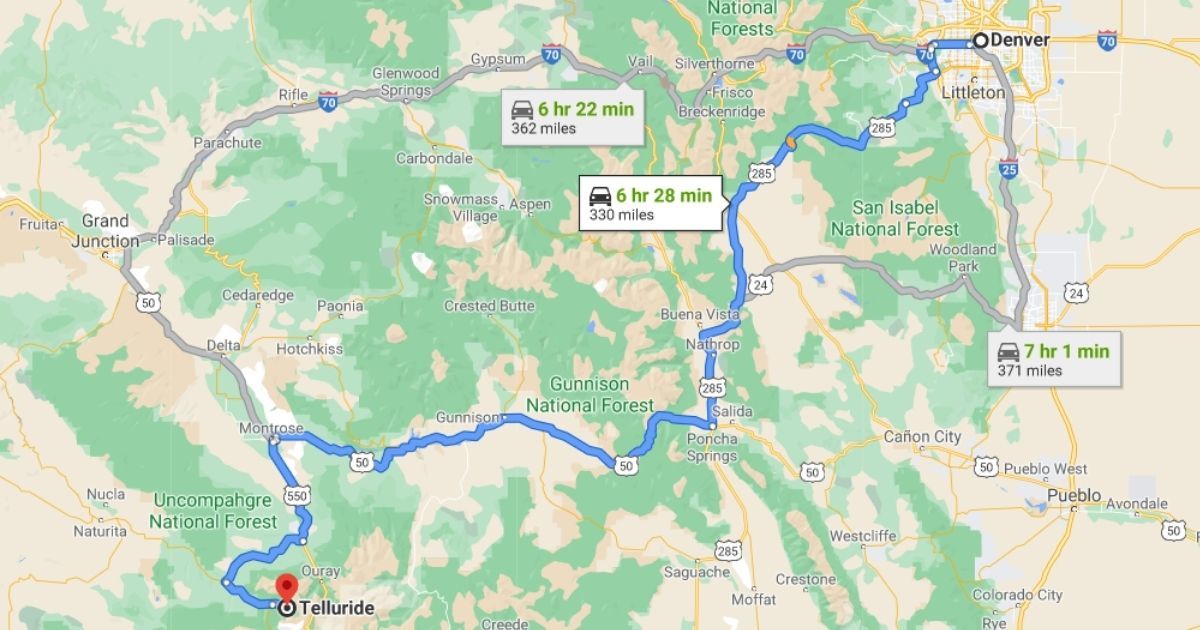
As the crow flies, the distance between Denver and Telluride is approximately 190 miles (305 kilometers). However, this aerial measurement is purely theoretical for ground travel. The actual driving distance is significantly longer, owing to the need to navigate around mountainous terrain, through valleys, and along winding roads. Typically, the driving distance ranges from about 330 to 360 miles (530 to 580 kilometers), depending on the specific route taken and starting point within Denver. This substantial difference highlights the indirect nature of mountain travel.
Key Geographic Features
The journey traverses several distinct geographical regions of Colorado. Leaving Denver, travelers first encounter the expansive plains gradually giving way to the foothills of the Rocky Mountains. The bulk of the drive involves ascending and descending mountain passes, driving through high-altitude valleys, and alongside rivers. This dramatic change in scenery is a testament to the rugged beauty of the state, offering continuous visual engagement. The remoteness of Telluride means accessing it often involves driving on roads that are well-maintained but can be challenging, especially during winter months, due to snow and ice. These geographic features are precisely what make the destination so appealing, promising a true escape into nature.
Driving Routes and Estimated Travel Times
Driving is the most common and often preferred method of travel from Denver to Telluride, offering flexibility and the opportunity to stop at scenic points along the way. There are generally two primary routes, each presenting its own characteristics regarding mileage, elevation, and scenic appeal.
The Northern Route (I-70 West to US-50 West to CO-145 South)
This is often considered the most popular and generally fastest route. From Denver, you’ll head west on Interstate 70 (I-70) through iconic mountain towns like Vail and Glenwood Springs. The initial segment on I-70 is high-speed, but traffic can be significant, especially during peak ski season weekends. Near Grand Junction, you’ll transition onto US-50 West towards Montrose. From Montrose, the final leg of the journey is along Colorado State Highway 145 (CO-145) South, a spectacularly scenic road that winds directly into Telluride.
- Distance: Approximately 330-340 miles (530-547 kilometers).
- Estimated Driving Time: 6 to 7 hours without significant stops, depending on road conditions, traffic, and speed.
- Pros: Generally faster, well-maintained interstate for a significant portion, access to amenities in larger towns along I-70.
- Cons: Can experience heavy traffic on I-70, especially on weekends or during adverse weather.
The Southern Route (US-285 South to US-50 West to CO-145 South)
The southern route offers a different flavor of Colorado scenery and can sometimes be a less congested alternative to I-70. This path takes you south from Denver on US-285 South, passing through high-altitude plains and smaller mountain communities like Fairplay and Salida. You’ll then connect with US-50 West and continue towards Montrose, eventually joining CO-145 South into Telluride.
- Distance: Approximately 350-360 miles (563-580 kilometers).
- Estimated Driving Time: 7 to 8 hours without significant stops.
- Pros: Often less traffic than I-70, offers a different scenic perspective, passes through charming smaller towns.
- Cons: Generally longer in distance and time, fewer high-speed sections, and road conditions can vary more on state highways during winter.
Factors Affecting Driving Time
Several variables can significantly impact your driving time:
- Weather Conditions: Mountain weather can change rapidly. Snow, ice, fog, and heavy rain can add hours to your journey, necessitating slower speeds and potentially road closures. Always check forecasts and road conditions before departing.
- Traffic: I-70 is infamous for weekend traffic jams, especially eastbound on Sunday afternoons or westbound on Friday evenings. Timing your departure to avoid peak travel times can save considerable time.
- Construction: Roadwork is common in Colorado, particularly during warmer months, and can lead to delays.
- Stops: Account for fuel stops, meal breaks, and opportunities to stretch your legs or take photos. These add enjoyment but extend the overall travel duration.
Alternative Modes of Transportation
While driving offers unparalleled flexibility, it’s not the only way to reach Telluride from Denver. Depending on your budget, time constraints, and preference for convenience, several other options are available.
Flying to Telluride
For those prioritizing speed and minimizing driving, flying is a viable option, though it typically involves connecting flights and further ground transportation.
- Telluride Regional Airport (TEX): Telluride Regional Airport (TEX) is the closest airport, located just 10 minutes from town. However, direct flights from Denver International Airport (DIA) are limited, often seasonal, and subject to weather delays due to its high-altitude location. The runway is also challenging for pilots, leading to smaller aircraft and potentially higher fares.
- Montrose Regional Airport (MTJ): Montrose Regional Airport (MTJ) is the most common gateway to Telluride, offering more frequent flights from major hubs, including DIA. It’s about a 1.5-hour drive (67 miles) from Telluride. Shuttle services, private transfers, and rental cars are readily available at MTJ to complete the journey.
- Grand Junction Regional Airport (GJT): Grand Junction Regional Airport (GJT) is another option, approximately 2.5 hours (127 miles) from Telluride. It offers a wider range of flights than MTJ but requires a longer shuttle or car rental.
- Durango-La Plata County Airport (DRO): Durango-La Plata County Airport (DRO) is about 2.5 hours (113 miles) from Telluride, mostly to the south. While viable, it’s generally less convenient for travelers coming directly from Denver.
Flying reduces travel time to a few hours for the air portion, but factoring in airport transfers, check-ins, security, and ground transportation to Telluride, the total travel time can still be significant, often comparable to a long drive.
Busting It: Public Transportation Options
Direct public bus services from Denver to Telluride are limited. However, you can use a combination of services:
- Greyhound/Bustang: You might take a bus from Denver to Grand Junction or Montrose. From there, you would need to arrange a private shuttle or taxi to complete the journey to Telluride. This option is generally the most budget-friendly but also the most time-consuming and involves multiple transfers.
Ride-Sharing and Private Shuttles
- Private Shuttle Services: Several companies offer private shuttle services directly from Denver International Airport (DIA) to Telluride. These are expensive but offer convenience, door-to-door service, and often comfortable vehicles equipped for mountain travel. They can also be a good option for groups to split the cost.
- Ride-Sharing (e.g., Uber/Lyft): While technically possible, hiring a ride-share for the entire distance from Denver to Telluride would be exceptionally costly and likely difficult to arrange, as most drivers would be reluctant to undertake such a long, one-way trip into a remote area.
Preparing for Your Telluride Adventure
Regardless of your chosen mode of transport, a bit of preparation goes a long way in ensuring a smooth and enjoyable journey to Telluride.
Best Times to Travel
- Winter (December – March): Expect snow and potentially challenging driving conditions. Road closures over mountain passes are possible. This is prime ski season, so book accommodation and transportation well in advance.
- Spring (April – May): “Mud season” or “shoulder season” sees melting snow, fewer crowds, and lower prices, but many businesses may be closed. Roads are usually clear, but high-elevation passes might still have snow.
- Summer (June – August): Ideal for hiking, biking, and festivals. Roads are generally clear, and weather is pleasant. This is another peak season, so expect crowds and higher prices.
- Fall (September – October): Known for stunning fall foliage, especially in late September/early October. Weather is crisp, and crowds are thinner than summer. Roads are typically good, but early snow can occur.
Essential Packing Tips
- Layers: Mountain weather is unpredictable. Pack layers to adapt to temperature changes.
- Footwear: Comfortable walking shoes are essential; waterproof hiking boots are recommended for outdoor activities.
- Sun Protection: At high altitudes, the sun is intense. Bring sunscreen, sunglasses, and a hat.
- Water and Snacks: Especially for long drives, carry water and snacks.
- Emergency Kit (if driving): Include a first-aid kit, jumper cables, extra blankets, a flashlight, and non-perishable food, particularly in winter.
Things to Do Upon Arrival
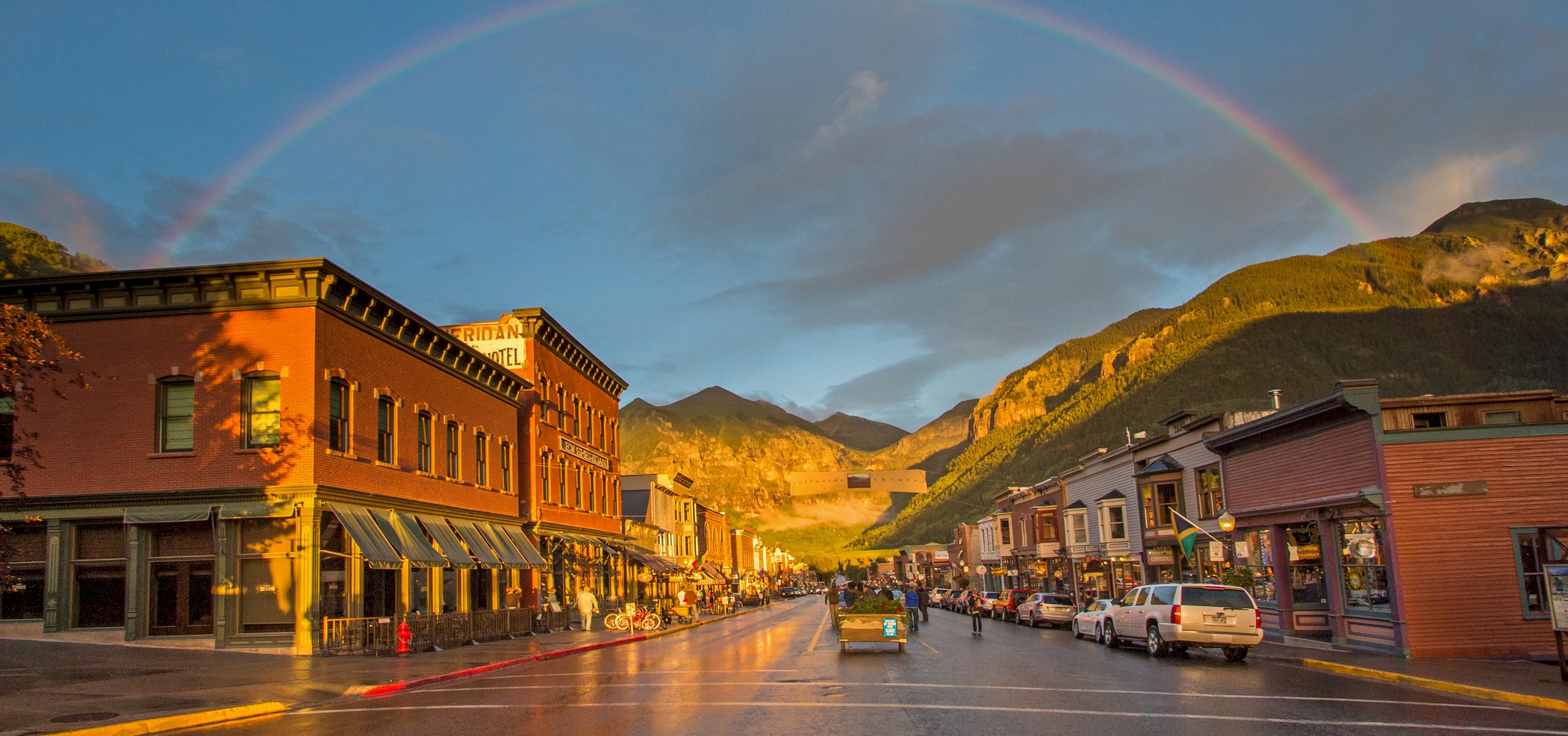
Once you arrive in Telluride, take advantage of its unique amenities. The town’s free gondola system connects the historic town with Mountain Village, offering spectacular views and easy access between the two areas. Explore Main Street, discover local eateries, and immerse yourself in the vibrant atmosphere that makes Telluride a premier destination.
Why the Journey to Telluride is Worth It
The significant distance and varied travel options to Telluride might seem daunting, but the destination unequivocally justifies the effort. Telluride offers a unique blend of natural beauty, outdoor adventure, and refined small-town charm that distinguishes it from other mountain resorts.
A Premier Mountain Destination
Nestled in a box canyon, Telluride is a designated National Historic Landmark District, preserving its mining-era architecture while embracing its status as a world-class ski resort and summer haven. Its unparalleled scenery, with towering peaks that seem to touch the sky, provides a backdrop for every activity. From the challenging slopes of the Telluride Ski Resort to the vibrant festivals that fill its summer calendar, the town offers a rich array of experiences.
Scenic Beauty and Outdoor Activities
The journey itself, winding through the heart of the Rocky Mountains, prepares you for the grandeur of Telluride. Upon arrival, you’re greeted by a paradise for outdoor enthusiasts. Winter transforms the landscape into a skier’s dream, while summer invites hikers to explore countless trails, mountain bikers to challenge thrilling descents, and fly-fishers to cast lines in pristine rivers. The journey from Denver to Telluride is more than just covering miles; it’s a gateway to an unparalleled Colorado adventure.
LifeOutOfTheBox is a participant in the Amazon Services LLC Associates Program, an affiliate advertising program designed to provide a means for sites to earn advertising fees by advertising and linking to Amazon.com. Amazon, the Amazon logo, AmazonSupply, and the AmazonSupply logo are trademarks of Amazon.com, Inc. or its affiliates. As an Amazon Associate we earn affiliate commissions from qualifying purchases.