
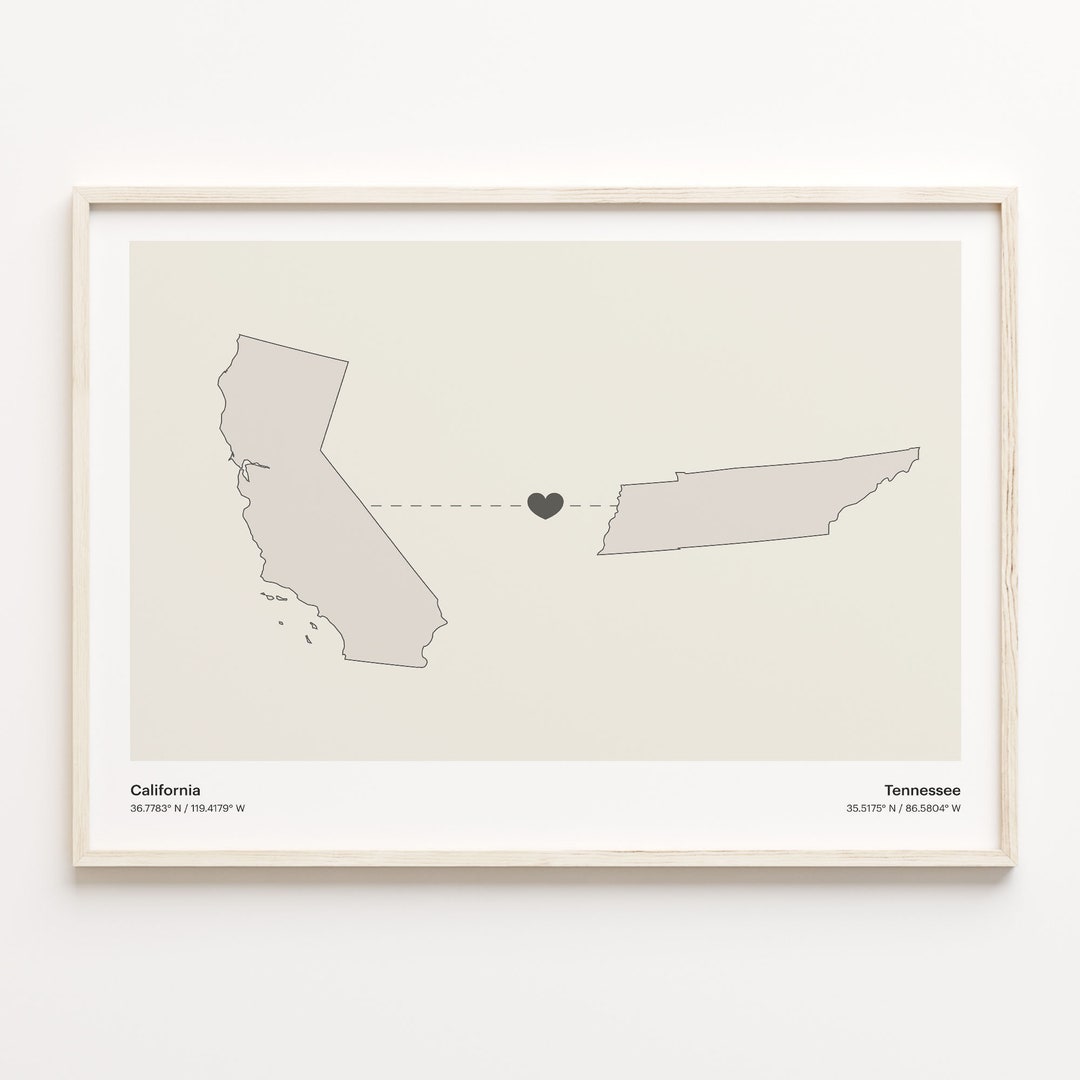
Embarking on a cross-country journey from the vibrant music scenes of Tennessee to the sun-drenched beaches and towering redwoods of California is more than just covering miles; it’s an epic American adventure. This incredible trek spans a vast and diverse landscape, crossing multiple states and time zones, offering a rich tapestry of experiences for every kind of traveler. Whether you’re planning a swift flight, a leisurely road trip, or a scenic train journey, understanding the distance and travel implications is the first step toward crafting an unforgettable itinerary.
The distance between these two iconic United States states isn’t a simple, fixed number. It varies significantly depending on your starting point in Tennessee and your destination in California. Generally, you’re looking at a span of roughly 2,000 to 2,500 miles (approximately 3,200 to 4,000 kilometers). This vast expanse means travel times can range from a few hours by air to several days by road, each offering its own unique charm and challenges. This article will delve into the specifics of this grand traverse, providing insights into distances, travel methods, and the incredible landmarks and experiences that await on both ends of this spectacular journey.

The Great American Divide: Understanding the Distance
The sheer scale of the United States becomes strikingly apparent when considering the journey from its southeastern heartland to its western coast. Tennessee, nestled in the Deep South, offers a different world from the sprawling, diverse landscapes of the Golden State on the Pacific Ocean coast. Calculating the “far-ness” involves more than just drawing a straight line on a map; it requires factoring in practical travel routes, geographical barriers, and the specific cities you aim to visit.
Straight Line vs. Road Trip Realities
In a purely geographical sense, the air distance (as the crow flies) from a central point in Tennessee to a central point in California might be around 1,800 to 2,000 miles. For instance, the air distance between Memphis, Tennessee, and Los Angeles, California, is roughly 1,800 miles. However, very few travelers are birds. When you factor in roads, mountains, rivers, and the need for gas stations and rest stops, the driving distance inevitably increases.
A typical cross-country drive from Tennessee to California will cover between 2,000 and 2,500 miles. This translates to an average driving time of 30 to 40 hours of actual driving. However, no one drives straight for 30-40 hours. This journey realistically requires 3 to 5 full days of driving, assuming you’re putting in 8-10 hours behind the wheel each day and allowing for overnight stays. This presents a fantastic opportunity for a multi-day road trip, turning the journey itself into a key part of the travel experience, allowing for exploration of charming towns and natural landmarks along the way.
Key Cities and Their Spans
To provide a clearer picture, let’s consider specific popular routes and their distances:
- Nashville, Tennessee to Los Angeles, California: This is one of the most common pairings. The driving distance is approximately 2,000 to 2,100 miles, taking about 30-32 hours of driving time. This route often involves following Interstate 40 for a significant portion, traversing states like Arkansas, Oklahoma, Texas, New Mexico, and Arizona before reaching Southern California.
- Memphis, Tennessee to San Francisco, California: For those heading to Northern California, the journey is slightly longer. The driving distance is roughly 2,300 to 2,500 miles, requiring approximately 35-38 hours of driving. This route might still utilize Interstate 40 initially, then potentially switch to Interstate 70 or other routes through states like Colorado and Utah, eventually leading through Nevada to the Bay Area.
- Knoxville, Tennessee to San Diego, California: A trip from East Tennessee to Southern California’s southernmost city would be in the range of 2,200 to 2,300 miles, roughly 34-36 hours of driving.
These distances underscore the impressive scale of the United States and highlight the need for careful travel planning, particularly when considering accommodation, budgeting for fuel, and scheduling rest.
Navigating the Journey: Travel Options and Considerations
Traveling between Tennessee and California offers a spectrum of choices, each catering to different preferences for speed, cost, and experience. From the efficiency of air travel to the immersive adventure of a road trip, understanding your options is key to a successful journey.
By Air: The Fastest Route
For those prioritizing speed and convenience, flying is undoubtedly the best option. A direct flight between major airports in Tennessee and California typically takes 4 to 6 hours. However, direct flights aren’t always available or affordable, meaning many routes involve one or more layovers, extending total travel time to 7-10 hours or more.
Major airports in Tennessee include Nashville International Airport (BNA), Memphis International Airport (MEM), and McGhee Tyson Airport (TYS) in Knoxville. On the California side, the primary gateways are Los Angeles International Airport (LAX), San Francisco International Airport (SFO), and San Diego International Airport (SAN), among many others.
Pros of flying: Speed, less physical exertion, generally good for business stays or short trips.
Cons of flying: Can be expensive, less scenic, rigid schedules, potential for delays, luggage restrictions.
Booking Tips: To find the best deals on flights, it’s advisable to book several weeks or even months in advance. Utilize flight comparison websites and be flexible with your travel dates. Consider flying into or out of smaller regional airports if they offer significant savings. For a seamless experience, especially for those accustomed to luxury travel, business class options can provide a more comfortable journey.
The Allure of the Open Road: Driving Across America
A road trip from Tennessee to California is the quintessential American travel experience. It’s an opportunity for adventure, spontaneity, and discovering hidden gems across the country. As mentioned, this journey will take 3-5 days of dedicated driving, but many choose to extend it to a week or more to truly embrace the journey.
Recommended Routes:
The most popular and efficient route is often along Interstate 40. Starting from Memphis, I-40 stretches westward through Arkansas, Oklahoma (Oklahoma City), Texas (the Texas Panhandle), New Mexico (Albuquerque), and Arizona (Flagstaff), before reaching California. This route offers a taste of the Great Plains, the Ozark Mountains, and the dramatic landscapes of the Southwest deserts.
Scenic Detours and Landmarks:
The beauty of a road trip lies in its flexibility. Along the I-40 corridor, you can easily venture off to explore segments of historic Route 66, marvel at the majestic Grand Canyon in Arizona, or take a detour to the dazzling lights of Las Vegas in Nevada, perhaps visiting the Hoover Dam. Further North, if opting for I-70 through Colorado, the grandeur of the Rocky Mountains provides breathtaking vistas.
Planning a Road Trip:
- Vehicle Prep: Ensure your car is in excellent condition. Consider a full service, check tires, fluids, and emergency kit. If you’re flying in and planning to drive back or vice-versa, car rental options are abundant, but always compare prices and insurance policies.
- Budget: Factor in fuel costs (which will be substantial), food, and accommodation. Budget travel options include staying in motels or camping, while those seeking luxury travel might opt for upscale hotels or resorts along their route.
- Rest and Safety: Plan for regular breaks. Driver fatigue is a serious risk. Share driving duties if possible. Stay updated on weather conditions, especially when crossing diverse climates like the deserts of the Southwest or the mountains.
- Accommodation Along the Way: Many roadside hotels and motels offer convenient, clean, and affordable overnight stays. For a more personalized experience, look into vacation rentals or charming bed and breakfasts in smaller towns. Major chains like Marriott or Hilton can be found in larger cities on your route, often offering comfortable suites or resorts.
Other Modes of Transport: Train and Bus
While less common for this specific cross-country route, train and bus services offer alternative ways to travel, each with its own advantages.
- Train (Amtrak): Traveling by train with Amtrak offers a unique, leisurely perspective on the American landscape. It’s significantly slower than flying or driving, often taking 2-3 days or more, with transfers. However, it provides a relaxed journey where you can enjoy the scenery, avoid driving stress, and often enjoy comfortable seating or even private rooms. It’s a fantastic option for those who consider the journey itself part of the luxury travel experience, preferring to relax and observe rather than rush.
- Bus (Greyhound, etc.): Bus travel is generally the most budget-friendly option. It’s also the slowest, often involving multiple stops and transfers, and can be less comfortable for extended periods. However, for travelers on a tight budget or those without access to a car, it’s a viable means of transportation.
Regardless of your chosen mode, a journey between Tennessee and California is an immersive experience that highlights the vastness and diversity of the United States.
Exploring the Extremes: What Awaits You in Tennessee and California
The journey between Tennessee and California isn’t just about covering distance; it’s about connecting two profoundly different yet equally captivating regions. Each state offers a unique blend of local culture, iconic landmarks, and diverse activities, making them prime destinations for any traveler.
The Soul of the South: Discovering Tennessee
Tennessee, a state steeped in musical heritage and natural beauty, offers a vibrant tapestry of experiences.
- Nashville: Music City: The capital city pulsates with the rhythm of country music. Visitors flock to the Grand Ole Opry for live shows, explore the history at the Country Music Hall of Fame and Museum, and soak in the atmosphere of the honky-tonk bars on Broadway. Beyond music, Nashville boasts a thriving food scene, from hot chicken to gourmet Southern cuisine. Accommodation options range from trendy boutique hotels in areas like The Gulch to luxurious resorts offering full amenities.
- Memphis: Home of the Blues and Rock ‘n’ Roll: Located on the Mississippi River, Memphis is legendary for its pivotal role in American music. A pilgrimage to Graceland, Elvis Presley’s former home, is a must. The historic Beale Street comes alive at night with blues clubs and live music. Don’t forget to indulge in Memphis’ world-famous BBQ, a cornerstone of its local culture and food scene.
- Great Smoky Mountains National Park: For nature enthusiasts and family trips, East Tennessee offers the stunning beauty of the Great Smoky Mountains. This free-to-enter National Park is renowned for its diverse plant and animal life, ancient mountains, and misty vistas. Nearby towns like Gatlinburg and Pigeon Forge provide a wealth of family-friendly attractions, resorts, and cabin rentals, blending outdoor adventure with entertainment.
- Other Tennessee Gems: Chattanooga offers a vibrant riverfront, a famous aquarium, and scenic attractions like Rock City and Ruby Falls, while Knoxville provides a charming downtown and access to the Appalachian Mountains. Each city offers unique tourism experiences, from historic tours to culinary adventures.
The Golden State’s Grandeur: Experiencing California
California stands as a beacon of diversity, from its sprawling metropolises to its rugged coastlines and majestic National Parks.
- Los Angeles: The City of Angels: Home to Hollywood, Los Angeles is a hub for entertainment, fashion, and diverse cultures. Visitors can walk the Hollywood Walk of Fame, relax on iconic beaches like Santa Monica or Venice Beach, and explore world-class museums. For family trips, Disneyland in nearby Anaheim is an unparalleled attraction. Accommodation ranges from opulent Beverly Hills hotels and resorts offering luxury travel experiences to chic boutique hotels in West Hollywood and beachfront apartments.
- San Francisco: The City by the Bay: Famous for the Golden Gate Bridge, cable cars, and Alcatraz Island, San Francisco is a city of distinct neighborhoods, each with its own charm. The culinary scene is world-renowned, offering everything from fresh seafood at Fisherman’s Wharf to Michelin-starred dining.
- California’s National Parks: California is a treasure trove of natural landmarks. Yosemite National Park is celebrated for its towering granite cliffs, giant sequoia groves, and waterfalls. Death Valley National Park offers extreme desert landscapes, while Sequoia National Park is home to some of the largest trees on Earth. These parks provide endless opportunities for hiking, camping, and exploring unique natural wonders.
- Wine Country and Coastal Beauty: Just north of San Francisco lies Napa Valley and Sonoma, world-class wine regions perfect for indulgent tours and tastings. Along the coast, scenic drives like the Pacific Coast Highway lead to picturesque towns such as Santa Barbara, known for its Spanish colonial architecture and beautiful beaches, and San Diego, offering a relaxed vibe, great surfing, and family attractions like the San Diego Zoo.
Both Tennessee and California are rich in tourism potential, providing distinct attractions and catering to diverse lifestyle choices, from budget travel to ultimate luxury.
Planning Your Cross-Country Adventure: Tips for a Seamless Journey
Making the journey from Tennessee to California, whether for leisure or business, demands thoughtful planning to ensure a smooth and enjoyable experience. From selecting the right accommodation to managing your budget, a well-organized trip can transform a long journey into an unforgettable adventure.
Accommodation Choices Across the States
Your choice of accommodation plays a crucial role in your overall travel experience, especially on a cross-country trip. Both Tennessee and California, and the states in between, offer a wide range of options:
- Hotels: From budget-friendly motels along the interstates for quick overnight stops to luxurious 5-star resorts in major cities, hotels are the most common choice. Look for chains that offer loyalty programs if you travel frequently, or explore independent boutique hotels for a more unique stay. Many hotels offer amenities like pools, fitness centers, and complimentary breakfast, enhancing your travel comfort.
- Vacation Rentals: For longer stays, family trips, or if you prefer a “home away from home” experience, vacation rentals like apartments, villas, or cabins are excellent options. Websites allow you to book unique properties, often with full kitchens and more space, which can be particularly cost-effective for groups.
- Comparison Websites and Booking Tips: Always use reputable booking platforms to compare prices and read reviews. Look for flexible cancellation policies, especially when planning a long trip where plans might change. Booking in advance, particularly for popular destinations or during peak seasons, is highly recommended to secure the best rates and availability. For long-term stays, some platforms specialize in extended accommodation, offering discounted weekly or monthly rates.
Budgeting and Lifestyle Considerations
A trip of this magnitude requires a comprehensive budget that covers all aspects of your travel.
- Cost Breakdown:
- Transportation: Flights (if applicable), fuel costs for driving, car rental fees, train/bus tickets.
- Lodging: Hotel stays, vacation rentals, camping fees.
- Food: Dining out, groceries for road trip snacks, local culinary experiences.
- Activities & Attractions: Entry fees to National Parks, museums, concerts, theme parks (Disneyland), tours.
- Miscellaneous: Souvenirs, emergency fund, travel insurance.
- Luxury Travel vs. Budget Travel: You can tailor this trip to any budget. For luxury travel, consider upgrading to premium flight classes, staying at exclusive resorts (Ritz-Carlton or Four Seasons properties are prominent in California), dining at Michelin-starred restaurants, and hiring private guides. For budget travel, opt for driving over flying, stay at motels or campsites, pack your own food and snacks, and focus on free activities like hiking or exploring public parks.
- Family Trips, Solo Adventures, or Business Stays: Each type of trip has different demands. Family trips often require more space, kid-friendly activities, and careful planning of rest stops. Solo adventurers might prioritize flexibility and unique local experiences. Business stays will focus on convenience to business centers, reliable Wi-Fi, and amenities suitable for work.
- Best Time to Travel: Consider the weather. Spring and fall offer pleasant temperatures for driving across the diverse landscapes, avoiding the intense heat of the Mojave Desert in summer or potential snow in the Rocky Mountains during winter. These shoulder seasons also tend to have fewer crowds and potentially better accommodation rates.

Essential Travel Tips
- Packing: Pack layers of clothing suitable for varying climates, as you’ll experience everything from humid southern warmth to arid desert heat and cooler coastal breezes. Don’t forget comfortable walking shoes, sun protection, and a reusable water bottle.
- Safety: Always be aware of your surroundings, especially in unfamiliar cities. Secure your belongings, and if driving, ensure your vehicle is in good working order and don’t leave valuables visible in your car. Roadside assistance plans can be a lifesaver on a long trip.
- Car Rental: If renting a car, book in advance for better rates. Understand the rental agreement, including mileage limits (if any) and insurance options. Consider a one-way rental if flying one way and driving the other, though this often incurs a drop-off fee.
- Embracing Local Culture and Food: A cross-country trip is an incredible opportunity to experience the diverse cultures and cuisines of the United States. From Tennessee’s Southern comfort food to California’s fresh, farm-to-table innovations, don’t shy away from trying local specialties and engaging with the communities you encounter.
The distance between Tennessee and California may be significant, but with careful planning and an adventurous spirit, it transforms from a daunting challenge into an unparalleled opportunity for discovery. This journey encapsulates the vastness and beauty of North America, offering memories that will last a lifetime.