
Embarking on a journey from the bustling metropolis of Chicago, Illinois, to the vast and diverse landscapes of Texas is more than just a trip; it’s an adventure spanning thousands of miles and countless experiences. The question “How far is Texas from Chicago?” isn’t as simple as a single number, given the sheer size of the Lone Star State. Depending on your chosen destination within Texas – from the vibrant urban centers of Dallas and Houston to the cultural haven of Austin or the historic charm of San Antonio – the distance, travel time, and experiences will vary dramatically.
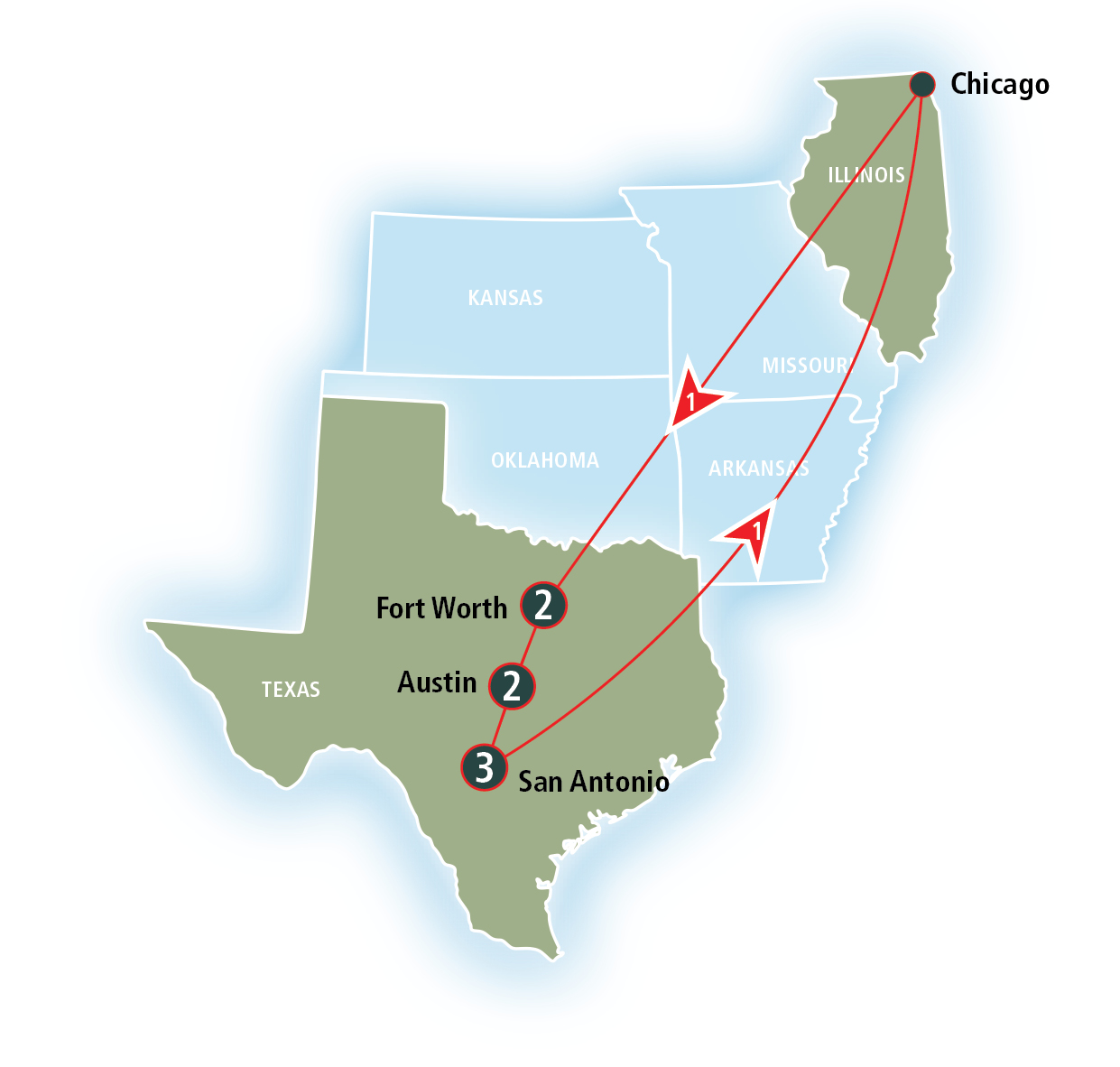
This comprehensive guide delves into the various ways to bridge the gap between these two iconic American regions, offering insights into travel options, potential routes, and the myriad of attractions that await you. Whether you’re planning a quick flight for a business stay, an adventurous road trip with family, or a leisurely train journey to soak in the scenery, understanding the logistics is key to crafting an unforgettable experience. We’ll explore everything from the practicalities of distance and duration to the exciting possibilities of what to see and do, helping you plan your perfect travel itinerary.
Understanding the Distance: Chicago to the Lone Star State
Texas is the second-largest state in the United States, meaning your final destination within its borders will significantly impact the total distance from Chicago. The journey typically involves traveling southwest across several states, including Missouri and Oklahoma, before reaching the Texas border.
Key Texas Cities and Distances
To give you a clearer picture, let’s break down the approximate distances and driving times to some of Texas’s major urban centers:
- Dallas, Texas:
- Distance: Approximately 930-950 miles (1,500-1,530 kilometers)
- Driving Time: Roughly 14-16 hours without significant stops. This typically requires at least one overnight stay, making it a two-day drive. Dallas is a major hub, offering a blend of modern attractions, historical sites like the Sixth Floor Museum, and a vibrant arts scene.
- Houston, Texas:
- Distance: Approximately 1,070-1,100 miles (1,720-1,770 kilometers)
- Driving Time: Around 16-18 hours without major stops. Similar to Dallas, this is comfortably a two-day drive. Houston is renowned for its contributions to space exploration at Space Center Houston, its diverse culinary scene, and its world-class museums.
- Austin, Texas:
- Distance: Approximately 1,020-1,050 miles (1,640-1,690 kilometers)
- Driving Time: About 15-17 hours without substantial breaks. Again, planning for an overnight stop is advisable. Austin, the “Live Music Capital of the World,” offers a unique blend of outdoor activities, a thriving food truck culture, and a laid-back, quirky atmosphere centered around its State Capitol.
- San Antonio, Texas:
- Distance: Approximately 1,080-1,110 miles (1,740-1,785 kilometers)
- Driving Time: Roughly 17-19 hours without significant pauses. Two days of driving is recommended for this route. San Antonio is rich in history, home to The Alamo and the famous River Walk, offering a charming blend of Spanish colonial heritage and modern attractions.
- El Paso, Texas:
- Distance: Approximately 1,450-1,480 miles (2,330-2,380 kilometers)
- Driving Time: A substantial 21-23 hours of pure driving, often requiring two or even three overnight stops. El Paso, in far West Texas, offers a distinct border culture and access to rugged desert landscapes, including proximity to Big Bend National Park.
These figures highlight that traveling to Texas from Chicago is a significant undertaking, irrespective of your chosen mode of transportation. Careful planning is essential to ensure a comfortable and enjoyable journey.
Choosing Your Mode of Transport: Flying, Driving, or Rail?
The decision of how to travel depends on your priorities: speed, cost, flexibility, and the desire to experience the journey itself. Each option offers a distinct set of advantages and considerations.
Flying: The Fastest Way South
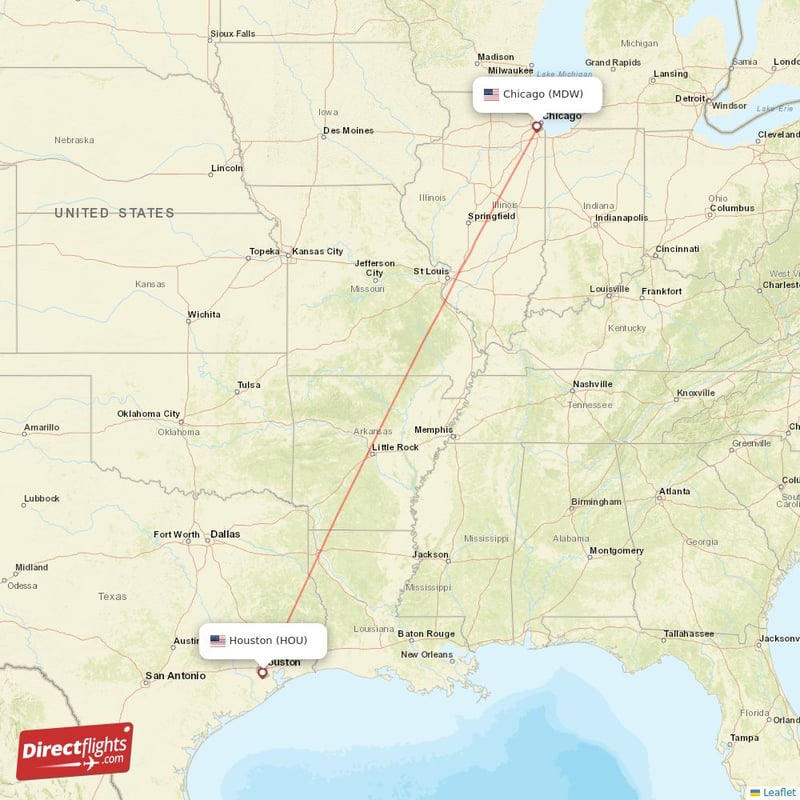
For those prioritizing speed and convenience, flying is undeniably the quickest option. Non-stop flights from Chicago to major Texas cities typically range from 2.5 to 3.5 hours.
- From Chicago: You’ll primarily depart from O’Hare International Airport (ORD) or, to a lesser extent, Midway International Airport (MDW). Both offer numerous daily flights to Texas.
- To Texas: Key arrival airports include Dallas/Fort Worth International Airport (DFW), George Bush Intercontinental Airport (IAH) in Houston, and Austin-Bergstrom International Airport (AUS).
- Pros: Fastest travel time, ideal for short trips or business stays, less physically demanding.
- Cons: Can be more expensive, especially during peak travel seasons. Requires additional time for airport security, check-in, and transfers to/from the airport. Baggage fees can add up. It also limits your ability to explore destinations along the way.
- Tips: Book flights well in advance for better deals. Consider budget airlines, but be aware of their luggage and seating policies. For accommodation, many hotels near major airports offer shuttle services, which can be convenient for early morning or late-night arrivals.
Driving: The Quintessential American Road Trip
A road trip from Chicago to Texas is an epic undertaking, offering unparalleled freedom and the chance to discover hidden gems along the way. As mentioned, expect at least 14-19 hours of pure driving, translating into a comfortable two-day journey for most destinations in central and eastern Texas.
- Route: The most common routes involve taking Interstate 55 (I-55) south from Chicago through St. Louis, then connecting to Interstate 44 (I-44) through Oklahoma City before merging onto Interstate 35 (I-35) which runs directly through Dallas, Fort Worth, and Austin, eventually reaching San Antonio. For Houston, you would typically divert from I-35 or I-44 onto I-30 or I-45.
- Pros: Ultimate flexibility, ability to carry more luggage, cost-effective for groups or families, opportunity for sightseeing and spontaneous stops, a true “experience.”
- Cons: Long driving hours can be tiring, fuel costs, wear and tear on your vehicle, potential for traffic delays.
- Tips: Plan your route and overnight stops in advance. Ensure your vehicle is in top condition. Pack snacks, water, and entertainment. Consider splitting driving duties if traveling with others. Budget for fuel, tolls, and accommodation.
Train and Bus: Scenic and Budget-Friendly Options
While slower than flying and less flexible than driving, train and bus travel offer unique advantages for certain types of travelers.
- Train (Amtrak): Amtrak offers routes connecting Chicago to various Texas cities, typically via routes like the Texas Eagle. This can be a relaxing way to travel, offering scenic views without the stress of driving.
- Pros: Comfortable seating, ability to move around, dining cars, scenic views, no need to navigate or deal with traffic.
- Cons: Considerably longer travel times (often 24-30+ hours, depending on connections and destination), less frequent schedules, can be more expensive than budget flights or driving for a solo traveler.
- Tips: Book a sleeper car for longer journeys for a more comfortable experience. Pack light but bring essentials for the journey.
- Bus (Greyhound): Greyhound provides a budget-friendly option with routes across the country, including direct connections from Chicago to major Texas cities.
- Pros: Most economical option, extensive network of routes.
- Cons: Longest travel times (often 20-30+ hours with transfers), less comfortable than train or plane, multiple stops.
- Tips: Pack comfort items like a neck pillow and blanket. Bring plenty of entertainment and snacks.
Embarking on a Road Trip Adventure: Pit Stops and Planning
For many, the journey from Chicago to Texas is synonymous with a classic American road trip. To make this extensive drive enjoyable and safe, careful planning is paramount.
Strategic Overnight Stays
Given the 14-19 hour driving duration to most central Texas destinations, an overnight stop is highly recommended. Popular halfway points often fall within Missouri or Oklahoma.
- St. Louis, Missouri: Roughly a 4-5 hour drive from Chicago, St. Louis offers the iconic Gateway Arch, a vibrant food scene, and numerous accommodation options ranging from luxury resorts to budget-friendly hotels. Staying here could break up the first leg into a manageable half-day drive.
- Kansas City, Missouri: If you opt for a slightly longer first day, Kansas City is another excellent choice, famous for its barbecue, jazz history, and vibrant districts. It’s about 8-9 hours from Chicago.
- Oklahoma City, Oklahoma: Situated about 12-13 hours from Chicago, Oklahoma City makes for a good second-day stop if you plan to drive deeper into Texas on day three. It offers Western heritage and a revitalized downtown area.
Booking your accommodation in advance, especially during peak travel seasons or around major holidays, is always a smart move. Look for hotels with good reviews, convenient access to the interstate, and amenities that suit your needs, such as free breakfast or a pool for family trips.
Road Trip Essentials
- Vehicle Check: Before you leave, have your car serviced. Check tires, oil, fluids, and brakes. Ensure your spare tire is in good condition.
- Navigation: While smartphones are excellent, a physical map or a dedicated GPS device can be a lifesaver in areas with poor cell service.
- Emergency Kit: Include jumper cables, a first-aid kit, a flashlight, blankets, and basic tools.
- Entertainment: Audiobooks, podcasts, playlists, and travel games for passengers are crucial for long stretches.
- Snacks and Drinks: Stock up on non-perishable snacks and plenty of water to minimize stops and save money.
- Comfort: Bring pillows, blankets, and comfortable clothing.
- Accommodation Booking: Use travel guides and booking platforms to find the best deals on hotels, motels, or resorts for your overnight stops. Websites offering reviews and comparison tools are invaluable.
Exploring the Lone Star State: What Awaits You
Upon arrival, Texas unfolds into a vibrant tapestry of cultures, landscapes, and attractions. From its rich history to its modern innovations, there’s something for every traveler.
Diverse Destinations and Attractions
- Dallas/Fort Worth: This metropolitan area offers a dynamic blend. In Dallas, explore world-class museums, upscale shopping, and historical sites. Fort Worth transports you to the Old West with its Stockyards National Historic District, cattle drives, and rodeo.
- Houston: The fourth-largest city in the U.S., Houston is a hub for space exploration, energy, and medical innovation. Visit Space Center Houston, stroll through the Museum District, or indulge in its diverse culinary scene.
- Austin: Known for its “Keep Austin Weird” motto, this capital city is famous for its live music scene on Sixth Street, outdoor activities like kayaking on Lady Bird Lake, and an abundance of food trucks. Don’t miss the State Capitol.
- San Antonio: Steeped in history, San Antonio boasts the iconic Alamo and the enchanting River Walk with its charming cafes and shops. Explore Spanish missions and experience a unique blend of Texan and Mexican culture.
- Coastal Texas: For beach lovers, cities like Galveston offer sandy shores, historic architecture, and a laid-back atmosphere.
- West Texas: Venture further west to experience the rugged beauty of Big Bend National Park, offering stunning desert landscapes, hiking, and stargazing opportunities.
Local Culture, Food, and Activities
Texas is a melting pot of influences, reflected in its rich local culture and world-famous food. Sample authentic Tex-Mex, savor mouth-watering barbecue, and explore the burgeoning craft beer scene. Engage in activities like line dancing, rodeo shows, or simply relaxing by a pool at one of the state’s many resorts. Every city offers unique experiences, from museums and art galleries to outdoor adventures and historical landmarks.
Planning Your Trip: Accommodation and Beyond
Successful travel to Texas from Chicago requires thoughtful planning, especially concerning your stays and overall lifestyle preferences.
Accommodation Choices for Every Traveler
Texas offers an extensive range of accommodation options to suit every budget and style of travel.
- Hotels: From luxury downtown suites in Dallas or Houston (Hyatt, Marriott, Hilton properties are abundant) to mid-range options and budget-friendly motels (Holiday Inn, Wyndham), you’ll find plenty of choices. Consider amenities like pools, fitness centers, and complimentary breakfast.
- Resorts: For a more luxurious or leisure-focused trip, Texas boasts impressive resorts, particularly around Austin, San Antonio, and Lake Texoma. These often include spas, golf courses, and fine dining.
- Apartments and Villas: For longer stays, family trips, or those seeking a more home-like experience, vacation rentals like apartments and villas are excellent choices. Many platforms allow you to search for options in cities like Plano, Irving, or Houston. This is particularly relevant for long-term stay scenarios.
- Budget Travel vs. Luxury Travel: Texas caters to both. Budget travelers can find affordable hotels, utilize public transport in major cities, and enjoy free attractions. Luxury travelers can opt for high-end resorts, chauffeur services, and exclusive dining experiences.
- Booking and Reviews: Always check recent reviews and use reputable booking sites. Comparison tools are invaluable for finding the best rates and ideal properties.
Practical Tips for a Smooth Journey
- Best Time to Visit: Spring (March to May) and Fall (September to November) offer the most pleasant weather in Texas, avoiding the intense summer heat and potential winter cold fronts.
- What to Pack: Layers are key, as temperatures can vary widely throughout the day. Don’t forget sunscreen, a hat, and comfortable walking shoes, especially if you plan on exploring cities or natural landmarks.
- Car Rental: If flying into Texas, a car rental is highly recommended for exploring, as public transportation outside of downtown areas can be limited.
- Tourism Information: Utilize local tourism boards and visitor centers upon arrival for the best tips on current events, local eateries, and must-see attractions.
- Business Stays: For those on business stays, consider hotels with dedicated workspaces, high-speed internet, and convenient access to convention centers or corporate offices.
In conclusion, the journey from Chicago to Texas is a substantial one, measured not just in miles but in the breadth of experiences it offers. Whether you opt for the swiftness of air travel, the freedom of a road trip, or the unique perspective of a train ride, meticulous planning will ensure your adventure to the heart of the Lone Star State is as smooth and enriching as possible. From the initial question of “how far” to the excitement of “what to do,” Texas promises a memorable visit for every traveler.