
Puerto Rico, often called the “Island of Enchantment,” holds a unique and complex position within the geopolitical landscape of the United States. More than just a tropical paradise, its status as a U.S. territory for over a century intertwines its vibrant Caribbean culture with American governance, economy, and society. This distinctive relationship not only defines the daily lives of its 3.2 million residents but also profoundly shapes its appeal as a world-class travel destination. For many, Puerto Rico offers the convenience of domestic travel for U.S. citizens – no passport required, same currency, and shared postal service – combined with the exotic allure of a distinct culture, breathtaking landscapes, and rich history. From the bustling streets of San Juan to the tranquil shores of its pristine beaches, understanding how Puerto Rico became and remains part of the United States is key to appreciating its multifaceted identity and its incredible draw for travelers seeking both familiarity and adventure. This article delves into the historical evolution, political intricacies, and profound implications of Puerto Rico’s connection to the U.S., exploring how this dynamic relationship creates an unparalleled experience for visitors and residents alike.

A Legacy Forged in History: Understanding Puerto Rico’s Political Status
The story of Puerto Rico’s relationship with the United States is a fascinating narrative spanning over 125 years, rooted in military conflict and evolving through various political transformations. To truly grasp its current status, one must look back at the pivotal moments that shaped its destiny, transitioning from a Spanish colony to an American territory. This historical journey reveals a complex interplay of conquest, legislation, and identity, forming the bedrock of Puerto Rico’s unique place in the modern world. Understanding these historical milestones is crucial for any traveler or resident seeking to comprehend the island’s present-day realities and its promising future.
The Treaty of Paris and Early American Influence
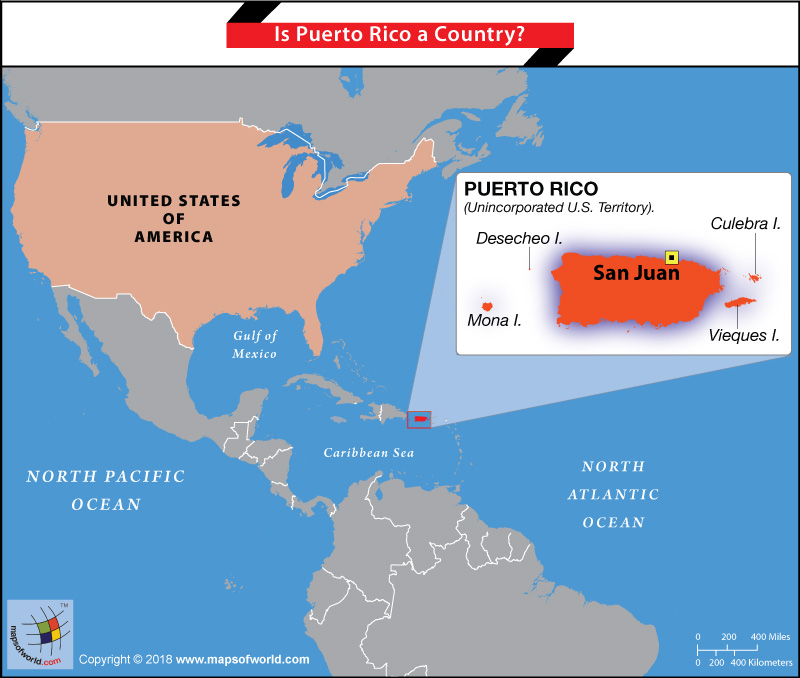
Puerto Rico’s journey into the American sphere began abruptly at the close of the 19th century. For over 400 years, the island had been a Spanish colony, developing a rich Spanish linguistic and cultural heritage, deeply influenced by the indigenous Taíno people and African traditions. However, the Spanish-American War of 1898 dramatically altered this trajectory. Following a swift military campaign, which saw American forces land in Guánica and advance across the island, Spain’s long reign came to an end. The ensuing Treaty of Paris, signed on December 10, 1898, formally concluded the conflict. Under its terms, Spain ceded Puerto Rico, Cuba, and Guam to the United States, and sold the Philippines for $20 million. This act transformed Puerto Rico into an unincorporated territory of the U.S.
Initially, Puerto Rico was governed by military rule, a period marked by significant Americanization efforts and infrastructure development. The U.S. immediately recognized the island’s strategic military importance in the Caribbean and its economic potential, particularly for agricultural production like sugar. During this time, the foundations for a modern public education system and public health initiatives were laid, often modeled after American institutions. For visitors today, exploring historical sites such as El Morro and Castillo San Cristóbal in Old San Juan offers a tangible connection to this era, standing as imposing reminders of both Spanish colonial rule and the subsequent American military presence that fortified the island. These landmarks serve as powerful symbols of the island’s strategic value and the early years of its integration into the American sphere, providing a rich backdrop for understanding the complexities of its identity.
From Territory to Commonwealth: A Unique Political Evolution
The period of military governance in Puerto Rico was relatively short-lived, paving the way for a more defined civil administration. In 1900, the Foraker Act was passed by the U.S. Congress, establishing a civilian government and classifying Puerto Rico as an unincorporated territory, meaning that the U.S. Constitution did not fully apply to it. This act also designated the U.S. dollar as the official currency, further embedding Puerto Rico into the American economic system. However, a significant turning point arrived in 1917 with the enactment of the Jones-Shafroth Act. This landmark legislation granted U.S. citizenship to all Puerto Ricans, allowing them to serve in the U.S. armed forces and providing them with greater political rights, though they still could not vote in U.S. presidential elections and had only non-voting representation in Congress. This act marked a profound shift, solidifying a critical aspect of Puerto Rico’s identity: its people were now, and continue to be, U.S. citizens.
The most significant development in Puerto Rico’s political status came in 1952 when it transitioned from a simple territory to a self-governing commonwealth, officially known as the Commonwealth of Puerto Rico (Estado Libre Asociado de Puerto Rico in Spanish). This change occurred after Puerto Ricans voted to adopt their own constitution, which was then approved by the U.S. Congress. Under this commonwealth status, Puerto Rico gained significant autonomy over its internal affairs, including the power to elect its own governor and legislative assembly. While the United States retained ultimate sovereignty over defense, foreign relations, and trade, the commonwealth arrangement provided a unique balance, granting local self-governance while maintaining strong ties to the U.S. This political evolution has profoundly influenced the island’s infrastructure, legal framework, and economic development, directly impacting the experience of travel and life on the island. For instance, the familiarity of U.S. postal services, federal agencies, and common legal practices provides a comforting ease for American travelers, while the local government’s autonomy allows for the preservation and promotion of a vibrant Puerto Rican culture that delights visitors.
The Ongoing Debate: Statehood, Independence, or Enhanced Commonwealth?
Despite the establishment of commonwealth status in 1952, the political future of Puerto Rico remains a subject of intense and ongoing debate. For decades, the island has grappled with the fundamental question of its ultimate relationship with the United States, a discussion that profoundly impacts its economy, social fabric, and even its appeal as a tourist destination. Three main political status options dominate the discourse: statehood, independence, and an enhanced commonwealth status. Each option has fervent supporters and significant implications for the island’s identity and future.
Proponents of statehood argue that full integration into the United States would provide Puerto Rico with equal rights and responsibilities, including voting representation in Congress, full access to federal funding and programs, and a stable economic environment. They believe statehood would attract more investment, boost the economy, and give Puerto Ricans the full democratic participation that current U.S. citizens enjoy. From a travel perspective, statehood might further streamline travel and business, potentially increasing tourism and hotel development, as it would solidify the island’s place as a domestic destination for American travelers.
Conversely, advocates for independence champion the idea of Puerto Rico becoming a sovereign nation, free from U.S. control. They argue that this would allow the island to fully develop its own distinct identity, forge its own international relations, and control its economic policies without federal oversight. While independence could initially present economic challenges, proponents believe it would foster a stronger sense of national pride and allow the island to chart a course tailored to its unique needs. An independent Puerto Rico might cultivate an even more distinct cultural tourism appeal, emphasizing its unique heritage without U.S. influence.
A third option involves enhancing the current commonwealth status, seeking greater autonomy from the United States while maintaining some form of association. This approach aims to strike a balance, retaining the benefits of U.S. citizenship and economic ties while expanding Puerto Rico’s powers over its own affairs, particularly in areas like trade and international agreements. This path seeks to optimize the existing framework, offering flexibility. The continuous referendums and political discussions reflect the deep divisions and the desire for self-determination among Puerto Ricans. Regardless of the outcome, the ongoing debate itself is a testament to the island’s dynamic political landscape, shaping its daily life and influencing its trajectory as a vibrant Caribbean destination that blends American convenience with a rich, unique cultural identity.
What Being a US Territory Means for Travelers and Residents
For anyone considering a trip to Puerto Rico or contemplating a longer stay, understanding its status as a U.S. territory is incredibly beneficial. This unique relationship translates into a blend of familiar comforts and exciting new experiences that distinguish it from many other Caribbean destinations. From the practicalities of travel logistics to the underlying economic and cultural dynamics, Puerto Rico’s affiliation with the United States significantly enhances its accessibility and appeal. It means travelers can expect certain standards and conveniences, while still immersing themselves in a profoundly distinct and vibrant island culture.
Travel Seamlessly: No Passports Required for US Citizens
One of the most compelling advantages of Puerto Rico’s status as a U.S. territory is the unparalleled ease of travel for United States citizens. Unlike international destinations, U.S. citizens traveling to Puerto Rico do not need a passport. A valid government-issued photo ID, such as a driver’s license, is sufficient for air travel, just as it would be for domestic flights within the continental U.S. This significantly simplifies travel planning and reduces potential hurdles, making the island an incredibly attractive and accessible vacation option for millions. The absence of immigration and customs checks upon arrival and departure further streamlines the process, allowing visitors to start their vacation immediately upon landing.
Beyond passports, several other aspects make travel to Puerto Rico feel like a domestic trip. The official currency is the U.S. dollar, eliminating the need for currency exchange and making budgeting straightforward. English and Spanish are the official languages, and while Spanish is dominant, English is widely spoken in tourist areas, hotels, and businesses, ensuring ease of communication for most visitors. U.S. domestic postal rates apply, and familiar U.S. cell phone plans typically work without roaming charges. Furthermore, numerous direct flights from major U.S. cities make reaching the island convenient and often more affordable than many international alternatives. This seamless travel experience positions Puerto Rico as an ideal destination for various types of travelers, from families seeking stress-free getaways to luxury travelers looking for high-end resorts without international travel complexities, and budget-conscious explorers wanting a taste of the Caribbean without the extra costs and paperwork of foreign travel. The ease of access directly contributes to the thriving tourism sector, making it a cornerstone of the island’s lifestyle and economy, and allowing for spontaneous trips and extended stays alike.
Economic Ties and Infrastructure: American Standards with Caribbean Flair
The economic relationship between Puerto Rico and the United States is deep and multifaceted, fundamentally shaping the island’s infrastructure and standard of living. As a U.S. territory, Puerto Rico operates within the U.S. economic system, utilizing the U.S. dollar as its currency and benefiting from federal programs and investments. This integration provides a level of economic stability and a framework for development that is often distinct from independent nations in the Caribbean. Federal aid and grants contribute significantly to public services, infrastructure projects, and disaster recovery efforts, helping to maintain roads, airports, and utilities that are vital for both residents and the tourism industry.
For travelers, this translates into a generally reliable infrastructure that supports a wide array of hotels and accommodation options, from luxurious resorts in Dorado and Condado to charming boutique hotels in Old San Juan and family-friendly villas in coastal towns like Fajardo. The island’s airports, like Luis Muñoz Marín International Airport in San Juan, meet U.S. safety and operational standards, ensuring a smooth arrival and departure experience. While there have been challenges, particularly in the wake of natural disasters, the ongoing federal support and recovery efforts consistently work towards strengthening the island’s infrastructure. The presence of major U.S. retailers, banking institutions, and familiar consumer goods further enhances the sense of familiarity for American visitors.
However, this “American standard” is beautifully infused with unmistakable Caribbean flair. While you might find familiar hotel chains, they often incorporate local design elements, Puerto Rican cuisine, and a distinct island ambiance. The blend of federal oversight and local governance creates a unique environment where modern amenities coexist with historic charm and natural beauty. This economic and infrastructural backbone ensures that whether visitors are enjoying a stay at a world-class resort or exploring the historical sites of Ponce, they benefit from a framework that prioritizes safety, convenience, and quality, making their travel experiences both comfortable and authentically enriching.
Cultural Crossroads: A Blend of American and Puerto Rican Identity
Puerto Rico’s status as a U.S. territory for over a century has cultivated a fascinating cultural tapestry where American influences seamlessly intertwine with deep-rooted Puerto Rican and Spanish traditions. This vibrant cultural crossroads is one of the island’s most captivating features, offering visitors an experience that is both familiar and distinctly unique. While American brands, holidays, and pop culture elements are present, they are often reinterpreted through a Puerto Rican lens, creating a dynamic fusion that permeates daily life.
The most evident example is language. While English is an official language, Spanish remains the dominant tongue, spoken with a unique Caribbean cadence and infused with local idioms. This linguistic duality is a constant reminder of the island’s bicultural identity. Food, too, is a magnificent reflection of this blend. Traditional Puerto Rican dishes like mofongo, lechón, and arroz con gandules stand proudly alongside American fast-food chains, often with a local twist. Culinary tourism thrives here, as visitors can explore everything from gourmet fusion restaurants in San Juan to authentic roadside kiosks (kioskos) offering local delicacies.
Music and festivals also showcase this rich blend. While American pop and hip-hop are popular, indigenous genres like plena, bomba, and salsa continue to pulsate through the island’s soul. Celebrations like the San Sebastián Street Festival in Old San Juan are vibrant showcases of Puerto Rican heritage, bursting with music, dance, and colorful parades, yet occurring within a U.S. political framework. This cultural fusion extends to the arts, architecture, and even the daily routines of islanders. The coexistence of American governmental structures, educational systems, and consumer markets with a fiercely proud and distinct Puerto Rican identity offers travelers an unparalleled opportunity to engage with a culture that is constantly evolving yet deeply anchored in its heritage. It’s a place where you can experience the best of both worlds, celebrating diversity within a familiar and welcoming environment.
Exploring Puerto Rico: A Traveler’s Paradise Under the US Flag
Beyond its complex political identity, Puerto Rico stands out as an unparalleled destination for travelers seeking diverse experiences. Its status as a U.S. territory means easy access, but its true allure lies in the vibrant tapestry of natural wonders, historical landmarks, luxurious accommodations, and rich cultural activities it offers. For those planning a trip, Puerto Rico is more than just a place; it’s an experience that combines the laid-back charm of the Caribbean with the conveniences and safety standards of the United States. It’s a testament to how its unique political status enhances rather than diminishes its appeal as a global tourism hotspot, catering to every travel style and preference.
Iconic Landmarks and Natural Wonders
Puerto Rico is a treasure trove of iconic landmarks and breathtaking natural wonders, each telling a story of the island’s rich history and ecological diversity. For any traveler, exploring these sites is an essential part of understanding the island’s soul. Perhaps the most famous natural attraction is El Yunque National Forest, the only tropical rainforest in the U.S. National Forest System. Here, visitors can hike lush trails, discover stunning waterfalls like La Mina, and marvel at the biodiversity, including the famous coqui frog. The rainforest offers an immersive experience into a vibrant ecosystem, distinct from any other natural landscape found in the continental United States.
On the historical front, Old San Juan is a UNESCO World Heritage site and a must-visit. Its cobblestone streets, colorful Spanish colonial architecture, and grand fortifications like El Morro and Castillo San Cristóbal transport visitors back in time. These centuries-old fortresses, built to protect the Spanish Empire’s colonial outpost, offer panoramic views of the ocean and the city, serving as powerful reminders of Puerto Rico’s strategic importance. Beyond San Juan, the island boasts other significant landmarks. The historic firehouse in Ponce, Parque de Bombas, with its distinctive red-and-black stripes, is a beloved architectural gem. The picturesque coffee haciendas in the central mountainous region provide a glimpse into the island’s agricultural heritage, often offering tours and tastings.
Puerto Rico is also renowned for its stunning coastline and offshore islands. Flamenco Beach on the island of Culebra consistently ranks among the world’s best beaches, famed for its crescent-shaped white sands and crystal-clear turquoise waters. The nearby island of Vieques is home to Mosquito Bay, one of the brightest bioluminescent bays in the world, where tiny microorganisms glow when disturbed, creating a magical natural light show. Whether exploring ancient forts, hiking through a rainforest, or swimming in phosphorescent waters, Puerto Rico’s landmarks and natural wonders offer an incredible array of experiences for every type of traveler, making it a prime destination for adventure, history, and natural beauty.
Accommodation and Lifestyle: From Luxury Resorts to Boutique Stays
Puerto Rico’s position as a U.S. territory, combined with its burgeoning tourism industry, has fostered a diverse and high-quality accommodation landscape, catering to every budget and lifestyle. Whether you’re seeking the ultimate in luxury, a charming boutique experience, or an affordable family-friendly option, the island delivers. This variety is a key component of its appeal for travelers, solidifying its reputation as a premier Caribbean destination under the United States flag.
For those desiring a lavish getaway, Puerto Rico is home to several world-class luxury resorts. Areas like Dorado boast properties such as the Ritz-Carlton Reserve Dorado Beach and St. Regis Bahia Beach Resort, offering opulent suites, championship golf courses, private beaches, and Michelin-starred dining. The vibrant districts of Condado and Isla Verde in San Juan are dotted with upscale hotels and resorts, including the Caribe Hilton and La Concha Renaissance San Juan Resort, providing direct beach access, lively casinos, and an array of amenities for an indulgent stay. These establishments cater to a luxury lifestyle, blending American standards of service with tropical elegance.
Beyond the grand resorts, Puerto Rico offers a plethora of charming boutique hotels, particularly within the historic walls of Old San Juan. Properties like Hotel El Convento, a beautifully restored former convent, provide a glimpse into colonial history while offering modern comforts and personalized service. These boutique stays cater to travelers seeking local culture and an intimate atmosphere. For families or those on a budget, numerous vacation rentals, guesthouses, and more affordably priced hotels can be found across the island, especially in popular beach towns and rural areas. Online booking platforms make finding apartments, villas, and long-term stay options convenient, allowing visitors to experience local life or enjoy extended vacations.
The island also supports various travel lifestyles, from adventure seekers camping near El Yunque National Forest to business travelers utilizing conference facilities in San Juan. The ease of booking, familiar consumer protections, and wide range of choices – from all-inclusive resorts to self-catering apartments – make accommodation planning straightforward. This comprehensive offering ensures that every visitor, regardless of their travel budget or desired experience, can find their perfect home away from home while exploring the wonders of Puerto Rico, cementing its status as a versatile destination for all.

Experiencing Puerto Rican Tourism: Culture, Cuisine, and Activities
Puerto Rico’s unique blend of Caribbean vibrancy and U.S. influence creates a tourism landscape brimming with diverse cultural experiences, mouth-watering cuisine, and an endless array of activities. For travelers, this means an immersive journey that satisfies all senses, whether you’re a history buff, a food enthusiast, an adrenaline junkie, or simply seeking relaxation. The island’s tourism sector is designed to highlight its distinct identity while offering familiar comforts, making it an accessible yet exotic destination.
Cultural immersion is at the heart of the Puerto Rican experience. In Old San Juan, visitors can wander cobblestone streets, admire colorful colonial architecture, and explore art galleries, artisan shops, and museums like the Museo de San Juan. Live music venues throughout the city pulsate with salsa, bomba, and plena rhythms, inviting visitors to dance the night away. Beyond San Juan, exploring smaller towns reveals local traditions, such as the masquerade festivals in Loíza or the laid-back charm of coastal communities, offering a deeper dive into the island’s rich heritage.
The culinary scene in Puerto Rico is a major draw, boasting a fusion of Spanish, African, and Taíno influences with a modern twist. Food tours in San Juan or Ponce offer opportunities to sample traditional dishes like mofongo, empanadillas, and savory lechón (roast pork). Don’t miss the opportunity to visit a local “kiosko” for authentic street food or enjoy fresh seafood by the beach. The island is also famous for its rum distilleries, with tours at places like Casa Bacardí providing insights into the history and production of this iconic spirit.
For the active traveler, Puerto Rico is an adventure playground. Its stunning coastline offers unparalleled opportunities for water sports, including surfing in Rincón, snorkeling and diving in the clear waters around Culebra and Vieques, and kayaking through the mesmerizing bioluminescent bays of Fajardo or La Parguera. Inland, hiking in El Yunque National Forest, zip-lining through lush canopies, or exploring subterranean cave systems like the Camuy River Cave Park offer thrilling experiences. Golf enthusiasts can enjoy world-class courses designed by legends like Robert Trent Jones Sr. and Tom Kite. Whether you’re seeking cultural enlightenment, gastronomic delights, or an adrenaline rush, Puerto Rico’s vibrant tourism scene promises an unforgettable journey, perfectly blending American accessibility with a distinct Caribbean soul.
In conclusion, Puerto Rico’s identity as a U.S. territory is a complex mosaic forged through over a century of shared history, political evolution, and cultural exchange. From its acquisition through the Treaty of Paris to the granting of U.S. citizenship via the Jones-Shafroth Act and the establishment of its unique commonwealth status, the island has charted a distinctive course. This relationship defines not only the rights and responsibilities of its residents but also profoundly shapes its character as a premier travel destination. For U.S. citizens, the ease of travel – no passports, familiar currency, and accessible infrastructure – makes exploring this Caribbean gem incredibly convenient.
Yet, beyond the practicalities, it is Puerto Rico’s vibrant cultural crossroads that truly captivates. It’s a place where Spanish and English dance in harmony, where traditional Puerto Rican cuisine coexists with global influences, and where a deep sense of identity thrives amidst American frameworks. From the historic fortresses of Old San Juan and the lush trails of El Yunque National Forest to the luxurious resorts of Dorado and the exhilarating bioluminescent bays, the island offers an astonishing array of experiences. Whether you seek relaxation on pristine beaches, adventure in natural wonders, or immersion in a rich culture, Puerto Rico’s status as part of the United States only enhances its allure, making it an accessible and profoundly rewarding destination for every kind of traveler.
LifeOutOfTheBox is a participant in the Amazon Services LLC Associates Program, an affiliate advertising program designed to provide a means for sites to earn advertising fees by advertising and linking to Amazon.com. Amazon, the Amazon logo, AmazonSupply, and the AmazonSupply logo are trademarks of Amazon.com, Inc. or its affiliates. As an Amazon Associate we earn affiliate commissions from qualifying purchases.