
The question of distance between Texas and New Orleans isn’t a simple one, as Texas itself is a vast state. However, for travelers planning a trip from the Lone Star State to the vibrant heart of Louisiana, understanding the key travel points and logistical considerations is paramount. Whether you’re considering a road trip from Houston, the largest city in Texas, or a journey from the historic streets of San Antonio, the travel times and routes can vary significantly, influencing your itinerary and expectations. This guide will explore the distances, primary travel methods, and factors that contribute to the overall journey, helping you prepare for an unforgettable excursion to the Crescent City.
The Road to the Crescent City: Distance and Driving Times
The primary method of travel between Texas and New Orleans for many is by car, a journey that offers flexibility and the opportunity to experience the changing landscapes between these two iconic Southern locales. The exact distance and time will depend on your starting point within Texas.
From Houston to New Orleans
Houston, the closest major Texas city to New Orleans, provides the most straightforward driving route. The distance is approximately 350 miles, and under optimal traffic conditions, the drive typically takes around 5 to 6 hours. The most common route is via Interstate 10 East (I-10 E), a major highway that directly connects these two cities. I-10 E winds through southern Louisiana, passing through towns and cities like Lake Charles. While the highway is generally well-maintained, drivers should be aware of potential traffic congestion, especially when nearing larger urban areas and during peak travel times.
From Dallas to New Orleans
For travelers starting in Dallas, the distance to New Orleans is considerably greater. The drive is approximately 500 miles, and it typically takes between 7.5 to 9 hours of pure driving time. The most common route involves taking I-20 East out of Dallas towards Shreveport, and then connecting with I-49 South which eventually merges with I-10 East to take you into New Orleans. This route offers a different scenic experience, passing through the piney woods of East Texas and the bayous of Louisiana. Due to the longer duration, many travelers opt to break up this journey with an overnight stay in a city like Shreveport or Baton Rouge.
From San Antonio to New Orleans
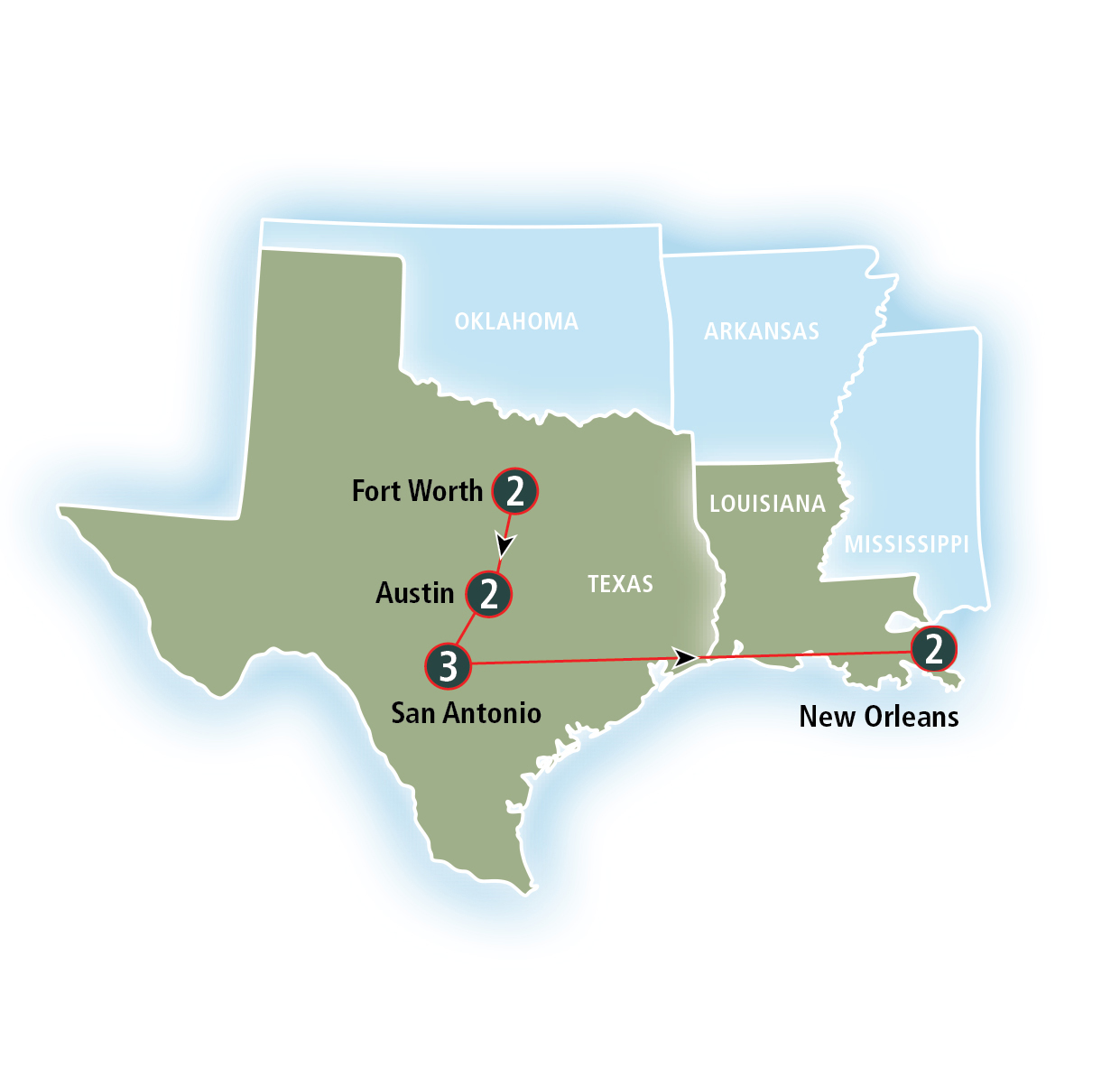
Starting from the historic charm of San Antonio adds another layer to the driving experience. The distance is around 540 miles, and the drive generally takes between 8 to 9.5 hours. The most direct route typically involves taking I-10 East for the majority of the journey, passing through cities such as Austin, Houston, and then continuing on I-10 E into Louisiana towards New Orleans. Similar to the Dallas route, this is a considerable drive, and planning for stops or an overnight stay is highly recommended for a more comfortable and enjoyable trip.
Factors Affecting Travel Time
Several factors can influence the actual driving time:
- Traffic: Major metropolitan areas like Houston and New Orleans can experience significant traffic delays, especially during rush hours, holidays, and major events.
- Road Construction: Unexpected road work or construction zones can cause slowdowns. It’s advisable to check real-time traffic apps before and during your journey.
- Weather Conditions: Severe weather, particularly thunderstorms or hurricanes during certain seasons, can impact driving conditions and safety, potentially leading to delays or the need to reroute.
- Stops: The estimated driving times do not include stops for gas, food, or rest. A typical road trip requires at least one or two stops for a journey of this length.
Alternative Travel: Flights and Other Options
While driving offers unparalleled freedom, other modes of transportation are available for those seeking a faster or different travel experience from Texas to New Orleans.
Air Travel
For those prioritizing speed, flying is the most efficient option. Major airports in Texas, such as George Bush Intercontinental Airport (IAH) and William P. Hobby Airport in Houston, and Dallas/Fort Worth International Airport (DFW) or Dallas Love Field in Dallas, offer direct flights to Louis Armstrong New Orleans International Airport (MSY).
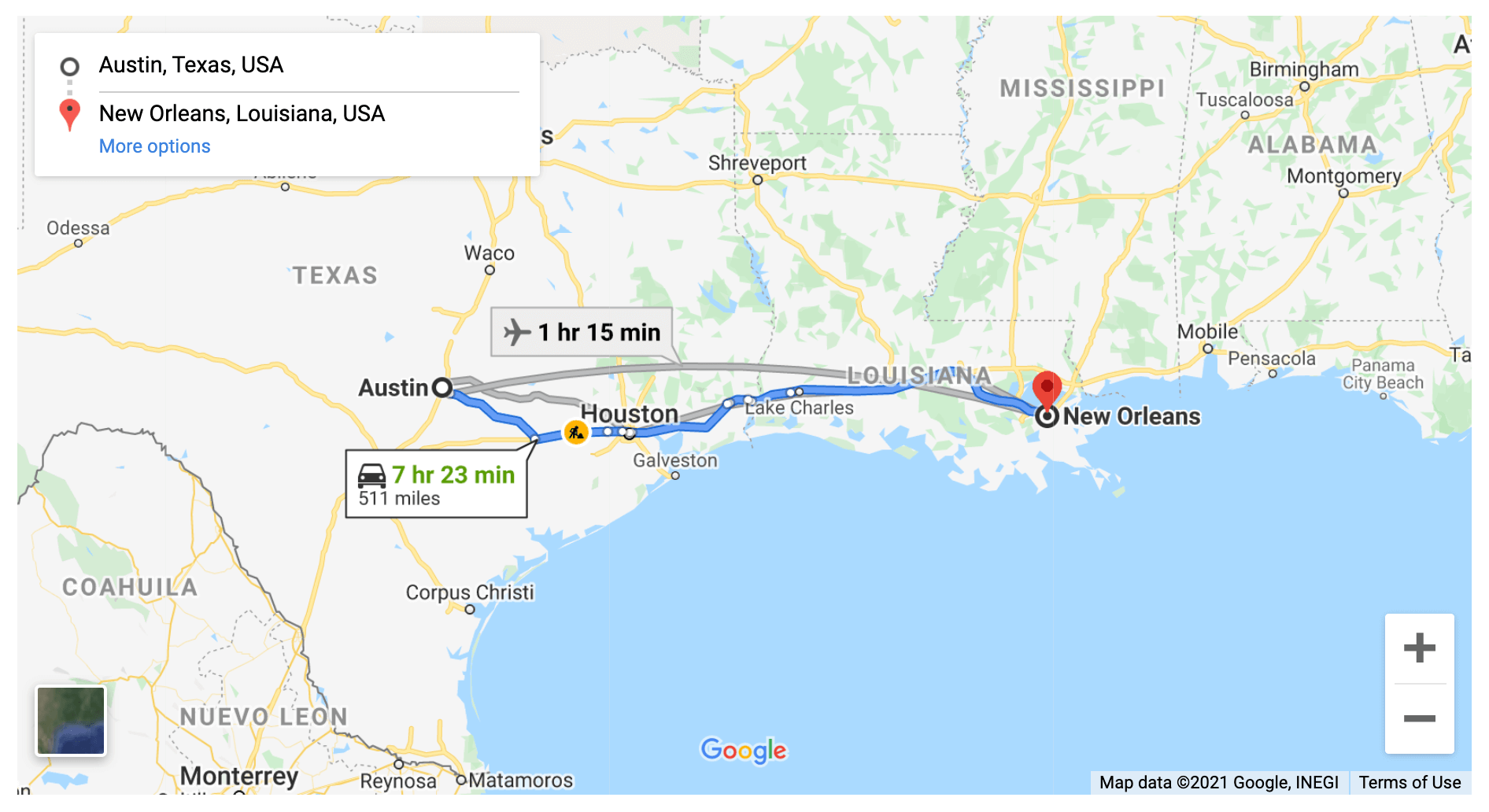
- Flight Duration: Direct flights from Houston to New Orleans are typically around 1 hour and 15 minutes. Flights from Dallas are usually a bit longer, around 1 hour and 30 minutes.
- Total Travel Time: When factoring in travel to the airport, check-in, security, boarding, and travel from the airport in New Orleans to your final destination, the total travel time can be comparable to a portion of the drive, but significantly reduces the active time spent in transit.
- Cost: Flight prices can vary widely based on the airline, booking time, and season. It’s recommended to compare prices across different carriers and booking platforms to find the best deals.
Train Travel
Amtrak offers a scenic, albeit slower, alternative. The most common route for Texas to New Orleans train travel would likely involve departing from a major station like Houston or Dallas and connecting through other cities. The journey is an experience in itself, allowing passengers to relax and enjoy the passing scenery without the stress of driving.
- Duration: Train journeys are significantly longer than driving or flying. A trip from Houston could take upwards of 10-12 hours, and from Dallas, it could be 15 hours or more, depending on connections.
- Comfort and Amenities: Amtrak offers various seating and sleeping accommodations, dining cars, and lounges, making it a comfortable option for those who enjoy extended journeys and a more leisurely pace.
Bus Travel
For budget-conscious travelers, bus services like Greyhound also operate routes between Texas cities and New Orleans.
- Duration: Bus journeys are generally the longest, often taking 10-15 hours or more, depending on the starting point and the number of stops.
- Cost-Effectiveness: Buses are typically the most affordable option for intercity travel, making them a popular choice for students and backpackers.
Planning Your Texas to New Orleans Journey
Regardless of your chosen mode of transport, careful planning is key to a successful trip from Texas to New Orleans.
Road Trip Considerations
If you opt for a road trip, consider the following:
- Vehicle Maintenance: Ensure your vehicle is in good working order, with checks on tires, brakes, fluids, and battery.
- Navigation: Utilize GPS devices or smartphone navigation apps, and consider having physical maps as a backup.
- Packing: Pack essentials such as water, snacks, a first-aid kit, emergency supplies, and entertainment for passengers.
- Accommodation: If planning an overnight stop, book your hotel in advance, especially during peak seasons or holidays. Many travelers choose to break up longer drives in cities like Baton Rouge, Alexandria, or Lake Charles.
- Interstate 10: As the primary artery, familiarize yourself with I-10 E, which will be your main route. Be aware of toll roads, particularly as you approach New Orleans.
Air Travel Logistics
For air travelers:
- Airport Choice: Select the most convenient airport in Texas and research transportation options to Louis Armstrong New Orleans International Airport (MSY).
- Ground Transportation in New Orleans: Upon arrival, consider options like ride-sharing services, taxis, airport shuttles, or rental cars to reach your accommodation.

Embracing the Journey
The distance between Texas and New Orleans is not merely a matter of miles but an invitation to explore. Whether you are driving through diverse landscapes, soaring above the clouds, or gliding along rail lines, the journey itself can be as enriching as the destination. New Orleans beckons with its unique culture, music, and cuisine, and understanding the travel dynamics from Texas is the first step in unlocking its magic.
LifeOutOfTheBox is a participant in the Amazon Services LLC Associates Program, an affiliate advertising program designed to provide a means for sites to earn advertising fees by advertising and linking to Amazon.com. Amazon, the Amazon logo, AmazonSupply, and the AmazonSupply logo are trademarks of Amazon.com, Inc. or its affiliates. As an Amazon Associate we earn affiliate commissions from qualifying purchases.