
Embarking on a nautical journey from the vibrant shores of Miami to the turquoise waters of The Bahamas is a quintessential adventure for many seafaring enthusiasts and vacationers. The allure of powdery white sands, crystal-clear oceans teeming with marine life, and a distinct island rhythm beckons travelers seeking an escape from the mainland bustle. While the exact distance and travel time can vary significantly depending on your specific destination within The Bahamas and the type of vessel you choose, understanding these key factors is crucial for planning a seamless and enjoyable voyage.
Defining Your Bahamian Destination
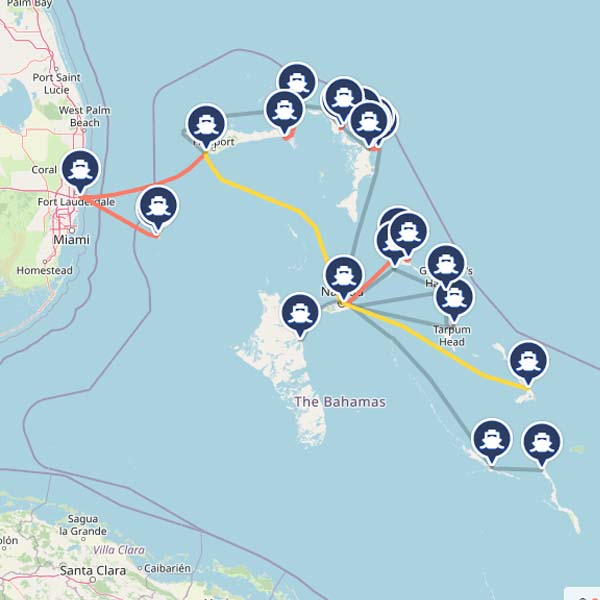
The Bahamas is an archipelago comprising over 700 islands and cays, each offering a unique charm and a diverse range of experiences. The proximity of these islands to Miami is not uniform. Generally, the closest points of The Bahamas are the northwestern islands, particularly the Bimini chain and Grand Bahama Island. These islands serve as the initial stepping stones into the Bahamian archipelago for many sea-bound travelers.
Bimini: The Gateway to The Bahamas
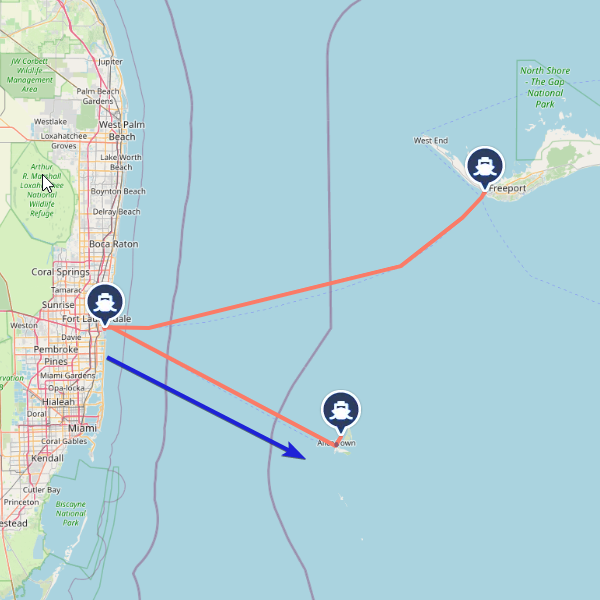
Bimini, often referred to as the “Gateway to The Bahamas,” is the closest Bahamian destination to Miami. The distance from Miami to North Bimini is approximately 50 nautical miles (about 57 statute miles or 93 kilometers). This relatively short distance makes Bimini a popular destination for day trips and weekend getaways for those with their own boats or charter services. The crossing can typically be completed in 2 to 4 hours, depending on boat speed and sea conditions.
Grand Bahama Island: A Broader Appeal
Grand Bahama Island, home to the city of Freeport, is situated slightly further east than Bimini. The distance from Miami to Freeport is around 70-80 nautical miles (approximately 80-92 statute miles or 130-148 kilometers). A boat journey to Grand Bahama Island typically takes between 4 to 6 hours, again, contingent on the speed of your vessel and the state of the ocean.
The Abacos and Beyond: Further Eastward Adventures
As you venture further into The Bahamas archipelago, the distances increase considerably. The Abaco Islands, for instance, lie approximately 120-150 nautical miles (about 138-173 statute miles or 222-278 kilometers) east-northeast of Miami. A voyage to this popular cruising ground could take anywhere from 8 to 12 hours, often necessitating an overnight passage or a stopover on a closer island. Islands further south like The Exumas or The Eleutheras are even more distant, with sea distances often exceeding 150-200 nautical miles (173-230 statute miles or 278-370 kilometers), requiring multi-day journeys.
Factors Influencing Travel Time
Several variables come into play when estimating the duration of a boat trip from Miami to The Bahamas. Understanding these can help set realistic expectations and ensure a more enjoyable experience.
Vessel Type and Speed
The most significant determinant of travel time is the type of boat and its cruising speed. A high-performance powerboat or a well-equipped yacht capable of maintaining higher speeds (e.g., 25-30 knots) will significantly reduce crossing times compared to a slower, displacement hull vessel or a smaller center console boat. For instance, a boat capable of 25 knots can cover 50 nautical miles in approximately 2 hours, while a boat cruising at 10 knots would take 5 hours for the same distance.
Sea Conditions and Weather
The Atlantic Ocean, while beautiful, can be unpredictable. Choppy seas, strong currents, and adverse weather conditions can dramatically impact speed and, consequently, travel time. Navigating through rough seas is not only uncomfortable but also forces boats to reduce speed for safety. It is imperative to check weather forecasts thoroughly before departing and throughout the journey. The Gulf Stream, a powerful ocean current flowing northeastward, can be a significant factor. Traveling east from Miami means crossing the Gulf Stream, which can either assist or hinder your progress depending on your precise heading and the current’s strength.
Direct Route vs. Scenic Cruising

The most direct route between Miami and your chosen Bahamian destination will yield the shortest travel time. However, many boaters opt for a more scenic or strategic route. This might involve stopping at a closer island like Bimini for a night before proceeding to a more distant location, or charting a course that takes advantage of calmer waters or interesting points of interest along the way. Such deviations will naturally extend the overall journey.
Preparing for Your Nautical Expedition
A successful boat trip to The Bahamas requires meticulous planning and preparation, extending beyond just charting the course.
Vessel Preparation and Safety
Before setting sail, ensure your vessel is in optimal condition. This includes thorough checks of the engine, fuel systems, navigation equipment, safety gear (life jackets, flares, first-aid kit), and communication systems. Having a reliable VHF radio and possibly a satellite phone is highly recommended for staying in contact. Ensure you have sufficient fuel for the round trip, plus a reserve, as fuel availability in some remote Bahamian locations can be limited or expensive.
Navigation and Documentation
Accurate navigation is paramount. Relying solely on GPS can be risky; it’s wise to have paper charts as a backup. Understanding nautical charts, buoyage systems, and potential hazards like reefs and shallow areas is crucial. All occupants should have valid passports, and the vessel must carry all necessary documentation, including registration, insurance, and proof of seaworthiness. For The Bahamas, you will need to clear customs and immigration upon arrival. Information on customs regulations and boaters’ requirements can be found through official Bahamian government channels.
Cruising Permits and Fees
Boaters entering The Bahamas by private vessel are generally required to obtain a cruising permit. This permit allows you to visit multiple islands within the archipelago. The cost varies depending on the length of your stay and the size of your boat. It’s advisable to research the current requirements and fees through official sources before your trip. Clearing into The Bahamas involves visiting a customs and immigration office, typically located at designated ports of entry.
The Experience of Arriving in The Bahamas
The moment your vessel sights the distinctive hues of Bahamian waters is an unforgettable experience. The transition from the deep blue of the open ocean to the vibrant turquoise and emerald shallows is breathtaking. As you approach an island, the lush tropical vegetation and charming settlements come into view, signaling the end of your voyage and the beginning of your island adventure. Docking at a marina or anchoring in a secluded bay offers a sense of accomplishment and the promise of relaxation and exploration.
Customs and Immigration Procedures
Upon arrival at your chosen port of entry in The Bahamas, you will need to proceed through customs and immigration. This typically involves presenting your passports, vessel documentation, and completing necessary forms. Officials will guide you through the process. Be prepared for thorough checks of your vessel and belongings. Once cleared, you are free to explore the islands at your leisure.
Marina Facilities and Services
Many of the popular islands in The Bahamas, such as Nassau, Freeport, and parts of the Abacos, boast well-equipped marinas. These facilities often provide amenities like electricity, water, showers, laundry services, and provisioning stores. For those seeking a more secluded experience, anchoring in designated bays or coves is also an option, though this requires careful attention to depth, seabed composition, and potential weather exposure.
Conclusion: A Rewarding Nautical Pursuit
The question of “How far is The Bahamas from Miami by boat?” is not a simple distance calculation but an invitation to embark on a journey filled with preparation, anticipation, and ultimately, reward. The closest islands offer a readily accessible paradise, with journeys to Bimini and Grand Bahama Island being achievable for a long day trip or a short weekend. For those with more time and a thirst for deeper exploration, the further reaches of the archipelago present a world of discovery, navigable with proper planning and a spirit of adventure. Whether you seek a quick escape or an extended cruising holiday, the marine route from Miami to The Bahamas promises an experience that is both exhilarating and profoundly enriching.
LifeOutOfTheBox is a participant in the Amazon Services LLC Associates Program, an affiliate advertising program designed to provide a means for sites to earn advertising fees by advertising and linking to Amazon.com. Amazon, the Amazon logo, AmazonSupply, and the AmazonSupply logo are trademarks of Amazon.com, Inc. or its affiliates. As an Amazon Associate we earn affiliate commissions from qualifying purchases.