
The allure of the Grand Canyon, a monumental testament to geological history and the raw power of nature, draws millions of visitors annually. For many, a trip to this iconic U.S. landmark is seamlessly combined with a vibrant stay in Las Vegas, Nevada. The dazzling lights and endless entertainment of Las Vegas serve as a perfect prelude or a thrilling conclusion to the profound serenity of the canyon. However, a common question arises for first-time visitors: exactly how far is the Grand Canyon from Las Vegas, and which rim offers the best experience for their travel plans?
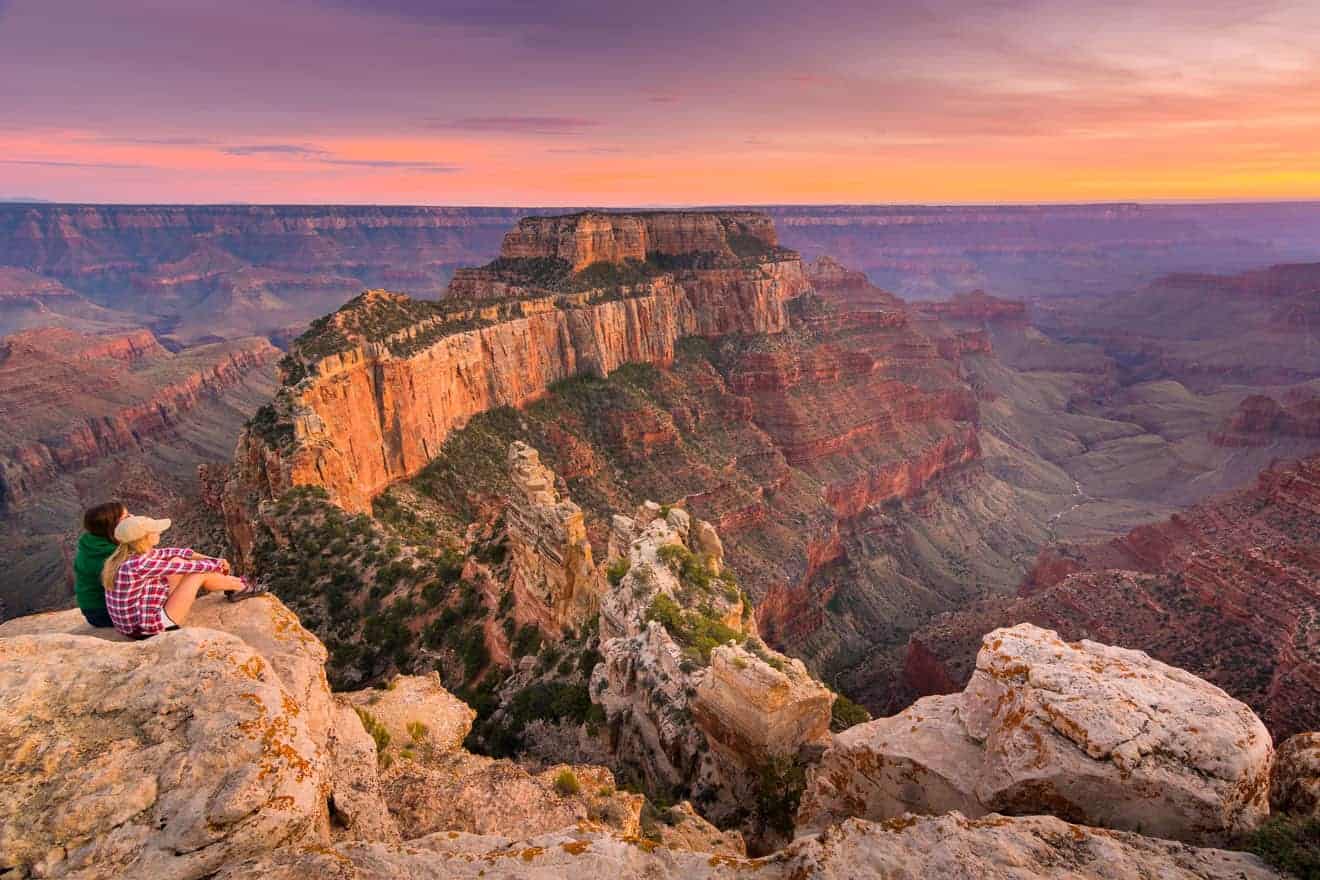
Understanding the distance and diverse options available is key to planning an unforgettable journey. The Grand Canyon isn’t a single destination but rather a vast chasm with multiple accessible rims, each offering distinct viewpoints, activities, and travel times from Las Vegas. The three primary rims that tourists typically visit are the West Rim, the South Rim, and the North Rim. Each presents a unique experience and varying degrees of accessibility, impacting travel distance, time, and the overall itinerary. This comprehensive guide will break down the distances, travel times, and unique characteristics of each rim, alongside practical advice for transportation, accommodation, and making the most of your adventure from the heart of Nevada.
Unveiling the Journey: Las Vegas to the Grand Canyon
The journey from Las Vegas to the Grand Canyon is more than just a drive; it’s an transition from urban spectacle to natural wonder, often peppered with scenic stops and unique attractions along the way. The choice of which rim to visit largely depends on your available time, desired experience, and whether you prefer convenience, classic views, or serene seclusion.
The Grand Canyon West Rim: A Closer Look
Often the most popular choice for day-trippers from Las Vegas due to its relative proximity, the Grand Canyon West Rim offers a blend of accessibility and thrilling activities. It is situated on the Hualapai Indian Reservation, providing visitors with a distinct cultural experience alongside breathtaking views.
- Distance from Las Vegas: Approximately 120 miles (193 km)
- Driving Time: Roughly 2 to 2.5 hours
Key Attractions and Experiences at the West Rim:
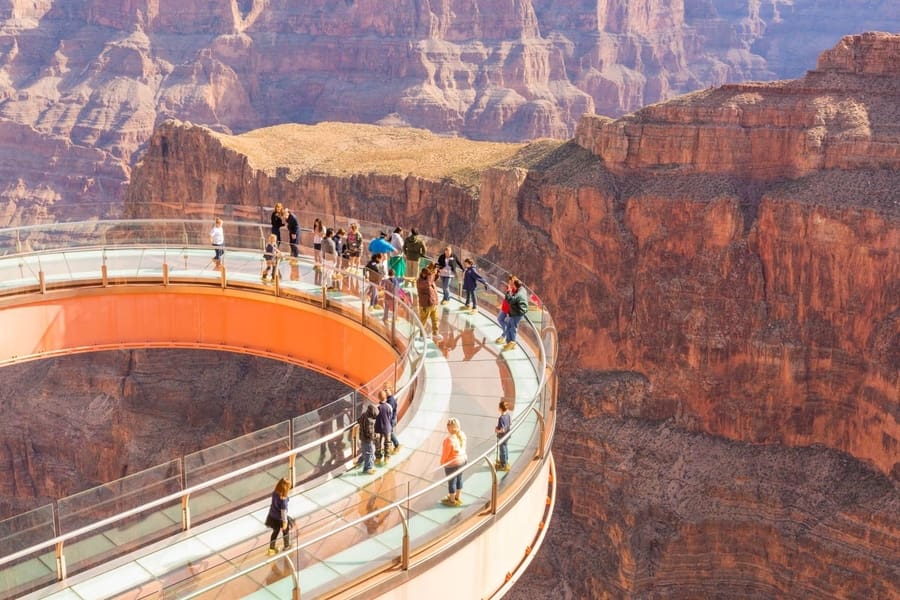
The West Rim is famously home to the Grand Canyon Skywalk, a horseshoe-shaped glass bridge that extends 70 feet over the canyon’s edge, offering an unparalleled, albeit vertigo-inducing, view 4,000 feet above the canyon floor. Beyond the Skywalk, visitors can explore Eagle Point (named for a natural rock formation resembling an eagle) and Guano Point, which boasts 360-degree panoramic views and remnants of a historic tramway used for mining guano. Other activities include zip-lining, helicopter tours that descend to the canyon floor, pontoon boat rides on the Colorado River, and cultural performances by the Hualapai people. While the views are spectacular, it’s important to note that the West Rim is not part of the Grand Canyon National Park, meaning National Park passes are not valid here, and entry fees are managed by the Hualapai Tribe. Its proximity makes it ideal for those seeking a shorter travel day with high-adrenaline options.
The Grand Canyon South Rim: The Classic Experience
The Grand Canyon South Rim is by far the most visited and iconic section of the Grand Canyon National Park. It offers the classic, expansive vistas often seen in postcards and films, with numerous viewpoints, extensive hiking trails, and well-developed visitor services.
- Distance from Las Vegas: Approximately 280 miles (450 km)
- Driving Time: Roughly 4 to 5 hours
Key Attractions and Experiences at the South Rim:
The South Rim provides an authentic and comprehensive Grand Canyon experience. Popular viewpoints include Mather Point, Yavapai Point, and the Desert View Watchtower, each offering unique perspectives of the canyon’s immense scale. For those looking to explore below the rim, iconic trails like the Bright Angel Trail and the South Kaibab Trail offer challenging but rewarding hikes, often requiring overnight stays at Phantom Ranch at the canyon floor. The Grand Canyon Village serves as a hub with historic lodges, restaurants, and visitor centers. Given the longer travel time, a visit to the South Rim is often best suited for an overnight stay, allowing for deeper exploration and enjoying the breathtaking sunrises and sunsets over the canyon. Many visitors opt to stay in nearby towns like Williams or Flagstaff, Arizona, and take the historic Grand Canyon Railway directly into the park, adding a touch of vintage charm to their trip.
The Grand Canyon North Rim: The Secluded Escape
For travelers seeking solitude, rugged beauty, and a different perspective, the Grand Canyon North Rim is an exceptional choice. It’s significantly less crowded than the South Rim due to its remote location and shorter operating season (typically May to October). Situated at a higher elevation (over 8,000 feet), it offers cooler temperatures and a more forested, alpine environment.
- Distance from Las Vegas: Approximately 270 miles (435 km)
- Driving Time: Roughly 4.5 to 5 hours (but often longer due to winding roads)
Key Attractions and Experiences at the North Rim:
While the mileage from Las Vegas is comparable to the South Rim, the drive to the North Rim takes longer because the canyon acts as a natural barrier, requiring a lengthy detour through Utah. The North Rim provides distinctly different views, characterized by denser vegetation and a feeling of greater immersion in nature. Key viewpoints include Bright Angel Point, Cape Royal, and Point Imperial, the highest point on either rim. Activities lean towards backcountry hiking, wildlife viewing, and enjoying the tranquility. Lodging options are limited to the historic Grand Canyon Lodge North Rim and a few campgrounds, necessitating advance reservations. The North Rim is ideal for multi-day trips and for those who prioritize a quieter, more reflective canyon experience.
Navigating Your Way: Transportation Options
Once you’ve decided which rim suits your adventure, the next step is to determine the best mode of transportation from Las Vegas. Each option offers a different balance of flexibility, cost, and convenience.
Self-Driving Adventures
Renting a car in Las Vegas and driving yourself to the Grand Canyon offers unparalleled flexibility. This is often the most cost-effective option for groups or families and allows you to explore at your own pace, stopping at interesting sights along the way.
Pros:
- Flexibility: Create your own itinerary, stop whenever and wherever you like.
- Cost-Effective: Often cheaper for groups than booking individual tour seats.
- Scenic Detours: Opportunity to visit landmarks like the Hoover Dam (a popular stop on the way to the West Rim), Lake Mead, Boulder City, or historical towns along Historic Route 66 like Kingman and Seligman on the way to the South Rim.
Considerations:
- Navigation: While routes are straightforward, a reliable GPS or map app is essential, especially in areas with limited cell service.
- Driving Fatigue: Long drives, especially to the South or North Rims, can be tiring. Consider an overnight stay to break up the journey and fully enjoy the canyon.
- Parking: Parking at the Grand Canyon can be challenging during peak season, particularly at the South Rim where shuttle buses are often required to access many viewpoints.
Guided Tours: Convenience and Insight

For those who prefer a hassle-free experience, a guided tour from Las Vegas is an excellent option. Numerous tour operators offer various packages, from budget-friendly bus tours to more luxurious small-group excursions.
Pros:
- Convenience: Transportation, entry fees, and often meals are included. No need to worry about driving, navigation, or parking.
- Expert Guides: Knowledgeable guides provide historical context, geological facts, and local insights, enriching your understanding of the canyon.
- Safety: Professional drivers navigate unfamiliar roads, allowing you to relax and enjoy the scenery.
Types of Tours:
- Bus Tours: The most common and economical option, offering tours to both the West and South Rims.
- Small-Group Tours: Provide a more personalized experience, often in comfortable vans or SUVs, allowing for more flexibility than large bus tours.
- Overnight Tours: Combine transportation and accommodation, ideal for a more in-depth exploration of the South or North Rims.
Aerial Spectacle: Helicopter and Airplane Tours
For the ultimate scenic experience and to cover distance quickly, helicopter or airplane tours offer breathtaking aerial views of the Grand Canyon.
Pros:
- Spectacular Views: See the canyon’s immense scale and intricate geology from a unique vantage point.
- Time-Saving: The quickest way to experience the Grand Canyon from Las Vegas, making it perfect for those with limited time.
- Unique Experiences: Many helicopter tours offer landings on the canyon floor at the West Rim, often including a champagne toast or pontoon boat ride on the Colorado River.
Considerations:
- Cost: Aerial tours are significantly more expensive than ground tours or self-driving.
- Limited Ground Exploration: While you get incredible aerial views, ground time at the rims may be limited, especially with helicopter tours.
Planning Your Grand Canyon Expedition
A well-planned trip enhances any travel experience, and a journey to the Grand Canyon is no exception. Considering the vastness of the park and the distance from Las Vegas, some strategic planning can make all the difference.
Optimal Time to Visit
The Grand Canyon is a year-round destination, but the best time to visit depends on your preferences for weather and crowds.
- Spring (March-May) and Fall (September-November): Generally considered the best times, offering pleasant temperatures for hiking and fewer crowds than summer. The North Rim typically opens in mid-May and closes in mid-October.
- Summer (June-August): Popular due to school holidays, but temperatures at the South and West Rims can be very hot, especially during midday. Expect larger crowds and longer waits.
- Winter (December-February): Offers a unique, serene experience with snow-dusted canyon walls, particularly at the South Rim. Crowds are minimal, but some roads and services may be closed due to snow. The North Rim is completely closed in winter.
Essential Packing and Preparation
Regardless of the season, being prepared is crucial for a comfortable and safe visit.
- Layers: Temperatures can vary greatly between day and night, and even between different points in the canyon.
- Water and Snacks: Crucial for hydration, especially if hiking. Water refill stations are available at visitor centers.
- Sun Protection: Sunscreen, a wide-brimmed hat, and sunglasses are essential, even on cloudy days.
- Comfortable Footwear: Sturdy walking shoes are a must, especially if you plan to do any hiking.
- Camera: To capture the incredible scenery.
- Binoculars: For spotting wildlife and distant geological features.
- First-Aid Kit: For minor scrapes or blisters.
Accommodation and Dining Considerations
If planning an overnight stay, particularly at the South or North Rims, booking accommodation well in advance is highly recommended. Lodging options within the Grand Canyon National Park (like the historic lodges at the South Rim or the Grand Canyon Lodge North Rim) can book up a year in advance. Alternatives include hotels in nearby gateway towns such as Williams or Flagstaff for the South Rim, or Page, Arizona and Kanab, Utah for the North Rim.
Dining options range from casual cafeterias to more upscale restaurants within the park and in surrounding towns. It’s wise to pack some snacks and drinks for your drive, especially given the remote nature of some areas. For those visiting the West Rim, dining is available at Eagle Point and Guano Point, offering meals with a view.
Making the Most of Your Grand Canyon Experience
A trip to the Grand Canyon is more than just sightseeing; it’s an immersive experience that can be tailored to various interests, from thrilling adventures to serene contemplation.
Must-See Attractions and Activities
Beyond the iconic viewpoints, consider these activities to enhance your visit:
- Hiking: Even short walks along the rim trails offer stunning views. For more adventurous hikers, descending into the canyon on trails like the Bright Angel Trail or South Kaibab Trail provides a unique perspective of the immense rock layers. Always plan your hike, carry plenty of water, and be aware of weather conditions.
- Photography: The ever-changing light and shadows create endless photographic opportunities. Sunrise and sunset are particularly magical, painting the canyon in hues of red, orange, and purple.
- Stargazing: Far from city lights, the Grand Canyon offers some of the darkest skies in the United States, making it an ideal spot for stargazing. The South Rim is an International Dark Sky Park.
- Ranger Programs: Offered at the South and North Rims, these free programs provide fascinating insights into the canyon’s geology, wildlife, and cultural history.
- River Rafting: For an epic adventure, multi-day rafting trips down the Colorado River offer an unparalleled perspective from the bottom of the canyon. These require significant advance planning and booking.
Beyond the Rims: Nearby Wonders
If you have extra time, consider extending your trip to explore other remarkable natural attractions in the region:
- Havasupai Falls: Located within the Havasupai Indian Reservation near the West Rim, these stunning turquoise waterfalls require a permit, a long hike, and an overnight stay, but are truly unforgettable.
- Antelope Canyon and Horseshoe Bend: These iconic slot canyons and a majestic river bend are located near Page, Arizona, a few hours east of the Grand Canyon South Rim. Tours to Antelope Canyon must be guided by a Navajo tour operator.
- Zion National Park and Bryce Canyon National Park: Both located in Utah, these parks offer dramatically different but equally stunning landscapes, often combined with a North Rim visit for an epic Southwest road trip. Zion, with its towering sandstone cliffs and the Virgin River, is accessible via Springdale, while Bryce Canyon captivates with its unique “hoodoo” rock formations.
Final Thoughts: Your Grand Canyon Adventure Awaits
The journey from the glitz and glamour of Las Vegas to the profound natural beauty of the Grand Canyon is a quintessential American Southwest experience. Whether you opt for the quick adrenaline rush of the West Rim, the classic grandeur of the South Rim, or the serene isolation of the North Rim, careful planning will ensure your trip is seamless and truly memorable. Consider your time constraints, budget, and desired level of adventure when selecting your destination and mode of transport. From self-drive road trips complete with Route 66 nostalgia and stops at the Hoover Dam, to fully guided tours and breathtaking aerial expeditions, there’s a perfect Grand Canyon adventure awaiting every traveler. Prepare to be awestruck by one of the world’s most magnificent natural wonders, an experience that will undoubtedly remain etched in your memory long after you return to the vibrant energy of Las Vegas.
LifeOutOfTheBox is a participant in the Amazon Services LLC Associates Program, an affiliate advertising program designed to provide a means for sites to earn advertising fees by advertising and linking to Amazon.com. Amazon, the Amazon logo, AmazonSupply, and the AmazonSupply logo are trademarks of Amazon.com, Inc. or its affiliates. As an Amazon Associate we earn affiliate commissions from qualifying purchases.