
The question of “how far” between Tijuana, Mexico, and San Diego, California, is often posed by curious travelers and those contemplating a cross-border adventure. While geographically the distance is minimal, the actual travel experience is far more nuanced, influenced by border dynamics, transportation choices, and the rhythm of daily life in two bustling international cities. For those planning a trip, understanding this dynamic is key to a seamless and enjoyable journey.
The Proximity: A Border City Connection
San Diego and Tijuana share one of the busiest land borders in the world, a testament to their deep economic, social, and cultural ties. These two vibrant metropolises are not just neighbors; they are integrally connected, forming a unique binational region. The proximity is a defining characteristic, offering travelers in Southern California unparalleled access to a distinct international experience.
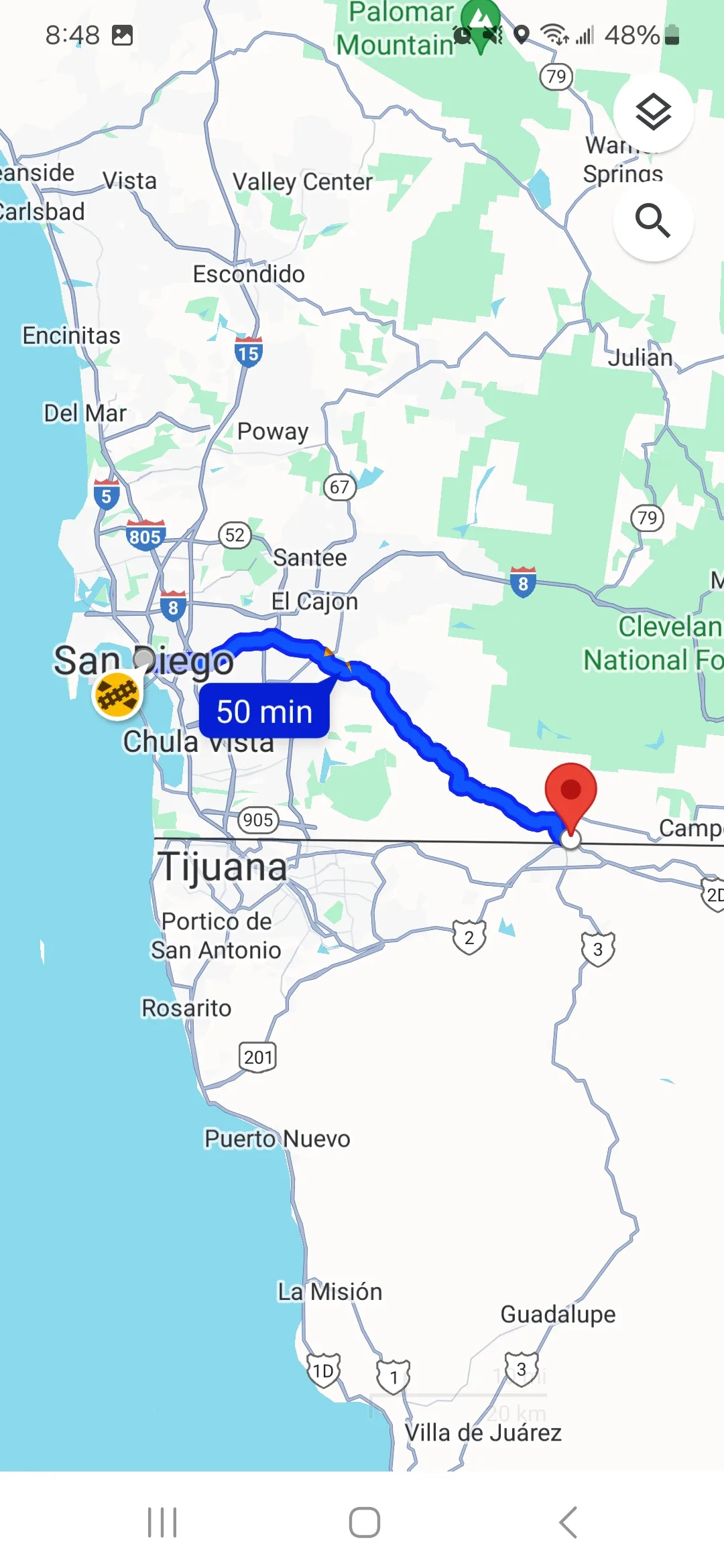
The primary points of entry between these two cities are the San Ysidro Port of Entry and the Otay Mesa Port of Entry. San Ysidro is famously the busiest land border crossing in the Western Hemisphere, accommodating millions of pedestrian and vehicle crossings annually. Otay Mesa, located slightly to the east, primarily serves commercial traffic but also offers a viable option for private vehicles and some pedestrian crossings, often with shorter wait times. This dual gateway system underscores the massive volume of movement between Mexico and the United States.
Direct Distance vs. Travel Time
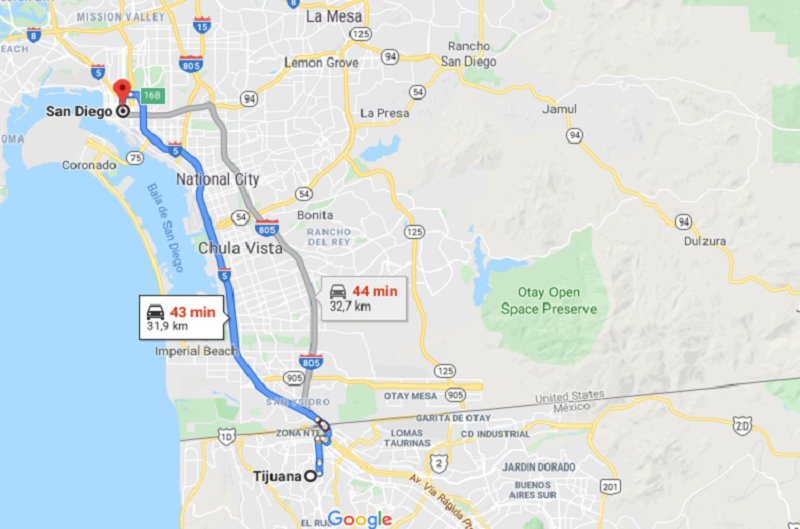
In terms of direct linear distance, Tijuana is practically contiguous with San Diego. From Downtown San Diego, the border is approximately 15-20 miles (24-32 kilometers) south, depending on the specific starting point and which port of entry you aim for. This short distance suggests a quick trip, but the reality for travelers involves far more than just mileage.
The true measure of “how far” is often better expressed in travel time, which can vary dramatically. What might be a 20-minute drive on the American side to reach the border can easily become an hour or more of total travel time, primarily due to the procedures and potential queues at the port of entry. Factors such as the day of the week, time of day, holidays, and special events can transform a seemingly short journey into a significant time commitment. Understanding this distinction between geographic distance and actual travel duration is paramount for any traveler planning to cross into Tijuana.
Navigating the Border: Modes of Transportation
Traveling between San Diego and Tijuana offers several distinct modes of transportation, each with its own advantages and considerations. The choice often depends on the traveler’s preference for convenience, cost, and desired border crossing experience.
Driving Across the Border
For many, driving their own vehicle into Mexico offers the greatest flexibility, allowing for spontaneous exploration beyond the immediate border zone. However, this convenience comes with specific requirements and potential challenges. All vehicles driving into Mexico are legally required to have Mexican auto insurance, which can be purchased online or at various outlets near the border. Standard U.S. insurance policies are generally not recognized in Mexico.
Traffic approaching the border, particularly on I-5 South and I-805 South in San Diego, can be heavy during peak hours, weekends, and holidays. Once in Tijuana, parking can be a concern, especially in bustling areas like Avenida Revolución. Many travelers opt for secure, paid parking lots.
The return journey to the USA typically involves significantly longer wait times, especially for vehicles. Both the San Ysidro and Otay Mesa ports of entry have multiple lanes for northbound traffic, but processing can be slow. Travelers should always have their passports or other valid travel documents readily available for U.S. Customs and Border Protection officers.
Pedestrian Crossing
Walking across the border is arguably the most popular and often the most efficient method for day-trippers. The San Ysidro Port of Entry offers two main pedestrian crossings: PedWest and PedEast. PedWest, located west of I-5, offers a modern facility and direct access to Tijuana’s Zona Río. PedEast is directly adjacent to the San Ysidro Transit Center and leads directly to the heart of downtown Tijuana near Avenida Revolución.
The pedestrian crossing is typically faster than driving, especially when returning to the USA. Upon entering Mexico, travelers are often waved through with minimal checks, though a quick stop at the Mexican immigration booth for a FMM (Forma Migratoria Múltiple) is technically required for stays longer than 7 days or if traveling beyond the immediate border zone. Re-entering the USA as a pedestrian involves waiting in line, presenting your passport or Global Entry card, and answering a few questions from CBP officers.
Public Transportation and Ride-Sharing
Public transportation provides a convenient way to reach the border from San Diego. The San Diego Trolley’s Blue Line extends directly to the San Ysidro Transit Center, making it an accessible option from various points in San Diego. From the transit center, it’s a short walk to either PedEast or PedWest.
Once across the border, travelers can easily utilize Tijuana’s extensive network of taxis and ride-sharing services like Uber or Didi to navigate the city. For those flying out of Tijuana International Airport (TIJ), the Cross Border Xpress (CBX) offers a unique pedestrian skybridge that connects a facility on the U.S. side directly to the airport terminal on the Mexican side, bypassing border queues entirely for ticketed passengers.
Factors Influencing Travel Time
While the geographical distance is minimal, several critical factors profoundly influence the actual time it takes to travel between San Diego and Tijuana. Understanding these variables is essential for efficient travel planning.
Border Crossing Wait Times
The single biggest determinant of travel time is the wait at the border crossing. Northbound queues (returning to the USA) are almost always longer than southbound queues.
- Day of the Week: Weekends, especially Sundays, see significantly longer waits as day-trippers and cross-border workers return home.
- Time of Day: Morning rush hours (5 AM – 9 AM) and evening rush hours (4 PM – 8 PM) are typically the busiest. Late mornings and early afternoons often offer shorter waits.
- Holidays and Special Events: U.S. and Mexican holidays, as well as major events in either city, can dramatically increase wait times.
- CBP Staffing: Staffing levels at the U.S. ports of entry can fluctuate, impacting processing speed.
Travelers are strongly advised to check real-time border wait times using official resources like the CBP Border Wait Times app or website. For frequent travelers, programs like SENTRI or Global Entry offer expedited processing lanes, drastically reducing wait times.
Traffic Congestion
Beyond the border itself, traffic congestion on both sides can add considerable time to the journey.
- Approaching the Border (U.S. Side): Highways I-5 South and I-805 South leading to the San Ysidro and Otay Mesa crossings can experience significant backups during peak hours, particularly in the San Diego metropolitan area.
- Within Tijuana: Tijuana is a large, bustling city, and its internal road network can be heavily congested, especially in commercial districts and near major attractions during local rush hours.
Customs and Immigration Procedures
The procedural steps at the border, though essential for security and legal entry, inherently add to travel time.
- Southbound (Entering Mexico): While often quick for tourists, Mexican immigration may stop travelers for passport checks or to issue an FMM, especially if traveling beyond the immediate border zone or staying for more than 7 days.
- Northbound (Re-entering the USA): All travelers must present valid identification (typically a passport, passport card, or Global Entry card) to U.S. Customs and Border Protection officers. This involves questioning about citizenship, purpose of visit, and declaration of goods. Having all documents ready and knowing what you can and cannot bring back to the USA can expedite this process.
Day Trip vs. Extended Stay: Travel Considerations
The purpose and duration of your visit to Tijuana significantly influence how you approach the journey and manage your time. Whether planning a quick cross-border excursion or a longer immersion, strategic planning is key.
Planning a Day Trip
For travelers considering a day trip, efficiency and minimizing border wait times are paramount. Many visitors from San Diego head to Tijuana for its vibrant culinary scene, bustling markets, and cultural attractions easily accessible from the border.
- Targeting Areas: Popular day trip destinations like Avenida Revolución, Pasaje Rodríguez, and iconic eateries such as Caesar’s Restaurant are within walking distance or a short taxi ride from the San Ysidro pedestrian crossings.
- Timing is Crucial: To maximize time in Tijuana and minimize return wait times, many recommend crossing into Mexico early in the morning on a weekday and planning to re-enter the USA before the late afternoon/evening rush. Using the CBP Border Wait Times app is indispensable.
- Transportation: Walking across the border is often the preferred method for day-trippers, reducing the hassle of parking and long vehicle lines. Once across, local taxis or ride-shares are convenient for short distances.
Extended Stays and Exploring Beyond the Border Zone
For those planning to spend more than a day in Tijuana or venturing further into Baja California, the pressure of immediate border crossing times is somewhat lessened, allowing for more leisurely travel.
- Deeper Exploration: An extended stay allows travelers to explore beyond the immediate downtown area of Tijuana, visiting areas like Playas de Tijuana for beachfront dining or experiencing the city’s burgeoning craft beer scene and art galleries.
- Regional Travel: Tijuana serves as a gateway to the broader Baja California region. With more time, travelers can journey south to the renowned Valle de Guadalupe wine country, or coastal cities like Rosarito and Ensenada. In these cases, driving a vehicle (with proper Mexican auto insurance) provides the most flexibility, or one can use long-distance bus services from Tijuana.
- Accommodation: An extended stay necessitates booking accommodation, with options ranging from boutique hotels in Zona Río to more budget-friendly choices downtown. This also allows for experiencing Tijuana’s nightlife and diverse dining scene more thoroughly.
The Unique Cross-Border Experience
The relationship between San Diego and Tijuana transcends mere geographical proximity; it represents a vibrant cross-cultural exchange that offers a unique travel experience. For many, the short distance is an invitation to explore a dramatically different culture just minutes away.
Cultural Immersion and Economic Exchange
The ease of access allows travelers to immerse themselves in Mexican culture without extensive travel. From savoring authentic street tacos and high-end Baja Med cuisine to exploring bustling markets, admiring vibrant street art, and enjoying live music, Tijuana offers a sensory rich experience distinct from its northern neighbor. This cultural accessibility is a major draw for tourists seeking adventure and authenticity.
Beyond tourism, the border sustains a significant economic ecosystem. Many San Diegans commute to Tijuana for more affordable medical or dental care, prescriptions, or simply to shop for goods at lower prices. Conversely, many Tijuana residents cross daily for work, education, or to access consumer goods and services in the USA. This constant flow of people and goods creates a dynamic environment that impacts everything from local businesses to regional infrastructure.

Tips for a Smooth Journey
To ensure a positive and efficient cross-border travel experience:
- Documentation is Key: Always carry your valid passport or passport card. For drivers, remember proof of Mexican auto insurance.
- Check Wait Times: Before heading to the border, consult the CBP Border Wait Times app or website. This allows you to choose the best time and port of entry.
- Cash and Currency: While U.S. dollars are widely accepted in many tourist areas of Tijuana, having some Mexican pesos (MXN) on hand is beneficial for smaller purchases or less tourist-oriented establishments.
- Safety Awareness: Like any major city, exercising general caution is advisable. Be aware of your surroundings, keep valuables secure, and use reputable transportation services.
- Parking Strategy: If driving, consider parking on the U.S. side in one of the many secure lots near the San Ysidro transit center and walking across, especially for day trips. This avoids the hassle of navigating Tijuana traffic and potentially long vehicle queues upon return.
In essence, while Tijuana and San Diego are separated by only a short stretch of land, the journey between them is a unique travel narrative defined by the efficiency of border crossings, the choice of transportation, and the traveler’s readiness to embrace a truly binational experience.
LifeOutOfTheBox is a participant in the Amazon Services LLC Associates Program, an affiliate advertising program designed to provide a means for sites to earn advertising fees by advertising and linking to Amazon.com. Amazon, the Amazon logo, AmazonSupply, and the AmazonSupply logo are trademarks of Amazon.com, Inc. or its affiliates. As an Amazon Associate we earn affiliate commissions from qualifying purchases.