
The vibrant industrial heritage of Detroit, Michigan, and the historical charm of Toledo, Ohio, are closer than you might think. For many, the question of how far Toledo is from Detroit is more than just a geographical query; it’s the first step in planning a road trip, a business venture, or a weekend getaway. These two significant Midwestern cities, each with its unique character and attractions, are nestled within a relatively short driving distance, making them ideal for exploration and connectivity.
This article delves into the precise distance between Detroit and Toledo, explores the various modes of transportation available, highlights the attractions and landmarks along the way and within each city, and offers insights for making the most of your journey, whether you’re seeking budget-friendly adventures or luxurious escapes. We’ll consider the practicalities of travel, the allure of the destinations, and the diverse experiences that await.

The Direct Route: Distance and Travel Time
The most straightforward answer to “How far is Toledo from Detroit?” centers on the primary driving route. Typically, the distance between the two cities is approximately 55 to 60 miles (around 88 to 96 kilometers), depending on your exact starting and ending points within each metropolitan area.
Driving: The Preferred Method
For most travelers, driving is the most common and convenient way to journey between Toledo and Detroit. The primary artery connecting these cities is Interstate 75 (I-75), a major north-south freeway that cuts directly through both Detroit and Toledo.
The drive itself, under normal traffic conditions, usually takes between 1 hour and 1 hour and 30 minutes. However, this timeframe can fluctuate significantly based on several factors:
- Traffic Congestion: Detroit and its surrounding suburbs, like any major metropolitan area, can experience heavy traffic, particularly during peak commuting hours (mornings and late afternoons on weekdays), around major events, or during holidays. Similarly, Toledo can have its own traffic patterns.
- Construction: Road construction projects are common, especially during warmer months, and can lead to delays and detours on I-75 or connecting roads. It’s always advisable to check real-time traffic updates before you depart.
- Weather Conditions: Michigan and Ohio experience a range of weather, from snow and ice in winter to heavy rain and fog in other seasons. Adverse weather conditions can considerably slow down travel times and necessitate more cautious driving.
When planning your trip, it’s wise to factor in an extra 15 to 30 minutes beyond the estimated driving time to account for potential delays. Many navigation apps and GPS systems will provide real-time traffic updates, which are invaluable for adjusting your route or departure time.
Parking Considerations
Once you arrive in either Detroit or Toledo, parking is another practical aspect to consider. Detroit, especially downtown and in popular entertainment districts like Greektown and Midtown, offers numerous parking garages, surface lots, and street parking options. Hotel parking, while convenient, can sometimes be an additional expense. In Toledo, parking is generally more readily available and often less expensive, particularly in the downtown area and around its key attractions.
Alternative Transportation Options
While driving is prevalent, other transportation methods are available for the Detroit to Toledo corridor:
- Bus Services: Several intercity bus companies operate routes between Detroit and Toledo. These services can be a cost-effective option for budget travelers. Companies like Greyhound and FlixBus often have multiple daily departures. The journey typically takes a bit longer than driving, often ranging from 1 hour and 45 minutes to over 2 hours, depending on stops and routes. Bus stations are usually located conveniently within each city’s downtown area.
- Ridesharing: Services like Uber and Lyft are readily available in both Detroit and Toledo. This can be a flexible option, especially if you don’t have your own vehicle or prefer not to drive. The cost can vary based on demand and time of day, and it will generally be more expensive than a bus ticket but potentially cheaper than renting a car for the journey.
- Train Travel: Currently, there are no direct passenger train services that directly connect Detroit and Toledo. While Amtrak serves Detroit, its routes do not extend directly to Toledo without significant detours and multiple transfers, making it an impractical option for this specific intercity trip.
Exploring the Journey: Landmarks and Experiences Along the Way
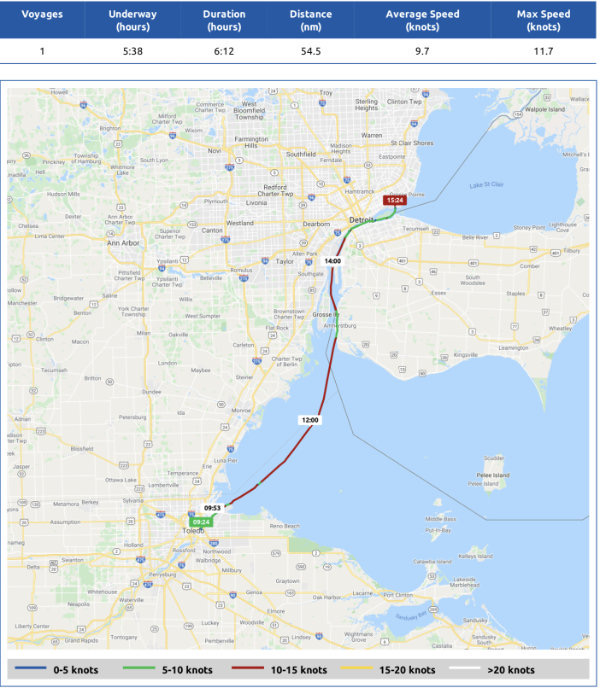
The 55-60 mile stretch of I-75 between Detroit and Toledo is more than just asphalt; it passes through a landscape rich with industrial history, burgeoning suburbs, and natural beauty. While the direct route is efficient, several points of interest lie just off the beaten path, offering opportunities for enriching detours.
Southern Michigan Charm
As you depart Detroit and head south on I-75, you’ll traverse through Downriver communities in Michigan. While often overlooked, these areas have their own unique character, shaped by their proximity to the automotive industry and the Detroit River.
- Dearborn: Though slightly west of the most direct I-75 route, Dearborn is a significant cultural hub worth mentioning for its close ties to Detroit‘s automotive past. It’s home to the Henry Ford Museum of American Innovation and Greenfield Village, offering immersive experiences into American ingenuity and history. If you have extra time and are interested in this aspect of Michigan‘s heritage, a detour to Dearborn is highly recommended.
- Monroe, Michigan: As you get closer to the Ohio border, you’ll pass through Monroe. This city holds historical significance as the birthplace of General Custer and was a crucial site during the War of 1812. The River Raisin National Battlefield Park in Monroe is a poignant reminder of this conflict. It’s a peaceful spot for reflection and a deeper understanding of early American history.
- Sterling State Park: Located on the shores of Lake Erie near Monroe, Sterling State Park is Michigan‘s only state park on the Great Lake. It offers beautiful views, walking trails, and picnic areas, making it a perfect spot for a brief respite if you’re looking to stretch your legs and enjoy some nature before reaching Toledo.
Northern Ohio‘s Gateway
Upon crossing the border into Ohio, the landscape shifts subtly, and you soon find yourself nearing Toledo. The Maumee River plays a significant role in Toledo‘s geography and history, and its presence is felt as you approach the city.
- Maumee Bay State Park: Situated just east of Toledo on the shores of Lake Erie, this park offers extensive wetlands, dunes, and a marsh ecosystem. It’s a fantastic location for birdwatching, hiking, and enjoying the natural beauty of the Lake Erie coastline. This can be a wonderful first taste of Ohio‘s natural attractions as you approach Toledo.
These potential stops, while adding time to your journey, can transform a simple drive into an enriching exploration of the region’s history, nature, and culture.
Discovering Toledo and Detroit: Attractions and Lifestyle
Both Toledo and Detroit are cities brimming with attractions, distinct cultural identities, and a range of lifestyle experiences. Understanding what each city offers can help you plan your visit more effectively, whether you’re coming from the other city or exploring locally.
Toledo, Ohio: A City of Glass and Grit
Toledo is often characterized by its strong connection to the glass industry, earning it the nickname “The Glass City.” However, its appeal extends far beyond this heritage.
- Art and Culture: The Toledo Museum of Art is a world-renowned institution, boasting an exceptional collection of glass art, European paintings, and American art. It’s a must-visit for art enthusiasts. The Cranbrook Institute of Science in nearby Bloomfield Hills (closer to Detroit) also offers extensive educational exhibits, but for local Toledo culture, the Toledo Museum of Art is paramount.
- History and Science: The National Museum of the Great Lakes offers a fascinating glimpse into the maritime history of the Great Lakes region. For a more historical perspective on the city, the Fannie Craig-Scott Historical Society can provide insights into Toledo‘s past.
- Parks and Recreation: Beyond Maumee Bay State Park, Toledo offers numerous green spaces, including the Wildwood Preserve Metropark, which features beautiful gardens and trails. The Metroparks Toledo system provides extensive natural areas for recreation.
- Food Scene: Toledo has a diverse and evolving food scene, from classic diners to innovative restaurants. You can find everything from authentic regional dishes to international cuisine. Exploring areas like the Warehouse District can reveal charming eateries and breweries.
- Accommodation: Toledo offers a range of accommodation options, from well-known hotel chains like the Hilton Garden Inn and Courtyard by Marriott to boutique hotels and budget-friendly motels. For extended stays or a more local feel, apartment rentals are also available.
Detroit, Michigan: Renaissance and Resilience
Detroit, the “Motor City,” is a city on the rise, renowned for its pivotal role in the automotive industry and its rich musical heritage. It’s a city that pulsates with energy and reinvention.
- Automotive Legacy: No visit to Detroit is complete without exploring its automotive roots. The Henry Ford Museum of American Innovation and Greenfield Village in Dearborn are essential. The Motown Museum (also known as Hitsville U.S.A.) offers an iconic journey into the heart of Motown music.
- Arts and Entertainment: Detroit boasts impressive cultural institutions like the Detroit Institute of Arts, with its vast collection of American, European, and African art. The revitalized Midtown and Downtown areas are hubs for live music venues, theaters, and a burgeoning culinary scene. Iconic venues like the Fox Theatre offer spectacular performances.
- Architecture and Landmarks: From the historic Guardian Building and the art deco splendor of the Fisher Building to the modern stadiums like Comerica Park and Ford Field, Detroit‘s architecture tells a story of its past and present. The Renaissance Center, a striking skyscraper complex, is a prominent feature of the city’s skyline.
- Food and Drink: Detroit‘s food scene is vibrant and eclectic. You’ll find everything from classic Detroit-style pizza and Coney dogs to upscale dining experiences in areas like Greektown and Corktown. Craft breweries and distilleries are also flourishing.
- Lifestyle: Detroit offers diverse lifestyle options. For luxury travel, the Shinola Hotel provides a stylish urban retreat. Budget travelers will find numerous affordable hotels and hostels. Business travelers can choose from a range of business-friendly accommodations, while families can explore attractions like the Detroit Zoo and the Belle Isle Park. Long-term stays are facilitated by a growing number of serviced apartments and rental properties.
In essence, the journey between Toledo and Detroit is short, but the destinations are rich with experiences. Whether you’re a history buff, an art lover, a foodie, or an outdoor enthusiast, both cities offer ample opportunities for exploration and enjoyment, making this relatively short distance a gateway to a wealth of Midwestern discoveries.
LifeOutOfTheBox is a participant in the Amazon Services LLC Associates Program, an affiliate advertising program designed to provide a means for sites to earn advertising fees by advertising and linking to Amazon.com. Amazon, the Amazon logo, AmazonSupply, and the AmazonSupply logo are trademarks of Amazon.com, Inc. or its affiliates. As an Amazon Associate we earn affiliate commissions from qualifying purchases.