
Traveling between Toronto, the bustling financial and cultural heart of Canada, and Buffalo, the historic gateway city in New York, is a common journey for both business travelers and vacationers. Situated approximately 100 miles (160 kilometers) apart, these two cities are inextricably linked by their shared geography along Lake Ontario and the Niagara River. Whether you are planning a weekend excursion to sample the famous chicken wings of Buffalo or heading north to experience the iconic skyline of the CN Tower, understanding the logistics of this cross-border transit is essential for a seamless trip.
Driving Directions and Border Crossing Logistics
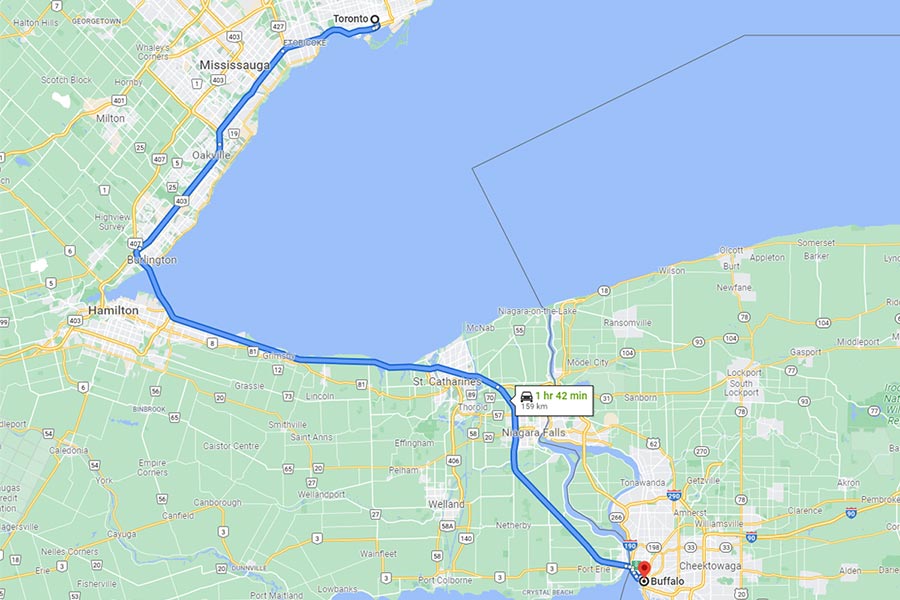
The most direct way to travel between these two metropolitan areas is by car via the Queen Elizabeth Way and Interstate 190. Under optimal traffic conditions, the drive typically takes between two to two-and-a-half hours. However, travelers must account for the international border crossing, which can significantly alter travel time depending on the day of the week and the season.
Choosing Your Border Crossing
There are three primary crossings connecting the Niagara Region to the United States:
- The Peace Bridge: Connecting Fort Erie in Ontario directly to Buffalo, this is the most popular route for those traveling between the two city centers.
- The Rainbow Bridge: Located in Niagara Falls, this bridge offers a scenic view of the Horseshoe Falls. It is an excellent choice if you intend to sightsee along the way.
- The Lewiston-Queenston Bridge: Situated slightly north, this bridge is often preferred by commercial traffic and those looking to avoid the dense tourist congestion found at the falls.
Preparation and Documentation
When driving across the border, preparation is key. Always ensure that all passengers have valid passports or enhanced identification documents that are compliant with the Western Hemisphere Travel Initiative. It is also wise to check the current border wait times through official government portals before departing. Being prepared with your documents ready at the window can save valuable minutes during the inspection process.
Alternative Transportation Methods
If you prefer not to drive, there are several public transportation options available to make the journey between Toronto and Buffalo. Each offers a different balance of convenience, cost, and comfort.
Bus Travel
Several motorcoach companies operate daily services connecting the Union Station Bus Terminal in Toronto to the Buffalo Niagara International Airport and the downtown Buffalo bus station. These services are often the most cost-effective way to travel, providing a hassle-free experience where the driver handles the border crossing paperwork for the passengers on board.

Amtrak and Rail Services
While there is no high-speed rail link connecting the two cities directly, travelers can utilize the Amtrak service. Passengers can take a train from the Buffalo-Depew Station or the Exchange Street Station to Niagara Falls, New York. From there, it is a short taxi or ride-share trip across the border, where you can then connect to the GO Transit network that serves the Greater Toronto Area.
Air Travel
For those on a strict schedule, daily flights operate between the Toronto Pearson International Airport and the Buffalo Niagara International Airport. While the actual time spent in the air is brief—often less than 30 minutes—the total travel time including security screenings and gate check-ins usually equals or exceeds the time taken to drive. This option is generally recommended only for those connecting to long-haul international flights.
Must-See Stops Between the Cities
The route between Toronto and Buffalo passes through some of the most beautiful terrain in North America. If your schedule allows, turning this two-hour drive into a day trip provides ample opportunity to explore the rich history and natural wonders of the region.
The Niagara Wine Country
Just off the main highway on the Canadian side, the Niagara-on-the-Lake region offers an exquisite landscape of rolling vineyards. Known for its world-class Icewine, this area is perfect for a midday stop to enjoy lunch at a vineyard estate. The pastoral beauty of this region serves as a serene contrast to the urban energy of both Toronto and Buffalo.
Historic Forts and Parks
History enthusiasts should consider a stop at Old Fort Erie or the Fort George National Historic Site. These sites played pivotal roles in the War of 1812. Exploring these grounds offers a fascinating look into the shared military heritage of the two nations and provides a deeper understanding of the borders that define the region today.
The Niagara Parkway
Described by Winston Churchill as “the prettiest Sunday afternoon drive in the world,” the Niagara Parkway runs parallel to the river and connects the major sights along the border. Driving this route instead of the highway adds time to your trip, but the views of the lush greenery and the cascading water of the river are unparalleled.
Travel Tips for a Smooth Journey
Regardless of the method of transportation you choose, a few expert tips can ensure your trip is as pleasant as possible.
- Monitor Traffic Patterns: If driving, avoid the peak rush hour windows in both Toronto and Buffalo. The Don Valley Parkway in Toronto, in particular, can experience significant delays during morning and evening commutes.
- Currency Considerations: While many businesses near the border accept both Canadian and American currency, it is always best to carry a major credit card or have a small amount of local cash on hand for small purchases or tolls.
- Check Weather Conditions: Winter travel in this region can be unpredictable. The “lake-effect” snow patterns often impact Western New York and the southern shores of Lake Erie. Always monitor local weather reports during the winter months, as highway conditions can change rapidly.
- Roaming Data: If you are traveling with a mobile device, remember to verify your international roaming plan. Crossing the border into a new country will automatically toggle your connection to local cellular towers, which can result in unexpected data charges if not properly managed.
By understanding the distance, potential transit methods, and the scenic beauty of the corridors connecting these two iconic cities, you can transform a simple commute into an enjoyable travel experience. Whether you are chasing the urban pulse of Toronto or the architectural charm of Buffalo, the journey between them is a reminder of the close, collaborative, and enduring connection between Ontario and the state of New York.
LifeOutOfTheBox is a participant in the Amazon Services LLC Associates Program, an affiliate advertising program designed to provide a means for sites to earn advertising fees by advertising and linking to Amazon.com. Amazon, the Amazon logo, AmazonSupply, and the AmazonSupply logo are trademarks of Amazon.com, Inc. or its affiliates. As an Amazon Associate we earn affiliate commissions from qualifying purchases.