
For anyone planning a journey through the vast and diverse landscape of Texas, understanding the distances and travel times between key cities is paramount. One common inquiry for both locals and visitors alike often revolves around the proximity of the bustling metropolis of Dallas to the charming East Texas gem, Tyler. This article serves as a comprehensive guide, delving into the specifics of this route, outlining travel options, and highlighting the experiences that await travelers embarking on this quintessential Texas road trip. Whether you’re commuting for business, visiting family, or simply exploring the state’s vibrant regions, knowing what to expect can transform a simple drive into an enjoyable part of your adventure.
The Straightforward Answer: Distance and Driving Time
The distance between Dallas and Tyler is a frequently asked question, and for good reason. It represents a significant arterial link between the economic powerhouse of North Texas and the cultural heart of East Texas. The journey is generally considered straightforward, making it a popular route for various purposes.
Geographical Proximity and Road Networks
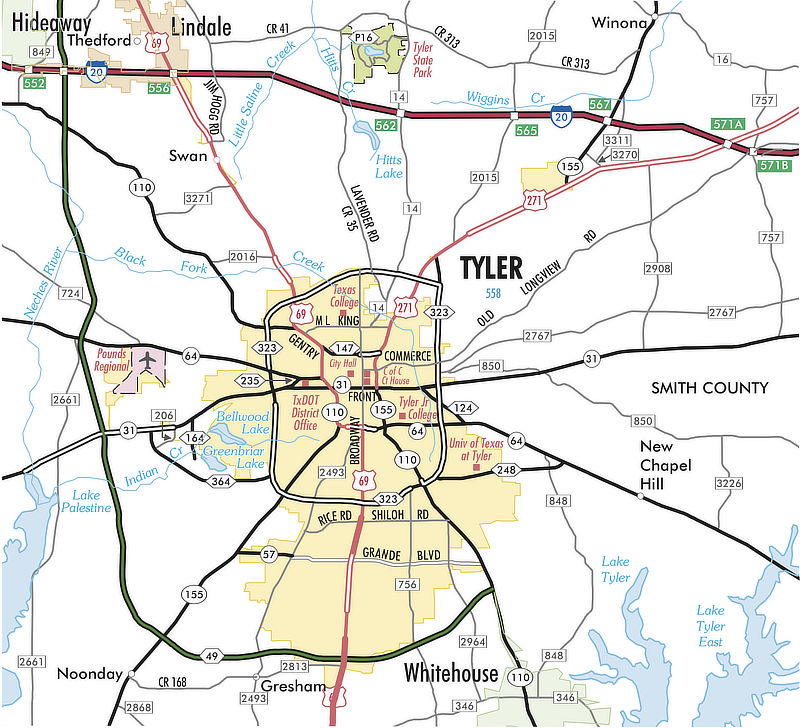
Geographically, Tyler is situated southeast of Dallas. The most direct and commonly used route primarily involves Interstate 20 (I-20). This major interstate highway acts as the backbone of the trip, connecting the two cities efficiently. The approximate driving distance between downtown Dallas and downtown Tyler typically ranges from 95 to 100 miles (approximately 153 to 161 kilometers).
While I-20 is the primary artery, various state highways and county roads can also be used, though they might add a significant amount of time to the journey. For instance, routes involving US-80 or TX-31 might offer a more scenic, albeit slower, alternative through smaller towns and rural landscapes. However, for sheer efficiency, I-20 remains the preferred option.
Factors Influencing Travel Duration
The estimated driving time for the Dallas to Tyler route is generally 1 hour and 45 minutes to 2 hours, assuming ideal driving conditions and adherence to speed limits. However, several factors can significantly influence this duration:
- Traffic: As Dallas is a major metropolitan area, traffic can be a substantial factor, especially during peak commute hours (typically 6:00 AM – 9:00 AM and 4:00 PM – 7:00 PM on weekdays). Exiting Dallas via I-20 can involve delays, particularly around the Dallas-Fort Worth Metroplex and where I-20 intersects with other major highways like I-45 or I-35E. Weekends usually see lighter traffic, but holiday travel can also lead to increased congestion.
- Road Conditions and Construction: Texas frequently undertakes road construction and maintenance projects. While these are aimed at improving infrastructure, they can occasionally lead to lane closures, detours, and reduced speed limits, thereby extending travel times. It’s always advisable to check real-time traffic updates before departing.
- Weather: Adverse weather conditions, such as heavy rain, fog, or icy patches during winter months, can necessitate slower driving speeds and increase travel duration for safety reasons.
- Stops: The estimated travel time does not account for stops for fuel, food, or rest breaks. Depending on the traveler’s needs, these stops can add anywhere from 15 minutes to an hour or more to the overall journey.
Considering these variables, it’s prudent to budget at least 2 hours, and possibly up to 2.5 hours, for the drive, especially if traveling during busy periods or if planning a leisurely stop.
Navigating the Route: Best Ways to Travel
While the exact distance provides a baseline, understanding the various modes of transport available enhances the travel planning process. For the Dallas to Tyler route, personal vehicles are overwhelmingly the most popular choice, but other options exist for those who prefer not to drive.
Driving: The Most Common Method
Driving your own vehicle or a rental car is undoubtedly the most flexible and preferred method for traveling between Dallas and Tyler.
- Route Overview: From Dallas, you will typically head southeast on I-20. The interstate provides a clear and generally well-maintained path. As you approach Tyler, you will exit I-20 onto a state highway, most commonly US-69 South or TX-155 South, which will lead directly into the city.
- Flexibility: Driving offers unparalleled flexibility, allowing travelers to depart at their convenience, make spontaneous stops, and carry luggage without restrictions. It’s also ideal for exploring the greater East Texas region once you arrive in Tyler.
- Cost: The primary costs associated with driving include fuel and potential tolls (though the main route on I-20 is largely toll-free in this section). For groups or families, driving is often the most economical option.
Public Transportation Options
While direct public transportation options are less robust than between major metropolitan areas, there are still ways to travel without a private vehicle.
- Bus Services: Intercity bus services, such as Greyhound, offer routes connecting Dallas to Tyler. These services are generally affordable but involve fixed schedules and can take longer than driving due to multiple stops. The travel time by bus can range from 2.5 to 3.5 hours or more, depending on the specific route and number of stops. It’s an excellent option for budget-conscious travelers or those who prefer to avoid driving.
- Ride-Sharing and Taxis: Services like Uber or Lyft are available in both Dallas and Tyler. While convenient, the cost for such a long-distance trip can be significantly higher than other options, often comparable to or exceeding the cost of a short-term car rental. They offer the directness of driving without the need to operate a vehicle, making them a viable choice for those prioritizing convenience and willing to pay a premium.
Alternative Travel Considerations
- Flights: There are no direct commercial flights between Dallas and Tyler due to the relatively short distance. While Tyler Pounds Regional Airport (TYR) serves Tyler, and Dallas has Dallas/Fort Worth International Airport (DFW) and Dallas Love Field (DAL), any flight would involve layovers and be significantly more time-consuming and expensive than driving.
- Trains: Amtrak does not offer a direct route between Dallas and Tyler. The existing Amtrak lines in Texas do not connect these two specific cities directly in a practical manner for this journey.
Given these considerations, driving remains the most practical and efficient mode of transport for the Dallas to Tyler route.
A Journey Through East Texas: What to Expect Along the Way
The drive from Dallas to Tyler isn’t just about covering distance; it’s an opportunity to experience the transition from a bustling urban landscape to the tranquil beauty of East Texas piney woods. While I-20 offers a direct path, the journey itself reveals glimpses of the region’s character.
Major Interstates and Scenic Byways
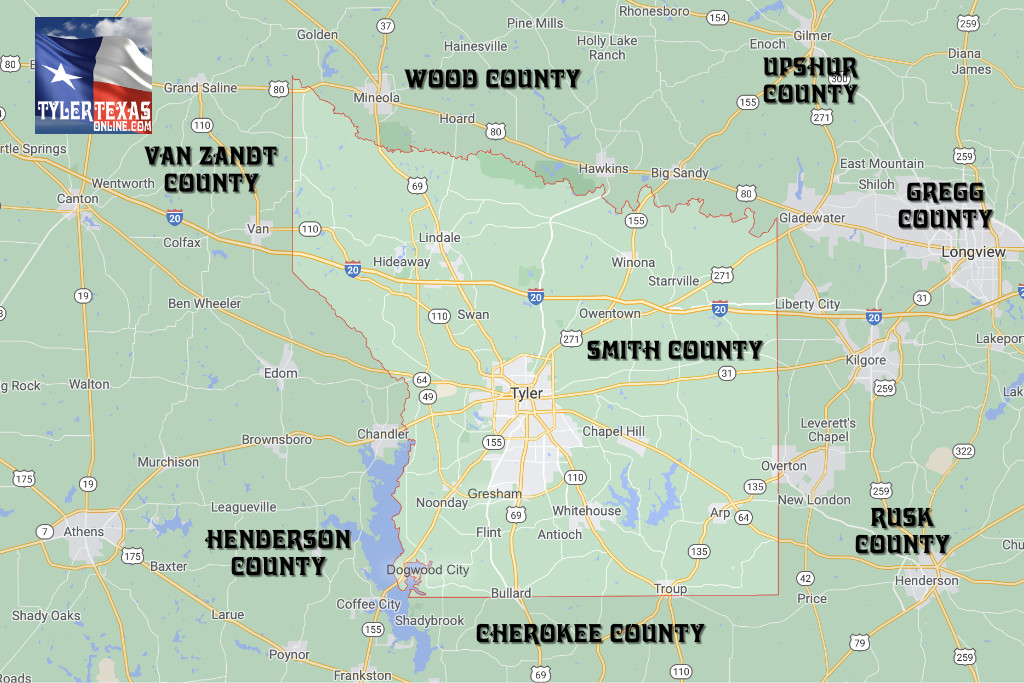
The primary thoroughfare, I-20, is a well-maintained multi-lane highway. Once you clear the immediate Dallas metropolitan area, the scenery gradually shifts. The urban sprawl gives way to more rural vistas, characterized by rolling hills, scattered farms, and increasing tree coverage—a hallmark of East Texas.
While I-20 is functional, those looking for a more picturesque drive, albeit a longer one, could consider portions of US-80 or TX-31 that run roughly parallel. These routes take you through smaller towns like Terrell, Kaufman, or Athens, offering a slower pace and a chance to experience local life away from the interstate. However, for a direct travel experience, sticking to I-20 is best.
Potential Stopovers and Points of Interest
While the drive is short enough not to strictly require a stop, several towns and attractions along or near the route offer opportunities for a break or a brief exploration.
- Canton: Located slightly north of I-20 (accessible via TX-19), Canton is famous for its First Monday Trade Days, one of the oldest and largest flea markets in the United States. If your trip coincides with the market (held on the Thursday before the first Monday of each month), it’s a unique stop worth considering.
- Grand Saline: This small town just off I-20 is known for its salt mines and the Salt Palace Museum, a quirky building constructed entirely of salt. It’s a quick and interesting detour.
- Mineola: A charming historic railroad town northeast of Tyler, accessible via a short drive from I-20. Mineola boasts a historic downtown square, antique shops, and the Mineola Nature Preserve on Lake Fork, offering hiking and birdwatching.
- Rest Areas and Service Stops: Along I-20, you’ll find numerous gas stations, fast-food restaurants, and rest areas, providing convenient places for a quick break, fuel, or a snack.
The journey offers a gentle introduction to the distinct character of East Texas, paving the way for the charm and attractions of Tyler.
Exploring Dallas: Before You Depart
Before embarking on your journey from Dallas to Tyler, it’s worth appreciating the vibrant city you’re leaving behind. Dallas is a dynamic hub with a rich history, world-class attractions, and a diverse cultural scene, offering plenty to see and do.
Must-Visit Dallas Attractions
If you have extra time before your departure, or are considering a return trip to Dallas, here are a few highlights:
- Dallas Arts District: Home to the Dallas Museum of Art, the Nasher Sculpture Center, and the AT&T Performing Arts Center, this district is a cultural beacon.
- Klyde Warren Park: An innovative urban deck park built over a freeway, offering green space, food trucks, and free programming, connecting downtown with the Arts District.
- The Sixth Floor Museum at Dealey Plaza: A poignant historical site dedicated to the life, death, and legacy of President John F. Kennedy.
- Reunion Tower: An iconic Dallas landmark offering panoramic views of the city from its GeO-Deck observation level.
- Dallas World Aquarium: An immersive experience showcasing marine life and various ecosystems from around the globe.
- George W. Bush Presidential Center: Located on the campus of Southern Methodist University, this center features a museum and library documenting the life and presidency of George W. Bush.
Practical Travel Tips for Departing Dallas
- Check Traffic Before Leaving: As mentioned, Dallas traffic can be unpredictable. Use GPS apps like Google Maps or Waze for real-time traffic updates and to plan your exit from the city.
- Fuel Up: Ensure your vehicle has a full tank of gas. While there are plenty of stations along I-20, it’s always best to start with a full tank, especially if you plan any detours.
- Pack Essentials: Have snacks, water, and entertainment (especially for children) readily available. A car charger for your phone and other devices is also a good idea.
- Comfortable Clothing: Dress in comfortable layers, as Texas weather can change rapidly, and car temperatures can fluctuate.
Departing from Dallas well-prepared sets the stage for a smooth and enjoyable drive to Tyler.
Unveiling Tyler: The Rose City Awaits
Upon arrival, Tyler immediately distinguishes itself from Dallas. Known affectionately as “The Rose City,” it exudes a welcoming, small-city charm while offering a surprising array of attractions, particularly those celebrating its botanical heritage and East Texas culture.
Top Attractions in Tyler
Tyler’s attractions primarily focus on its natural beauty, history, and family-friendly entertainment:
- Tyler Rose Garden: This is undoubtedly Tyler’s most famous landmark and a must-visit. It’s the largest public rose garden in the U.S., featuring over 38,000 rose bushes representing more than 600 varieties. The best time to visit is during the spring bloom (late April to early May) or fall (late September to October), which coincides with the Texas Rose Festival.
- Caldwell Zoo: A 85-acre zoo offering a diverse collection of animals from Africa, North America, and South America. It’s a popular attraction for families and wildlife enthusiasts, known for its spacious exhibits and conservation efforts.
- Discovery Science Place: An interactive museum designed to engage children and adults with hands-on exhibits focused on science, technology, engineering, and mathematics (STEM).
- Goodman-LeGrand House & Museum: A beautifully preserved Victorian-era mansion that offers a glimpse into Tyler’s past and the lifestyle of prominent families in the late 19th and early 20th centuries.
- Tyler State Park: Just north of the city, this state park is a haven for outdoor activities, including camping, fishing, hiking, and paddling on its 64-acre lake nestled within pine forests.
- Lake Palestine: Southeast of Tyler, this large lake is a popular spot for fishing, boating, and watersports, surrounded by scenic resorts and recreational areas.
Local Culture and Experiences in Tyler
Tyler’s culture is deeply rooted in its East Texas heritage, blending Southern hospitality with a growing modern appeal.
- Texas Rose Festival: Held annually in October, this festival is a grand celebration of Tyler’s rose industry, featuring parades, ceremonial events, and beautiful floral displays. It’s an iconic event that draws visitors from all over.
- Dining Scene: From classic Texas BBQ and Southern comfort food to contemporary dining options, Tyler offers a diverse culinary landscape. Many local restaurants emphasize fresh, regional ingredients.
- Shopping: Beyond standard retail, Tyler boasts charming boutiques, antique shops, and specialty stores, particularly in its revitalized downtown area.
- Arts and Entertainment: The city supports a local arts scene, with galleries, live music venues, and performances by the Tyler Civic Theatre. The University of Texas at Tyler also contributes significantly to the cultural fabric with various events and programs.
In conclusion, the journey from Dallas to Tyler is a manageable and enjoyable one, offering a pleasant transition from urban sophistication to rural charm. With a clear understanding of the distance, travel times, and attractions in both cities, travelers can confidently plan their next Texas adventure, embracing the open road and the unique experiences each destination has to offer.
LifeOutOfTheBox is a participant in the Amazon Services LLC Associates Program, an affiliate advertising program designed to provide a means for sites to earn advertising fees by advertising and linking to Amazon.com. Amazon, the Amazon logo, AmazonSupply, and the AmazonSupply logo are trademarks of Amazon.com, Inc. or its affiliates. As an Amazon Associate we earn affiliate commissions from qualifying purchases.