
The Geographical Reality: Distance and Driving Time
For travelers based in Boston, the allure of Vermont’s tranquil landscapes, charming towns, and outdoor adventures is often just a road trip away. Understanding the precise distance and estimated driving time is the first crucial step in planning any journey to the Green Mountain State. The actual mileage and duration can vary significantly depending on the specific destination within Vermont and the chosen route, but a general framework can be established.
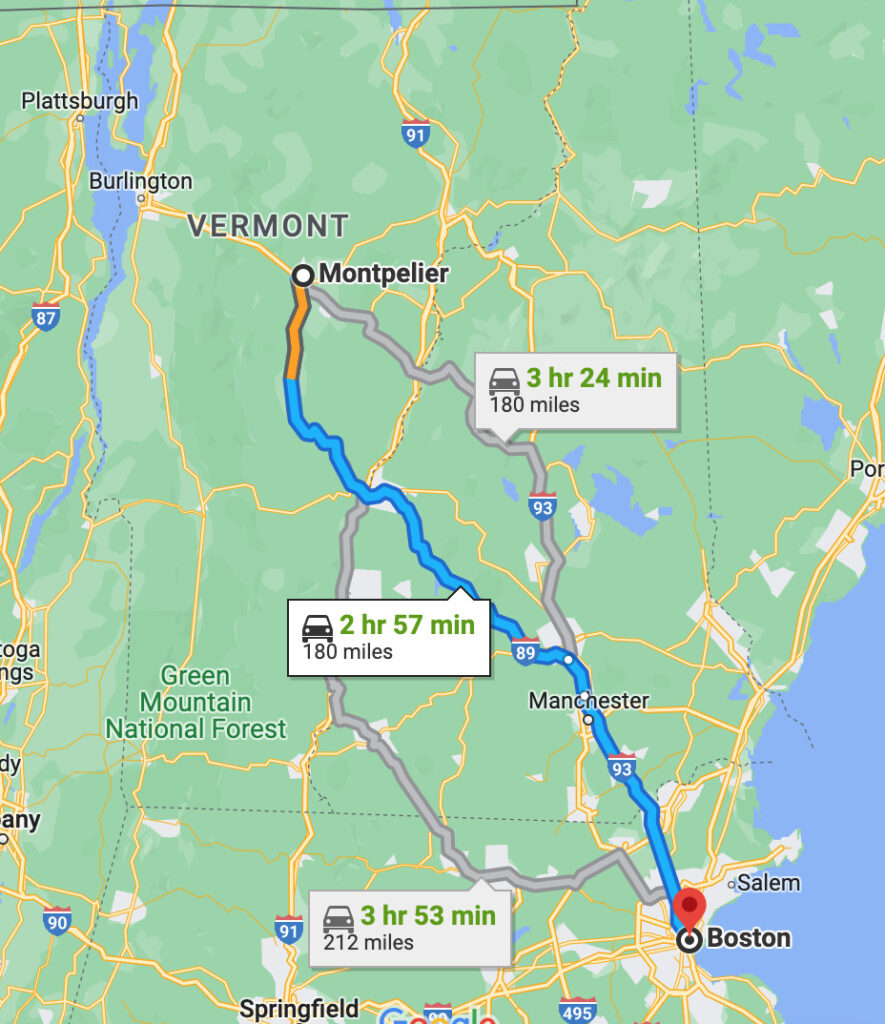
Typically, the direct driving distance from Boston, Massachusetts, to central Vermont — for example, to its largest city, Burlington — ranges from approximately 200 to 220 miles. This translates to an average driving time of about 3.5 to 4.5 hours under ideal conditions. For destinations further south in Vermont, such as Brattleboro, the distance can be closer to 110-120 miles, cutting the travel time down to around 2 hours. Conversely, reaching northern Vermont towns like Jay Peak might stretch the journey to over 250 miles and 5 hours of driving.
Direct Routes and Major Interstates
The primary artery connecting Boston to Vermont is a combination of major interstates designed for efficient long-distance travel. The most common route involves taking Interstate 90 (I-90) West, also known as the Massachusetts Turnpike, out of Boston. Travelers will typically follow I-90 West through central Massachusetts before connecting to Interstate 91 (I-91) North. I-91 then serves as the main north-south corridor through the eastern part of Vermont, running parallel to the Connecticut River and offering access to various regions.
For destinations in western Vermont, such as Burlington or Stowe, travelers often continue on I-90 West into upstate New York, near Albany, then head north on U.S. Route 7 or other state routes that lead into the heart of the Green Mountains. While this might seem like a longer detour on a map, the high-speed interstates often make it the most time-efficient option.
Factors Influencing Travel Time
While base estimates provide a good starting point, several factors can significantly impact the actual travel time. Traffic is perhaps the most critical variable, particularly when departing from or returning to Boston during peak commuting hours or holiday weekends. Weekday mornings and afternoons, as well as Friday afternoons and Sunday evenings, are notorious for congestion on the Massachusetts Turnpike and surrounding major roadways.
Weather conditions also play a substantial role, especially when traveling to a mountainous state like Vermont. Winter months can bring heavy snow and ice, leading to slower speeds, road closures, or hazardous driving conditions. Even in other seasons, rain, fog, or strong winds can necessitate reduced speeds. Construction zones, common on major interstates during warmer months, can also introduce unexpected delays. Finally, personal travel preferences, such as the frequency and duration of stops for fuel, food, or sightseeing, will directly add to the overall journey time. Planning for these contingencies is essential for a stress-free trip.
Navigating the Journey: Popular Routes Explained
Choosing the right route from Boston to Vermont is about balancing efficiency with the desire for scenic beauty or specific regional access. While the interstates provide the quickest path, alternative routes offer different experiences, especially for those with more time to spare.
The Western Route via I-90 W and I-91 N
For most travelers heading to popular destinations in central or northern Vermont like Stowe, Burlington, or the ski resorts of Killington and Sugarbush, the combination of Interstate 90 West and Interstate 91 North is the most direct and frequently used path. From Boston, you’ll take the Massachusetts Turnpike (I-90 W) to the Springfield area, where you merge onto I-91 N. This route guides you directly up the spine of Vermont, offering multiple exits to various towns and attractions.
If your destination is Burlington or the Lake Champlain region, you’ll follow I-91 N to White River Junction, then typically take Interstate 89 (I-89) North directly to Burlington. This segment of the journey is well-maintained and provides relatively straightforward driving. For Stowe and the surrounding Mount Mansfield area, I-89 N also provides the most direct access, with clear signage for the resort town. This route is favored for its predictability and usually faster travel times, making it ideal for weekend getaways or travelers with a tight schedule.
The Scenic Route via US-2 W
For those who prioritize the journey itself and wish to immerse themselves in New England’s picturesque landscapes, U.S. Route 2 West offers a delightful alternative. This route begins by heading west from Boston on US-2, often referred to as the Mohawk Trail in parts of Massachusetts. It winds through charming towns, rural countryside, and eventually crosses into southern New Hampshire before entering Vermont.
While significantly slower than the interstate option — adding at least an hour or two to the total drive — US-2 W provides continuous opportunities for scenic overlooks, quaint general stores, and small-town exploration. It passes through parts of the White Mountains in New Hampshire and then delves into the rolling hills and agricultural valleys of Vermont. This route is particularly popular during the fall foliage season when the vibrant colors transform the landscape into a breathtaking tapestry. It’s an ideal choice for travelers who view the drive as an integral part of their vacation experience, offering numerous unplanned discoveries along the way.
Public Transportation Options
While driving offers the most flexibility for exploring Vermont’s diverse regions, public transportation is an option for those who prefer not to drive or wish to reduce their carbon footprint. Amtrak provides train service from Boston to Vermont. The Vermonter line, while originating in Washington D.C., connects to Massachusetts via Springfield and can be accessed from Boston by taking the Lake Shore Limited to Springfield for a transfer. This scenic train journey offers a relaxing way to see the countryside, with stops in several Vermont towns including Brattleboro, Bellows Falls, White River Junction, and Burlington (via a bus connection from Essex Junction). The total travel time by train can be significantly longer than driving, often ranging from 5 to 7 hours, including transfer times.
Bus services, such as those provided by Vermont Translines (partnered with Greyhound) and others, also connect Boston to various points in Vermont. These routes often involve transfers and can take anywhere from 4 to 6 hours or more, depending on the destination. While generally more economical than train travel, bus travel offers less flexibility and can sometimes be less comfortable for extended periods. For most travelers, driving remains the preferred method due to its directness and the freedom it provides to explore Vermont’s often-secluded attractions.
Why Make the Trip? Vermont’s Allure for Bostonians
The relatively short distance between Boston and Vermont makes the Green Mountain State an ideal escape for city dwellers seeking a change of pace. Vermont offers a stark contrast to urban life, inviting visitors into a world of natural beauty, outdoor recreation, and a distinctive local culture. Its appeal lies in its ability to transform throughout the year, offering unique experiences in every season.
Seasonal Experiences
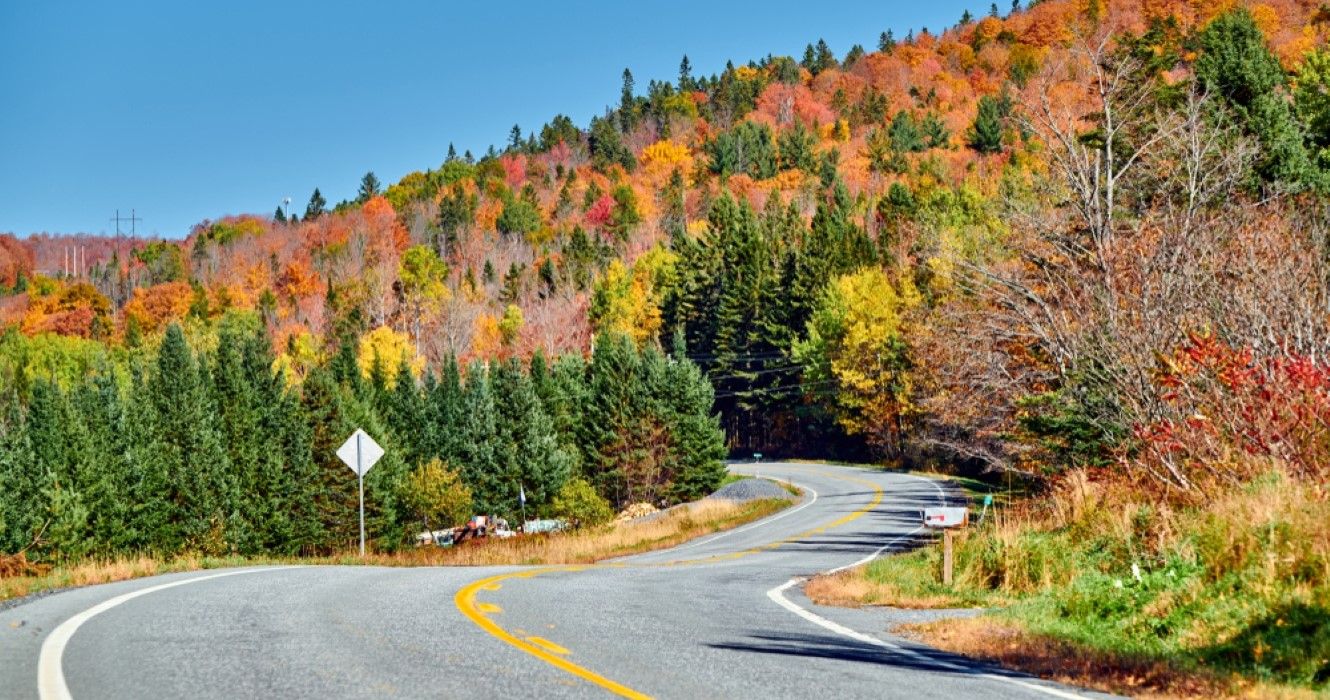
Fall Foliage: Undoubtedly, autumn is Vermont’s most celebrated season. From late September through October, the Green Mountains explode into a kaleidoscope of reds, oranges, and yellows. Driving along scenic byways like Route 100 or hiking through state parks becomes an immersive experience in vibrant color. Leaf peepers flock from around the world to witness this natural spectacle, making it a prime time for a road trip from Boston.
Winter Sports: When the snow falls, Vermont transforms into a winter wonderland, boasting some of the best ski and snowboard resorts in the Eastern United States. Major destinations like Killington, Stowe, Sugarbush, and Okemo offer diverse terrain for all skill levels, alongside opportunities for cross-country skiing, snowshoeing, and ice skating. The cozy ski towns provide a perfect post-slope ambiance with warm fires and local cuisine.
Summer Adventures: Warmer months in Vermont are perfect for outdoor enthusiasts. Hiking and biking trails crisscross the mountains and valleys, leading to stunning vistas, waterfalls, and peaceful lakes. Lake Champlain offers boating, fishing, and swimming, while numerous rivers are ideal for kayaking and tubing. Farmers’ markets burst with fresh produce, and outdoor festivals celebrate local music, art, and food.
Spring Awakening: Spring brings a gentle thaw, maple sugaring season, and the gradual return of lush green. While not as dramatic as fall or winter, spring offers a quieter, more reflective escape, with opportunities to visit sugarhouses, enjoy nascent wildflowers, and experience the rejuvenating power of nature before the summer crowds arrive.
Key Vermont Destinations
Several towns and regions stand out as popular magnets for Boston travelers, each offering its distinct flavor:
-
Burlington: Vermont’s largest city, located on the shores of Lake Champlain, is a vibrant hub known for its progressive culture, lively downtown (Church Street Marketplace), craft breweries, and beautiful waterfront parks. It serves as an excellent base for exploring the northern part of the state.
-
Stowe: Nestled at the base of Mount Mansfield, Vermont’s highest peak, Stowe is a world-renowned ski destination in winter and a hiking/biking paradise in summer. Its charming village, luxury resorts, and access to outdoor activities make it a year-round attraction.
-
Killington: Home to the “Beast of the East,” Killington Resort offers extensive skiing and snowboarding terrain. Beyond winter sports, the area is popular for mountain biking, hiking, and golf during the warmer months, with a lively après-ski scene that extends into summer.
-
Manchester: In southern Vermont, Manchester is known for its upscale outlet shopping, historic inns, and cultural attractions like the Southern Vermont Arts Center. It combines refined elegance with easy access to outdoor activities in the surrounding Green Mountains.
These destinations, along with countless smaller towns and natural areas, offer a compelling range of experiences that make the drive from Boston well worth the effort.
Practical Travel Tips for a Smooth Journey
A well-planned trip ensures that the journey itself is part of the enjoyable experience rather than a stressful prelude. For a successful road trip from Boston to Vermont, consider these practical tips.
Best Times to Travel
Choosing the right time to travel can significantly impact your experience. To avoid heavy traffic leaving Boston, depart early in the morning on a weekday, or opt for off-peak hours during weekends (e.g., Saturday very early or Sunday mid-morning). Holiday weekends, especially those for Memorial Day, Labor Day, and Thanksgiving, will invariably see increased congestion and should be approached with extra time and patience.
For fall foliage, mid-September to mid-October is prime time, but be prepared for crowded roads and fully booked accommodations. If you seek solitude, aim for early September or late October. For winter sports, weekdays typically offer lighter crowds and better conditions than busy weekends. Always check the long-range weather forecast for your travel dates, particularly if heading to Vermont in winter, to anticipate snow or ice.
Vehicle Preparation and Road Conditions
Before embarking on your journey, ensure your vehicle is in good condition. Check tire pressure, fluid levels (oil, coolant, windshield wiper fluid), and brake functionality. If traveling in winter, confirm your tires are suitable for snow and ice, and consider carrying an emergency kit including blankets, a shovel, sand or kitty litter for traction, and jumper cables.
Stay informed about current road conditions. Websites and apps from state transportation departments for Massachusetts, New Hampshire (if applicable to your route), and Vermont provide real-time updates on traffic, construction, and weather-related closures. Google Maps, Waze, and similar navigation apps are invaluable for live traffic data and suggesting alternative routes around unexpected delays. Keep your phone charged and consider a car charger.
Planning Pit Stops and Overnights
While the drive from Boston to most of Vermont is manageable in a single stretch, planning strategic pit stops can enhance the journey. Along Interstate 90 and Interstate 91, there are numerous service plazas offering fuel, restrooms, and dining options. Consider stopping in towns just off the interstate for a local coffee shop or a more unique lunch experience. For instance, towns like Deerfield or Northampton in Massachusetts, or Brattleboro and White River Junction in southern Vermont, offer pleasant breaks.
If you’re traveling with young children or prefer a more leisurely pace, an overnight stay might be an option, though typically not necessary for most Vermont destinations from Boston. However, if combining the trip with exploration of other New England states, or opting for the more scenic US-2 route, breaking up the drive can turn the transit into an extended adventure. Regardless, planning breaks ensures a refreshed driver and a more enjoyable trip for all passengers.
LifeOutOfTheBox is a participant in the Amazon Services LLC Associates Program, an affiliate advertising program designed to provide a means for sites to earn advertising fees by advertising and linking to Amazon.com. Amazon, the Amazon logo, AmazonSupply, and the AmazonSupply logo are trademarks of Amazon.com, Inc. or its affiliates. As an Amazon Associate we earn affiliate commissions from qualifying purchases.