
Embarking on a journey across the United States is often a dive into a tapestry of diverse landscapes, cultures, and histories. Few trips exemplify this better than traveling between the historical heartland of Virginia and the vast, vibrant expanses of Texas. These two states, while both integral to the American story, offer distinctly different experiences and are separated by a considerable distance, making the journey itself an adventure. Whether you’re planning a relocation, a leisurely road trip, or a quick business flight, understanding the geographical reality, travel options, and what awaits you at each destination is key to an unforgettable experience.
The Geographical Reality: Bridging the Distance
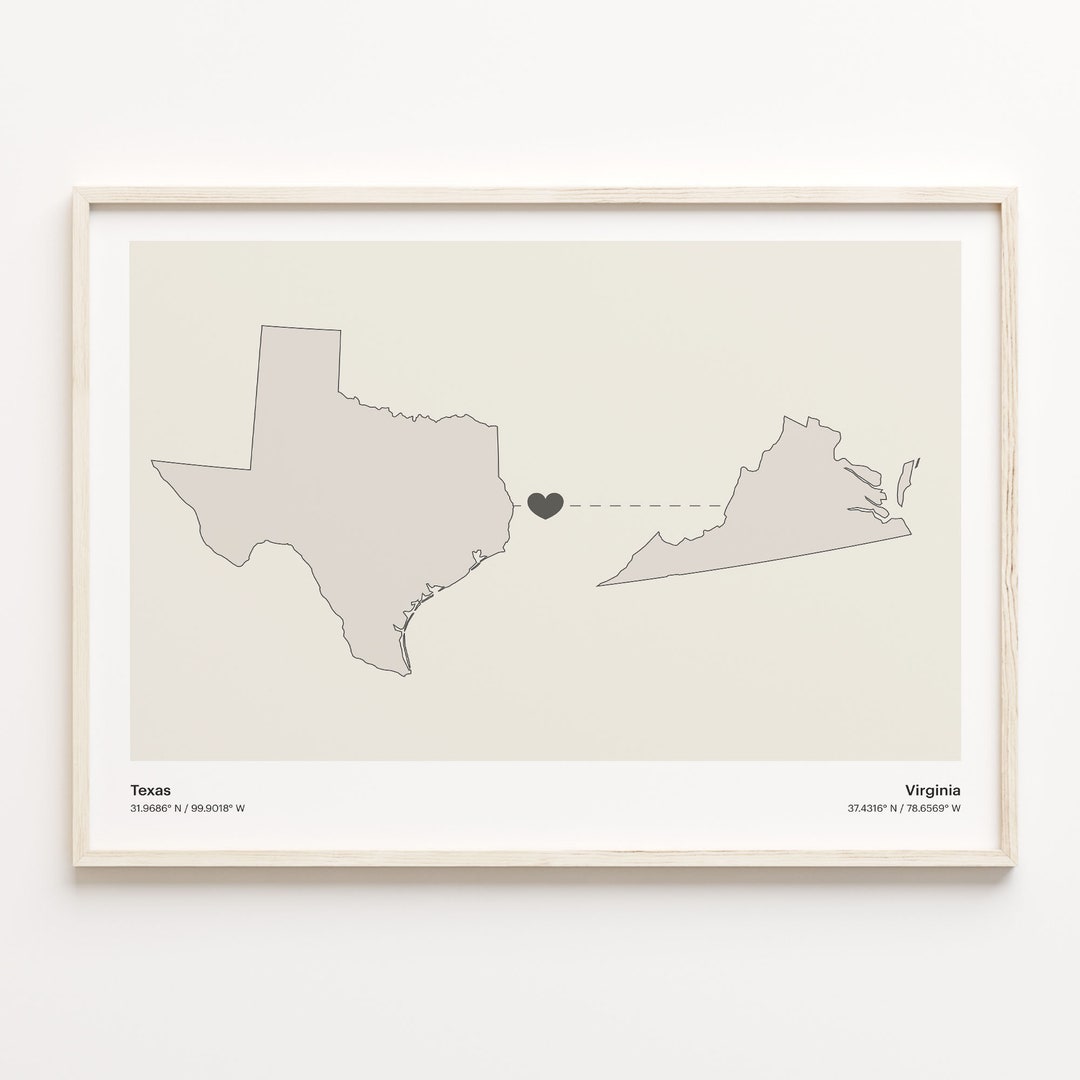
The continental United States is a massive landmass, and the distance between states on its eastern seaboard and those in its south-central region can be quite significant. Virginia, nestled on the Atlantic Ocean coastline, is steeped in early American history, while Texas, bordering Mexico and stretching deep into the heart of the country, is known for its sheer size and unique blend of Southern, Western, and Latin American influences.
Unpacking the Miles: Driving and Flying Distances
The exact distance between Virginia and Texas can vary depending on your specific starting point and destination within each state. However, a general range can be established.
- Driving Distance: If you were to drive from a central point in Virginia, such as its capital Richmond, to a major city in Texas like Dallas or Houston, you would typically cover between 1,300 to 1,600 miles (approximately 2,090 to 2,575 kilometers). This isn’t a short hop; it’s a cross-country trek that requires careful planning and a sense of adventure.
- Driving Time: For the average driver maintaining highway speeds and accounting for necessary stops, this journey would realistically take 20 to 25 hours of pure driving time. This translates into a multi-day road trip, ideally spread over at least two to three days to ensure safety and allow for rest and enjoyment of the route. Trying to complete it in one go is generally not recommended due to fatigue.
- Flying Distance and Time: Air travel dramatically reduces the journey time. The direct flying distance, or “as the crow flies,” is considerably shorter, typically ranging from 1,100 to 1,300 miles (1,770 to 2,090 kilometers).
- Flight Duration: A direct flight from a major airport in Virginia (like Dulles International Airport or Ronald Reagan Washington National Airport near Washington-D.C.) to a Texas hub (Dallas/Fort Worth International Airport or George Bush Intercontinental Airport in Houston) would typically last around 3 to 4 hours. Factoring in airport check-ins, security, boarding, and deplaning, the total travel time from door to door might be closer to 6-8 hours, but it remains the quickest way to traverse the distance.
Key Routes and Major Hubs
For those embarking on a road trip, the journey usually involves traversing several states. Common routes might take you south through the Carolinas, Georgia, Alabama, and Mississippi before entering Louisiana and then Texas. Alternatively, a more northerly route could involve Tennessee, Arkansas, and Oklahoma. The U.S. Interstate Highway System provides efficient pathways, with major arteries like Interstate 81 and Interstate 66 connecting to regional routes in Virginia, eventually merging with major east-west corridors like Interstate 40 or Interstate 20, and then north-south highways such as Interstate 35 or Interstate 45 within Texas.
For air travelers, both states boast robust airport infrastructure. Virginia is served by major international airports like Dulles International Airport (IAD) and Ronald Reagan Washington National Airport (DCA), along with regional hubs like Richmond International Airport (RIC) and Norfolk International Airport (ORF). Texas offers an even wider array of large airports, including Dallas/Fort Worth International Airport (DFW), George Bush Intercontinental Airport (IAH) in Houston, Austin-Bergstrom International Airport (AUS), and San Antonio International Airport (SAT), ensuring ample options for arrivals and departures.
Embarking on the Journey: Travel Options and Considerations
Choosing how to travel between Virginia and Texas depends entirely on your priorities: speed, cost, flexibility, and the desire for adventure. Each mode of transport offers a unique perspective on the American landscape and comes with its own set of considerations.
Hitting the Road: The Ultimate American Road Trip
A road trip from Virginia to Texas is more than just covering miles; it’s an immersive experience into the heart of America. This journey offers unparalleled flexibility, allowing travelers to discover hidden gems, explore diverse cities, and witness the changing scenery firsthand.
- Scenic Routes and Stopovers: Rather than just focusing on the fastest route, consider incorporating scenic detours. You could pass through charming Southern towns, historic civil rights sites, or vibrant music cities like Nashville or Memphis. Many travelers choose to break up the journey with overnight stays in cities like Atlanta, Birmingham, or New Orleans, transforming a long drive into a multi-destination adventure.
- Car Rental and Vehicle Maintenance: If you’re not driving your own vehicle, renting a car can be a practical option. Ensure your vehicle is in excellent condition for such a long journey, checking tires, oil, and fluids before departure. Consider a car with good fuel efficiency, as gas costs will be a significant factor.
- Packing Essentials: For a multi-day road trip, pack essentials like snacks, water, a first-aid kit, car charger, entertainment (audiobooks, podcasts, playlists), and comfortable clothing. Don’t forget physical maps as a backup to GPS, especially if venturing into rural areas with spotty cell service.
Taking to the Skies: Air Travel for Speed and Convenience
For those with limited time or who prefer to minimize travel fatigue, flying is the unequivocal choice. Numerous airlines offer direct and connecting flights between major cities in Virginia and Texas.
- Major Airlines: Carriers like American Airlines, United Airlines, Southwest Airlines, and Delta Air Lines frequently operate routes between these two states.
- Booking Tips: Booking in advance, being flexible with travel dates, and comparing prices across different airlines and booking platforms can lead to significant savings. Consider flying into or out of smaller regional airports if they offer competitive fares and convenience for your specific destination. For instance, flying into Dallas Love Field (DAL) with Southwest Airlines might be a good alternative to Dallas/Fort Worth International Airport (DFW) for some travelers.
- Airport Accommodation: If you have an early morning flight or a late arrival, considering an airport hotel can streamline your travel experience. Many major hubs offer a range of Hotels from luxury resorts to budget-friendly suites, often with convenient shuttle services.
Navigating Costs: Budgeting for Your Trip
The cost of travel between Virginia and Texas can vary wildly based on your chosen mode, lifestyle preferences, and how far in advance you plan.
- Fuel and Vehicle Costs (Road Trip): The primary expenses for a road trip are fuel, potential tolls, and vehicle maintenance. With gas prices fluctuating, it’s wise to budget a significant amount for fuel, especially given the 1,300-1,600 mile distance. Factor in potential overnight Accommodation costs along the route, which can range from budget motels to charming bed and breakfasts.
- Flight Costs: Airfare can range from under $100 for a basic economy, off-peak flight to several hundred dollars for last-minute or premium seats. Baggage fees, seat selection, and in-flight services can add to the total.
- Food and Drink: Whether driving or flying, food expenses are inevitable. Packing snacks for a road trip can save money, as can choosing eateries wisely during stopovers.
- Accommodation: Depending on your travel style, Accommodation can be a major cost. From luxury Resorts in Austin to budget-friendly Hotels in smaller towns, options abound. Researching and Booking in advance often secures better rates. Look for Hotels that offer amenities like free breakfast or parking to maximize value.
Exploring the Destinations: A Tale of Two States
Upon arrival, travelers will quickly discover that Virginia and Texas each possess a distinct character, offering a rich array of Tourism, Landmarks, and Lifestyle experiences.
Virginia: History, Mountains, and Coastal Charms
Virginia is often referred to as the “Mother of Presidents” and is a treasure trove of American history. Its diverse geography ranges from the majestic Appalachian Mountains to serene coastal plains.
- Historic Sites: Explore Colonial Williamsburg, a living history museum, or visit the homes of founding fathers at Monticello (Thomas Jefferson) and Mount Vernon (George Washington). The battlefields of Fredericksburg and Richmond offer solemn reflections on the Civil War. In Arlington, the Arlington National Cemetery stands as a powerful memorial.
- Natural Beauty: The Shenandoah National Park offers breathtaking views, hiking trails, and the scenic Blue Ridge Parkway. For coastal relaxation, Virginia Beach provides miles of sandy shores and a vibrant boardwalk. The Great Dismal Swamp National Wildlife Refuge offers a unique ecological experience.
- Urban Experiences: Beyond Richmond, Old Town Alexandria charms with its historic architecture and boutique shops. Charlottesville blends historic charm with a lively university town atmosphere. The proximity to Washington, D.C. also allows visitors to easily access world-class museums like the Smithsonian Museums and iconic landmarks such as the National Mall.
- Innovation and Technology: Virginia also plays a significant role in space exploration and technology, with facilities like NASA Langley Research Center contributing to advancements.
Texas: Vast Landscapes, Vibrant Cities, and Unique Culture
Texas is a state of superlatives—everything is bigger, including its sense of pride and diversity. From desert mountains to sprawling coastlines, and from historic ranches to futuristic cities, Texas truly has it all.
- Iconic Cities:
- Houston, the largest city, is a hub for space exploration with Space Center Houston (the official visitor center of NASA Johnson Space Center), a thriving arts scene, and diverse culinary offerings.
- Dallas boasts a modern skyline, world-class museums, and the poignant Sixth Floor Museum at Dealey Plaza.
- Austin, the capital, is renowned as the “Live Music Capital of the World” and for its vibrant Lifestyle, outdoor activities, and progressive culture.
- San Antonio offers a rich blend of history and culture, centered around The Alamo and the picturesque River Walk.
- Natural Wonders: Texas is home to Big Bend National Park, a vast and rugged wilderness in West Texas perfect for hiking and stargazing. The Guadalupe Mountains National Park offers stunning desert and mountain landscapes. Along the Gulf of Mexico coast, destinations like South Padre Island and Padre Island National Seashore are popular for beaches and wildlife. The rolling hills of the Texas Hill Country offer vineyards, charming towns, and spring-fed rivers.
- Unique Culture: Experience authentic cowboy culture at the Fort Worth Stockyards National Historic District, savor world-famous Texas barbecue, and delve into the vibrant Tex-Mex culinary scene. The state’s music scene, from country to blues to Tejano, is an integral part of its identity.
Planning Your Stay: Accommodation and Lifestyle Choices
Once you’ve decided on your mode of transport and destinations, the next crucial step is securing your Accommodation and aligning your trip with your preferred Lifestyle. Both Virginia and Texas offer a spectrum of choices, catering to every budget and travel style.
Finding Your Perfect Retreat: Hotels, Resorts, and Unique Stays
The choice of where to stay can significantly shape your travel experience. Both states have robust hospitality industries, offering everything from luxury Resorts to cozy Apartments and quaint bed and breakfasts.
- Luxury Travel: For those seeking an opulent experience, Virginia boasts historic hotels in cities like Richmond and elegant Resorts near its wine regions. In Texas, metropolitan centers like Dallas, Houston, and Austin are home to five-star Hotels with world-class Amenities, spas, and gourmet dining. Think boutique Hotels in Old Town Alexandria or sprawling golf Resorts in the Texas Hill Country.
- Budget Travel: Traveling between these two distant states doesn’t have to break the bank. Both Virginia and Texas offer numerous budget-friendly Hotels, motels, and extended-stay Suites, especially outside of major downtown areas. Hostels are also an option in some larger cities. Look for Accommodation with complimentary breakfast or kitchenettes to save on food costs.
- Unique Stays: For a more personalized experience, consider vacation rentals like Apartments or Villas which can offer more space and local immersion, especially beneficial for Family Trips. In Virginia, you might find charming historic inns. In Texas, unique options include ranch stays, glamping experiences near national parks, or quirky boutique Hotels in artsy towns like Marfa.
- Booking and Reviews: Always check Reviews and use Comparison tools when Booking your stay. Platforms like Life Out of the Box can help you find the best deals and ensure your chosen Accommodation meets your expectations. For Long-term Stay options, consider serviced Apartments or extended-stay Hotels which often provide better rates and Amenities for longer visits.

Tailoring Your Trip: From Luxury Escapes to Budget-Friendly Adventures
Your travel Lifestyle preferences will dictate much of your planning and experience.
- Family Trips: Both states offer countless attractions suitable for families. In Virginia, historical reenactments and amusement parks are popular. Texas delights families with its numerous theme parks, natural swimming holes, and interactive museums. When planning for a family, prioritize Accommodation with larger Suites, kid-friendly Amenities like pools, and convenient locations near attractions.
- Business Stays: If your journey is for Business Stays, focus on Hotels in financial districts or near convention centers. Look for Amenities like high-speed internet, business centers, and executive lounges. Major airports in both states also have excellent options for travelers seeking convenient access.
- Solo Adventures: For solo travelers, both Virginia’s hiking trails and historic sites, and Texas’s vibrant city scenes and national parks, offer ample opportunities for exploration and self-discovery. Consider guided Tours or staying in Hotels with active social spaces.
- Cultural Immersion: To truly experience local culture, venture beyond the main tourist traps. In Virginia, explore small towns and local markets. In Texas, seek out authentic music venues in Austin, historic ranches for a glimpse into cowboy life, or regional festivals that celebrate the state’s diverse heritage. Engage with local food scenes, from Virginia’s seafood to Texas’ barbecue and Tex-Mex cuisine.
In conclusion, the journey from Virginia to Texas is a significant one, covering well over a thousand miles and crossing multiple state lines. Whether you opt for the swift convenience of air travel or the immersive adventure of a road trip, careful planning around distance, cost, and desired experiences will ensure your Travel between these two captivating American states is nothing short of extraordinary. Each destination promises a rich tapestry of history, natural beauty, and unique cultural experiences, making the effort of bridging the distance truly worthwhile.
LifeOutOfTheBox is a participant in the Amazon Services LLC Associates Program, an affiliate advertising program designed to provide a means for sites to earn advertising fees by advertising and linking to Amazon.com. Amazon, the Amazon logo, AmazonSupply, and the AmazonSupply logo are trademarks of Amazon.com, Inc. or its affiliates. As an Amazon Associate we earn affiliate commissions from qualifying purchases.