
The question of distance between two major Texas cities often sparks an immediate interest for travelers, road trip enthusiasts, and those planning logistics. Waco, a city experiencing a renaissance, and San Antonio, steeped in history and vibrant culture, offer distinct yet complementary Texas experiences. Understanding the geographical relationship between them is the first step in crafting an itinerary that embraces the diverse offerings of the Lone Star State. This exploration delves into the practicalities of traveling between these two hubs, touching upon the various routes, estimated travel times, and what makes each leg of the journey worthwhile.
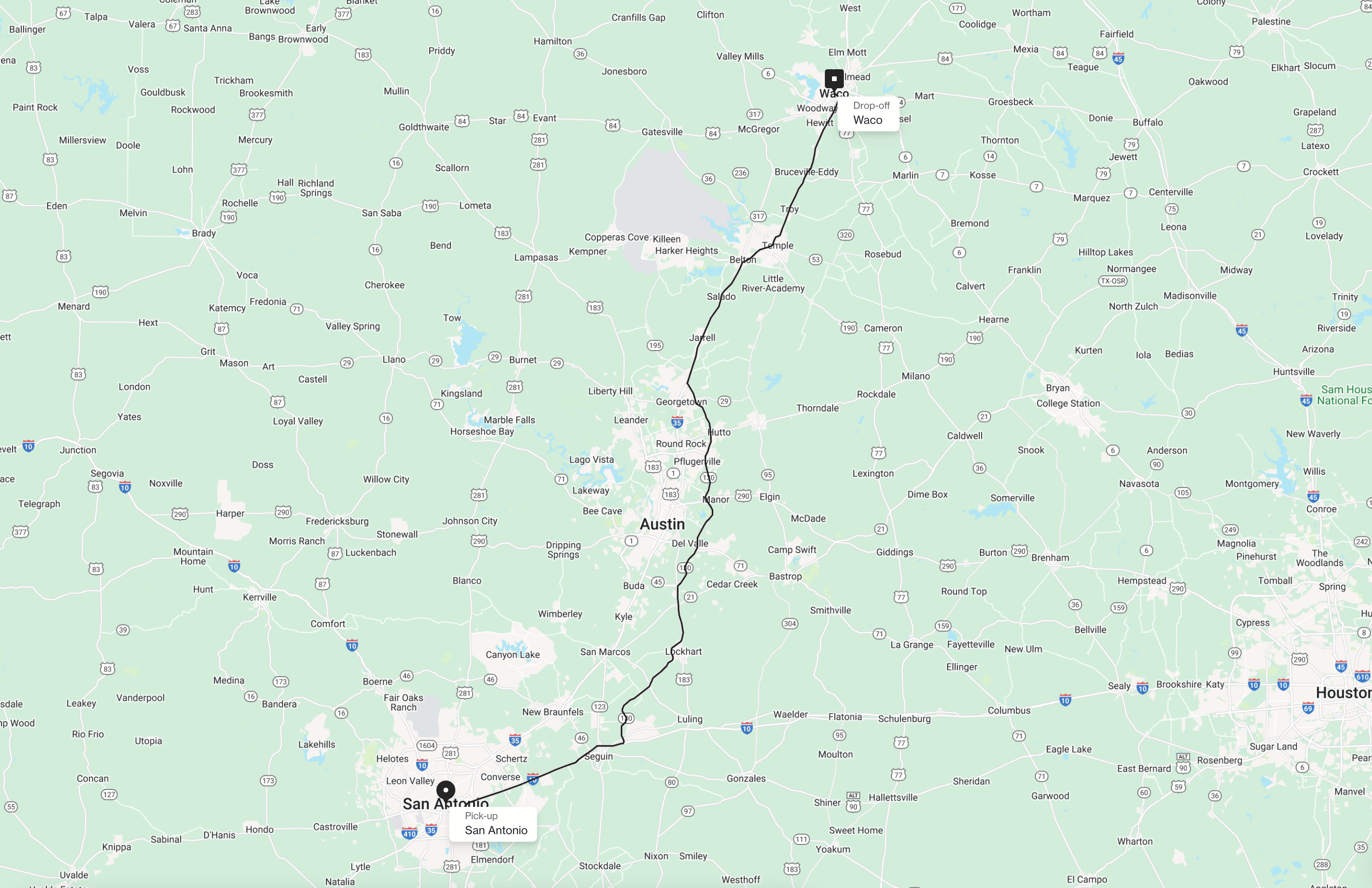
Navigating the Routes: The Road Between Waco and San Antonio
The most common and practical method of travel between Waco and San Antonio is by car, primarily utilizing the extensive Texas highway system. The journey is generally straightforward, traversing through the heart of central Texas.
The Primary Driving Route: I-35 South
The most direct and frequently used route is via Interstate 35 (I-35) South. This major artery connects many of Texas‘s most significant cities, and the stretch between Waco and San Antonio is well-maintained and easily navigable.
- Distance: The approximate driving distance between Waco and San Antonio via I-35 South is around 190-200 miles. This figure can vary slightly depending on the exact starting and ending points within each city.
- Estimated Travel Time: Under ideal conditions, with no significant traffic delays or extended stops, the drive typically takes between 2 hours and 45 minutes to 3 hours and 15 minutes. However, it is crucial to factor in potential variables.
- Traffic Considerations: I-35 is a heavily trafficked corridor, particularly as one approaches and departs larger metropolitan areas like San Antonio. Morning and evening rush hours can add considerable time to the journey. Weekend travel, especially during holiday periods or major events, also warrants anticipation of increased congestion.
- Alternative Routes: While I-35 is the most direct, minor detours or alternative routes might exist, though they are unlikely to offer significant time savings and could introduce more complex navigation. For instance, utilizing state highways like US Highway 77 or State Highway 195 could offer a more scenic, albeit slower, experience, passing through smaller towns and agricultural landscapes. However, these are generally not recommended for efficiency.
What to Expect Along the Way
The drive along I-35 South offers a quintessential Texas road trip experience. The landscape transitions from the rolling hills and ranchland north of Waco to the flatter terrain as you approach San Antonio.
- Services and Amenities: Along I-35, numerous exits provide access to a wide array of services. These include gas stations, rest areas, fast-food restaurants, and convenience stores. Larger towns like Temple, Austin (though a significant detour from the direct route if not using I-35), and New Braunfels offer more substantial dining and shopping opportunities should travelers wish to break up their journey.
- Scenic Value: While not renowned for dramatic vistas, the drive offers glimpses of classic Texas scenery. You’ll see expansive ranches, grazing cattle, and the occasional wind farm, particularly in the wider plains of Central Texas.
- Potential Stops: For those with a bit more time, a stop in New Braunfels can be a delightful diversion. This charming town is known for its German heritage, particularly evident in its architecture and annual festivals like Wurstfest. It’s also home to Schlitterbahn Waterpark, a world-famous destination for family fun, and the scenic Comal River and Guadalupe River, popular for tubing. Another notable town often passed through or near is San Marcos, home to Texas State University and an impressive outlet mall for shoppers.
The Practicalities of Travel: Planning Your Trip
Whether you’re embarking on a spontaneous road trip or a meticulously planned excursion, understanding the practicalities of traveling between Waco and San Antonio is key to a smooth and enjoyable experience.
Vehicle Considerations

- Fuel: Given the distance, ensure your vehicle has adequate fuel before departing, especially if you’re not familiar with the availability of services along your chosen route. Most modern vehicles can comfortably make the journey on a single tank, but it’s always wise to check your fuel gauge and fill up as needed.
- Vehicle Maintenance: A well-maintained vehicle is paramount for any road trip. Ensure your tires are properly inflated, brakes are in good condition, and fluids are topped up. This proactive approach can prevent unexpected issues and ensure a safer journey.
- Navigation: While I-35 is straightforward, having a reliable GPS device or a smartphone with a mapping application is highly recommended. This can help you navigate potential detours due to construction or accidents and provide real-time traffic updates.
Timing Your Journey
- Daylight Travel: Traveling during daylight hours is generally advisable for safety and for enjoying the scenery. The sun sets relatively early during winter months, so plan accordingly.
- Mid-Week Travel: If your schedule allows, traveling during the mid-week (Tuesday, Wednesday, or Thursday) can often result in less traffic compared to weekends or Mondays/Fridays.
- Event Awareness: Check local event calendars for both Waco and San Antonio, as well as any towns along your route, before you depart. Major events can significantly impact traffic and accommodation availability. For instance, events at the Waco Convention Center or major sporting events in San Antonio could influence travel times.
Budgeting for the Trip
- Fuel Costs: The cost of fuel will be a primary expense. Research current gas prices in Texas to estimate this cost based on your vehicle’s fuel efficiency.
- Food and Refreshments: Factor in the cost of meals and snacks, whether you plan to dine at restaurants, stop at fast-food establishments, or pack your own provisions.
- Tolls: The I-35 corridor in Texas generally has minimal tolls for this particular stretch, making it a relatively cost-effective route compared to some other major highways in the country. However, always be aware of potential electronic tolling systems, especially if you opt for routes that skirt around major cities or enter them directly.
Beyond the Drive: The Allure of Waco and San Antonio
While the distance is a crucial consideration, it’s the destinations themselves that truly draw travelers. Waco and San Antonio offer distinct yet equally compelling reasons to visit, making the journey between them a bridge between two unique Texas experiences.
The Rise of Waco: Magnolia and More
Waco has experienced a remarkable resurgence in popularity, largely driven by the influence of Chip and Joanna Gaines and their Magnolia brand.
- Magnolia Market at the Silos: This iconic destination is a must-visit for fans of the show “Fixer Upper.” The sprawling grounds feature the famous silos, a charming market filled with home decor and lifestyle products, a bakery, a garden, and various food trucks. It’s a hub of activity and a testament to the city’s transformation.
- Baylor University: A prominent fixture in Waco, Baylor University adds a vibrant collegiate atmosphere to the city. Its impressive campus and historic buildings are worth exploring. The Dr. Pepper Museum, located in a historic building that once housed the bottling plant for the iconic soft drink, offers a nostalgic glimpse into the beverage’s history.
- Waco Suspension Bridge: This historic bridge, a marvel of late 19th-century engineering, spans the Brazos River and offers picturesque views. It’s a popular spot for walking, jogging, and enjoying the riverfront.
- Local Culture and Dining: Beyond the Magnolia influence, Waco boasts a burgeoning local food scene, with numerous independent restaurants and cafes. The Cameron Park Zoo offers a family-friendly outing with a diverse collection of animals in naturalistic habitats.
San Antonio: A Tapestry of History and Culture
San Antonio beckons with its rich history, vibrant cultural tapestry, and iconic landmarks.
- The Alamo: The most famous landmark in San Antonio, The Alamo is a symbol of Texas independence and a poignant reminder of the pivotal battle fought there in 1836. Visiting this historic mission is an essential part of any trip to the city.
- San Antonio Riverwalk: This enchanting network of walkways runs along the San Antonio River, lined with restaurants, shops, and hotels. Taking a leisurely boat tour along the Riverwalk is a quintessential San Antonio experience, offering a unique perspective of the city’s charm.
- Historic Missions: San Antonio is home to a UNESCO World Heritage Site, a string of Spanish colonial missions established in the 18th century. These include Mission San José, Mission Concepción, Mission San Juan, and Mission Espada, each offering a glimpse into the region’s past and architectural heritage.
- Culinary Delights: San Antonio is a culinary paradise, renowned for its authentic Tex-Mex cuisine. From sizzling fajitas to flavorful enchiladas, the city offers a diverse range of dining experiences. Exploring the historic Market Square, also known as “El Mercado,” provides an opportunity to savor local flavors and browse artisanal crafts.
- Other Attractions: Beyond its historical core, San Antonio offers attractions like SeaWorld San Antonio, Six Flags Fiesta Texas, and the peaceful Japanese Tea Garden, providing entertainment for all ages and interests.
In conclusion, the distance between Waco and San Antonio is a manageable drive, approximately 190-200 miles, typically taking around 3 hours. This journey connects two distinct yet equally rewarding destinations within Texas, offering a blend of modern attractions, historical significance, and authentic Lone Star State culture. Whether you’re drawn by the charm of Magnolia Market or the historical echoes of The Alamo, the road between these cities promises a memorable Texas adventure.
LifeOutOfTheBox is a participant in the Amazon Services LLC Associates Program, an affiliate advertising program designed to provide a means for sites to earn advertising fees by advertising and linking to Amazon.com. Amazon, the Amazon logo, AmazonSupply, and the AmazonSupply logo are trademarks of Amazon.com, Inc. or its affiliates. As an Amazon Associate we earn affiliate commissions from qualifying purchases.