
The Geographic Proximity: Waltham and Boston
The vibrant city of Waltham, often referred to as “Watch City” due to its rich horological history, is situated a comfortable distance west of Boston, the bustling capital of Massachusetts. For travelers, commuters, and residents alike, understanding the precise proximity and accessibility between these two significant urban centers is crucial for planning effective journeys. Generally, the direct distance “as the crow flies” between downtown Waltham and downtown Boston is approximately 9-10 miles (14-16 kilometers). However, actual travel distance and time vary significantly depending on the mode of transport, specific departure and arrival points, and perhaps most critically, the time of day.
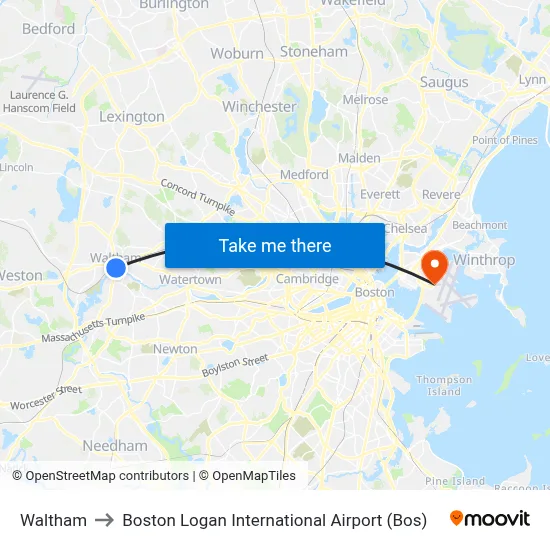
Waltham’s location on the Charles River, bordering Newton, Watertown, Belmont, and Lexington, places it strategically within the Greater Boston metropolitan area. This makes it an attractive residential hub for those working in Boston or Cambridge, as well as a convenient base for visitors looking to explore the region without being in the immediate hustle and bustle of the city center. The journey between Waltham and Boston is a daily reality for thousands, facilitated by an integrated network of roads and public transportation, offering a range of options tailored to different needs and preferences.
Navigating the Journey: Transportation Options
Understanding the various transportation methods available between Waltham and Boston is key to optimizing your travel experience, whether for daily commutes, business trips, or leisurely excursions. Each option presents its own balance of cost, convenience, speed, and comfort.
Driving: Speed and Convenience
Driving offers the most flexibility and door-to-door convenience, assuming traffic conditions are favorable. The typical driving distance from central Waltham to downtown Boston ranges from 11 to 14 miles (18-22 kilometers), depending on the exact route taken.
The primary route involves accessing the Massachusetts Turnpike (I-90) via local roads like Route 128 (I-95) or Route 20. Drivers typically take I-90 East directly into Boston, exiting at various points to reach destinations like Back Bay, the Theater District, or the Seaport District. Another common route, especially for those heading to the Financial District or North End, involves traversing local roads through Watertown and Cambridge, eventually connecting to Storrow Drive or Memorial Drive along the Charles River.
Under ideal conditions, outside of peak rush hour, the drive can take as little as 20-30 minutes. However, during the morning (7 AM – 9 AM) and evening (4 PM – 6 PM) commutes, this time can easily stretch to 45 minutes to over an hour due to significant congestion on major arteries and local roads. Parking in Boston is another major consideration, often expensive and sometimes challenging to find. Utilizing apps for real-time traffic updates and reserving parking spots in advance can mitigate some of these challenges.
Public Transportation: The Commuter Rail and Buses
Public transportation offers a reliable and often more relaxing alternative to driving, especially for those who prefer to avoid traffic and parking hassles. The primary public transit link between Waltham and Boston is the MBTA Commuter Rail.
The Fitchburg Line of the MBTA Commuter Rail serves Waltham, with two main stations: Waltham Station and Brandeis/Roberts Station. Trains on this line terminate at North Station in Boston, providing direct access to the TD Garden, North End, and easy connections to the MBTA subway lines (Orange and Green Lines) for further travel into the city. The train journey typically takes around 20-30 minutes, offering a relatively quick and stress-free ride. Fares are zone-based, and a CharlieCard or the MBTA mTicket app can streamline the ticketing process.
In addition to the commuter rail, several MBTA bus routes connect Waltham to neighboring towns and ultimately to Boston’s subway system. For instance, the 70 bus route travels through Waltham and Watertown, connecting to Central Square in Cambridge, which is on the Red Line subway, offering direct access to Harvard Square, MIT, and downtown Boston. While bus travel might take longer due to local stops and traffic, it offers greater accessibility to various points within Waltham and can be a more economical choice.

Ride-Sharing and Taxis: On-Demand Travel
For travelers prioritizing convenience and direct service, ride-sharing services like Uber and Lyft, or traditional taxis, are readily available. These options provide door-to-door transportation without the need for personal vehicle ownership or adherence to public transit schedules. The travel time will mirror that of driving a personal car, subject to traffic conditions. The cost, however, can fluctuate significantly based on demand (surge pricing during peak hours or special events), distance, and chosen vehicle type. While generally more expensive than public transportation, ride-sharing can be a cost-effective solution for groups or for travel during off-peak hours when public transit options are less frequent.
Cycling and Walking: For the Adventurous
For the more adventurous or environmentally conscious traveler, cycling provides a unique way to experience the landscape between Waltham and Boston. The Charles River Greenway, a network of scenic paths, offers a relatively flat and picturesque route, largely separated from vehicular traffic. Cycling from Waltham to Boston can take anywhere from 45 minutes to 1.5 hours, depending on speed and destination within Boston. This option is ideal for leisure, fitness, or those with ample time and appropriate gear. Walking between the two cities is generally not practical for regular commuting due to the distance, typically taking 3-4 hours, but sections of the Charles Riverwalk are popular for recreational strolls.
Travel Considerations: Planning Your Trip
Effective travel planning between Waltham and Boston involves more than just knowing the distance; it requires an understanding of dynamic factors that can impact your journey.
Time of Day and Week
The most significant factor influencing travel time is the time of day. Rush hour traffic, generally from 7 AM to 9 AM and 4 PM to 6 PM on weekdays, can drastically extend driving times and increase congestion on public transit. If your schedule allows, traveling outside these windows can save considerable time and reduce stress. Weekend travel is typically smoother, though special events in Boston (e.g., sporting events at Fenway Park or concerts at the TD Garden) can still cause localized delays. Always check real-time traffic apps and MBTA schedules before departing.
Purpose of Travel
The reason for your journey also dictates the best mode of transport. For a business meeting with strict timings, the commuter rail or an early morning drive might be preferred for predictability. For a leisurely day exploring Boston’s attractions like the Freedom Trail or Museum of Fine Arts, public transport can be ideal, allowing you to avoid parking woes and relax during the ride. If carrying heavy luggage or traveling with small children, a ride-sharing service might offer the most comfort and convenience despite the higher cost.
Cost Analysis
Budget plays a crucial role in travel decisions. Driving involves fuel costs, potential tolls (on the Massachusetts Turnpike), and often expensive parking fees in Boston. Public transportation, particularly the MBTA Commuter Rail with a CharlieCard, is generally the most economical option for solo travelers or small groups. Ride-sharing and taxis offer convenience at a premium, with costs often exceeding other options, especially during peak demand. For regular commuters, monthly passes for the MBTA can significantly reduce per-trip costs.

Exploring Beyond the Distance: Waltham as a Gateway
While the question of “how far” centers on the practicalities of transit, it’s also worth appreciating Waltham’s own appeal as a destination or a strategic base for regional exploration. Waltham is a city with its own distinct charm and offerings. Its vibrant Moody Street is renowned for its diverse culinary scene, featuring a plethora of restaurants, cafes, and shops, making it a destination in itself for foodies. The Charles Riverwalk offers picturesque trails for walking, jogging, and cycling, providing a peaceful escape.
Home to institutions like Bentley University and Brandeis University, Waltham possesses a youthful energy and academic vibrancy. Historical sites such as the Charles River Museum of Industry and Innovation delve into the city’s manufacturing past. For travelers seeking a quieter, more community-focused experience with excellent access to Boston and surrounding areas, Waltham presents an ideal choice. Its position allows visitors to enjoy the suburban tranquility and local amenities while still having easy and efficient access to the world-class attractions and opportunities that Boston offers.
LifeOutOfTheBox is a participant in the Amazon Services LLC Associates Program, an affiliate advertising program designed to provide a means for sites to earn advertising fees by advertising and linking to Amazon.com. Amazon, the Amazon logo, AmazonSupply, and the AmazonSupply logo are trademarks of Amazon.com, Inc. or its affiliates. As an Amazon Associate we earn affiliate commissions from qualifying purchases.