
The question of distance between two iconic East Coast metropolises, Washington DC and Boston, is a common one for travelers, business professionals, and anyone planning a trip along the bustling Northeast Corridor. While seemingly straightforward, understanding the nuances of this distance involves considering various modes of transportation, travel times, and the unique experiences each city offers, painting a vivid picture of the journey and its implications for your travel plans. The roughly 400-mile stretch that separates these two vibrant centers of history, culture, and innovation is traversed by millions annually, each with their own reasons for making the trip.
Understanding the Distance: Miles and Time
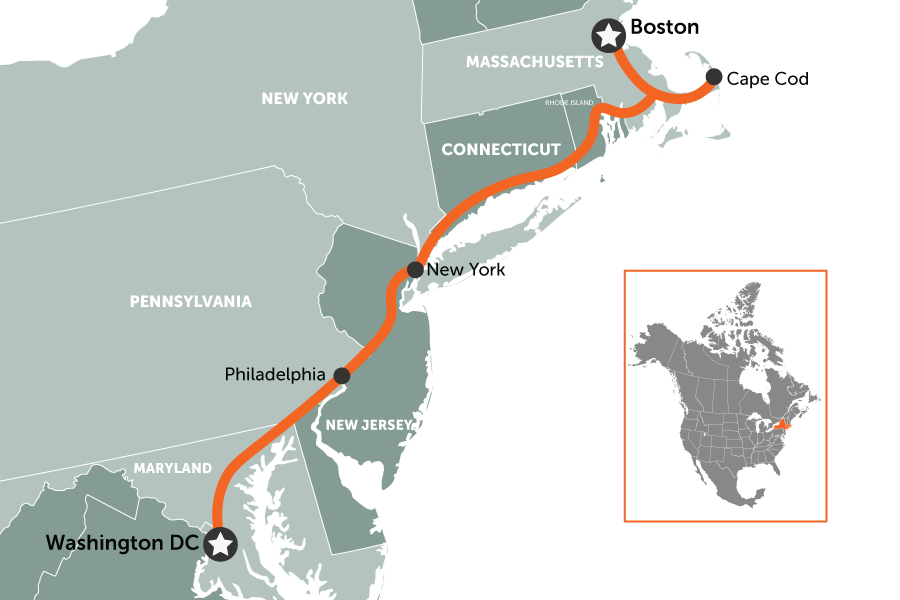
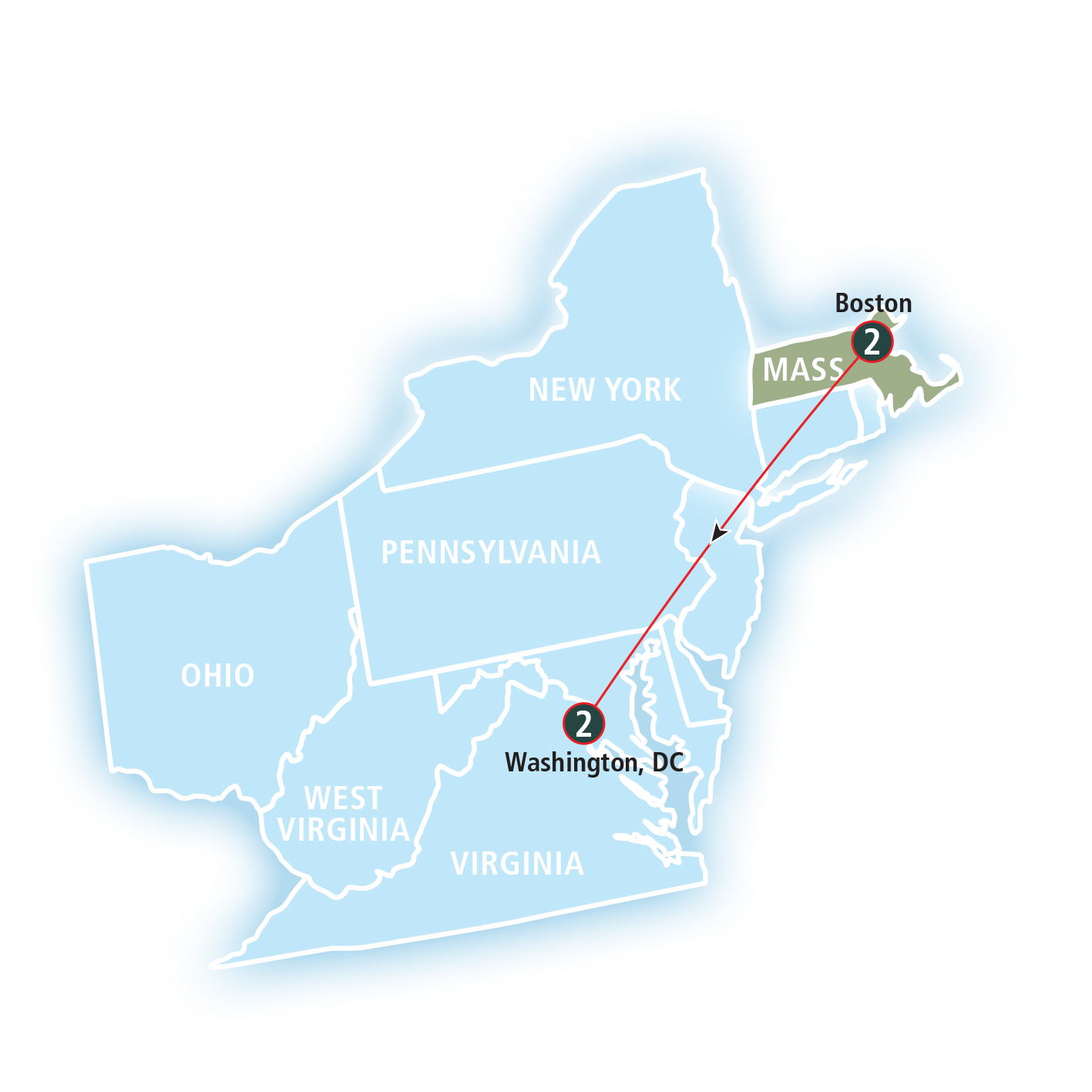
The literal distance between Washington DC and Boston is approximately 435 miles when measured by road. This figure can fluctuate slightly depending on the exact starting and ending points within each metropolitan area and the specific route taken. However, for practical travel planning, this mileage serves as a foundational understanding of the journey. What truly matters to most travelers, however, is not just the physical mileage but the time it takes to cover it. This time is heavily influenced by the chosen mode of transport, traffic conditions, and the efficiency of the journey itself.
By Car: The Open Road Experience
Driving between Washington DC and Boston offers a sense of freedom and flexibility, allowing travelers to set their own pace and make spontaneous stops. The most common route utilizes Interstate 95 (I-95) for a significant portion of the journey, a major artery that connects many of the prominent cities along the East Coast. This route typically passes through states like Maryland, Delaware, Pennsylvania, New Jersey, New York, Connecticut, and Rhode Island before reaching Massachusetts.
The estimated driving time without any stops or significant traffic delays is generally between 7 and 9 hours. However, this is a highly optimistic projection. The reality of driving this corridor, especially during peak hours or holidays, can involve considerable traffic congestion. Major metropolitan areas along the way, such as the New York City and Philadelphia regions, are notorious for their traffic jams, which can easily add several hours to the total travel time. Therefore, it is advisable to factor in at least 9 to 12 hours of driving time, assuming moderate traffic.
Tips for Driving:
- Plan Your Route: Utilize GPS navigation apps that offer real-time traffic updates. Consider alternative routes that may bypass congested areas, though these could be longer in mileage.
- Travel Off-Peak: If possible, schedule your drive to avoid weekday rush hours (typically 6-9 AM and 4-7 PM) and weekend travel during major holiday periods.
- Breaks are Essential: The drive is long. Plan for several rest stops to stretch your legs, grab a meal, and stay alert. Many service areas and rest stops are available along I-95.
- Consider an Overnight Stop: For a more relaxed journey, consider breaking the drive into two days with an overnight stay in a city like New Haven or Providence. This not only reduces fatigue but also provides an opportunity to explore another locale.
By Train: The Scenic and Convenient Option
For many, the train offers a more relaxed and often more efficient way to travel between Washington DC and Boston. Amtrak, the national passenger rail service, operates the Acela Express and the Northeast Regional services along this route. These services are a popular choice for business travelers and tourists alike, offering comfortable seating, onboard amenities, and the ability to avoid the stresses of driving.
The Acela Express, Amtrak’s high-speed service, is the fastest option, with journey times typically ranging from 6.5 to 7 hours. It makes fewer stops and is designed for speed. The Northeast Regional trains, while not as fast, are more frequent and still offer a comfortable ride, with journey times usually between 7.5 and 9 hours. Both services depart from Union Station in Washington DC and arrive at South Station or Back Bay Station in Boston.
Advantages of Train Travel:
- Reduced Stress: No traffic to contend with, no need to navigate unfamiliar roads, and no parking worries upon arrival.
- Productivity: Many travelers use train journeys to catch up on work, read, or simply relax. Wi-Fi is often available, and power outlets are standard.
- Comfort: Spacious seating, the ability to walk around, and dining car options contribute to a more comfortable travel experience than being confined to a car.
- Environmental Friendliness: Train travel generally has a lower carbon footprint per passenger mile compared to driving or flying.
Booking Train Tickets:
- Book in Advance: Especially for Acela Express, booking tickets well in advance can secure better fares and ensure availability, particularly during peak travel times.
- Consider Station Choice: While both South Station and Back Bay Station serve Boston, South Station is the larger and more central hub, offering greater connectivity to public transportation within the city.
By Air: The Fastest, But With Caveats
Flying between Washington DC and Boston is technically the fastest mode of transport in terms of actual flight time. The flight duration is typically around 1 hour and 15 minutes. Several airlines operate frequent direct flights between the major airports serving both cities: Ronald Reagan Washington National Airport (DCA), Washington Dulles International Airport (IAD), and Baltimore/Washington International Thurgood Marshall Airport (BWI) on the Washington DC side, and Boston Logan International Airport (BOS) in Boston.
However, the perceived speed of air travel must be weighed against the total time involved in the process. This includes traveling to the airport, the check-in and security procedures, boarding, taxiing, the flight itself, deplaning, baggage claim, and finally, traveling from the airport to your final destination in the city. When all these factors are considered, the total door-to-door travel time for flying can often rival or even exceed that of taking the train, especially when accounting for potential flight delays.
Factors to Consider for Air Travel:
- Airport Proximity: Reagan National Airport (DCA) is the closest to downtown Washington DC, offering easy access via the Metro. Logan Airport (BOS) is also relatively close to downtown Boston, with good public transportation links.
- Total Travel Time: As mentioned, the time spent at airports can significantly extend the overall journey.
- Cost: Airfare can fluctuate widely. While sometimes competitive, it can also be more expensive than train tickets, especially when factoring in baggage fees and transportation to and from airports.
- Baggage Restrictions: Airlines have strict limits on baggage size and weight, which can be inconvenient for longer trips or if you are carrying a lot of gear.
Bus Travel: The Budget-Conscious Choice
For the most budget-conscious travelers, bus services offer an economical way to get from Washington DC to Boston. Companies like Greyhound and various smaller regional carriers operate routes along the Northeast Corridor.
The primary advantage of bus travel is its affordability. Tickets are often significantly cheaper than train or plane fares. However, this cost-effectiveness comes at the expense of travel time and comfort. Bus journeys are typically the longest, with travel times ranging from 10 to 12 hours, and sometimes even longer, depending on traffic and the number of stops. The comfort level can also be lower compared to trains, with less legroom and fewer amenities.
Key Considerations for Bus Travel:
- Duration: Be prepared for a long journey. It is crucial to pack snacks, entertainment, and a comfortable neck pillow.
- Comfort: Choose buses with more amenities if possible, such as Wi-Fi and onboard restrooms.
- Departure/Arrival Points: Bus stations can sometimes be located in less central areas than train stations, requiring additional transportation to reach your final destination.

Choosing the Right Mode of Travel for Your Needs
The “best” way to travel between Washington DC and Boston depends entirely on your priorities.
- For Speed and Efficiency (and willing to pay a premium): Flying might seem like the obvious choice, but the train, especially the Acela Express, often provides comparable or better total travel times when airport hassles are factored in, with added comfort.
- For Comfort and Productivity: The train is generally the winner. The ability to move around, work, and enjoy the scenery without the stress of driving or airport procedures makes it ideal for many.
- For Flexibility and the Road Trip Experience: Driving offers unparalleled freedom to explore, stop at attractions along the way, and control your schedule. However, be prepared for potential traffic delays and the significant time commitment.
- For Budget Travelers: The bus is the most economical option, provided you can tolerate the longer journey time and potentially reduced comfort.
Ultimately, understanding the distance in terms of both miles and hours, and considering the unique advantages and disadvantages of each travel mode, will empower you to make the most informed decision for your trip between these two historically rich and culturally vibrant American cities. Whether you’re heading to explore the museums and monuments of Washington DC or the historic streets and vibrant arts scene of Boston, the journey itself can be an integral part of the travel experience.
LifeOutOfTheBox is a participant in the Amazon Services LLC Associates Program, an affiliate advertising program designed to provide a means for sites to earn advertising fees by advertising and linking to Amazon.com. Amazon, the Amazon logo, AmazonSupply, and the AmazonSupply logo are trademarks of Amazon.com, Inc. or its affiliates. As an Amazon Associate we earn affiliate commissions from qualifying purchases.