
Embarking on a journey between two of America’s most historically significant and vibrant cities, Washington D.C. and Boston, offers a fascinating traverse through the heart of the Northeast Corridor. Whether for business, leisure, or a deeper dive into the nation’s foundational narratives, understanding the distance and the myriad of travel options available is the first step in planning an efficient and enjoyable trip. This guide delves into the logistics of connecting these two dynamic metropolises, providing insights into various modes of transport, estimated travel times, and crucial considerations for a seamless journey.
The Core Journey: Distance and Travel Time
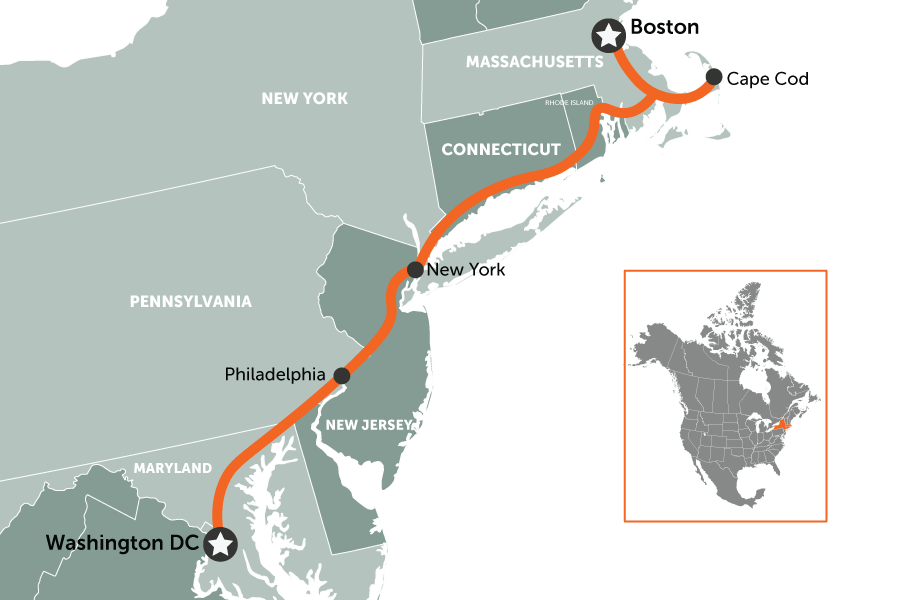
The fundamental question of “how far” between Washington D.C. and Boston primarily revolves around two key metrics: geographical distance and the time it takes to cover that distance by different means. Both cities serve as critical hubs on the eastern seaboard, making the route between them a well-traveled artery of commerce and tourism.
By Road: Driving the Interstate 95 Corridor
The direct driving distance between Washington D.C. and Boston is approximately 400 to 440 miles (640 to 708 kilometers), depending on the specific starting and ending points within each metropolitan area and the precise route taken. The most common and direct route follows Interstate 95 for a significant portion of the journey. Under ideal conditions, meaning no traffic congestion, stops, or detours, this drive typically takes between 7 to 8 hours.
However, “ideal conditions” are a rarity on the heavily trafficked Northeast Corridor. Factors such as rush hour in major cities like New York City or Philadelphia, construction zones, or unexpected road incidents can significantly extend travel times. It’s not uncommon for the drive to stretch to 9-10 hours, or even longer, especially during peak travel seasons or holiday weekends. Planning for potential delays and factoring in necessary stops for fuel, food, and rest is crucial for a comfortable road trip.
By Air: The Swift Connection
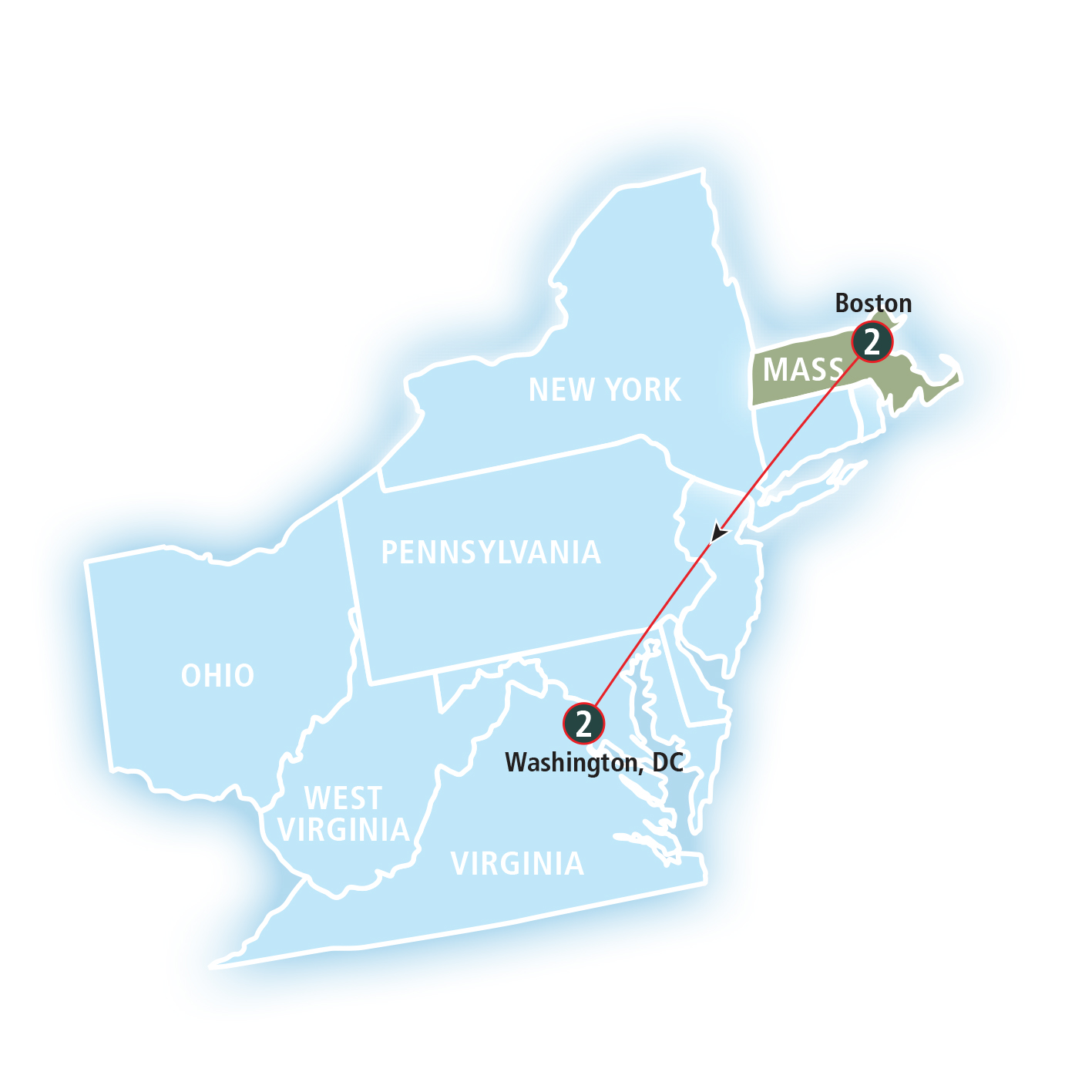
For travelers prioritizing speed, air travel offers the quickest way to bridge the distance. The aerial distance between Washington D.C. and Boston is approximately 393 miles (632 kilometers). A direct flight typically lasts around 1 hour and 20 minutes to 1 hour and 30 minutes.
However, the total travel time for air journeys extends beyond just the flight duration. Travelers must factor in time for getting to and from airports, navigating security checkpoints, and baggage claim. In the Washington D.C. area, primary airports include Ronald Reagan Washington National Airport (DCA), Washington Dulles International Airport (IAD), and Baltimore/Washington International Thurgood Marshall Airport (BWI). Boston is served by Boston Logan International Airport (BOS). When accounting for these additional steps, door-to-door air travel can often amount to 4-5 hours, making it comparable to, or sometimes only slightly faster than, high-speed train services for city-center to city-center transit.
Navigating the Northeast Corridor: Transportation Options
Choosing the right mode of transportation between Washington D.C. and Boston depends heavily on individual priorities such as budget, time constraints, comfort preferences, and the desire for flexibility or scenic experiences. Each option presents a unique set of advantages and considerations.
Driving: Flexibility and Scenic Stops
Driving offers unparalleled flexibility, allowing travelers to depart and arrive on their own schedule and make impromptu stops. The primary route is via Interstate 95 North from Washington D.C., passing through or near major metropolitan areas like Baltimore, Philadelphia, and New York City before reaching Boston.
For those with more time, a driving trip can be transformed into a mini-road trip, with opportunities to explore attractions in intervening cities. In Philadelphia, for instance, one could detour to see Independence Hall and the Liberty Bell. A stop in New York City could involve a stroll through Central Park or a visit to a museum. Travelers should be aware of tolls, particularly in Maryland, Delaware, New Jersey, and New York, which can add a significant cost to the journey. Utilizing navigation apps that provide real-time traffic updates is essential to mitigate delays, especially when passing through urban centers.
Air Travel: Speed and Convenience
Despite the additional time required for airport procedures, flying remains the fastest point-to-point option for travelers looking to minimize transit time. Major airlines frequently operate direct flights between Washington D.C. area airports (DCA, IAD, BWI) and Boston Logan International Airport (BOS). Flights are abundant, offering flexibility in scheduling.
The primary advantages are speed and the ability to cover long distances quickly. However, travelers should weigh the cost of airfare, which can fluctuate significantly based on demand and booking time, against the convenience. Additional costs include parking at the departure airport, transportation to and from airports at both ends, and potential baggage fees. For those traveling light and on a tight schedule, air travel is an optimal choice.
Train: The Amtrak Experience
Traveling by train along the Northeast Corridor is a popular and often relaxing alternative to driving or flying. Amtrak operates frequent services between Washington Union Station and Boston South Station. The premium Acela Express offers a faster, more comfortable journey, with travel times typically ranging from 6.5 to 7 hours. Regional services, while generally more affordable, can take 8 to 9 hours.
One of the significant advantages of train travel is the city-center to city-center convenience, eliminating the need for airport transfers or navigating city traffic. Passengers can enjoy spacious seating, work comfortably with Wi-Fi access, or simply relax and take in the changing scenery. The absence of security lines comparable to airports further enhances the ease of travel. For many, the train offers a perfect balance of comfort, convenience, and reasonable travel time, making it an excellent choice for both business and leisure travelers.
Bus: The Budget-Friendly Alternative
For travelers seeking the most economical option, bus services provide a cost-effective way to travel between Washington D.C. and Boston. Several reputable bus companies, including Greyhound, Megabus, and Peter Pan Bus Lines, offer frequent daily departures.
Bus journeys are typically the longest, with travel times ranging from 8 to 10 hours, largely due to multiple stops and potential traffic delays. However, the significantly lower fares often make this an attractive option for budget-conscious individuals or students. Modern buses usually come equipped with amenities such as Wi-Fi, power outlets, and reclining seats, making the long ride more manageable. Bus terminals are generally centrally located, similar to train stations, offering convenient access to local public transport networks upon arrival.
Choosing Your Journey: Factors to Consider
Deciding on the best mode of transport for your trip from Washington D.C. to Boston involves a careful evaluation of several personal and practical factors.
Time vs. Cost
This is often the primary trade-off. Air travel is typically the fastest but can also be the most expensive, especially if booked last minute. Train travel offers a good balance of speed and comfort, with fares falling in the mid-range. Driving costs include fuel, tolls, and potential parking fees, and the overall time depends heavily on traffic. Bus travel is almost always the cheapest but requires the most time. Budget travelers will gravitate towards the bus, while those with limited time might opt for a flight. For many, the train presents an optimal value proposition.
Comfort and Convenience
Each travel mode offers a different level of comfort and convenience. Driving provides the most control over stops and luggage, but also demands the most attention and can be tiring. Flying is quick but involves airport hassles and less spacious seating. Train travel offers comfortable seating, the freedom to move around, and less stringent luggage restrictions. Bus travel has improved in comfort but still involves longer periods in a seated position. Consider your personal preference for travel style, the amount of luggage you plan to bring, and whether you prefer an active or passive role in your journey.
Travel Purpose
The reason for your trip also plays a significant role. For a critical business meeting where punctuality is paramount, flying or the Acela Express might be the most reliable. If you’re planning a leisurely vacation and wish to explore various towns or attractions along the way, driving allows for such spontaneous detours. For students or long-term travelers focused on budget, bus travel is an obvious choice. Understanding your core objective for the journey will guide you to the most appropriate transportation solution.
Planning Your Trip Between Two Historic Hubs
Once you’ve decided on your preferred mode of transport, a few final planning tips can help ensure your journey between Washington D.C. and Boston is as smooth as possible.
Best Time to Travel
The Northeast Corridor experiences distinct seasons, each with its own travel implications. Spring and fall generally offer the most pleasant weather for travel, with comfortable temperatures and beautiful scenery, though these are also popular times for tourism. Summer can be hot and humid, and often coincides with peak tourist season, leading to higher prices and more crowded conditions across all modes of transport. Winter can bring snow and ice, potentially causing delays for both road and air travel. Weekday travel, particularly mid-week, generally sees fewer crowds and potentially lower prices than weekends or holidays. Always check weather forecasts and traffic predictions if driving during challenging seasons.
Essential Travel Tips
Regardless of your chosen transport, booking tickets or making accommodation arrangements in advance is always recommended, especially during peak travel times, to secure the best rates and availability. If driving, download offline maps and traffic apps, and have an EZ-Pass or similar transponder ready for tolls to save time. For air and train travel, arrive at stations or airports with ample time to spare, particularly during busy periods. Familiarize yourself with the public transportation systems in both Washington D.C. and Boston for efficient navigation upon arrival, as both cities boast excellent transit networks that minimize the need for a personal vehicle. Packing efficiently and having essential documents readily accessible will further contribute to a stress-free travel experience.
The journey between Washington D.C. and Boston is more than just covering distance; it’s an opportunity to experience a vital stretch of the American landscape. With careful planning and an informed choice of transportation, your trip can be as enriching and seamless as the destinations themselves.
LifeOutOfTheBox is a participant in the Amazon Services LLC Associates Program, an affiliate advertising program designed to provide a means for sites to earn advertising fees by advertising and linking to Amazon.com. Amazon, the Amazon logo, AmazonSupply, and the AmazonSupply logo are trademarks of Amazon.com, Inc. or its affiliates. As an Amazon Associate we earn affiliate commissions from qualifying purchases.