
The bustling metropolis of New York City and the historical capital of the United States, Washington DC, are two of the most iconic and frequently visited destinations on the East Coast. Whether you’re planning a business trip, a family vacation, or a leisurely escape, understanding the distance and myriad travel options between these two influential cities is key to a smooth and enjoyable journey. This comprehensive guide will not only detail the physical distance but also delve into the various modes of transport, what to expect along the way, and how to maximize your travel experience, from accommodation choices to hidden gems.

Understanding the Distance: Geographic Perspective and Practical Implications
At first glance, the distance between Washington DC and New York City might seem straightforward, but it varies slightly depending on whether you consider a straight-line measurement or the actual road distance.
The Straight Line vs. The Road
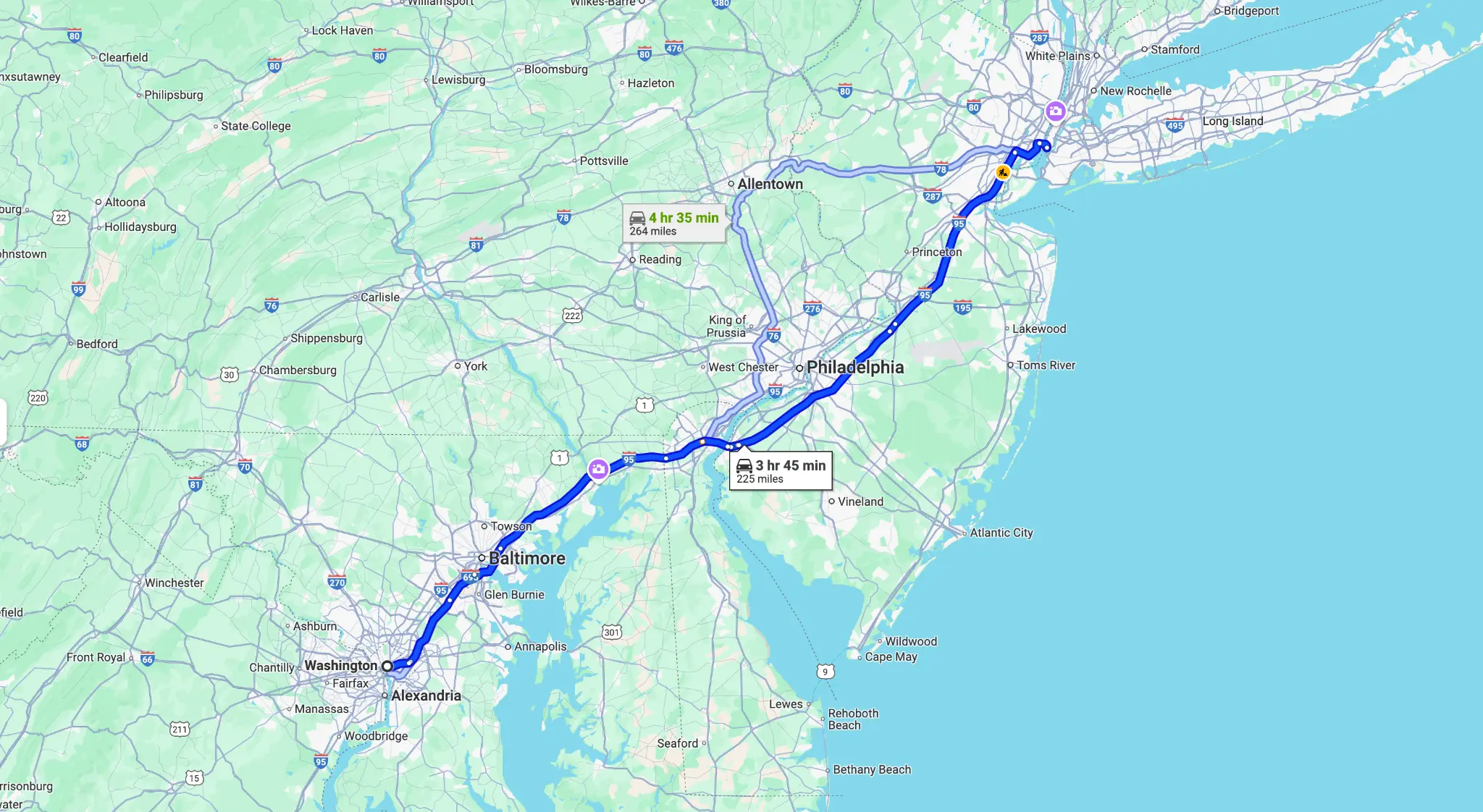
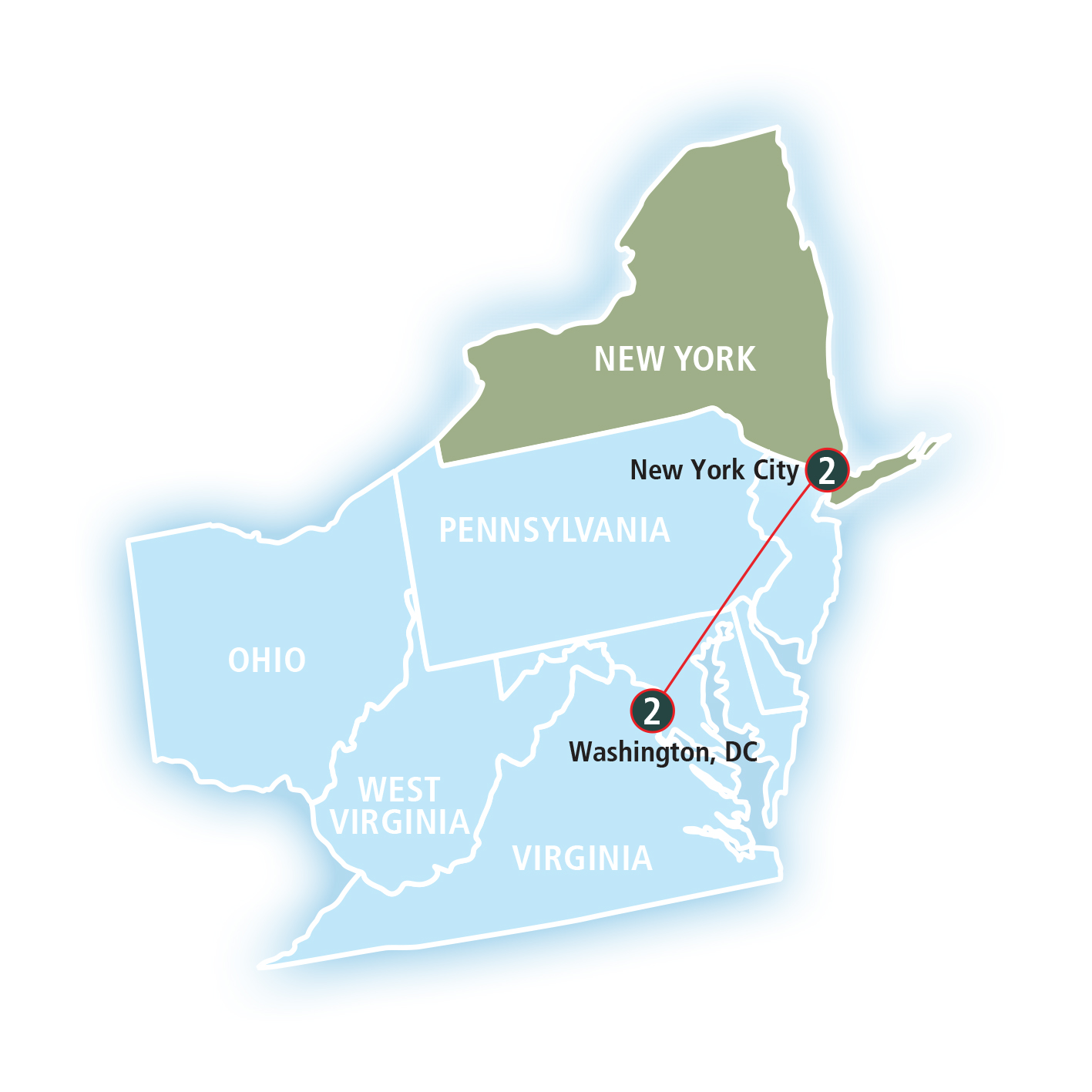
As the crow flies, the approximate aerial distance between Washington DC and New York City is around 200 miles (322 kilometers). However, for practical travel purposes, we’re interested in the ground distance, which is invariably longer due to road networks and geographical features. The typical driving distance by car is approximately 225-230 miles (362-370 kilometers), primarily along Interstate 95, the main artery of the Northeast Corridor. This route takes you through several states, including Maryland, Delaware, Pennsylvania, and New Jersey, before arriving in New York.
The travel time for this journey can fluctuate significantly based on traffic conditions, particularly around major metropolitan areas like Baltimore, Philadelphia, and the entry points into New York City. Typically, a car journey without significant delays can take anywhere from 3.5 to 5 hours. However, during peak travel times, especially holiday weekends or rush hour, this can easily extend to 6-8 hours or even more. Understanding this variability is crucial for planning your departure and arrival times, whether you’re traveling for business or leisure. For those who enjoy scenic routes, detours off Interstate 95 can offer charming small towns and coastal views, though they will add to the overall travel time.
Navigating the Northeast Corridor: Travel Options
The popularity of the Washington DC to New York City route has led to a highly developed transportation infrastructure, offering a variety of choices to suit every budget, preference, and schedule.
By Car: The Classic American Road Trip
Driving offers unparalleled flexibility and the freedom to explore at your own pace. As mentioned, the primary route is Interstate 95.
Pros:
- Flexibility: Depart and stop whenever you wish.
- Cost-Effective for Groups: Can be cheaper than individual train or bus tickets for families or groups.
- Luggage Freedom: No restrictions on baggage size or quantity beyond what fits in your vehicle.
Cons: - Traffic: Can be unpredictable and severe, especially around major cities.
- Parking: Extremely expensive and difficult to find in both Washington DC and New York City. Consider parking outside the city and using public transport, or factor parking costs into your budget.
- Tolls: Numerous tolls exist along Interstate 95, particularly in Delaware, Maryland, and New Jersey, which can add a significant cost to your journey. An E-ZPass transponder is highly recommended for convenience and potential savings.
For those considering a road trip, planning for gas stops, rest areas, and potential detours to attractions like the Inner Harbor in Baltimore or historic sites in Philadelphia can transform a simple commute into an enriching travel experience. Remember to check real-time traffic updates using navigation apps before and during your drive.
By Train: Amtrak and the Acela Express
Traveling by train along the Northeast Corridor is a popular choice, offering a comfortable and often faster alternative to driving. Amtrak operates frequent services between Washington DC’s Union Station and New York City’s Moynihan Train Hall (and previously Penn Station, which is still used for some services).
Options:
- Acela Express: The high-speed service, offering fewer stops and a journey time of approximately 2 hours and 50 minutes to 3 hours. It’s ideal for business travelers or those prioritizing speed and comfort. Features include spacious seating, power outlets, and Wi-Fi.
- Northeast Regional: A more economical option with more stops, typically taking around 3.5 hours. While slower, it offers a great value and a comfortable ride with similar amenities.
Pros: - Convenience: Drops you off directly in the city centers, eliminating parking worries.
- Productivity: Free Wi-Fi and power outlets make it easy to work or relax.
- Comfort: More spacious seating and the ability to move around than in a car or bus.
- Reliability: Less affected by road traffic.
Cons: - Cost: Tickets, especially for Acela Express, can be expensive, particularly if booked last minute. Booking in advance can yield significant savings.
- Luggage: While generous, there are still limits, and large items may need to be checked.
Train travel provides a quintessential American experience, allowing passengers to enjoy the passing landscapes of the Mid-Atlantic states without the stress of driving. First-class options on the Acela Express offer an even more luxurious experience, including complimentary meals and at-seat service, appealing to those who prioritize a premium lifestyle travel experience.
By Bus: Budget-Friendly and Convenient
For the most budget-conscious travelers, intercity bus services offer a practical solution. Companies like Greyhound, Megabus, and Peter Pan Bus Lines operate numerous daily routes between Washington DC and New York City.
Pros:
- Affordability: Often the cheapest travel option, especially when booking in advance.
- Frequency: Many departures throughout the day.
- Convenience: Drops off at central locations, though not always as centrally located as train stations.
Cons: - Travel Time: Typically the longest option, ranging from 4 to 6 hours, heavily dependent on traffic.
- Comfort: Can be less comfortable than train or air travel, with limited space.
- Unpredictability: Most susceptible to road traffic delays.
Despite the longer travel times, modern buses often come equipped with amenities like Wi-Fi, power outlets, and reclining seats, making the journey more tolerable. This option is particularly popular among students, backpackers, and those looking for an economical way to bridge the distance.
By Air: The Quickest Option (but often not the most practical for this route)
While both cities boast major airports (Ronald Reagan Washington National Airport (DCA), Washington Dulles International Airport (IAD), Baltimore/Washington International Thurgood Marshall Airport (BWI) for DC; John F. Kennedy International Airport (JFK), Newark Liberty International Airport (EWR), LaGuardia Airport (LGA) for NYC), flying is generally not the most practical or time-efficient choice for this specific route.
Pros:
- Flight Time: Actual flight time is very short, around 1 hour.
Cons: - Total Travel Time: The total door-to-door travel time (including travel to/from airports, security checks, boarding) often exceeds that of the train, amounting to 4-5 hours or more.
- Cost: Can be more expensive than bus or train, especially when factoring in airport transfers.
- Environmental Impact: Higher carbon footprint compared to ground transportation.
Flying is usually reserved for those connecting to longer international flights or those with specific logistical needs that make air travel unavoidable. For a direct journey between Washington DC and New York City, ground transportation typically wins in terms of overall convenience and efficiency.
Making the Most of Your Journey: Stopovers and Attractions
The journey between these two great cities doesn’t have to be just a transit; it can be an integral part of your travel experience, offering opportunities for exploration and discovery. The cities and towns along the Northeast Corridor are rich in history, culture, and unique attractions.
Exploring Key Cities Along the Way
- Baltimore, Maryland: Located roughly an hour north of Washington DC, Baltimore is a vibrant port city known for its historic Inner Harbor. Here, you can visit the National Aquarium, explore the historic Fort McHenry (birthplace of the Star-Spangled Banner), or delve into railway history at the B&O Railroad Museum. It’s a fantastic spot for a lunch break or a few hours of sightseeing.
- Philadelphia, Pennsylvania: Approximately two hours north of Baltimore, Philadelphia is steeped in American history. As the birthplace of American democracy, it offers iconic landmarks like Independence Hall where the Declaration of Independence and the U.S. Constitution were signed, and the Liberty Bell. Beyond history, Philly boasts a thriving food scene (don’t forget a cheesesteak!) and world-class museums such as the Philadelphia Museum of Art with its famous “Rocky Steps.” This city can easily be a day trip or an overnight stay.
Unique Landmarks and Experiences
While the major cities offer plenty, smaller stops can also enhance your trip. Consider visiting a charming town in Delaware or a coastal spot in New Jersey if you have time for a more leisurely drive. Each offers a glimpse into local culture and unique attractions that define the Mid-Atlantic landscape. These experiences contribute to the broader aspect of tourism, allowing travelers to immerse themselves in regional distinctiveness rather than just rushing to their final destination.
Planning Your Stay: Accommodation and Lifestyle Considerations
Once you’ve determined how you’ll travel, the next crucial step is finding the perfect place to stay. Both Washington DC and New York City offer an extensive range of accommodation options, catering to every style of travel, from luxury resorts to budget-friendly apartments.
Hotels and Resorts in Washington DC
Washington DC is replete with accommodations that reflect its status as a global capital.
- Luxury: For a lavish stay, consider iconic hotels like The Hay-Adams with stunning views of The White House, or The Willard InterContinental, known for its historic grandeur. These establishments often come with opulent amenities, fine dining, and concierge services catering to a luxury travel lifestyle.
- Boutique: Neighborhoods like Georgetown and Dupont Circle are home to charming boutique hotels such as The Graham Georgetown or The Mansion on O Street, offering unique character and personalized service.
- Mid-Range & Budget: Numerous chain hotels and family-friendly options can be found throughout downtown and areas like Foggy Bottom, such as the Kimpton Hotel Monaco Washington DC or the Capital Hill Inn, providing comfortable stays without breaking the bank. For longer stays or family trips, serviced apartments are also a popular choice. The Potomac River Resort offers a blend of leisure and family-friendly amenities.
Hotels and Resorts in New York City
New York City boasts an unparalleled array of accommodation, from world-famous landmarks to trendy, minimalist stays.
- Luxury: In Midtown Manhattan, options like The St. Regis New York, The Plaza Hotel, or The Roosevelt Hotel offer classic elegance and proximity to major attractions like Central Park and Broadway. For business stays or high-end leisure, The Grand Central Hotel also provides excellent service and amenities.
- Boutique & Trendy: Explore neighborhoods like Greenwich Village, SoHo, or the Lower East Side for boutique hotels like The Standard High Line or The Ludlow Hotel, which offer contemporary design and vibrant local experiences. The Manhattan Boutique Suites offer a chic option for those looking for more spacious, apartment-style accommodation.
- Budget-Friendly: Options can be found further afield in Brooklyn, Queens, or Long Island City, which are well-connected by subway. Hostels and budget chains also exist in Manhattan, though space is typically at a premium.
Budget vs. Luxury: Tailoring Your Trip
The choice between a budget-friendly stay and a luxury experience largely depends on your travel goals and personal preferences.
- Budget Travel: Focus on finding deals, booking in advance, and considering alternative accommodations like vacation rentals or hostels. Utilizing public transport within cities will also cut down costs.
- Luxury Travel: Indulge in premium suites, resorts with extensive amenities, and personalized services. This lifestyle choice ensures a seamless and pampering experience, often including exclusive access and high-end dining.
- Family Trips: Look for hotels offering family suites, kid-friendly amenities, and convenient access to attractions like National Mall in DC or Times Square in NYC. Booking reviews and comparisons become crucial here to ensure suitability.
- Business Stays: Prioritize hotels with business centers, meeting rooms, reliable Wi-Fi, and convenient locations near financial districts or convention centers.
Regardless of your budget, always compare booking options and read reviews to ensure your chosen accommodation meets your expectations. Websites specializing in accommodation booking often provide detailed filters to help narrow down choices based on amenities, price, and location, ensuring you find the perfect match for your travel needs.
In conclusion, the journey between Washington DC and New York City is much more than just a matter of distance; it’s an opportunity to experience the diverse landscape and culture of the Northeast Corridor. From the speed of the Acela Express to the flexibility of a road trip, and from the grand monuments of DC to the dazzling lights of NYC, every aspect of your travel can be tailored for an unforgettable adventure. Planning effectively, considering your transport, potential stopovers, and ideal accommodation, will ensure your trip is as enjoyable as the destinations themselves.
LifeOutOfTheBox is a participant in the Amazon Services LLC Associates Program, an affiliate advertising program designed to provide a means for sites to earn advertising fees by advertising and linking to Amazon.com. Amazon, the Amazon logo, AmazonSupply, and the AmazonSupply logo are trademarks of Amazon.com, Inc. or its affiliates. As an Amazon Associate we earn affiliate commissions from qualifying purchases.