
For anyone planning a trip along Florida‘s southeastern coast, understanding the logistical bridge between the bustling metropolis of Miami and the sophisticated charm of West Palm Beach is paramount. This stretch of highway, railroad, and coastal landscape connects two distinct yet equally captivating destinations, each offering its own unique allure to travelers. The journey itself, while relatively short, presents a spectrum of travel experiences, influenced by factors ranging from chosen mode of transport to the time of day. Delving into the precise distance, anticipated travel times, and various transportation options provides a comprehensive guide for navigating this popular South Florida corridor.

The Essential Overview: Distance, Time, and Route
Understanding the geographical relationship and the time commitment required is the first step in planning any journey between these two vibrant Florida cities. It’s a journey that many undertake for business, leisure, or as part of a larger Florida exploration.
Unpacking the Miles: The Direct Distance
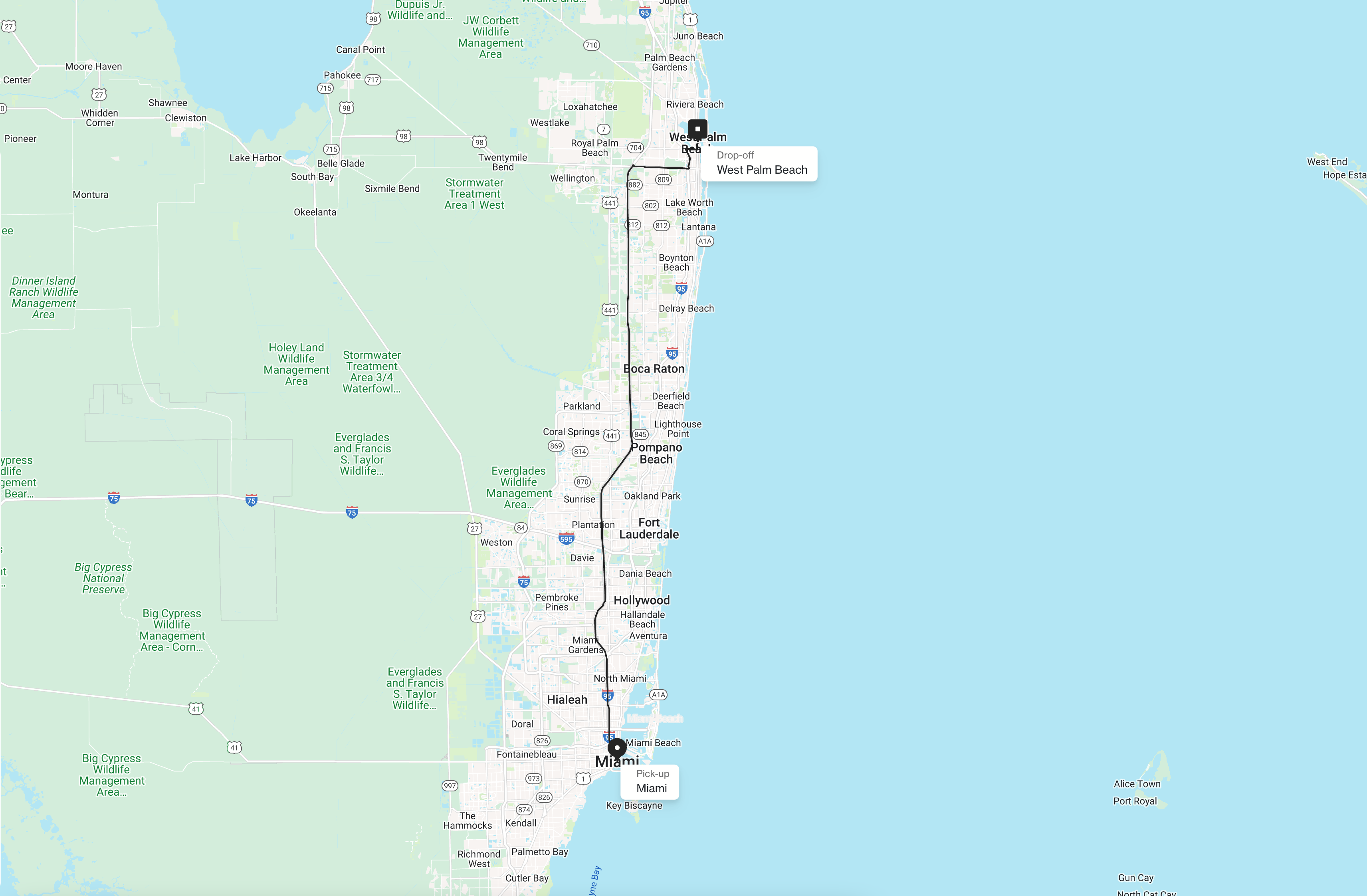
The approximate straight-line distance between downtown Miami and downtown West Palm Beach is roughly 70 to 80 miles (about 113 to 129 kilometers), depending on the exact starting and ending points. This distance situates West Palm Beach comfortably within a day-trip or short-stay radius from Miami, making it an accessible northern extension of the South Florida experience. For travelers considering a multi-city itinerary, this proximity allows for seamless transitions and diverse experiences without committing to extensive travel times. The journey itself is almost entirely coastal, tracing the Atlantic seaboard and connecting a chain of vibrant cities and towns.
Driving Duration: Variable Factors on the Road
While the mileage is a fixed figure, the actual time spent traveling can fluctuate significantly. By car, the average drive time from Miami to West Palm Beach typically ranges from 1 hour 30 minutes to 2 hours. However, this estimate is heavily influenced by several critical factors:
- Traffic Congestion: South Florida is notorious for its traffic, particularly during peak rush hours (morning and evening commutes on weekdays) in major urban centers like Miami, Fort Lauderdale, and West Palm Beach. During these times, the travel duration can easily extend to 2.5 or even 3 hours. Weekends can also see significant congestion, especially on routes to popular beaches or attractions.
- Seasonal Variations: Florida’s winter tourist season (roughly November to April) brings an influx of visitors, which invariably increases traffic volume on major roadways. Traveling during this period may necessitate allocating extra time for the journey.
- Road Conditions and Construction: Unexpected events such as accidents or ongoing road construction can lead to significant delays. Utilizing real-time navigation apps is highly recommended to stay updated on current conditions and find alternative routes if necessary.
Primary Driving Routes: I-95 and Alternatives
The dominant thoroughfare connecting Miami and West Palm Beach is Interstate 95 (I-95). This multi-lane highway offers the most direct and generally fastest route. It’s a major artery for the entire East Coast of the United States, characterized by high traffic volumes but also well-maintained infrastructure.
- Interstate 95: This is the default choice for most drivers. It’s a straightforward route that cuts through the heart of various cities and towns, offering glimpses of urban landscapes and occasional coastal views. While it has numerous exits, staying on the main highway for the duration of the trip is usually the quickest option.
- Florida’s Turnpike: As an alternative, Florida’s Turnpike runs parallel to I-95 a bit further inland. It is a toll road, meaning it often has less traffic and can sometimes offer a slightly faster journey, especially during I-95 peak congestion. Travelers choosing the Turnpike will need a SunPass or be prepared for “Toll-by-Plate” charges. This route generally feels less urbanized but also less scenic.
Regardless of the chosen route, having a reliable GPS or smartphone navigation system is essential for real-time traffic updates and optimal routing, helping travelers make informed decisions on the fly to minimize delays.
Diverse Transportation Choices: Beyond the Wheel
While driving remains a popular choice, South Florida offers several alternative modes of transportation, each with its own advantages in terms of speed, cost, and comfort.
The High-Speed Brightline Experience
For those who prefer to avoid the stress of driving and traffic, the Brightline passenger rail service is an excellent, modern option. Launched in 2018, Brightline provides a premium, high-speed rail experience connecting Miami, Fort Lauderdale, and West Palm Beach, with future expansion planned to Orlando.
- Speed and Comfort: Brightline trains are known for their sleek design, comfortable seating, complimentary Wi-Fi, and onboard food and beverage service. The journey between MiamiCentral Station and West Palm Beach Station typically takes around 1 hour and 10 to 20 minutes, making it the fastest mode of inter-city transport.
- Convenient Stations: The stations are strategically located in the downtown areas of each city, offering easy access to local attractions and onward transportation via ride-share, taxis, or local public transit. Fort Lauderdale Station serves as a mid-point stop, further enhancing connectivity.
- Pricing and Booking: Ticket prices vary based on class of service (Smart or Premium) and how far in advance they are booked. While generally more expensive than bus travel, the speed and amenities often justify the cost for many travelers, particularly business professionals or those on a tight schedule.
Economical Bus Services: Greyhound and Others
For budget-conscious travelers, intercity bus services like Greyhound offer a more economical way to travel between Miami and West Palm Beach.
- Overview: Bus travel is typically the most affordable option, though it also generally takes the longest due to more frequent stops and susceptibility to traffic congestion. A bus journey can range from 2 to 3 hours or even longer, depending on the route and number of stops.
- Accessibility: Bus terminals are usually centrally located, offering a convenient option for those without personal vehicles. Amenities vary by carrier but often include Wi-Fi and power outlets.
- Suitability: This option is best suited for travelers prioritizing cost savings over speed and maximum comfort, or those who enjoy a more leisurely pace of travel.
Ride-Sharing and Taxis: Convenience at a Price
Ride-sharing services like Uber and Lyft, along with traditional taxis, provide a convenient door-to-door transportation solution.
- Availability and Cost: These services are readily available in both Miami and West Palm Beach. However, given the distance, the cost for a one-way trip can be substantial, often ranging from $100 to $150 or more, depending on demand, time of day, and the specific service level chosen.
- Airport Transfers: While costly for the entire distance, ride-sharing can be an efficient way to connect from airports such as Miami International Airport, Fort Lauderdale-Hollywood International Airport, or Palm Beach International Airport to Brightline stations or directly to destinations within each city.
Journeying Through South Florida: What You’ll See and Experience
The trip from Miami to West Palm Beach isn’t just about covering miles; it’s an opportunity to traverse a dynamic region, observing the shifting landscapes and urban characteristics that define South Florida.
Kicking Off in Miami: A Vibrant Hub
Starting your journey in Miami means immersing yourself in a city renowned for its vibrant energy and multicultural flair. From the iconic pastel hues of the Art Deco District on South Beach to the Cuban rhythms and flavors of Little Havana, and the cutting-edge street art of the Wynwood Walls, Miami offers a sensory overload. This dynamic backdrop sets the stage for a journey that contrasts with the more subdued elegance found further north. Many travelers leverage Miami as their initial entry point into Florida, exploring its offerings before venturing up the coast.
The Coastal Corridor: Notable Stops and Scenery
The drive along I-95 or the Brightline route offers a continuous tableau of South Florida’s unique urban sprawl and natural beauty. Expect dense residential areas, commercial centers, and frequent glimpses of waterways, canals, and lush tropical vegetation.
- Fort Lauderdale: Approximately midway, Fort Lauderdale serves as a significant stopover. Known as the “Venice of America” for its extensive canal system, it boasts beautiful beaches, the sophisticated shops and restaurants of Las Olas Boulevard, and a thriving yachting scene. It’s a popular spot for a break or even an extended stay, offering a slightly more relaxed pace than Miami.
- Boca Raton: Further north, Boca Raton presents an upscale and meticulously planned environment. Its Mediterranean-revival architecture, pristine beaches, and cultural hubs like Mizner Park (a lifestyle center with shops, restaurants, and entertainment) define its character.
- General Scenery: Throughout the journey, travelers will observe the quintessential South Florida landscape: towering palm trees, meticulously landscaped highways, and a pervasive sense of tropical modernity.
Arriving in West Palm Beach: A Northern Gem
Upon arrival in West Palm Beach, travelers will discover a city that, while energetic, exudes a more refined and artistic atmosphere than Miami. It’s a destination known for its cultural institutions, upscale shopping, and a charming downtown.
- Downtown Vibrancy: Clematis Street is the heart of downtown West Palm Beach, lined with boutiques, restaurants, and lively nightlife. Nearby, Rosemary Square (formerly known as CityPlace) offers an open-air shopping and dining experience with a distinctly European feel.
- Cultural Highlights: The Norton Museum of Art is a significant cultural landmark, housing an impressive collection of European, American, Chinese, and contemporary art.
- Proximity to Palm Beach: West Palm Beach sits directly across the Intracoastal Waterway from the opulent island of Palm Beach, home to luxurious estates, designer boutiques on Worth Avenue, and pristine beaches. This proximity allows visitors to experience both the vibrant city and the exclusive island charm with ease.
Practical Planning for Your Miami to West Palm Beach Travel
A well-planned journey ensures a smooth and enjoyable experience, maximizing your time in both Miami and West Palm Beach.
Optimizing Your Departure Time
Timing is crucial, especially when driving. To avoid the heaviest traffic, aim to depart Miami either mid-morning (after 9:30 AM) or late evening (after 7:00 PM) on weekdays. For weekend travel, early morning departures are best to beat the beachgoers and day-trippers. Conversely, if returning from West Palm Beach to Miami, apply the same logic in reverse to avoid southbound rush hour.
Budgeting Your Journey
Consider the costs associated with each mode of transport:
- Driving: Factor in fuel costs (fluctuating gas prices), potential tolls on Florida’s Turnpike, and parking fees at your destination.
- Brightline: Ticket prices can range from $20-$40+ one-way, depending on class and booking time. Factor in the cost of reaching the Brightline station from your accommodation.
- Bus: The most budget-friendly, typically under $20 for a one-way trip, but with longer travel times.
- Ride-share/Taxi: The most expensive option, but offers direct, on-demand service.
Understanding these costs will help you choose the option that best fits your travel budget and priorities.
Integrating with Larger Travel Plans
The Miami to West Palm Beach route can be a standalone trip or a segment of a broader Florida adventure. If you’re planning a full Florida road trip, this leg serves as an easy transition between the southern urban centers and the more northern coastal communities. Its excellent connectivity to major airports makes it a convenient gateway for international and domestic travelers looking to explore multiple facets of the state. Travelers arriving at Miami International Airport can easily take ground transport to MiamiCentral Station for a Brightline trip north, or similarly connect from Palm Beach International Airport for southbound travel.
Travel Tips for a Smooth Experience
- Real-time Navigation: Always use GPS apps (Google Maps, Waze) for driving to get the most up-to-date traffic information and estimated travel times.
- Book in Advance: For Brightline tickets, booking online ahead of time often secures better prices and ensures availability, especially during peak travel seasons.
- Hydration and Sun Protection: If driving, ensure you have water and consider sun protection, as Florida sunshine is intense, even through car windows.
- Parking: Research parking options and costs at your destination in West Palm Beach or Miami if driving. Downtown areas often have garages or metered street parking.
Whether for a quick business trip, a leisurely weekend getaway, or a leg of a grand Florida tour, the journey from Miami to West Palm Beach is a manageable and often enjoyable experience, bridging two of South Florida’s most compelling destinations.
LifeOutOfTheBox is a participant in the Amazon Services LLC Associates Program, an affiliate advertising program designed to provide a means for sites to earn advertising fees by advertising and linking to Amazon.com. Amazon, the Amazon logo, AmazonSupply, and the AmazonSupply logo are trademarks of Amazon.com, Inc. or its affiliates. As an Amazon Associate we earn affiliate commissions from qualifying purchases.