
The question “How far is West Palm Beach to Miami?” is a common one for anyone planning to navigate the vibrant landscape of South Florida. Whether you’re a local commuting for work, a tourist exploring the region’s diverse attractions, or someone simply curious about the geography of this dynamic part of the Sunshine State, understanding the distance, travel time, and available transportation options is crucial for a smooth and enjoyable journey. This article delves into every facet of traveling between these two iconic Florida cities, providing a comprehensive guide for your next trip.

The Straightforward Answer: Distance and Time
At its core, the distance between West Palm Beach and Miami is relatively modest, yet the travel time can vary significantly based on your chosen mode of transport and the time of day. Knowing these variables upfront allows for better planning and reduces the stress associated with unexpected delays.
By Road: Driving Time and Route Options
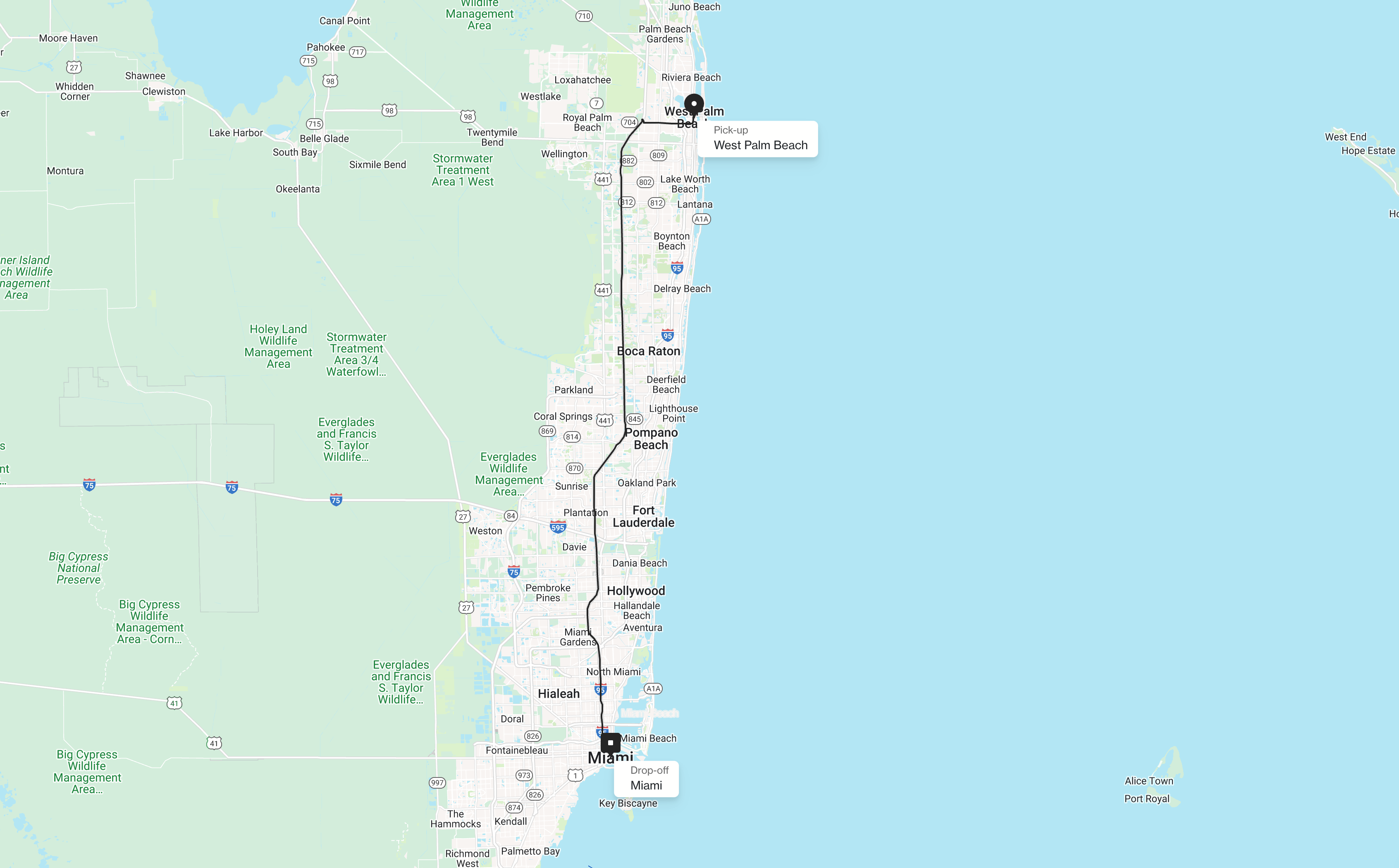
The most common way to travel between West Palm Beach and Miami is by car. The approximate distance is between 65 and 75 miles, depending on your exact starting and ending points within each metropolitan area.
- Interstate 95 (I-95): This is the most direct and frequently used route. Traveling south on I-95 from West Palm Beach will take you straight into Miami. Without traffic, the drive typically takes around 1 hour and 15 minutes to 1 hour and 30 minutes. However, I-95 is notorious for congestion, especially during weekday rush hours (7-9 AM and 4-6 PM) and on weekends. During peak times, the journey can easily extend to 2 hours or more.
- Florida Turnpike: An alternative route is the Florida Turnpike, which runs parallel to I-95 a bit further inland. This is a toll road but often offers a smoother, faster drive with less congestion, particularly during off-peak hours. The travel time is comparable to I-95 without traffic, but can sometimes be a quicker option when I-95 is heavily backed up.
- US-1: For those not in a hurry and looking for a more scenic, albeit significantly longer, route, US-1 offers a coastal drive through charming towns like Delray Beach and Boca Raton, eventually passing through Fort Lauderdale before reaching Miami. This route is much slower due to numerous traffic lights and lower speed limits, making it more of a leisure drive than a practical commute.
By Rail: Brightline and Commuter Services
For a faster, more relaxed travel experience, rail services have become increasingly popular.
- Brightline: The high-speed Brightline train offers a premium travel experience connecting West Palm Beach, Fort Lauderdale, and Miami. The journey from the Brightline station in West Palm Beach to MiamiCentral in downtown Miami takes approximately 1 hour and 5 minutes to 1 hour and 15 minutes. This service is known for its comfortable seating, amenities, and avoidance of road traffic, making it a highly efficient option for business and leisure travelers alike.
- Tri-Rail: A commuter rail line, Tri-Rail provides a more budget-friendly option, though it is considerably slower than Brightline. The journey from West Palm Beach to Miami Airport Station typically takes around 1 hour and 45 minutes to 2 hours, with numerous stops along the way. From Miami Airport Station, travelers can connect to other Miami transportation networks.
By Bus: Affordable Alternatives
Several bus services operate between West Palm Beach and Miami, offering the most economical travel choice. Companies like Greyhound and FlixBus provide routes that usually take between 1 hour and 45 minutes and 2 hours and 30 minutes, depending on the number of stops and traffic conditions. While less direct than train options, buses are a viable alternative for budget-conscious travelers.
Understanding the Geography of South Florida
The journey between West Palm Beach and Miami is defined by South Florida’s unique geography. The region is largely flat, bordered by the Atlantic Ocean to the east and the vast Everglades National Park to the west. This creates a relatively narrow corridor for transportation, which is why I-95 and the Florida Turnpike are critical arteries and also prone to congestion as the population density increases from north to south.
Exploring the Journey: What to Expect Along the Way
The drive or ride from West Palm Beach to Miami is more than just a transition; it’s an experience that reveals the diverse tapestry of South Florida. From coastal beauty to bustling urban centers, the route offers glimpses into the region’s unique character.
Scenic Drives and Coastal Views
While I-95 primarily offers a highway perspective, the proximity to the coast means that some segments, especially when passing through areas like Fort Lauderdale, can offer brief glimpses of the region’s vibrant architecture and lush greenery. For those opting for US-1, the journey is much more immersive, passing through charming downtowns, past marinas filled with yachts, and occasionally offering views of the Atlantic Ocean or the Intracoastal Waterway. This route provides a slower pace, ideal for savoring the coastal charm and stopping at local shops or cafes.
Key Stopovers and Points of Interest
Traveling between these two cities presents opportunities to explore intermediate destinations, enhancing the overall journey.
- Fort Lauderdale: Often called the “Venice of America” due to its extensive canal system, Fort Lauderdale is a fantastic stopover. Its Las Olas Boulevard is known for its shops, restaurants, and art galleries, while the pristine beaches offer a relaxing break.
- Boca Raton: Known for its upscale shopping and beautiful parks, Boca Raton can be a pleasant place for a meal or a stroll. The Mizner Park area is particularly popular for its outdoor mall and cultural events.
- Aventura Mall: As you get closer to Miami, the Aventura Mall in Aventura is one of the largest shopping malls in the United States and can be a significant stop for retail therapy or dining.
Navigating Traffic and Peak Hours
Traffic is an unavoidable reality when traveling in South Florida. I-95 and the Florida Turnpike can become heavily congested, especially during morning and evening commutes (typically 7-9 AM and 4-7 PM on weekdays). Fridays, particularly in the afternoon, often see increased traffic as people head out for weekend getaways. Weekends also bring higher volumes, especially on the coastal routes. Utilizing real-time navigation apps like Google Maps or Waze is highly recommended to stay informed about current traffic conditions and identify potential detours.
Choosing Your Mode of Transport: A Comparative Guide
Selecting the right mode of transportation depends on your priorities: speed, cost, comfort, and flexibility. Each option presents distinct advantages and disadvantages.
Driving: Flexibility vs. Congestion
- Advantages: Driving offers unparalleled flexibility. You can depart whenever you wish, make spontaneous stops, and reach destinations not directly accessible by public transport. It’s also cost-effective for groups or families once the initial car rental and fuel expenses are covered.
- Disadvantages: The primary drawback is dealing with traffic congestion, especially on I-95. Parking in Miami can be expensive and challenging to find, particularly in popular areas like South Beach or the Art Deco Historic District. Tolls on the Florida Turnpike also add to the cost.
Brightline: Speed, Comfort, and Convenience
- Advantages: Brightline is the fastest way to travel between the city centers of West Palm Beach and Miami, offering a smooth, comfortable ride with amenities like Wi-Fi, food and beverage service, and spacious seating. It eliminates the stress of driving and navigating traffic.
- Disadvantages: Tickets can be more expensive than bus or Tri-Rail, particularly for peak travel times or premium seating. Its stations are primarily in downtown areas, requiring additional transport (ride-sharing, taxi, or local transit) to reach specific final destinations.
Bus Services: Budget-Friendly Travel
- Advantages: Buses are the most economical option, making them ideal for budget travelers or those not in a hurry. They also offer a chance to relax and avoid driving.
- Disadvantages: Bus journeys are generally slower and can be subject to traffic delays. The comfort level might be lower compared to trains, and stops can be less convenient.
Ride-Sharing and Taxis: On-Demand Options
- Advantages: Services like Uber and Lyft offer door-to-door convenience without the need to drive or park. They are readily available and can be a good option for those needing immediate transport without the hassle of a rental car.
- Disadvantages: This is typically the most expensive option for a solo traveler or small group, with fares potentially soaring during peak demand or surge pricing. For the distance between West Palm Beach and Miami, costs can be prohibitive for regular use.
Why Travel Between West Palm Beach and Miami?
The reasons for traversing the distance between these two South Florida powerhouses are as diverse as the region itself, encompassing business, leisure, and essential logistical connections.
Business Commutes and Corporate Connections
Both West Palm Beach and Miami are significant economic hubs. Many professionals commute between the cities for meetings, conferences, or work within the region’s expanding financial, tech, and healthcare sectors. Brightline has become a favored mode for business travelers due to its efficiency and ability to conduct work onboard. Miami hosts numerous international businesses and serves as a gateway to Latin America, making travel from northern South Florida essential for business networking and opportunities.
Leisure Travel: Unlocking South Florida’s Charms
For tourists and locals alike, the journey between these cities opens up a world of leisure activities.
- West Palm Beach: Known for its vibrant arts scene, upscale shopping on Worth Avenue, and stunning beaches, West Palm Beach offers a relaxed yet sophisticated experience.
- Miami: A global city celebrated for its Art Deco Historic District in South Beach, pulsating nightlife, diverse culinary scene, and cultural hotspots like the Wynwood Walls and Little Havana. Traveling between the two allows visitors to experience the contrasts and complementarities of South Florida’s urban and coastal offerings.
Airport Transfers and Cruise Connections
Miami International Airport (MIA) and Fort Lauderdale-Hollywood International Airport (FLL) are major air travel hubs for South Florida. Many travelers flying into Palm Beach International Airport (PBI) in West Palm Beach might need to connect to flights from MIA or FLL, or vice versa. Similarly, PortMiami is one of the world’s busiest cruise ports, and travelers often journey from West Palm Beach to embark on cruises from Miami. Efficient transport links are vital for seamless transitions between air, land, and sea travel.
Maximizing Your Trip: Tips for a Seamless Journey
Preparation is key to a stress-free travel experience between West Palm Beach and Miami.
Best Times to Travel
- Avoid Rush Hour: If driving, try to schedule your travel outside of weekday rush hours (7-9 AM and 4-7 PM) to significantly reduce travel time.
- Mid-day & Evenings: Mid-day (10 AM – 3 PM) and late evenings (after 7 PM) generally offer the clearest roads.
- Weekends: Traffic on weekends, especially Saturday mornings heading south and Sunday evenings heading north, can be heavy. Consider Brightline for weekend travel to avoid congestion.
Essential Packing for the Road
Even for a relatively short journey, a few essentials can make the trip more comfortable:
- Water and Snacks: Especially if driving, having refreshments on hand is always a good idea.
- Sunscreen and Sunglasses: The Florida sun is intense, even in a car.
- Charging Cables: Keep your devices charged, especially if relying on navigation apps.
- Entertainment: Books, podcasts, or music can make the journey more enjoyable, particularly if you encounter traffic.
Digital Tools and Navigation Apps
- Google Maps/Waze: These apps provide real-time traffic updates, estimated travel times, and alternative routes, which are invaluable for drivers.
- Brightline App: For train travelers, the Brightline app allows for easy booking, digital ticketing, and schedule checking.
- Ride-Sharing Apps: Have Uber or Lyft installed if you plan to use them for last-mile connections from train or bus stations.
The journey from West Palm Beach to Miami is a quintessential South Florida experience, reflecting the region’s dynamic growth and diverse appeal. By understanding the distances, choosing the right mode of transport, and planning effectively, you can ensure your travel is as enjoyable and efficient as possible, allowing you to fully immerse yourself in all that these fantastic cities have to offer.
LifeOutOfTheBox is a participant in the Amazon Services LLC Associates Program, an affiliate advertising program designed to provide a means for sites to earn advertising fees by advertising and linking to Amazon.com. Amazon, the Amazon logo, AmazonSupply, and the AmazonSupply logo are trademarks of Amazon.com, Inc. or its affiliates. As an Amazon Associate we earn affiliate commissions from qualifying purchases.