
Embarking on a journey from the bustling urban core of Denver, Colorado, to the serene alpine haven of Winter Park is a quintessential Colorado experience, blending city convenience with mountain adventure. For many, the question isn’t just “how far,” but “how long,” and “what’s the best way to get there?” Winter Park, renowned for its world-class skiing, mountain biking trails, and vibrant resort village, draws visitors year-round, making the travel route from Denver a well-trodden path. Understanding the distance, travel time, and various transportation options is crucial for planning a seamless and enjoyable trip into the heart of the Rocky Mountains. This guide delves into all aspects of the journey, offering insights to help you navigate the scenic route and make the most of your travel experience.
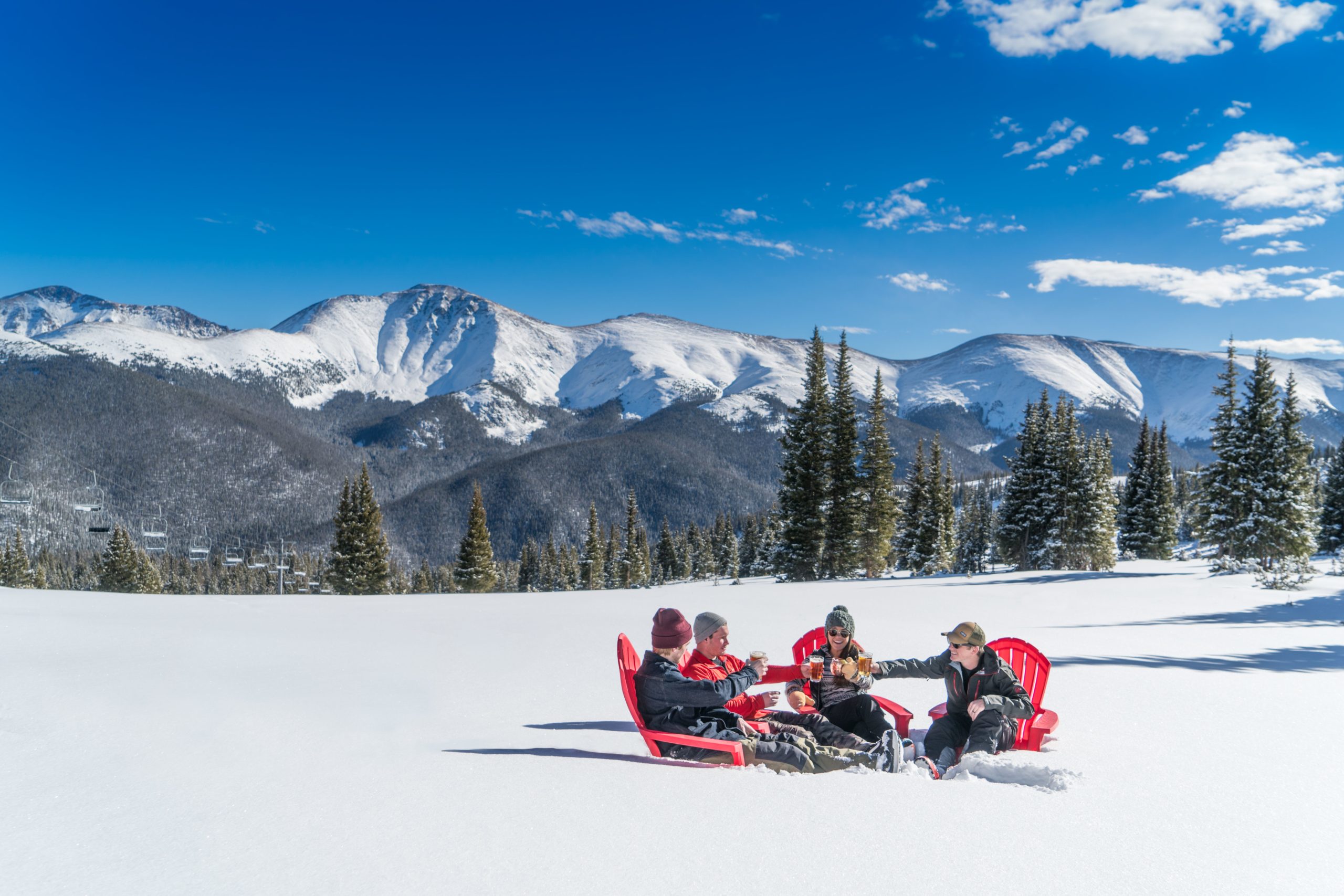
The Direct Route: Unpacking the Distance and Drive Time
The direct distance between Denver and Winter Park is a relatively short stretch, yet the mountainous terrain dictates that travel time can vary significantly. It’s not merely about the miles, but the winding roads, elevation changes, and sometimes, the whims of Colorado weather.
Measuring the Miles
On average, the driving distance from downtown Denver to Winter Park is approximately 67 to 70 miles (108 to 113 kilometers), depending on the specific starting point in Denver and the exact destination within Winter Park Resort or the town itself. The most common and direct route involves traversing some of Colorado’s most iconic mountain passes, primarily via US-40. While this distance might seem modest, especially for those accustomed to highway travel, the mountainous geography adds layers of complexity and beauty to the drive.
Accounting for Travel Time
Under ideal conditions—clear weather, no traffic, and dry roads—the drive from Denver to Winter Park typically takes around 1 hour and 30 minutes to 2 hours. However, it’s essential to understand that these are often optimistic estimates. Several factors can significantly impact your actual travel time:
- Traffic: Weekend mornings, especially during ski season (Friday afternoons, Saturday mornings), and holiday periods are notorious for heavy traffic on I-70 west of Denver. Even during off-peak times, accidents or construction can cause delays.
- Weather Conditions: Colorado’s high-country weather can be unpredictable. Snowstorms, heavy fog, or icy roads can drastically slow down travel, sometimes requiring four-wheel drive or snow chains, especially over Berthoud Pass. Always check forecasts and road conditions (Colorado Department of Transportation, or CDOT, is an excellent resource) before departing.
- Road Conditions and Construction: Maintenance projects are common, particularly during the warmer months, and can lead to lane closures and reduced speeds.
- Mountain Driving: The route involves significant elevation gain and winding mountain roads, which naturally require slower speeds than flat highway driving. Berthoud Pass, for instance, has numerous switchbacks that demand caution and reduced speed.
Considering these variables, it’s always prudent to add an extra 30 minutes to an hour to your estimated travel time, especially if you’re traveling during peak periods or in winter.
Navigating the Rockies: Primary Travel Routes
The journey to Winter Park from Denver primarily utilizes a combination of major interstates and scenic mountain highways. Each segment of the route offers its own unique characteristics and challenges.
The I-70 to US-40 Approach
The most common and generally fastest route for many travelers begins on I-70 West from Denver, taking you through the foothills and into the heart of the Rocky Mountains.
- I-70 West: From Denver, you’ll head west on I-70, passing through picturesque mountain towns like Idaho Springs and Empire. This section is typically a four-lane highway, but can narrow and become congested around certain choke points, especially near the Eisenhower Tunnel.
- Exit 232 for US-40 West (Empire/Granby): Approximately 45-50 miles west of Denver, you’ll take Exit 232 onto US-40 West. This exit is located just before the entrance to the Eisenhower Tunnel, meaning you will not pass through the tunnel on this route.
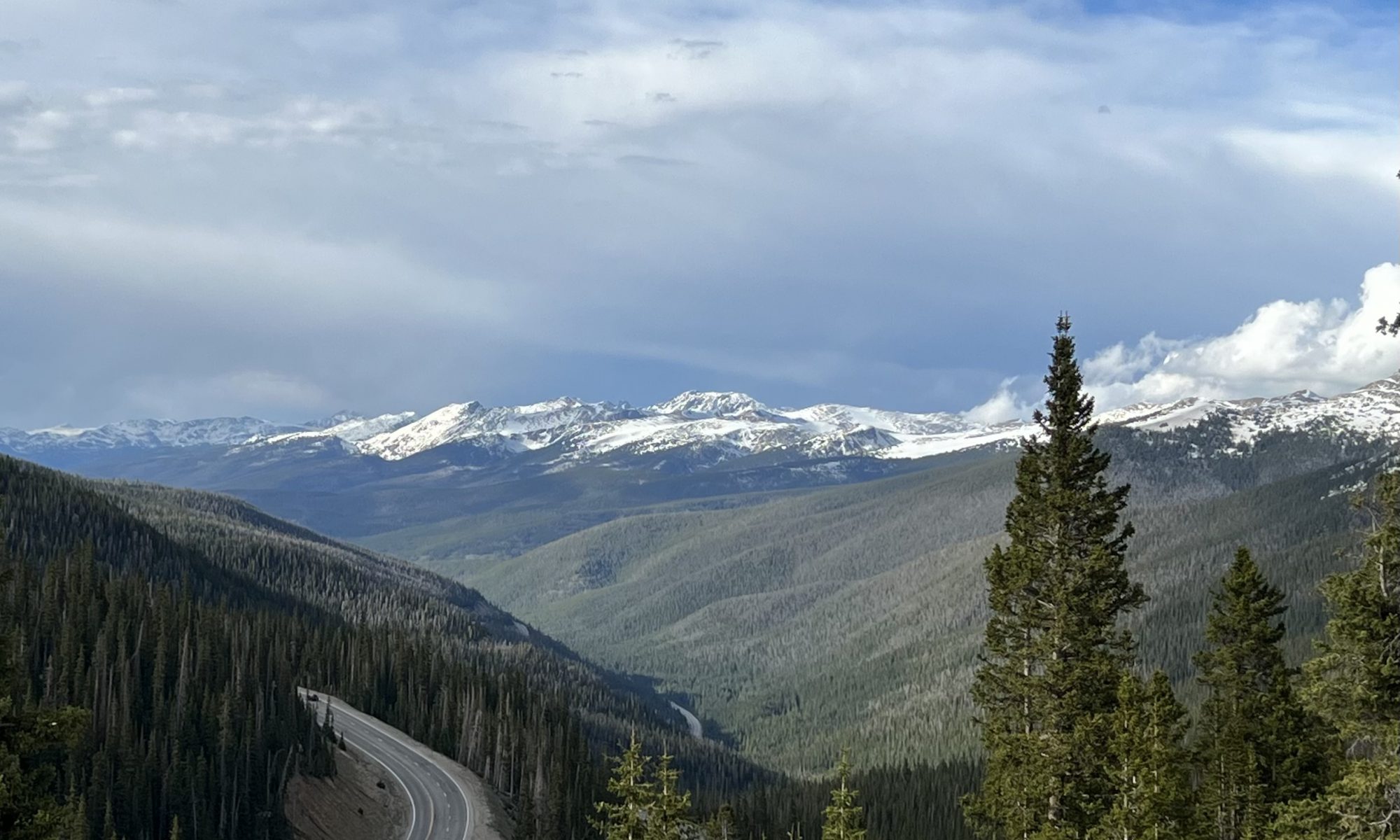
- Berthoud Pass: Once on US-40, the road quickly begins its ascent over Berthoud Pass. This is the most scenic and challenging part of the drive. The pass reaches an elevation of 11,307 feet (3,446 meters) and features numerous hairpin turns and steep grades. The views from the summit are spectacular, offering panoramic vistas of the surrounding peaks. After cresting the pass, it’s a winding downhill drive directly into Winter Park.
Advantages: This is the most direct route, and largely utilizes well-maintained federal highways.
Disadvantages: Heavy traffic on I-70 can be a significant deterrent, and Berthoud Pass can be challenging in winter conditions, sometimes requiring a four-wheel drive vehicle or snow tires/chains.
The Scenic Berthoud Pass Drive
For those seeking an immersive mountain driving experience, the entire US-40 route over Berthoud Pass is a highlight in itself. This route truly embodies the essence of Colorado mountain travel. The segment from Empire up and over the pass is a testament to engineering and natural beauty. Drivers should be prepared for:
- Elevation Gain: A steady climb with significant switchbacks, demanding driver attention and a vehicle in good working order.
- Weather Variability: The conditions on the pass can change rapidly. Clear skies at the base can quickly turn to snow or fog at the summit.
- Wildlife: Keep an eye out for deer, elk, and other wildlife, especially during dawn and dusk.
- Viewpoints: There are several pull-offs and viewpoints along the pass, offering opportunities to capture stunning photographs and simply take in the grandeur of the Rocky Mountains.
During winter, Berthoud Pass is diligently plowed, but drivers must be aware of potential closures during severe storms or chain law requirements. It is a breathtaking drive that rewards careful navigation with unparalleled scenery.
Beyond the Wheel: Alternative Transportation Options
While driving is the most common way to reach Winter Park from Denver, it’s far from the only option. Various alternatives cater to different preferences, budgets, and needs, especially for those who prefer to leave the mountain driving to someone else.
The Winter Park Express (Train)
One of the most unique and iconic ways to travel from Denver’s Union Station directly to the base of Winter Park Resort is via the Winter Park Express train, operated by Amtrak. This seasonal service, typically running on weekends from January through March, offers a stress-free and scenic journey.
- The Experience: The train ride itself is an attraction. It traverses the historic Moffat Tunnel (a 6.2-mile bore through the Continental Divide) and offers unparalleled views of the snow-covered landscapes that are inaccessible by car. Passengers can relax, enjoy refreshments, and mingle while enjoying the scenic beauty.
- Convenience: The train departs from Union Station in downtown Denver and arrives directly at the base area of Winter Park Resort, eliminating the need for parking or navigating mountain roads.
- Booking: Tickets sell out quickly, so advance booking is highly recommended. It’s a popular choice for ski enthusiasts and sightseers alike.
Shuttle Services and Ride-Shares
For those who want door-to-door service without the hassle of driving, several private shuttle companies offer transportation from Denver International Airport (DIA) or various locations within Denver to Winter Park.
- Professional Shuttles: Companies like Home James Transportation specialize in mountain transfers. They offer scheduled services, private vans, and luxury SUVs, providing a comfortable and reliable option. This is particularly appealing for groups or families with luggage. They typically operate year-round, adjusting services based on seasonal demand.
- Ride-Sharing (Uber/Lyft): While possible, ride-sharing services from Denver to Winter Park can be quite expensive due to the distance and potential for drivers to have to return empty. Availability can also be limited, especially during off-peak hours or in adverse weather. It’s generally a more viable option for shorter, local trips rather than inter-city mountain travel.
- Bus Services: Limited direct public bus service exists between Denver and Winter Park, though some regional routes might connect with local services in the Fraser Valley. For most travelers, dedicated shuttles or the train are more practical bus-like options.
Choosing a shuttle service provides the convenience of not having to drive, allowing passengers to relax and enjoy the scenery. It’s a particularly smart choice in winter when road conditions can be treacherous.
Optimizing Your Journey: Tips for a Smooth Trip
Regardless of your chosen mode of transport, a little preparation can go a long way in ensuring your trip from Denver to Winter Park is as smooth and enjoyable as possible.
Best Times to Travel
Timing your journey can drastically affect your experience:
- Weekdays vs. Weekends: If driving, aim for weekdays, particularly Tuesday through Thursday, to avoid the heaviest I-70 traffic.
- Morning vs. Afternoon: On weekends, leaving Denver very early (before 7 AM) or later in the day (after 2 PM) can help bypass the worst of the ski traffic heading west.
- Winter Considerations: During winter, be mindful of snowfall. Travel immediately after a fresh snowfall can be slow, but often ensures the best conditions for skiing/snowboarding upon arrival. Always check road conditions before heading out.
Preparing for Mountain Driving
If you opt to drive, adequate preparation is key:
- Vehicle Check: Ensure your vehicle is in good working order, especially brakes, tires, and fluid levels. A full tank of gas is also advisable before ascending into the mountains.
- Tire Requirements: During winter months (typically September to May), Colorado has chain laws and passenger vehicle traction laws. This means you may be required to have four-wheel drive, all-wheel drive, or M+S (mud and snow) tires with adequate tread, or to carry chains. Always check CDOT’s website for current regulations.
- Emergency Kit: Carry an emergency kit with essentials like extra layers, blankets, water, snacks, a flashlight, and a first-aid kit, especially in winter.
- Acclimatization: Remember that Winter Park is at a higher elevation. Stay hydrated and take it easy upon arrival to help your body adjust.
Scenic Stops and Diversions
The route to Winter Park offers more than just transportation; it’s an opportunity for exploration:
- Idaho Springs: A historic mining town perfect for a quick stop. Explore the downtown area, visit the Indian Hot Springs, or grab a bite to eat.
- Georgetown Loop Railroad: Near Georgetown, this narrow-gauge railroad offers a scenic train ride through mountain valleys and over trestles, a great family diversion.
- Clear Creek: Along much of I-70 and US-40, Clear Creek runs alongside, offering picturesque views and spots for fishing or simply enjoying the rushing water.
These stops can break up the journey, offer unique experiences, and provide a chance to stretch your legs amidst stunning natural beauty.
Why Make the Trip? The Appeal of Winter Park
Beyond the practicalities of travel, understanding why so many people make this journey sheds light on the enduring appeal of Winter Park. This vibrant mountain town and its renowned resort offer a diverse array of activities that make the distance and effort worthwhile.
A Premier Mountain Destination
Winter Park stands out as a year-round destination, offering something for every type of traveler:
- Winter Wonderland: As Colorado’s longest continually operated ski resort, Winter Park Resort boasts expansive terrain, from gentle slopes for beginners to challenging steeps and glades in its famous Vasquez Cirque. The resort is also recognized for its fantastic snow quality and its focus on adaptive sports. Cross-country skiing, snowshoeing, and tubing further complement the winter activities.
- Summer Paradise: When the snow melts, Winter Park transforms into a mountain biking mecca, home to Trestle Bike Park, one of North America’s premier downhill bike parks. Hiking trails abound, offering access to wildflower meadows, alpine lakes, and breathtaking viewpoints. Other summer activities include scenic chairlift rides, disc golf, fishing, and whitewater rafting on the Fraser River.
- Vibrant Village Life: The base village at Winter Park Resort and the town of Winter Park itself offer a range of dining, shopping, and lodging options. From cozy cafes to upscale restaurants, and from boutique shops to gear rentals, there’s everything you need for a comfortable stay. The area also hosts numerous festivals and events throughout the year, adding to its lively atmosphere.
The journey from Denver to Winter Park is more than just a drive; it’s an integral part of the mountain adventure. With proper planning and an understanding of the routes and options available, travelers can ensure their trip is as smooth and enjoyable as the destination itself. Whether you choose the independence of driving, the charm of a train ride, or the convenience of a shuttle, the majestic beauty of Winter Park awaits.
LifeOutOfTheBox is a participant in the Amazon Services LLC Associates Program, an affiliate advertising program designed to provide a means for sites to earn advertising fees by advertising and linking to Amazon.com. Amazon, the Amazon logo, AmazonSupply, and the AmazonSupply logo are trademarks of Amazon.com, Inc. or its affiliates. As an Amazon Associate we earn affiliate commissions from qualifying purchases.