
For travelers planning an escape from the bustling urban landscape of Denver to the serene mountain playground of Winter Park, Colorado, understanding the journey is the first step. The distance and travel time between these two popular Colorado locales are subject to various factors, from the specific route chosen to prevailing weather conditions and traffic patterns. This guide meticulously breaks down the travel logistics, ensuring a smooth and informed trip.
The Direct Route: Distance and Drive Time
The most common and direct way to reach Winter Park from Denver is by car, covering a relatively short but scenically dramatic distance through the Rocky Mountains.
Unpacking the Miles and Minutes
The approximate driving distance from downtown Denver to Winter Park Resort is around 67 miles (approximately 108 kilometers). However, this seemingly short distance belies the mountainous terrain and potential for travel variations. Under ideal conditions, with clear roads and no significant traffic, the drive typically takes between 1 hour and 30 minutes to 1 hour and 45 minutes. It’s crucial to understand that “ideal conditions” are not always the norm, particularly during peak seasons or adverse weather. The journey involves a significant ascent, as Winter Park sits at a higher elevation than Denver, necessitating a careful and often slower pace, especially through winding mountain passes.
Key Routes: I-70 and Berthoud Pass
The primary route connecting Denver to Winter Park involves a combination of major interstate highways and scenic mountain passes.
- Interstate 70 (I-70) West: From Denver, travelers head west on I-70. This section of the highway is a well-maintained, multi-lane interstate that quickly takes you out of the city and into the foothills of the Rocky Mountains. Expect increasing elevations and impressive vistas as you climb.
- Exit 232 for US Highway 40 West: Just past the towns of Empire and Georgetown, travelers will take Exit 232, transitioning onto US Highway 40 West. This is where the journey truly becomes a mountain drive.
- Berthoud Pass: US Highway 40 leads directly over Berthoud Pass, a high mountain pass reaching an elevation of 11,307 feet (3,446 meters). This section is known for its dramatic switchbacks, steep grades, and breathtaking panoramic views. While challenging in winter, it’s meticulously maintained. After descending Berthoud Pass, Winter Park and the adjacent town of Fraser are just a short drive away in Grand County.
Navigating the Journey: Factors Affecting Travel Time
While the direct distance is fixed, the actual time spent on the road can fluctuate significantly. Understanding these variables is key to planning an efficient and stress-free trip.
Traffic Considerations in and Around Denver
The initial segment of the journey, departing Denver on I-70 West, can be heavily impacted by traffic, especially during peak commute hours, weekend mornings, and holiday periods. I-70 serves as a vital artery for many commuters and recreational travelers heading into the Front Range mountains.
- Weekend Mornings: Expect heavy westbound traffic on Saturday and Sunday mornings, particularly between 7:00 AM and 11:00 AM, as skiers and hikers head to destinations like Winter Park, Eldora Mountain Resort, Loveland Ski Area, Copper Mountain, and Vail.
- Afternoon Returns: Similarly, eastbound I-70 can experience significant congestion on Sunday afternoons and evenings (typically 2:00 PM to 7:00 PM) as mountain visitors return to Denver.
- Rush Hour: Weekday rush hour traffic (7:00 AM to 9:00 AM and 4:00 PM to 6:00 PM) on I-70 near Denver can also add considerable delays.
Weather and Road Conditions: A Mountainous Reality
The mountain environment profoundly impacts travel time. Colorado weather can be unpredictable, especially in high elevations like Berthoud Pass.
- Winter Conditions: Snow, ice, and whiteout conditions are common on Berthoud Pass during winter months (typically November through April). These conditions necessitate slower speeds, four-wheel drive or all-wheel drive vehicles, and sometimes traction laws (requiring snow tires or chains). Road closures, though infrequent for extended periods, can occur during severe storms.
- Summer Conditions: While generally clearer, summer can bring afternoon thunderstorms, which may temporarily reduce visibility and create wet road surfaces. Rockfalls are also a minor, but present, concern on mountain passes.
- Road Maintenance: Regular road maintenance and construction projects, particularly during warmer months, can also introduce temporary delays. It’s always advisable to check road conditions through the Colorado Department of Transportation (CDOT) website or app before departure.
Seasonal Variations and Peak Travel Periods
The time of year significantly influences travel dynamics.
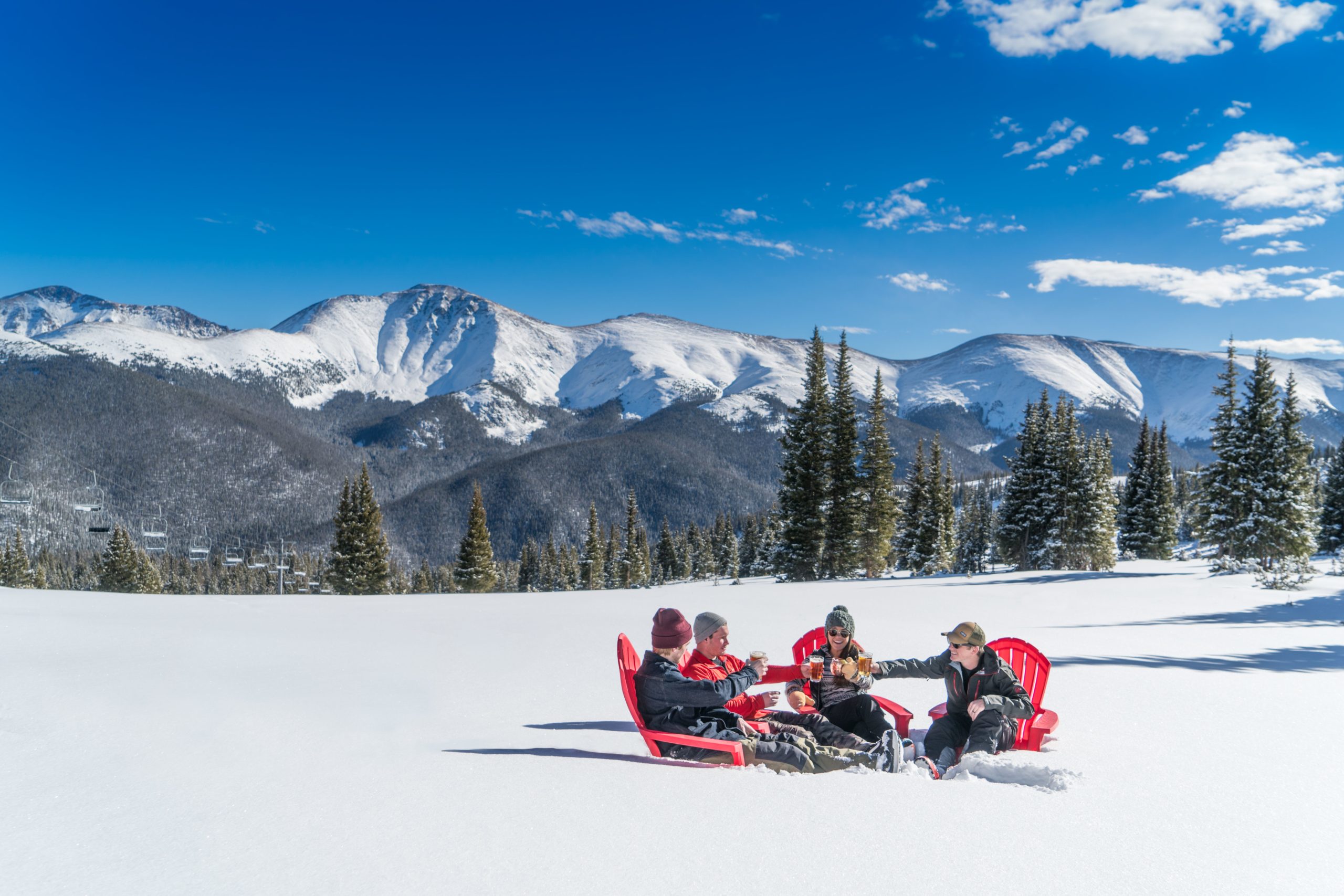
- Ski Season (Winter): This is Winter Park’s busiest time. Weekend mornings and holiday periods (e.g., Christmas, New Year’s, Martin Luther King Jr. Day, Presidents’ Day) will see the heaviest traffic heading west on I-70. Factor in an additional 30 minutes to 2 hours or more for these peak times.
- Summer Season: While not as intense as winter, summer weekends, particularly during popular festivals or events in Winter Park, can still lead to increased traffic. The scenic nature of the drive also encourages more leisure travelers.
- Off-Peak Seasons (Spring/Fall): Travel during spring (late April to early June) and fall (mid-September to October) generally offers the quickest and most straightforward drives, with fewer crowds and potentially stunning fall foliage views.
Alternative Transportation Options
For those who prefer not to drive or wish to avoid the potential challenges of mountain driving, several alternative modes of transportation are available.
The Scenic Train Ride: Amtrak’s California Zephyr
One of the most unique and picturesque ways to travel between Denver and Winter Park is via Amtrak’s California Zephyr train.
- Route: The California Zephyr departs from Denver’s Union Station and travels through the iconic Moffat Tunnel, emerging near the town of Fraser, which is immediately adjacent to Winter Park Resort.
- Duration: The train journey typically takes around 2 hours, offering a relaxing experience with stunning views of the Continental Divide that are not accessible by car.
- Frequency: While a memorable experience, the California Zephyr runs only once daily in each direction, so scheduling requires careful planning. During ski season, the special “Winter Park Express” (often referred to as the “Ski Train”) offers additional weekend service directly to the base of Winter Park Resort on select dates.
Shuttle Services and Ride-Sharing
Several private shuttle companies offer scheduled services directly from Denver International Airport (DIA) or various points in Denver to Winter Park and Fraser. These services provide a convenient, often door-to-door option, especially beneficial for those flying into DIA or not wanting to navigate mountain roads. Ride-sharing services are also available but can be significantly more expensive for a mountain trip of this distance.
Preparing for Your Trip: Essential Travel Tips
A well-prepared traveler is a happy traveler, especially when heading into the mountains.
Vehicle Preparation and Mountain Driving Safety
If driving, ensure your vehicle is in good condition.
- Tires: Check tire pressure and tread depth. Snow tires or all-season tires with good tread are recommended for winter travel.
- Fluids: Ensure all fluids (oil, coolant, wiper fluid) are topped off.
- Brakes: Good brakes are crucial for mountain descents.
- Emergency Kit: Carry an emergency kit, especially in winter, including blankets, water, snacks, a flashlight, and a first-aid kit.
- Driving Style: Drive defensively, maintain a safe following distance, and use lower gears when descending Berthoud Pass to save your brakes. Be aware of runaway truck ramps.
Timing Your Departure for Optimal Travel
Based on traffic patterns, the best times to depart Denver for Winter Park by car are:
- Weekdays: Mid-morning (after 9:00 AM) or mid-afternoon (before 3:00 PM).
- Weekends (Winter): Very early morning (before 6:30 AM) or late morning/early afternoon (after 12:00 PM) to avoid the initial rush. Returning from Winter Park on a Sunday afternoon, aim to leave before 1:00 PM or after 6:00 PM.
What to Expect Along the Way
The drive itself is part of the experience.
- Scenery: Enjoy spectacular views as you ascend into the Rocky Mountains, passing through quaint mountain towns like Georgetown and Empire.
- Elevation Gain: Be aware of the significant elevation gain, especially if sensitive to altitude. Hydration is key.
- Rest Stops: There are various opportunities for fuel, food, and restrooms along I-70 and in towns like Dillon or Idaho Springs before turning onto US Highway 40.
In summary, the journey from Denver to Winter Park is a manageable and visually rewarding trip, typically taking between 1.5 to 3 hours depending on conditions and chosen mode of transport. Careful planning, especially regarding time of day and season, will ensure a smooth and enjoyable transition from city to mountains.
LifeOutOfTheBox is a participant in the Amazon Services LLC Associates Program, an affiliate advertising program designed to provide a means for sites to earn advertising fees by advertising and linking to Amazon.com. Amazon, the Amazon logo, AmazonSupply, and the AmazonSupply logo are trademarks of Amazon.com, Inc. or its affiliates. As an Amazon Associate we earn affiliate commissions from qualifying purchases.