
Navigating the distance between two of Massachusetts’ most significant urban centers, Worcester and Boston, is a common consideration for travelers, commuters, and those planning excursions within the Commonwealth. While both cities offer distinct experiences and attractions, understanding the geographical relationship between them is crucial for efficient travel planning, whether you’re seeking to explore the vibrant cultural scene of Boston or the burgeoning innovation hub of Worcester. The answer to “how far is Worcester MA from Boston MA?” is not a simple number, as it depends on the mode of transportation and the specific route taken. This exploration delves into the various travel options and the nuances of covering the distance between these two dynamic New England cities.
Understanding the Distance: Key Factors
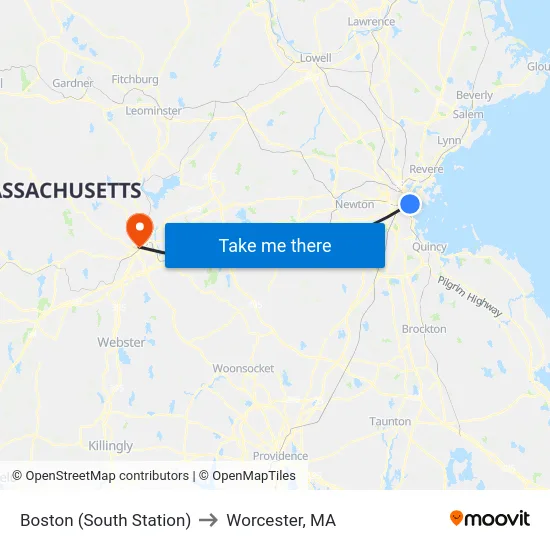
The approximate distance between Worcester and Boston is around 40 to 50 miles (64 to 80 kilometers) depending on the starting and ending points within each city and the chosen route. This moderate distance makes the journey accessible by several modes of transportation, each offering a different travel experience and time commitment.
Driving Distance and Time
The most common method of travel between Worcester and Boston for many is by car. The primary route involves utilizing Interstate 90, also known as the Massachusetts Turnpike. This toll road offers a direct and relatively swift passage between the two cities.
- Primary Route: Taking I-90 East from Worcester will lead you directly towards Boston. The drive typically takes between 45 minutes to 1 hour and 15 minutes, assuming normal traffic conditions.
- Traffic Considerations: It is essential to factor in the notorious Boston traffic, especially during peak commuting hours (morning and late afternoon/early evening on weekdays). During these times, the travel duration can significantly increase, sometimes doubling the estimated travel time. Planning your travel outside of these hours can lead to a much smoother and quicker journey.
- Alternative Routes: While I-90 is the most direct, alternative routes exist, such as taking Route 9 East. This route is generally slower as it passes through more towns and is subject to local traffic lights and congestion. However, it can offer a more scenic drive and may be preferable if avoiding tolls is a priority, though it will invariably increase travel time.
- Parking in Boston: When driving into Boston, it’s important to consider parking. Boston has numerous parking garages, but they can be expensive, especially in the downtown areas. Some travelers opt to park further out and utilize public transportation for the final leg of their journey into the city center.
Public Transportation Options
For those who prefer not to drive, or wish to avoid traffic and parking hassles, public transportation provides excellent alternatives for traveling between Worcester and Boston. The Massachusetts Bay Transportation Authority (MBTA), commonly known as the “T,” offers robust rail services.
- Commuter Rail: The most convenient public transit option is the MBTA Commuter Rail’s Worcester Line. This service connects Worcester directly to Boston’s South Station.
- Departure/Arrival Points: Trains depart from Worcester Union Station and arrive at Boston South Station.
- Travel Time: The Commuter Rail journey typically takes approximately 1 hour and 15 minutes to 1 hour and 30 minutes, depending on the specific train schedule and number of stops.
- Frequency: Trains run with a reasonable frequency, especially during weekdays, making it a viable option for commuters and day-trippers alike. It is advisable to check the MBTA schedule in advance for the most up-to-date information.
- Benefits: This option allows passengers to relax, read, work, or simply enjoy the scenery without the stress of driving or parking. It’s also an environmentally friendly choice.
- Bus Services: While less common for direct travel between the two cities compared to the train, intercity bus services might operate between Worcester and Boston. These are generally less frequent and may have longer travel times due to stops and routes. They can, however, sometimes offer a more budget-friendly alternative.
Planning Your Journey: Practical Tips for Travel
Understanding the distance is the first step; the next is optimizing your travel experience. Whether you’re visiting for leisure, business, or are a local making a regular commute, a few practical considerations can make your journey between Worcester and Boston much smoother.
Timing Your Travel
As previously mentioned, traffic is a significant factor when driving.
- Weekday Peak Hours: Avoid driving into or out of Boston between 7:00 AM and 9:00 AM, and again between 4:00 PM and 6:30 PM. During these times, congestion can be severe, turning a short drive into a lengthy ordeal.
- Weekend Travel: Weekends can also experience increased traffic, particularly on Friday afternoons and Sunday evenings, as people travel to and from the city.
- Using Navigation Apps: Utilize real-time navigation applications like Google Maps or Waze. These apps can provide up-to-the-minute traffic information, suggest alternative routes, and give more accurate estimated arrival times.

Choosing Your Transportation Mode
The best mode of transportation depends on your priorities:
- For Speed and Flexibility (and avoiding traffic): Driving can be the quickest if you travel outside of peak hours. It also offers the most flexibility for stops and direct access to your final destination.
- For Stress-Free Commuting and Budget Consciousness: The MBTA Commuter Rail is an excellent choice. It eliminates the stress of driving and parking in Boston, and the fares are generally more predictable than the variable costs of gas and parking.
- For Sightseeing En Route: If you have ample time and wish to explore smaller towns or scenic byways between Worcester and Boston, consider taking secondary highways. However, this requires a significant increase in travel time.
Accommodations and Connectivity
- Worcester as a Base: Worcester offers a growing number of hotels and a lower cost of living and accommodation compared to Boston. For those who plan to visit Boston frequently but prefer a quieter or more affordable base, Worcester can serve as an excellent option. The Commuter Rail makes day trips to Boston very convenient.
- Boston as a Base: Conversely, staying in Boston provides immediate access to its myriad attractions, dining, and entertainment options. Day trips to Worcester are also feasible, allowing visitors to experience Worcester’s burgeoning arts scene, historical sites, and culinary delights.
Exploring the Regions: What Lies Between and Beyond
The stretch of land between Worcester and Boston is not merely a transit corridor; it encompasses a diverse landscape of suburban communities, historical sites, and natural beauty. Understanding this geography can enrich your travel experience.
Towns and Communities Along the Way
As you travel east from Worcester towards Boston, you will pass through several notable towns and cities, many of which have their own unique character and attractions.
- MetroWest Region: The area between Worcester and the immediate suburbs of Boston is often referred to as the MetroWest region. Towns like Framingham, Natick, and Wellesley offer charming downtown areas, parks, and historical landmarks.
- Historical Significance: This region is rich in American history. Many of the towns along the route played roles during the Revolutionary War and the development of early American industry. Exploring these smaller communities can provide a deeper appreciation for the historical tapestry of Massachusetts.
Natural Landscapes and Recreational Opportunities
While the focus is often on the urban destinations, the journey between Worcester and Boston also offers opportunities to connect with nature.
- Parks and Trails: Numerous state parks and local conservation areas are accessible from the main travel routes. For instance, areas around the Blackstone River Valley or the Sudbury River offer walking trails and opportunities for outdoor recreation.
- Lakes and Reservoirs: Several bodies of water dot the landscape, providing scenic views and recreational activities during warmer months.
Connecting Two Pillars of Massachusetts
The relationship between Worcester and Boston is one of synergy and contrast. Boston, the historic capital, boasts world-renowned universities, a thriving biotechnology sector, and iconic landmarks. Worcester, the “Heart of the Commonwealth,” is rapidly emerging as a center for innovation, healthcare, and the arts, offering a more affordable and perhaps more accessible urban experience.
The question of “how far is Worcester MA from Boston MA?” is more than just a measure of mileage; it’s an invitation to explore the diverse landscapes, rich history, and dynamic culture of Massachusetts. Whether you choose the open road, the convenience of the commuter train, or a combination of approaches, the journey between these two significant cities is a rewarding experience in itself, connecting you to the multifaceted character of New England.
LifeOutOfTheBox is a participant in the Amazon Services LLC Associates Program, an affiliate advertising program designed to provide a means for sites to earn advertising fees by advertising and linking to Amazon.com. Amazon, the Amazon logo, AmazonSupply, and the AmazonSupply logo are trademarks of Amazon.com, Inc. or its affiliates. As an Amazon Associate we earn affiliate commissions from qualifying purchases.