
Embarking on a journey from the bustling urban landscape of San Francisco to the serene, granite-domed wilderness of Yosemite National Park is a quintessential California experience. Travelers frequently ponder not just the physical distance, but the time commitment, the best routes, and what to expect on this scenic adventure. While the crow flies a shorter path, the reality of driving, or even taking public transport, involves navigating diverse landscapes, from the flat expanse of the San Joaquin Valley to the winding roads of the Sierra Nevada foothills.
This comprehensive guide will break down everything you need to know about the distance, travel options, and how to seamlessly integrate your visit to one of America’s most cherished natural wonders with the vibrant culture of San Francisco. From pinpointing the best routes to discovering hidden gems along the way, and identifying the perfect accommodation for your stay, we’ll help you plan an unforgettable journey.

The Journey from San Francisco to Yosemite: Distance and Drive Times
Understanding the distance and anticipated travel time is the first step in planning your escape to Yosemite. While the numbers provide a baseline, various factors can influence the actual duration of your trip.
Understanding the Core Distance and Routes
The distance between San Francisco and Yosemite National Park typically ranges from 160 to 200 miles (approximately 257 to 322 kilometers), depending on the specific entrance you choose and your starting point within San Francisco. The drive usually takes between 3.5 to 5 hours without significant stops, though it’s wise to budget more time for breaks, traffic, and unexpected delays.
There are three primary routes from the San Francisco Bay Area into Yosemite, each offering a slightly different experience:
- California State Route 120 (Big Oak Flat Entrance): This is often considered the most direct and fastest route, especially for travelers heading to the northern part of Yosemite Valley or Tuolumne Meadows (when open). You’ll typically head east on I-580, connecting to I-205, then CA-120 through towns like Oakdale and Groveland. The drive time via this route is usually on the lower end of the spectrum, around 3.5 to 4 hours. However, it’s crucial to note that the high-elevation Tioga Pass section of CA-120 (which leads to Tuolumne Meadows and beyond) is typically closed from November through late May or early June due to snow.
- California State Route 140 (Arch Rock Entrance): Known as the “All-Weather Highway,” California State Route 140 generally stays at lower elevations, making it a reliable option year-round. This route typically involves heading east on I-580/I-205, then CA-120 east to CA-99 south, then connecting to CA-140 through Merced and Mariposa. It follows the scenic Merced River into the park, offering beautiful views even before you reach the entrance. This route usually takes around 4 to 4.5 hours.
- California State Route 41 (South Entrance): If your primary interest lies in the Mariposa Grove of Giant Sequoias or if you plan to stay in the southern gateway towns, California State Route 41 is your best bet. This involves heading south on US-101 or I-5, then east on CA-152, connecting to CA-99 south, and finally CA-41 through Fresno and Oakhurst. The drive is typically closer to 4.5 to 5 hours.
Regardless of the route, travelers will transition from the urban sprawl of San Francisco through the agricultural heartland of the San Joaquin Valley, then ascend into the rolling foothills of the Sierra Nevada. Traffic, especially around the San Francisco Bay Area during rush hour or nearing the park on peak weekends, can significantly extend travel times. Additionally, road closures due to weather (snow, rockslides) or wildfires can necessitate detours, so always check conditions before you depart.
Navigating Your Way: Transportation Options
While driving is the most popular way to reach Yosemite National Park from San Francisco, it’s not the only option. Depending on your budget, desire for flexibility, and travel style, you have several choices.
The Classic California Road Trip: Driving Your Own Vehicle
For many, the quintessential California experience involves hitting the open road. Driving offers unparalleled flexibility, allowing you to stop at charming towns like Sonora or Modesto, explore scenic viewpoints, or simply take a break whenever you wish. If you don’t own a car, numerous rental car agencies are available at San Francisco International Airport (SFO), Oakland International Airport, or within the city itself. Booking in advance, especially during peak season, is highly recommended to secure the best rates and vehicle choice.
Key considerations for driving:
- Parking: Parking within Yosemite Valley can be extremely challenging, especially during summer and on weekends. Utilize the free shuttle bus system once inside the Valley to get around.
- Entrance Reservations: During peak seasons (typically spring through fall), the National Park Service often implements a reservation system for vehicle entry. Always check the official Yosemite National Park website before your trip to understand the current entry requirements and make necessary reservations.
- Fuel: Gas stations become scarcer and more expensive closer to the park. Fill up in larger towns like Oakdale, Merced, or Oakhurst.
- Navigation: While GPS is helpful, download offline maps as cell service can be spotty within and around the park.
Public Transportation and Guided Tours
For those who prefer not to drive, or who want a more structured experience, public transportation and guided tours offer viable alternatives.
- Train + Bus (Amtrak and YARTS): This option provides a relaxing and environmentally conscious way to travel. You can take an Amtrak San Joaquin train from Oakland or Emeryville (near San Francisco) to Merced. From Merced, you connect to the Yosemite Area Regional Transportation System (YARTS) bus service, which takes you directly into Yosemite National Park with multiple stops, including Yosemite Valley. The journey is longer, often 6-8 hours total, but removes the stress of driving and parking. The YARTS fare often includes the park entrance fee.
- Guided Bus Tours: Numerous tour operators offer one-day or multi-day guided bus tours from San Francisco to Yosemite. These tours typically include transportation, park entry, and often a guided overview of key attractions like El Capitan, Half Dome, and Yosemite Falls. They are convenient for travelers who prefer a completely hassle-free experience, don’t want to worry about logistics, and enjoy the insights of a local guide. However, they offer less flexibility in terms of itinerary and pace.
Planning Your Yosemite Adventure: Beyond the Drive
Once you’ve tackled the journey, an entire world of natural wonders awaits within Yosemite National Park. Proper planning, especially regarding what to see and where to stay, will elevate your experience.
Must-See Attractions and Activities in Yosemite National Park
Yosemite is famed for its breathtaking landscapes and diverse recreational opportunities. Here are some highlights:
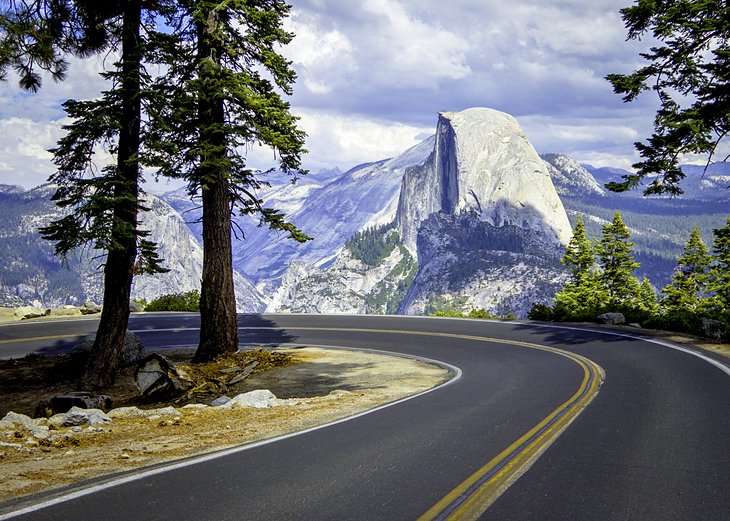
- Yosemite Valley: The heart of the park, home to iconic landmarks such as the towering granite monoliths of El Capitan and Half Dome, and magnificent waterfalls like Yosemite Falls, Bridalveil Fall, and Nevada and Vernal Falls. This area offers numerous hiking trails ranging from easy strolls to strenuous climbs, biking paths, and stunning photographic opportunities.
- Tunnel View: Just before descending into Yosemite Valley from the Wawona Road, this iconic viewpoint provides a panoramic vista of El Capitan, Half Dome, and Bridalveil Fall, making it one of the most famous and photographed spots in the park.
- Glacier Point: Offering unparalleled views of Yosemite Valley, Half Dome, and the high Sierra, Glacier Point is a must-visit. The road to Glacier Point is typically open from late May or early June through October or November.
- Mariposa Grove of Giant Sequoias: Located near the South Entrance, this grove is home to over 500 mature giant sequoias, including the impressive Grizzly Giant and California Tunnel Tree. Walking among these ancient giants is a truly humbling experience.
- Tuolumne Meadows: Accessible via Tioga Pass (seasonal), Tuolumne Meadows offers a distinctly different, high-country Yosemite experience with expansive subalpine meadows, serene rivers, and granite domes perfect for hiking and backpacking.
- Activities: Beyond sightseeing and hiking, Yosemite offers rock climbing, rafting on the Merced River (seasonal), horseback riding, stargazing, and during winter, skiing and snowboarding at Badger Pass Ski Area.
Where to Stay: Accommodation Options in and Around Yosemite
Securing accommodation is paramount, especially during peak season. Yosemite offers a range of options both inside and outside the park.
- Inside Yosemite National Park: Staying within the park allows for easy access to attractions and a truly immersive experience. However, demand is incredibly high, and reservations often need to be made a year or more in advance.
- Luxury: The Ahwahnee Hotel (formerly Majestic Yosemite Hotel) offers an unparalleled blend of grandeur and natural beauty.
- Mid-range: Yosemite Valley Lodge (formerly Yosemite Lodge at the Falls) provides comfortable rooms and suites with excellent access to the Valley. The historic Wawona Hotel near the South Entrance offers Victorian charm.
- Budget/Rustic: Curry Village offers rustic cabins and canvas tents, a more affordable and adventurous option. There are also several campgrounds throughout the park for those bringing their own gear.
- Outside the Park (Gateway Towns): If in-park accommodation is fully booked or if you prefer more amenities and potentially better value, the gateway towns offer excellent alternatives.
- Groveland: Closest to the CA-120 entrance, home to the historic Groveland Hotel and popular lodges like Evergreen Lodge at Yosemite and Rush Creek Lodge at Yosemite.
- Mariposa: Conveniently located near the CA-140 entrance, offering a range of hotels, motels, and charming bed-and-breakfasts.
- Oakhurst: Located near the CA-41 South Entrance, it’s a larger town with more services, including the luxurious Tenaya at Yosemite (formerly Tenaya Lodge).
- El Portal: A very small community just outside the Arch Rock Entrance on CA-140, with a few hotels like Yosemite View Lodge offering proximity to the park.
When booking, utilize online travel agencies, compare prices, and read recent reviews to ensure your choice aligns with your expectations and lifestyle preferences, whether you’re seeking luxury travel or a budget travel experience.
Best Time to Visit and Essential Tips
The “best” time to visit Yosemite depends on your priorities, but each season offers unique charms.
- Spring (April-May): Waterfalls are at their most powerful due to snowmelt, wildflowers bloom, and crowds are generally smaller than in summer.
- Summer (June-August): All areas of the park are typically accessible, and the weather is warm and sunny, perfect for hiking. However, this is also the most crowded time, requiring advance reservations for entry and accommodation.
- Fall (September-October): Pleasant temperatures, fewer crowds, beautiful fall foliage, and clear skies make this a favorite for many. Roads like Tioga Pass typically remain open until the first heavy snows.
- Winter (November-March): A quiet, magical time with snow-covered landscapes. Access can be limited due to road closures, but cross-country skiing, snowshoeing, and ice skating are popular. The Valley transforms into a serene wonderland.
Essential Tips for Your Trip:
- Book Early: This cannot be stressed enough, especially for peak season accommodation and park entry permits.
- Check Conditions: Always verify road conditions, weather forecasts, and park alerts (e.g., fire, trail closures) on the National Park Service website before and during your visit.
- Pack Layers: Mountain weather can change quickly. Bring clothing that can be layered, sturdy hiking boots, rain gear, and sun protection.
- Stay Hydrated and Bring Snacks: Carry plenty of water and food, especially for hikes, as options within the park can be limited or expensive.
- Limited Connectivity: Cell phone service is minimal or non-existent in much of the park. Inform loved ones of your itinerary.
- Wildlife Awareness: Keep a safe distance from all wildlife and never feed animals. Store food properly to deter bears.
- Utilize Shuttles: Take advantage of the free shuttle system in Yosemite Valley to reduce traffic and parking stress.
Combining Your Yosemite Trip with a San Francisco Experience
Many travelers choose to pair their awe-inspiring Yosemite National Park adventure with the vibrant city life of San Francisco. This creates a dynamic itinerary that blends natural beauty with urban charm.
Pre- or Post-Yosemite Stays in San Francisco
Spending a few days in San Francisco before or after your Yosemite excursion allows you to explore the city’s iconic landmarks, diverse neighborhoods, and renowned culinary scene.
- Iconic Attractions: Don’t miss the chance to walk across the magnificent Golden Gate Bridge, take a ferry to historic Alcatraz Island, soak in the atmosphere at Fisherman’s Wharf, or ride a cable car up the famously crooked Lombard Street. For shopping and entertainment, Union Square is a bustling hub.
- Dining and Culture: San Francisco is a foodie’s paradise, offering everything from Michelin-starred restaurants to casual food trucks. Explore distinct neighborhoods like Chinatown, the Mission District, or Haight-Ashbury for unique cultural experiences and diverse culinary delights.
- Accommodation in San Francisco: The city boasts an extensive range of hotels and accommodation options to suit every budget and lifestyle.
- Luxury: Historic gems like The Palace Hotel or boutique options like Hotel Drisco or Hotel Vitale offer opulent stays.
- Mid-range: Numerous stylish hotels can be found near Union Square, Fisherman’s Wharf, and the Embarcadero.
- Budget-friendly: Hostels and more basic hotels are available, particularly further from the main tourist areas.
Connecting between San Francisco and its major airports like SFO, Oakland International Airport, or even Sacramento International Airport for broader California travel, is straightforward with public transport and ride-sharing services.

Other California Road Trip Extensions
If time permits, your trip to Yosemite and San Francisco can be part of a grander California adventure.
- Eastern Sierra: After exiting Yosemite via Tioga Pass (seasonal), explore the stunning Eastern Sierra towns like Mammoth Lakes, known for skiing and hiking.
- Lake Tahoe: Drive north from the Eastern Sierra or take a separate trip from San Francisco to experience the majestic beauty of Lake Tahoe, offering year-round outdoor activities.
- California’s Central Coast: Head south from San Francisco along the scenic Highway 1 to discover charming coastal towns, vineyards, and breathtaking ocean views.
The journey from San Francisco to Yosemite National Park is more than just covering miles; it’s an integral part of the adventure. Whether you choose the freedom of a road trip or the convenience of a guided tour, the transition from urban sophistication to untamed wilderness is a profound experience. With proper planning, understanding the distance, and choosing the right transportation and accommodation options, your exploration of these California gems will be nothing short of extraordinary.
LifeOutOfTheBox is a participant in the Amazon Services LLC Associates Program, an affiliate advertising program designed to provide a means for sites to earn advertising fees by advertising and linking to Amazon.com. Amazon, the Amazon logo, AmazonSupply, and the AmazonSupply logo are trademarks of Amazon.com, Inc. or its affiliates. As an Amazon Associate we earn affiliate commissions from qualifying purchases.