
Embarking on a journey from the vibrant neon glow of Las Vegas to the majestic red rock landscapes of Zion National Park is one of the most popular and rewarding road trips in the American Southwest. Many travelers find themselves drawn to the unparalleled natural beauty that lies just a few hours’ drive from the bustling entertainment capital of Nevada. This iconic route offers a dramatic contrast, transitioning from man-made marvels to some of the most awe-inspiring geological formations on Earth, making it a perfect adventure for those seeking both thrilling experiences and serene natural escapes. Whether you’re planning a quick day trip, a weekend getaway, or integrating it into a longer exploration of Utah‘s national parks, understanding the distance, travel time, and various ways to make the most of your journey is key to a seamless and unforgettable experience. This comprehensive guide will equip you with all the essential information needed to navigate this incredible route, from practical logistics to uncovering hidden gems along the way, ensuring your trip to Zion National Park is as magnificent as the destination itself.
The Journey from Las Vegas to Zion National Park
The drive from Las Vegas to Zion National Park is more than just a commute; it’s an integral part of the adventure, offering changing landscapes and interesting stops. Knowing what to expect regarding distance and time, as well as choosing the right path, will set the tone for your entire trip.
Understanding the Distance and Drive Time
The direct route from Las Vegas to the main entrance of Zion National Park (near Springdale, Utah) typically covers approximately 160 miles (257 kilometers). For most drivers, this translates to a non-stop driving time of about 2.5 to 3 hours. However, this estimate is purely for driving without breaks. It’s important to factor in stops for gas, restrooms, food, and photo opportunities, which can easily extend the total travel time.
Traffic can also play a role, particularly when departing Las Vegas on a Friday afternoon or returning on a Sunday evening, as many locals and tourists head out for weekend getaways. Construction along Interstate 15 (I-15) can also cause delays, so it’s wise to check traffic conditions before you depart. For those towing an RV or driving a larger vehicle, the travel time might be slightly longer due to lower average speeds and additional stops. Planning for at least 3.5 to 4 hours door-to-door, especially if it’s your first time, is a more realistic and relaxed approach, allowing you to enjoy the scenery without feeling rushed.
Choosing Your Route: The Scenic Drive
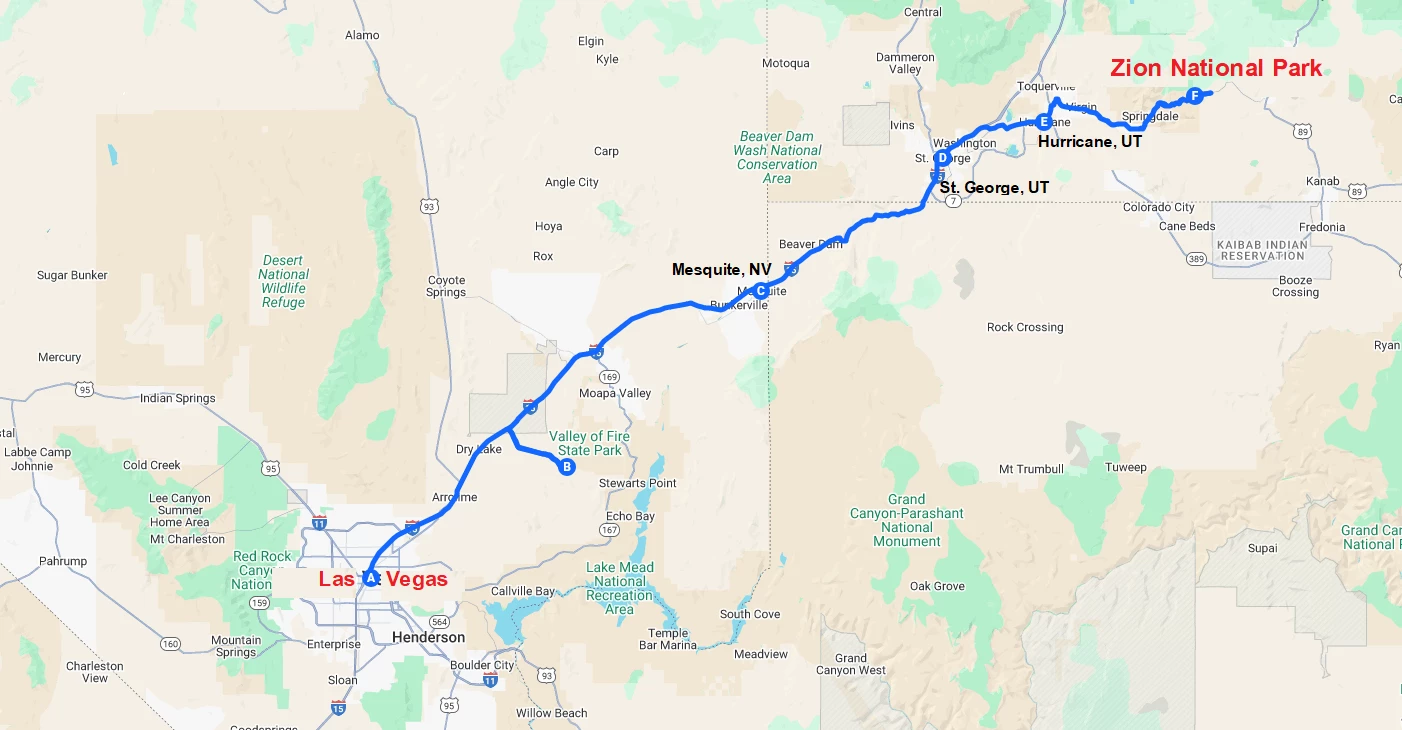
The most common and efficient route to Zion National Park from Las Vegas involves taking Interstate 15 North. This highway guides you through a diverse range of desert landscapes, eventually leading into the striking red rock country of southwestern Utah.
The drive itself offers several points of interest:
- Valley of Fire State Park: If you have an extra hour or two and are looking for a spectacular detour shortly after leaving Las Vegas, a visit to Valley of Fire State Park is highly recommended. Known for its Aztec sandstone outcrops that appear to be on fire when reflecting the sun’s rays, it’s a photographer’s dream and a great place for a short hike.
- The Virgin River Gorge: As you cross into Arizona for a brief stretch, Interstate 15 carves its way through the dramatic Virgin River Gorge. This section of the highway is a marvel of engineering, featuring towering canyon walls and winding roads that are incredibly picturesque.
- St. George, Utah: This is the largest city you’ll encounter on your way and serves as an excellent natural stopping point. Located about an hour’s drive from Zion National Park, St. George offers numerous options for gas, food, and lodging. It’s also a great base for exploring other nearby attractions or if you prefer to stay outside the immediate vicinity of the park.
- Hurricane, Utah: Just before reaching Springdale and Zion’s main entrance, you’ll pass through Hurricane. This town also provides essential services and can be a good last-minute stop before entering the park’s more remote areas.
Once you exit Interstate 15 at Exit 16 (for Utah State Route 9), you’ll travel east through the towns of La Verkin, Hurricane, and Rockville before finally arriving at Springdale, the gateway community to Zion National Park. The drive along SR-9 is incredibly scenic, with glimpses of Zion’s iconic sandstone cliffs appearing in the distance, building anticipation for the natural wonders ahead.
Making the Most of Your Trip: Beyond Just Driving
The journey to Zion National Park is a prelude to an even greater adventure. Once you’ve covered the distance, a world of exploration awaits. Planning your visit beyond just the drive is crucial to maximizing your experience and immersing yourself in the park’s unparalleled beauty.
Transportation Options for Every Traveler
While driving your own vehicle offers the most flexibility, several other transportation options cater to different preferences and budgets:
- Rental Cars: For many, renting a car in Las Vegas is the most practical choice. It allows you to explore at your own pace, stop at scenic overlooks, and easily access trailheads and other points of interest outside the main shuttle route in Zion. Rental car agencies are abundant in Las Vegas, including at the airport and along the Strip. Always compare prices and book in advance, especially during peak seasons.
- Guided Tours: If you prefer a hands-off approach, numerous tour operators in Las Vegas offer guided day trips or multi-day excursions to Zion National Park and often include other nearby parks like Bryce Canyon National Park or the Grand Canyon National Park. These tours typically handle all transportation, park fees, and sometimes even provide meals and knowledgeable guides, offering a stress-free way to experience the park. This is ideal for those who want to relax and soak in the views without the hassle of driving and navigation.
- Private Transfers and Shuttles: For a more personalized experience, private shuttle services can transport you directly from Las Vegas to Springdale. While more expensive than a shared tour, they offer greater flexibility in terms of pick-up and drop-off times. Some shuttle services might also offer transfers between Zion and other nearby national parks.
- Public Transportation (Limited): Direct public transportation from Las Vegas to Zion is not readily available. While you might be able to find a bus to St. George, you would then need to arrange separate transportation to Springdale and into the park. This option is generally not recommended for convenience or efficiency.
Why Zion is a Must-Visit Destination
Zion National Park is renowned for its colossal sandstone cliffs, deep canyons, and diverse ecosystems. Its unique geology, carved by the Virgin River, creates a dramatic landscape that is both awe-inspiring and remarkably accessible.
Key attractions and activities include:
- Hiking: Zion offers a wide range of trails for all skill levels. Iconic hikes include Angels Landing (permits required for the chain section), which provides panoramic views of Zion Canyon, and The Narrows, where you wade and sometimes swim through the Virgin River between towering canyon walls. For easier strolls, the Pa’rus Trail offers a paved, accessible path along the river.
- Scenic Drives: Beyond the main canyon, the Kolob Canyons area in the park’s northwest offers a different perspective with stunning finger canyons and hiking opportunities, accessible via a separate entrance off Interstate 15.
- Photography: With its vibrant colors, unique rock formations, and dramatic light, Zion is a photographer’s paradise. Sunrise and sunset cast magical glows on the canyon walls.
- Wildlife Viewing: Keep an eye out for mule deer, bighorn sheep, and a variety of bird species.
The park operates a mandatory shuttle system for much of the year to manage traffic within Zion Canyon. Private vehicles are generally not allowed on the scenic drive during peak season, so plan to use the shuttles from the Zion Canyon Visitor Center to access trailheads and viewpoints.
Ideal Itinerary Ideas: Day Trips vs. Multi-Day Adventures
Depending on your time and interests, you can tailor your visit to Zion National Park:
- Day Trip from Las Vegas: A day trip is feasible but requires an early start and late return. You’ll have approximately 6-8 hours in the park, enough time for one major hike (like the lower Emerald Pools or the Pa’rus Trail) and a scenic shuttle ride through the canyon. It’s a whirlwind but offers a fantastic taste of Zion’s grandeur.
- Overnight/Multi-Day Trip: This is the recommended approach to truly appreciate Zion. Staying at least one or two nights allows you to explore multiple trails, enjoy sunrises and sunsets over the canyon, and relax in Springdale. It also opens up possibilities for more challenging hikes like Angels Landing or The Narrows.
- Combining with Other Parks: Zion National Park is often part of a larger Southwestern road trip. Its proximity to Bryce Canyon National Park (about 1.5-2 hours drive northeast) and even the North Rim of the Grand Canyon National Park (about 2.5-3 hours drive southeast) makes it an ideal hub for exploring the “Grand Circle” of national parks. This allows for a deeper dive into the region’s diverse geology and landscapes.
Essential Planning for Your Zion Excursion
A successful trip to Zion National Park requires thoughtful planning, covering everything from where you’ll sleep to what you’ll carry and when you’ll visit.
Where to Stay: Accommodation Near Zion
Choosing the right accommodation is key to a comfortable and convenient visit.
- Springdale, Utah: This charming town sits directly at the south entrance of Zion National Park and is the most popular choice for lodging. Springdale offers a wide range of options, from luxury resorts and boutique hotels to budget-friendly motels and cozy apartments. Many establishments boast stunning views of the canyon walls and are within walking distance or a short shuttle ride to the park entrance. Amenities often include pools, spas, and on-site dining, catering to various lifestyle preferences. Due to its prime location, accommodation here books up quickly, especially during peak seasons, so advance reservations are strongly advised.
- Inside the Park: Zion National Park Lodge is the only in-park lodging, offering cabins, hotel rooms, and suites. Staying here provides unparalleled access to the canyon, but availability is extremely limited and requires booking far in advance, often up to a year out.
- Camping: Zion has three campgrounds: South Campground and Watchman Campground (reservations essential, often months in advance) near the south entrance, and Lava Point Campground (first-come, first-served, often closed in winter) on Kolob Terrace Road. Camping offers an immersive nature experience for budget travelers, but facilities can be basic.
- Nearby Towns: If Springdale is fully booked or outside your budget, consider staying in Hurricane or St. George, both within an hour’s drive. These towns offer a broader selection of hotels, resorts, and vacation rentals at potentially lower prices. While they add to your daily commute, they can be good alternatives, especially if you plan to visit other attractions in the wider region.
Best Time to Visit and What to Pack
The timing of your visit significantly impacts your experience:
- Spring (March-May) & Fall (September-November): These are generally considered the best times to visit. The weather is pleasant for hiking, with temperatures ranging from mild to warm. Crowds are present but manageable, and the shuttle system is usually operational. Spring brings wildflowers, while fall offers stunning autumn foliage.
- Summer (June-August): Expect hot temperatures (often exceeding 100°F/38°C) and the largest crowds. Flash floods can be a concern in The Narrows due to monsoon season, making water-based hikes potentially dangerous. However, summer is also when the Virgin River feels most refreshing.
- Winter (December-February): Zion is quieter in winter, offering a serene, snow-dusted landscape that is breathtaking. Temperatures are cold, and some higher elevation trails or roads may be closed due to snow and ice. The shuttle system often operates on a limited schedule or not at all, allowing private vehicles into the main canyon.
What to Pack: Regardless of the season, layered clothing is essential due to fluctuating temperatures. Sturdy hiking boots, plenty of water, sun protection (hat, sunscreen, sunglasses), a first-aid kit, and snacks are a must. For The Narrows, consider renting canyoneering shoes and a hiking stick. Always check the weather forecast and park conditions before your visit.
Maximizing Your National Park Experience
To ensure a smooth and enjoyable visit to Zion National Park, keep these tips in mind:
- National Park Pass: If you plan to visit multiple national parks within a year, consider purchasing an America the Beautiful Pass. It covers entrance fees to most federal recreation sites and can save you money.
- Arrive Early: Especially during peak season, arriving at the park entrance or the shuttle parking lot in Springdale early in the morning helps avoid the largest crowds and secure parking.
- Utilize the Shuttle: The free park shuttle is incredibly efficient for navigating Zion Canyon. Study the route and stops beforehand to plan your hikes and sightseeing efficiently.
- Stay Informed: Check the official Zion National Park website for current conditions, trail closures, shuttle schedules, and any permit requirements (like for Angels Landing).
- Respect the Environment: Practice Leave No Trace principles: pack out everything you pack in, stay on marked trails, and do not disturb wildlife or natural features. This helps preserve the park for future generations.
- Embrace Local Culture and Food: Springdale offers a variety of restaurants, from casual cafes to more upscale dining, serving everything from local Utah cuisine to international dishes. Don’t miss trying some locally sourced produce or a hearty meal after a day of hiking.
Combining Zion with a Las Vegas Lifestyle Experience
The stark contrast between the vibrant, man-made energy of Las Vegas and the timeless, natural grandeur of Zion National Park is precisely what makes this pairing so appealing. It offers a unique opportunity to combine two vastly different, yet equally captivating, travel experiences.
The Perfect Two-Destination Itinerary
Many travelers begin their adventure in Las Vegas, leveraging its accessibility and amenities as a travel hub. Here are a few ways to structure an itinerary that seamlessly blends the best of both worlds:
- Luxury Travel: Start with a stay in one of Las Vegas’s premier resorts, enjoying fine dining, world-class entertainment, and indulgent spa treatments. Then, transition to a luxury lodge or boutique hotel in Springdale, where you can unwind in comfort amidst stunning natural surroundings, perhaps with a private guided hike or helicopter tour of Zion.
- Budget Travel: Find affordable accommodation in Las Vegas or consider camping just outside Zion to save on costs. Pack your own food for the drive and utilize the free park shuttle. Focus on free activities like hiking and stargazing. The beauty of the parks doesn’t require a hefty budget to enjoy.
- Family Trips: Las Vegas offers family-friendly attractions like aquariums, magic shows, and themed hotels. Following this with Zion provides an educational and active counterpoint, with easy trails like the Pa’rus Trail or the Lower Emerald Pools suitable for children. Look for family suites or apartments in both destinations for convenience.
- Business Stays with Leisure Extension: If you’re in Las Vegas for a conference or business, extend your trip by a few days to explore Zion. It offers a perfect mental break and a chance to recharge in nature before or after intense work commitments. The relatively short drive makes it an ideal add-on.
Embracing the Southwest Adventure
The journey from Las Vegas to Zion National Park epitomizes the ultimate Southwest adventure. It’s a testament to the region’s incredible diversity, allowing travelers to indulge in the sophisticated thrills of a global entertainment hub one day and stand in humbled awe before ancient geological wonders the next. This combination offers not just a vacation, but a holistic travel experience that touches on elements of travel, tourism, and lifestyle, providing memories that will last a lifetime. Whether you’re seeking a quick escape or a profound connection with nature, the path from Las Vegas to Zion is an open invitation to explore, discover, and be inspired.
LifeOutOfTheBox is a participant in the Amazon Services LLC Associates Program, an affiliate advertising program designed to provide a means for sites to earn advertising fees by advertising and linking to Amazon.com. Amazon, the Amazon logo, AmazonSupply, and the AmazonSupply logo are trademarks of Amazon.com, Inc. or its affiliates. As an Amazon Associate we earn affiliate commissions from qualifying purchases.