
The journey between Las Vegas and Los_Angeles is more than just a transition between two iconic cities; it is a rite of passage through the heart of the American Southwest. Whether you are a tourist seeking the neon-lit thrill of the Las Vegas Strip or a traveler yearning for the coastal breezes of Santa Monica, understanding the distance and the logistical nuances of this route is essential. Spanning approximately 270 miles, the trek connects the entertainment capital of the world with the global hub of film and culture. This guide explores every facet of the trip, from the pavement of Interstate 15 to the altitudes of commercial flight paths, ensuring your transit through Nevada and California is as seamless as possible.
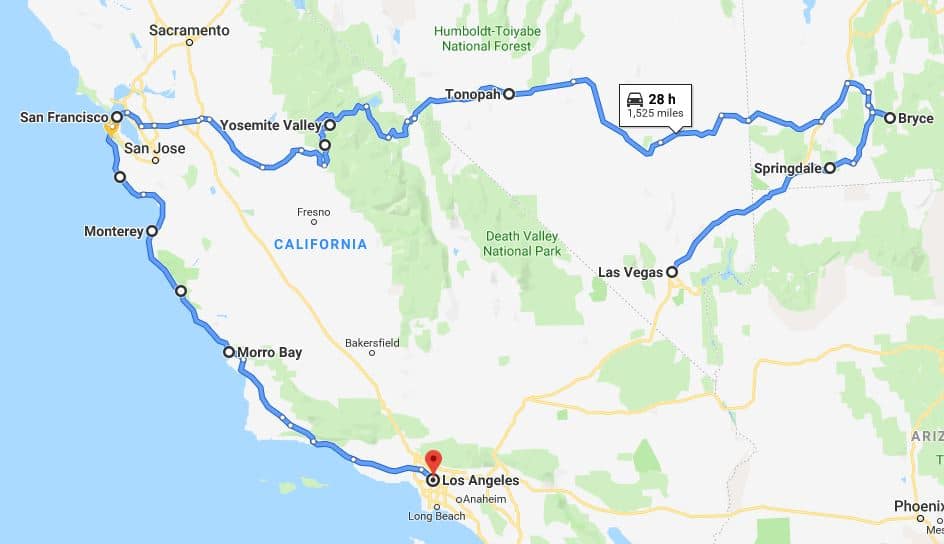
Understanding the Distance and Primary Travel Routes
When asking how far Las Vegas is from Los Angeles, the answer depends heavily on your mode of transport and your specific starting point within these sprawling metropolises. On average, the driving distance is roughly 270 miles (435 kilometers). However, the “psychological distance” can vary greatly depending on traffic, weather, and the time of day.
The Road Trip Experience via Interstate 15
The most common way to traverse this distance is by car. The backbone of this journey is Interstate 15, a major highway that carves through the Mojave Desert. For most travelers starting in Downtown Los Angeles, the drive takes anywhere from four to five hours under ideal conditions. The route begins by heading east through the Inland Empire, passing through cities like San Bernardino and Rancho Cucamonga.
As you ascend the Cajon Pass, the coastal scenery gives way to the high desert terrain of Victorville and Hesperia. This stretch of the United States highway system is famous for its long, straight stretches and dramatic desert vistas. While the speed limit is often 70 mph, the flow of traffic can move significantly faster—or come to a grinding halt during peak weekend hours.
Air Travel and Flight Duration
For those looking to minimize time spent in transit, flying is the fastest option. A direct flight from Los Angeles International Airport to Harry Reid International Airport typically takes about 60 to 75 minutes in the air. When you factor in airport security, boarding, and travel to the terminal, the total time often equates to about three or four hours.
Several regional airports also service this route, providing more convenient options for those living outside the immediate Los Angeles basin. Travelers can depart from Hollywood Burbank Airport, Ontario International Airport, or John Wayne Airport in Orange County. Each offers a slightly different perspective of the San Gabriel Mountains and the Sierra Nevada range from above.
Bus and Rail Alternatives
While there is currently no direct high-speed rail connecting the two cities, several bus lines like Greyhound and FlixBus offer affordable daily service. These trips generally take between five and seven hours. Furthermore, projects like Brightline West are currently in development, aiming to bridge the gap with a high-speed electric rail system that would cut travel time significantly, further integrating the economies and tourism sectors of Southern California and Southern Nevada.
Key Stops and Sightseeing Along the Mojave Desert
One of the greatest benefits of driving the 270-mile stretch is the opportunity to witness the unique landmarks of the Mojave Desert. The route is peppered with roadside attractions that have become legendary in American travel culture.
Exploring Seven Magic Mountains
Just south of Las Vegas, near the town of Jean, lies the vibrant art installation known as Seven Magic Mountains. Created by Swiss artist Ugo Rondinone, these towering pillars of colorful, stacked boulders offer a stark, neon contrast to the muted earth tones of the desert. It is a favorite stop for photographers and a perfect way to signal your arrival in the vicinity of the world’s most famous gambling destination.
The Retro Charm of Baker and the World’s Tallest Thermometer
Halfway through the journey, travelers will encounter the small town of Baker, often referred to as the “Gateway to Death Valley National Park.” The town’s most prominent feature is the World’s Tallest Thermometer, which stands at 134 feet—a tribute to the record-breaking temperature recorded in nearby Death Valley in 1913. Stopping here for a milkshake or a quick meal at Bun Boy is a tradition for many families.
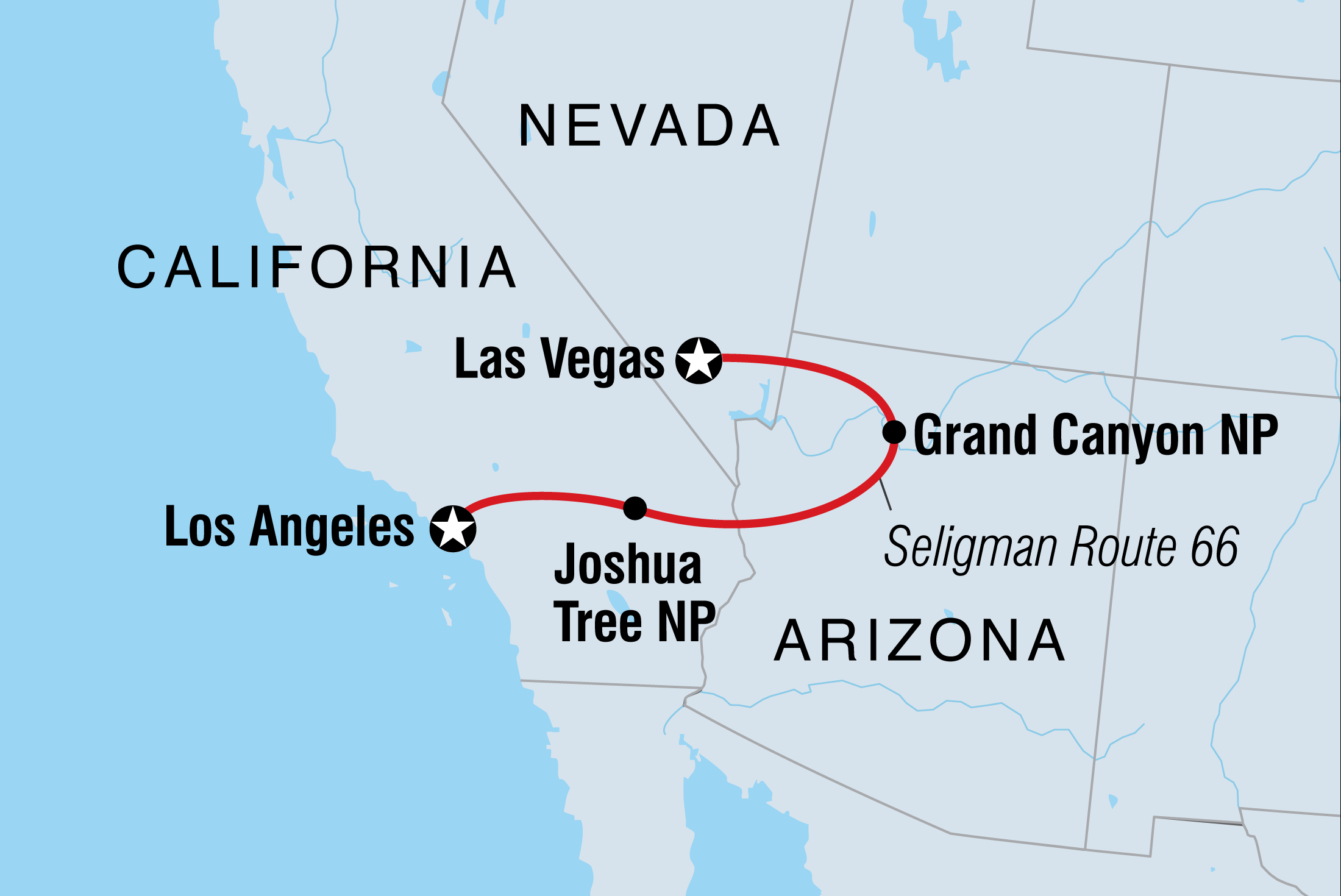
Natural Wonders and Historic Sites
For those with a bit more time, a slight detour can lead to the Mojave National Preserve, where you can find the Kelso Dunes and ancient Joshua tree forests. Another popular stop is Calico Ghost Town near Barstow. This former silver mining town has been preserved as a state historic park, offering a glimpse into the Old West history of California. Even the quirky Zzyzx road offers a mysterious glimpse into the desert’s eccentric past as a former mineral springs resort.
Planning Your Journey: Timing, Logistics, and Tips
Because the route between Las Vegas and Los Angeles is so popular, timing is everything. A four-hour drive can easily turn into an eight-hour ordeal if you leave at the wrong time.
Best Times to Leave to Avoid Traffic
The “Friday-Sunday” rule is the most important factor for this trip. Thousands of people from Southern California head to Las Vegas on Friday afternoon and return on Sunday afternoon. To avoid the heaviest congestion, try to travel on a Tuesday or Wednesday. If you must travel on the weekend, leaving Los Angeles before 10:00 AM on Friday or after 8:00 PM can save you hours of frustration. Conversely, when leaving Las Vegas, try to depart before 9:00 AM on Sunday or wait until Monday morning.
Seasonal Weather Considerations
The Mojave Desert is a land of extremes. During the summer months, temperatures regularly exceed 110 degrees Fahrenheit (43 degrees Celsius). It is vital to ensure your vehicle’s cooling system is in top shape and that you carry plenty of water. In the winter, while the desert remains generally mild, the Cajon Pass and Mountain Pass near the Nevada border can occasionally see snow or ice, leading to temporary road closures. Always check the California Department of Transportation (Caltrans) website for real-time updates.
Essential Safety Tips for Desert Driving
Fuel stops are frequent along Interstate 15, but there are stretches where services are limited. Towns like Primm, located right on the state line, serve as a final fueling point before the long desert stretches. Additionally, cell phone reception can be spotty in certain valleys of the Mojave National Preserve. Carrying an emergency kit that includes a first-aid kit, a portable battery charger, and extra coolant is a mark of a seasoned desert traveler.
Comparing the Experience: Driving vs. Flying
Choosing how to cover the distance between Las Vegas and Los Angeles often comes down to a balance of cost, convenience, and the type of experience you desire.
Cost Analysis and Convenience
Driving is generally the more economical choice, especially for groups or families. The cost of gasoline and wear-and-tear on a vehicle is usually less than the price of four round-trip plane tickets. Additionally, having a car in Las Vegas allows for easier exploration of off-Strip attractions like Red Rock Canyon National Conservation Area or Hoover Dam.
Flying, however, is the pinnacle of convenience for business travelers or those on a tight schedule. With dozens of flights daily provided by carriers like Southwest Airlines, Delta Air Lines, and United Airlines, you can often find competitive pricing if you book in advance. The aerial view of Lake Mead and the Colorado River upon approach into Nevada is a spectacular sight that no highway can match.
Environmental Impact and Scenic Value
For the environmentally conscious traveler, the impact of a short-haul flight is significantly higher per person than a carpool or a bus journey. Taking a luxury motorcoach like the Lux Express provides a middle ground, offering reclining seats and Wi-Fi while reducing the number of individual vehicles on the road.
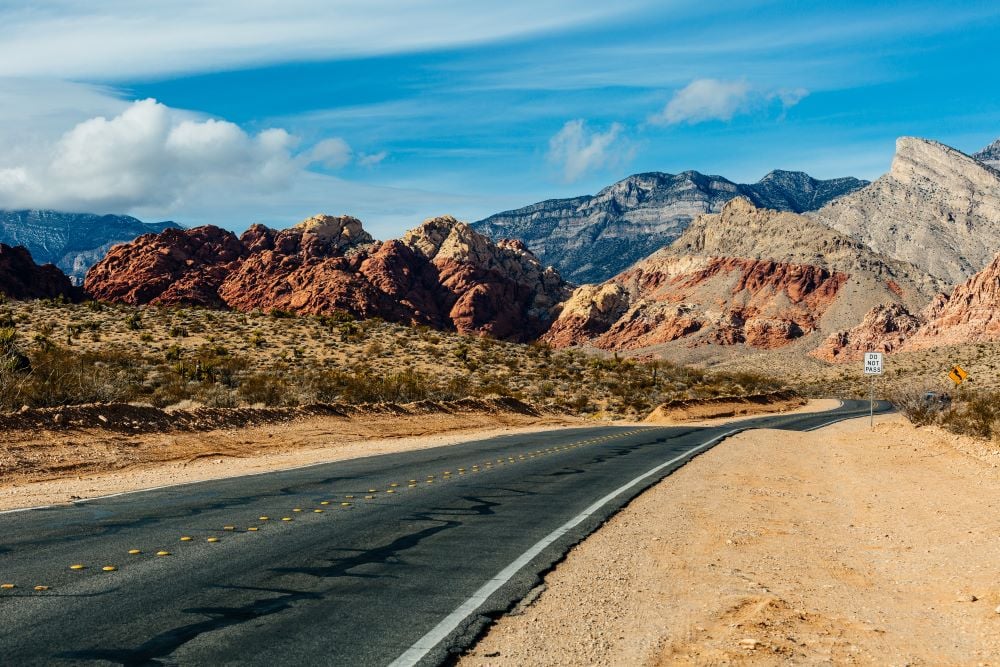
From a scenic perspective, the drive is unbeatable. The transition from the urban sprawl of Hollywood to the stark, volcanic rock formations of the desert provides a sense of scale and adventure. You witness the changing light of the Pacific Ocean air as it dries out into the arid heat of the basin. This journey is a quintessential American experience, a 270-mile bridge between the dreams of the silver screen and the shimmering oasis of the desert.
Whether you choose the speed of the sky or the freedom of the open road, the distance from Las Vegas to Los Angeles is a path filled with history, art, and natural beauty. By planning your departure, respecting the desert environment, and choosing the right stops along the way, you can transform a simple commute into a memorable travel experience.
LifeOutOfTheBox is a participant in the Amazon Services LLC Associates Program, an affiliate advertising program designed to provide a means for sites to earn advertising fees by advertising and linking to Amazon.com. Amazon, the Amazon logo, AmazonSupply, and the AmazonSupply logo are trademarks of Amazon.com, Inc. or its affiliates. As an Amazon Associate we earn affiliate commissions from qualifying purchases.