
The journey from the dazzling neon glow of Las Vegas to the “Biggest Little City in the World,” Reno, offers an extraordinary traverse across the diverse landscapes of Nevada. This road trip isn’t just about covering distance; it’s an immersive experience blending vibrant city life with the stark beauty of the desert, peppered with quirky attractions, historical sites, and gateways to stunning natural wonders. For travelers keen on exploring the heart of the Silver State, understanding the logistics and uncovering the hidden gems along the route is paramount. Whether you’re a luxury traveler seeking the finest resorts, a budget-conscious adventurer, or a family planning an unforgettable experience, this guide will help you chart your course from one Nevada hotspot to another.
At its core, the question “How far is Las Vegas to Reno?” invites more than just a mileage answer. It opens up a world of travel possibilities, revealing the rich tapestry of the American West. From the bustling casinos and world-class entertainment that define Las Vegas to Reno’s unique blend of outdoor adventure and urban charm, the route connecting these two cities is an adventure waiting to happen. This article delves into the practicalities of the journey, highlights must-see attractions, and offers insights into making your trip as comfortable and memorable as possible, touching upon everything from accommodation choices to local culture and lifestyle considerations.
The Journey Unveiled: Distance, Routes, and Travel Time
Embarking on a road trip from Las Vegas to Reno is an iconic Nevada experience, offering a stark contrast between urban excitement and vast, open landscapes. Understanding the distance, choosing the right route, and estimating travel time are the first steps in planning your adventure.
The Direct Route: US-95 North
The most direct and commonly chosen path between Las Vegas and Reno is via US-95 North. This route offers a straightforward drive that cuts through the heart of Nevada’s high desert.
The approximate driving distance between Las Vegas and Reno via US-95 is around 440 to 450 miles (708 to 724 kilometers). Without significant stops, this journey typically takes about 7 to 8 hours of pure driving time. However, this is a conservative estimate, as factors like traffic, road construction, and especially, the desire to explore the fascinating points of interest along the way can easily extend the trip.
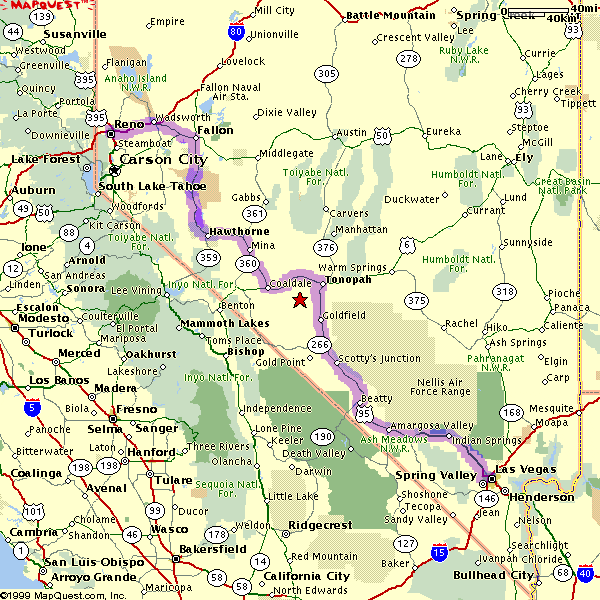
As you traverse US-95, you’ll witness the unique beauty of the Mojave Desert transitioning into the Great Basin Desert. This route is known for its long, straight stretches of road, surrounded by seemingly endless horizons, dotted with Joshua trees and distant mountain ranges. While the scenery is captivating, it’s crucial to be prepared for desert driving conditions. Fuel stops can be sparse, so always ensure your tank is sufficiently filled. Carrying extra water, snacks, and having a reliable spare tire are advisable. Cell service can also be spotty in certain remote sections, so it’s wise to download offline maps. This direct path is ideal for those on a tighter schedule, but it still offers glimpses into the unique natural and historical fabric of Nevada.
Alternative Paths and Scenic Detours
For travelers with more time on their hands, several alternative routes and detours can transform a straightforward drive into an unforgettable scenic adventure, adding elements of natural beauty and unique California charm.
One popular detour involves heading west from Las Vegas into California to explore Death Valley National Park before continuing north along the Eastern Sierra corridor. This route significantly adds to the mileage and driving time – easily turning the trip into a two-day excursion, but it offers unparalleled natural beauty. Death Valley, with its otherworldly landscapes, salt flats, and vast canyons, is a landmark of geological wonder. From there, you can drive up US-395 through the Eastern Sierra, passing charming towns like Lone Pine, Bishop, and Mammoth Lakes. This path offers stunning views of towering peaks, alpine lakes, and opportunities for hiking, fishing, and photography. The final leg from the Eastern Sierra brings you over passes and into the Reno area, often via South Lake Tahoe or through the historic Donner Pass. This option caters to adventure seekers and nature lovers, transforming the journey into a multi-day exploration of iconic Western landscapes and allowing for more comprehensive travel experiences. It’s a fantastic way to blend rugged outdoor activities with the leisure of a road trip.
Beyond the Wheel: Essential Stops and Experiences
The road between Las Vegas and Reno is far from monotonous, especially when you know where to look. Beyond the vast open roads, Nevada offers a treasure trove of unique attractions, from historical ghost towns to quirky roadside stops that epitomize the state’s eccentric charm. These points of interest provide perfect opportunities to stretch your legs, immerse yourself in local culture, and add memorable chapters to your travel story.
Desert Delights and Historical Gems
The US-95 corridor and its nearby areas are rich with fascinating stops that cater to diverse interests, making the journey itself a destination.
A short drive from Las Vegas, before truly venturing into the deep desert, you might consider a detour to the Hoover Dam. This engineering marvel offers tours and panoramic views, providing an impressive start to your trip. Heading north, the Nevada desert truly comes alive with unconventional attractions. Near the famed (and mysterious) Area 51, you’ll find the small community of Rachel and the kitschy Alien Research Center along the Extraterrestrial Highway (State Route 375). This stretch of road is a pilgrimage site for UFO enthusiasts and offers plenty of photo opportunities with alien-themed signage and installations. It’s a quintessential example of Nevada’s quirky roadside tourism.
Further north, the historic mining towns tell tales of Nevada’s boom-and-bust past. Tonopah, once known as the “Queen of the Silver Camps,” hosts the Tonopah Historic Mining Park. Here, you can explore preserved mining equipment, old buildings, and gain insight into the arduous life of miners. The town also boasts the reportedly haunted Clown Motel, a peculiar accommodation option for the adventurous. Nearby, the Goldfield Ghost Town offers a glimpse into a once-thriving city that has largely been reclaimed by the desert. Its dilapidated buildings, including an impressive historic hotel and an old high school, provide a poignant look at a bygone era. For those taking a slight detour west, Rhyolite Ghost Town, near Beatty, is another captivating stop with remnants of its former glory, including a unique bottle house. These historical landmarks offer deep dives into the local culture and history, making them invaluable stops for any traveler.
Gateway to Lake Tahoe: A Nature Lover’s Paradise
While Reno is the ultimate urban destination on this route, its geographical position makes it a perfect gateway to one of America’s most stunning natural landmarks: Lake Tahoe. Located just a short drive southwest of Reno, Lake Tahoe offers a dramatic shift in scenery and a wealth of outdoor activities.
The crystal-clear blue waters of Lake Tahoe, surrounded by the majestic peaks of the Sierra Nevada mountains, present a stark contrast to the desert landscapes you just traversed. This area is a year-round recreational haven. In the summer, visitors can enjoy boating, kayaking, paddleboarding, swimming, and hiking along numerous scenic trails. Iconic spots like Emerald Bay State Park offer breathtaking vistas and opportunities for photography. During the winter months, Lake Tahoe transforms into a premier skiing and snowboarding destination, with world-class resorts like Palisades Tahoe (formerly Squaw Valley Alpine Meadows), Heavenly Mountain Resort, and Northstar California Resort drawing enthusiasts from around the globe.
Integrating a visit to Lake Tahoe into your trip enhances the travel experience significantly, moving beyond city lights to embrace the tranquility and adventure of the mountains. Many travelers choose to extend their stay in Reno to dedicate a day or two to exploring Lake Tahoe, making it a comprehensive journey that combines urban entertainment with unparalleled natural beauty. The range of accommodation options around Lake Tahoe, from cozy cabins to luxury resorts, caters to every lifestyle, ensuring a comfortable base for your explorations.
Las Vegas to Reno: Contrasting Cities, Complementary Experiences
The journey between Las Vegas and Reno isn’t just a physical distance; it’s a transition between two distinct urban experiences in Nevada. While both are renowned for their gaming and entertainment, they offer unique atmospheres and attractions that cater to different travel preferences and lifestyles.
The Glitz and Glamour of Las Vegas
Las Vegas, often dubbed the “Entertainment Capital of the World,” is a city that never sleeps, defined by its opulent resorts, vibrant nightlife, and endless array of activities. As a starting point for your journey to Reno, Las Vegas offers an exhilarating introduction to Nevada’s tourism landscape.
The heart of Las Vegas is undoubtedly The Strip, a four-mile stretch of Las Vegas Boulevard where iconic resorts like Bellagio, Caesars Palace, The Venetian Resort Las Vegas, and Wynn Las Vegas offer a dizzying array of experiences. Here, you can find world-class dining from celebrity chefs, spectacular live shows ranging from Cirque du Soleil to headlining musicians, and luxury shopping. The city is a playground for adults, but also offers family-friendly attractions like the High Roller Observation Wheel and various themed hotel experiences.
Accommodation in Las Vegas is diverse, catering to every budget and taste. From ultra-luxury suites with private pools to more affordable rooms off The Strip, the options are vast. Many resorts are destinations in themselves, offering extensive amenities such as sprawling pool complexes, lavish spas, nightclubs, and a plethora of restaurants. Booking in advance is highly recommended, especially during peak seasons or major conventions, to secure the best rates and desired resort experiences. Whether you’re seeking a high-roller lifestyle or a budget-conscious stay, Las Vegas provides an unparalleled urban tourism experience.
Reno: The Biggest Little City in the World
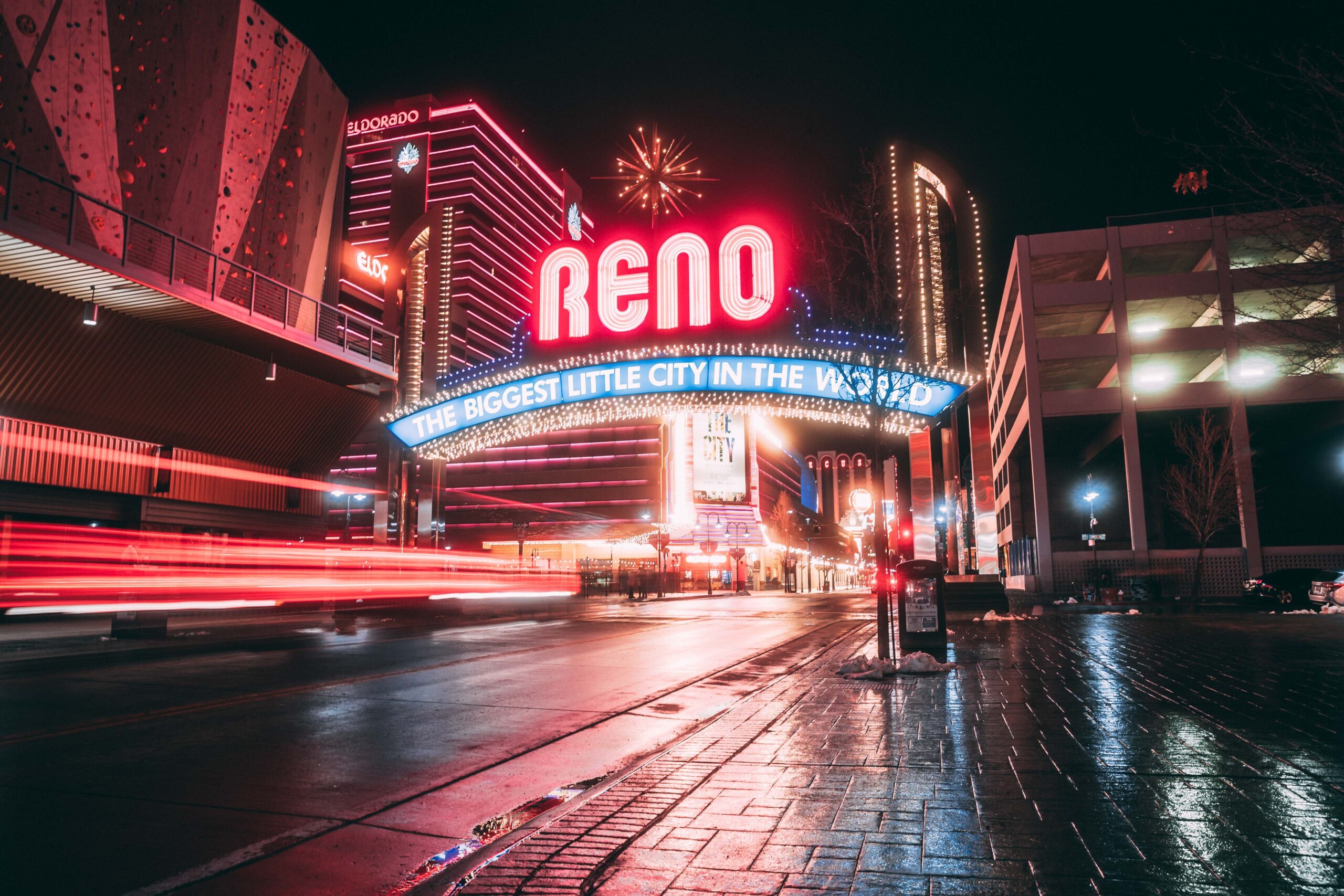
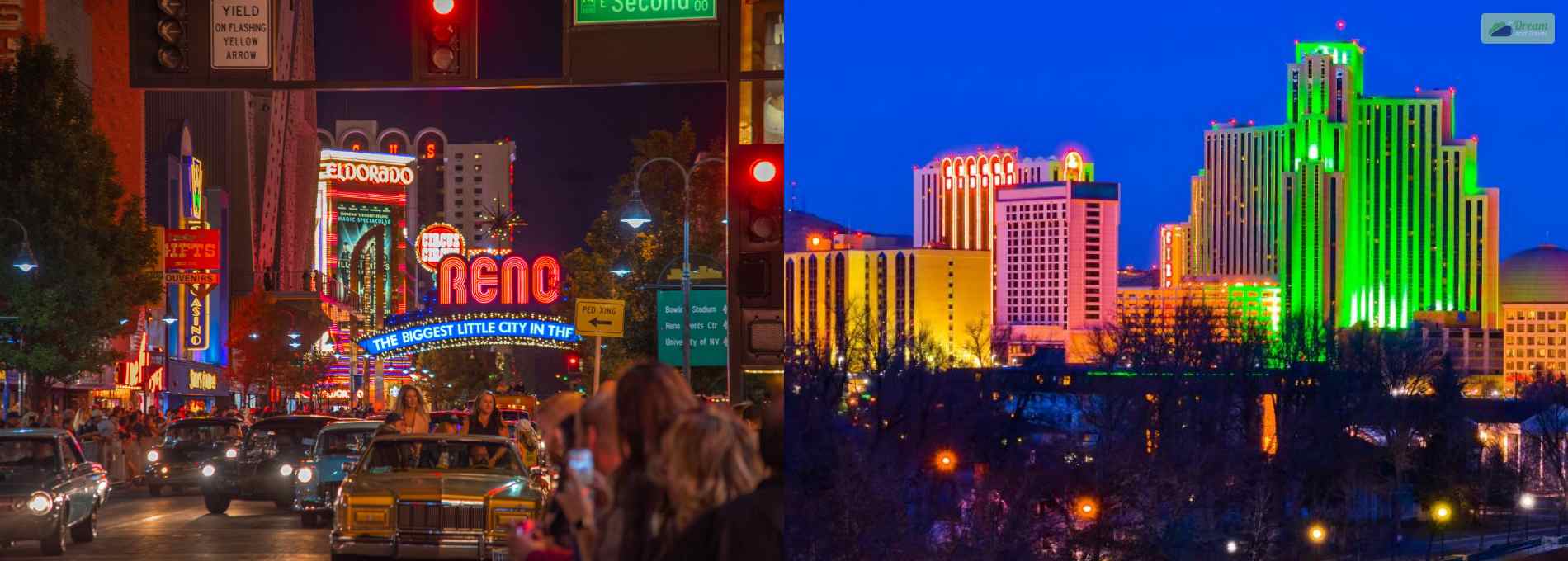
Upon arrival in Reno, you’ll discover a city that, while sharing Las Vegas’s gaming heritage, cultivates a distinctly different vibe. Known as “The Biggest Little City in the World,” Reno blends urban amenities with immediate access to outdoor adventures, creating a dynamic destination for all types of travelers.
Reno sits at the base of the Sierra Nevada, making it a prime hub for outdoor enthusiasts. Its proximity to Lake Tahoe, less than an hour’s drive away, offers unparalleled opportunities for skiing, hiking, mountain biking, and water sports. The Truckee River, which flows through downtown Reno, features the Truckee River Whitewater Park, a unique urban attraction for kayaking and rafting.
Beyond outdoor pursuits, Reno has a thriving arts and culture scene, exemplified by its vibrant mural art, numerous galleries, and the annual Burning Man festival’s influence on the local creative community. The city’s downtown area has undergone significant revitalization, offering a diverse culinary scene, craft breweries, and boutique shops. Major casinos and resorts like the Grand Sierra Resort and Peppermill Resort Spa Casino provide extensive gaming, entertainment, and accommodation options, often at more competitive prices than Las Vegas. For history buffs, a short drive east leads to Virginia City, a remarkably preserved 19th-century mining town offering a step back in time.
Reno’s accommodation landscape includes everything from large casino hotels with extensive amenities to boutique hotels and vacation rentals, catering to family trips, business stays, and romantic getaways. The city provides a more laid-back, yet equally engaging, experience compared to the non-stop energy of Las Vegas, making it a perfect culmination for a road trip across Nevada.
Planning Your Trip: Accommodation, Tips, and Lifestyle Choices
A successful road trip from Las Vegas to Reno requires careful planning, especially regarding where you’ll stay and how you’ll navigate the unique challenges and opportunities of desert travel. By considering your personal lifestyle, budget, and travel preferences, you can curate an itinerary that promises both comfort and adventure.
Selecting Your Stay: From Luxury Resorts to Cozy Apartments
Both Las Vegas and Reno boast an impressive array of accommodation options, ensuring that every traveler finds a place that fits their needs and desires. The key is to book wisely, considering location, amenities, and your overall travel style.
In Las Vegas, the choice often comes down to the experience you seek. Luxury travelers might gravitate towards iconic Strip resorts known for their lavish suites, world-class spas, and celebrity chef restaurants. These properties often offer comprehensive packages that include entertainment and dining credits, enhancing the overall luxury travel experience. For those on a budget, numerous hotels off The Strip or downtown provide excellent value without sacrificing comfort. Many travelers also opt for vacation apartments or villas, particularly for longer stays or family trips, offering more space and self-catering facilities. Websites comparing hotel reviews and prices are invaluable tools for finding the best deals and understanding guest experiences.
Reno offers a similar spectrum, though with a slightly different emphasis. Its major casino resorts, such as the Atlantis Casino Resort Spa or Eldorado Resort Casino, are popular for their extensive amenities, including pools, restaurants, and entertainment venues, making them ideal for both leisure and business stays. Given Reno’s proximity to Lake Tahoe, many visitors also consider boutique hotels in the city’s revitalized downtown, or even resort accommodations in Tahoe itself if their primary focus is outdoor recreation. For a more local experience or long-term stays, apartment rentals through platforms like Airbnb or VRBO can provide a home-away-from-home feel. When booking, consider proximity to attractions you wish to visit, whether it’s the National Automobile Museum in Reno or the vibrant nightlife of Las Vegas.
Essential Road Trip Advice
Preparing for a Nevada desert road trip involves more than just mapping your route; it requires practical considerations to ensure a safe and enjoyable journey.
Best Time to Travel: The spring (April to May) and fall (September to October) offer the most pleasant weather for driving through Nevada. Summers can be extremely hot, with temperatures well over 100°F (38°C) in the desert, which can be challenging for both vehicles and passengers. Winters, especially closer to Reno and Lake Tahoe, can bring snow and icy conditions, requiring caution and possibly a 4×4 vehicle or chains.
Vehicle Preparation: Ensure your vehicle is in excellent condition. Check tires (including the spare), oil, coolant, and brakes before departure. For rental cars, consider a model suitable for long drives and potentially rougher terrain if you plan on exploring unpaved roads near ghost towns or natural parks.
Packing Essentials: Always carry plenty of water, snacks, and a first-aid kit. Sun protection (sunscreen, hats, sunglasses) is crucial for the desert sun. A portable charger for your phone, a physical map, and a roadside emergency kit (jumper cables, flashlight) are also highly recommended due to the limited services in remote areas.
Overnight Stays and Detours: If you plan on taking scenic detours, especially through Death Valley National Park or along the Eastern Sierra, an overnight stay is almost certainly required. Plan your accommodation in advance in towns like Tonopah, Lone Pine, or Bishop to break up the drive comfortably. This approach transforms the journey from a simple transit into a multi-day travel experience, rich with diverse activities and sights.
Safety Tips: Be aware of wildlife, especially at dawn and dusk. Stay alert for sudden changes in weather. Inform someone of your route and expected arrival time, especially when traveling through remote areas with limited cell service.
By taking these tips into account, travelers, whether embarking on family trips, business stays, or luxury getaways, can ensure their road trip between Las Vegas and Reno is not only safe but also filled with incredible memories and discoveries.
The journey from Las Vegas to Reno is more than just a measurement of distance; it’s an invitation to explore the soul of Nevada. Whether you opt for the direct route on US-95 or venture onto scenic detours through Death Valley and the Eastern Sierra, this road trip promises a rich tapestry of experiences. From the electric energy of Las Vegas’s resorts and attractions to the outdoor appeal and urban charm of Reno, with fascinating ghost towns and quirky roadside attractions in between, every mile offers a new discovery. By carefully planning your route, selecting suitable accommodation, and embracing the unique lifestyle that each city and the vast desert offer, you’ll embark on a journey that truly captures the spirit of the American West.