
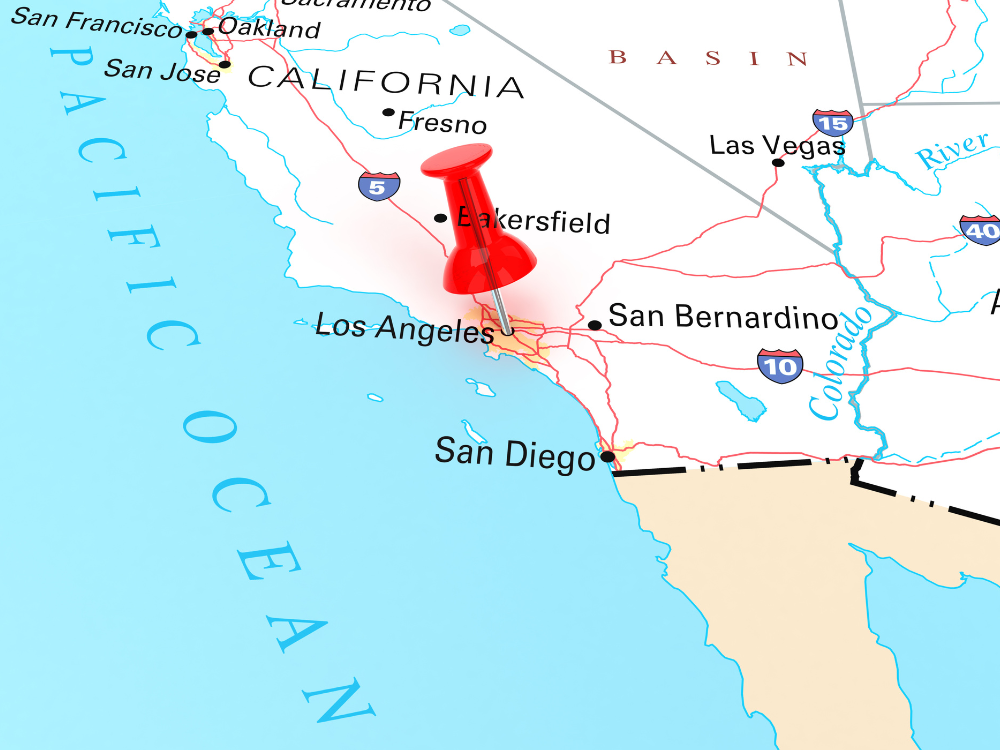
Embarking on a journey through Southern California is a quintessential American experience, often defined by the sun-drenched corridor between two of the most iconic cities in the United States. When travelers ask, “How far is Los Angeles from San Diego?” the answer is rarely a simple number. While the physical distance spans approximately 120 miles, the actual “length” of the trip depends entirely on your mode of transport, the time of day, and the coastal treasures you choose to explore along the way. This guide delves into the logistics, scenic routes, and travel nuances of traversing this famous stretch of California coastline.
Navigating the Road: Distance and Driving Logistics
For the vast majority of visitors, the journey between these two metropolises is conducted by car. The drive is a fundamental part of the California lifestyle, offering a transition from the sprawling urban tapestry of the City of Angels to the laid-back, surf-centric atmosphere of San Diego.
The Primary Arteries: Interstate 5 and Beyond
The most direct route connecting Los Angeles to San Diego is Interstate 5. Under ideal conditions—which usually means the early hours of the morning or late at night—the drive takes about two to two and a half hours. However, Southern California is world-renowned for its traffic. During peak weekday commute hours or holiday weekends, this 120-mile stretch can easily become a four-hour endeavor.
Drivers typically begin their journey in Downtown Los Angeles, passing through the industrial hubs of Commerce and Santa Fe Springs before hitting the expansive suburbs of Orange County. As you move south, the urban density begins to give way to glimpses of the Pacific Ocean near Dana Point.
The Scenic Route: Pacific Coast Highway
For those who prioritize the journey over the destination, the Pacific Coast Highway—often referred to as Highway 1—is the ultimate alternative. While it does not run continuously as a highway between the two cities (merging with local streets and Interstate 5 at various points), following the coastal roads provides an unparalleled travel experience.
Taking the coastal route allows travelers to see the legendary surf breaks of Huntington Beach and the high-end boutiques of Newport Beach. While this route can double your travel time, the sight of the sun setting over the Pacific Ocean while driving through Laguna Beach is a memory that far outweighs any time saved on the freeway.
Coastal Gems: Must-Visit Stops Along the Way
The beauty of the distance between Los Angeles and San Diego lies in the diverse towns and attractions that populate the gap. Instead of a non-stop sprint, many travelers turn this journey into a full-day excursion or a multi-day road trip.
The Charm of Orange County
Roughly midway through the trip, Orange County offers a plethora of distractions. Anaheim is perhaps the most famous stop, home to Disneyland Resort and Disney California Adventure Park. Even if you aren’t spending a full day at the parks, the nearby Downtown Disney District offers a quick bite and a dose of magic.
Further south, San Juan Capistrano provides a historical reprieve. The Mission San Juan Capistrano, known as the “Jewel of the Missions,” features stunning gardens and 18th-century architecture that stands in stark contrast to the modern glass towers of Los Angeles.
North County San Diego’s Beach Towns
As you cross the county line into San Diego County, the atmosphere shifts. The town of Oceanside greets you with its historic Oceanside Pier. Following the coast further, you encounter Carlsbad, home to Legoland California and the vibrant Flower Fields at Carlsbad Ranch (seasonal).
Continuing south, the coastal enclaves of Encinitas, Solana Beach, and Del Mar offer a more sophisticated beach experience. Del Mar is particularly famous for the Del Mar Fairgrounds and its historic horse racing track. Finally, before reaching the heart of the city, one must pass through La Jolla. Known as the “Jewel” of San Diego, La Jolla Cove is a mandatory stop for viewing sea lions and tide pools.
Alternative Transportation: Trains, Buses, and Planes
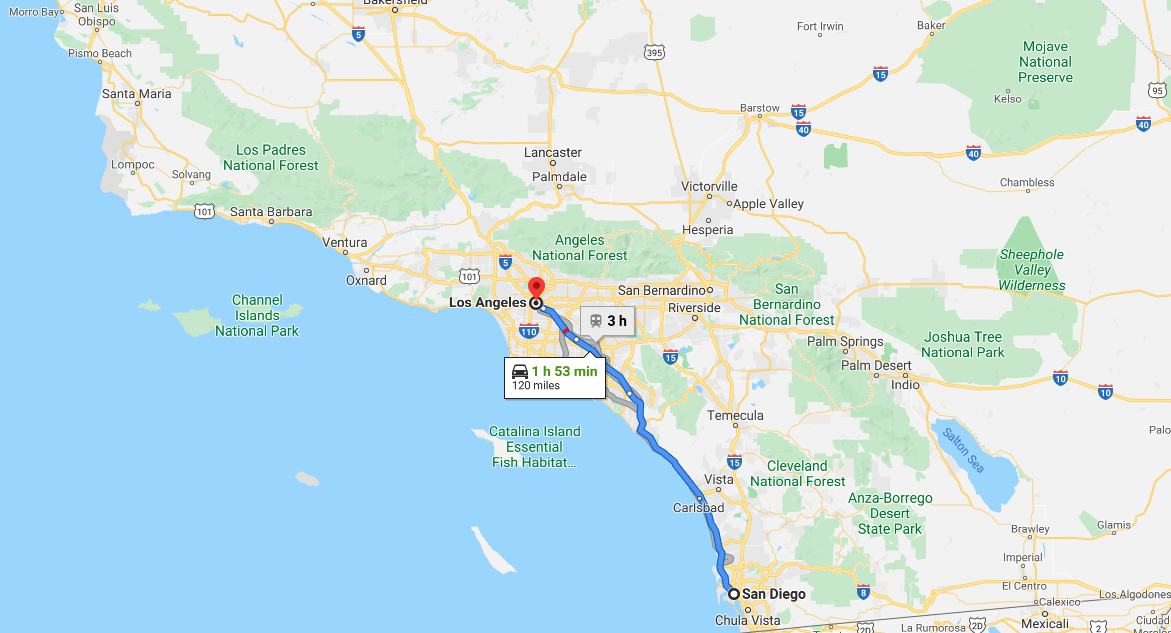
Not everyone chooses to get behind the wheel. Given the notorious traffic of Southern California, alternative transit methods have gained significant popularity among both tourists and locals.
The Amtrak Pacific Surfliner Experience
One of the most scenic train rides in the United States is the Amtrak Pacific Surfliner. Connecting Union Station in Los Angeles to the Santa Fe Depot in San Diego, this rail service offers a stress-free way to cover the distance.
The tracks often run directly along the bluffs, providing views of the ocean that are inaccessible by car. Specifically, the stretch through San Clemente places passengers just feet away from the sand. With onboard Wi-Fi, a café car featuring California wines, and spacious seating, it is a professional and relaxing way to travel. The journey typically takes about 2 hours and 45 minutes, making it competitive with driving times during heavy traffic.
Bus Services and Commuter Flights
For budget-conscious travelers, bus lines like FlixBus and Greyhound offer frequent service between the two cities. These coaches often depart from various hubs, including University of California Los Angeles (UCLA) or Old Town San Diego.
While flying between Los Angeles International Airport (LAX) and San Diego International Airport (SAN) is possible, it is rarely the most efficient choice. When you factor in security wait times, boarding, and the 50-minute flight time, the total duration often exceeds the time it takes to drive or take the train. However, for international travelers connecting through Los Angeles, this remains a viable option.
Destination Highlights: What Awaits at Each End
To understand the distance, one must understand the change in culture and environment. While only 120 miles apart, Los Angeles and San Diego offer distinct flavors of the California dream.
The Magnificence of Los Angeles
Los Angeles is a sprawling global hub of entertainment, art, and culinary innovation. Travelers arriving from the south are greeted by a skyline that symbolizes the heart of Hollywood. Key landmarks like the Griffith Observatory offer panoramic views of the Hollywood Sign and the vast basin below.
Cultural institutions such as the Getty Center and the Los Angeles County Museum of Art (LACMA) provide world-class experiences, while the beach vibe of Santa Monica and the Santa Monica Pier offers a more tourist-friendly seaside escape. Los Angeles is a city of “neighborhoods,” where the distance from Beverly Hills to Venice Beach can feel like traveling between different worlds.
The Coastal Bliss of San Diego
Conversely, San Diego is often described as “America’s Finest City” for its consistent weather and slightly slower pace of life. Upon arrival, the historic Gaslamp Quarter beckons with its Victorian-era buildings and modern nightlife.
Families often flock to Balboa Park, a 1,200-acre urban cultural park that houses the world-famous San Diego Zoo, numerous museums, and beautiful gardens. Water enthusiasts will find their paradise at Mission Bay or SeaWorld San Diego. Across the bay lies Coronado Island, home to the legendary Hotel del Coronado, offering a glimpse into the glamorous coastal history of the region.

Practical Tips for the Journey
To make the most of the distance between Los Angeles and San Diego, planning is essential. Whether you are a business traveler or a vacationer, these tips ensure a smooth transition between the two hubs.
- Timing is Everything: If driving, aim to leave Los Angeles after 10:00 AM or before 2:00 PM to avoid the worst of the afternoon rush. Conversely, leaving San Diego early in the morning can help you clear the Orange County bottlenecks before they solidify.
- Fuel and Charging: The route is well-serviced with gas stations and electric vehicle charging stations. Cities like San Clemente and Carlsbad are excellent places to stop for a recharge and a quick coffee.
- Weather Considerations: While Southern California is generally sunny, “May Gray” and “June Gloom” can bring thick coastal fog that impacts visibility on the Pacific Coast Highway. Always check the local forecast for the South Coast Air Quality Management District if you have respiratory sensitivities.
- Nature Reserves: If you have time, stop at Torrey Pines State Natural Reserve. Located on the northern edge of San Diego, it offers some of the most dramatic coastal hiking trails in California.
The 120-mile gap between Los Angeles and San Diego is more than just a distance; it is a gateway to the diverse landscapes and cultures that define the Golden State. Whether you are whisking through on the Amtrak Pacific Surfliner or taking a leisurely drive down Interstate 5, the journey offers a profound insight into the beauty of the United States West Coast.
LifeOutOfTheBox is a participant in the Amazon Services LLC Associates Program, an affiliate advertising program designed to provide a means for sites to earn advertising fees by advertising and linking to Amazon.com. Amazon, the Amazon logo, AmazonSupply, and the AmazonSupply logo are trademarks of Amazon.com, Inc. or its affiliates. As an Amazon Associate we earn affiliate commissions from qualifying purchases.