
Planning a trip to Florida often involves a difficult choice: the sun-kissed beaches and vibrant culture of Miami, or the magical theme parks and family-friendly attractions of Orlando? For many travelers, the ideal solution is to experience both. But before you can immerse yourself in two distinct Florida adventures, a crucial question arises: How far is Miami from Orlando?
The journey between these two iconic Florida cities is a well-trodden path, connecting the state’s entertainment capital with its major international gateway and cultural hub. Understanding the distance, travel time, and various transportation options is key to planning a seamless and enjoyable vacation. This comprehensive guide will not only detail the physical distance but also delve into the nuances of travel, tourism opportunities, accommodation choices, and lifestyle experiences that await you along the way and in each destination.
The Distance Between Florida’s Iconic Cities
At its core, the question of “how far” is a practical one, informing everything from packing decisions to budget allocation. While the exact mileage can vary slightly depending on your specific starting and end points within each city, a general consensus puts the distance at approximately 230 to 250 miles (370 to 400 kilometers).
Driving Distance and Time: Navigating the Sunshine State
For most visitors to Florida, driving is the preferred method of transport, offering flexibility and the chance to explore at your own pace. The primary route connecting Miami and Orlando is via Florida’s Turnpike. This toll road provides the most direct and generally fastest path, bypassing much of the urban congestion found on Interstate 95.
Under ideal conditions, with minimal traffic and good weather, the drive typically takes 3.5 to 4 hours. However, it’s crucial to factor in potential delays. Florida’s Turnpike can experience heavy traffic, especially during peak travel seasons, holidays, or on weekends. Morning and late afternoon commutes in and out of both Miami and Orlando can add significant time to your journey. Always check real-time traffic updates before you depart.
Alternative Routes and Scenic Detours
While Florida’s Turnpike is the most efficient, there are alternative routes worth considering for different reasons:
- Interstate 95: Running along the Atlantic coast, I-95 offers a slightly longer but potentially more scenic option, depending on your desire for coastal views. This route adds approximately 30-60 minutes to the travel time, as it passes through major cities like Fort Lauderdale and West Palm Beach. While it avoids the tolls of the Turnpike, it often encounters more frequent traffic congestion, especially in urban areas.
- Florida State Road 528 (The Beachline Expressway): If you’re coming from the coast, perhaps from Port Canaveral or areas east of Orlando, the Beachline Expressway can be an efficient way to connect to I-95 or Florida’s Turnpike. This road is often used by those traveling to or from the Kennedy Space Center Visitor Complex.
Choosing your route isn’t just about speed; it’s about the experience. Driving allows for spontaneous stops, perhaps for a quick meal, a stretch at a roadside park, or even a brief detour to a lesser-known Florida attraction.
Traveling Between Miami and Orlando: Your Transport Options
Beyond self-driving, several convenient transportation methods bridge the gap between Miami and Orlando, each with its own benefits regarding cost, comfort, and speed.
By Car: The Most Popular Choice
As discussed, driving offers unparalleled flexibility. Rental cars are widely available at both Miami International Airport (MIA) and Orlando International Airport (MCO), as well as downtown locations. This is often the best option for families, those carrying significant luggage, or travelers who plan to explore areas outside the main city centers, such as nearby beaches or natural landmarks like Everglades National Park from Miami or Kennedy Space Center Visitor Complex from Orlando. Remember to factor in rental costs, fuel, and tolls when budgeting for this option.
Bus Travel: Budget-Friendly and Convenient
For budget-conscious travelers or those who prefer not to drive, bus services offer a practical solution. Companies like Greyhound, FlixBus, and RedCoach operate multiple daily routes between Miami and Orlando.
- Journey Time: Bus journeys typically range from 4 to 6 hours, depending on the number of stops and traffic conditions.
- Cost: Fares are generally affordable, especially if booked in advance, making it an excellent option for students or backpackers.
- Comfort: Many modern buses offer amenities such as Wi-Fi, power outlets, and reclining seats, enhancing the travel experience.
Bus terminals are usually centrally located or easily accessible via public transport, providing convenient access to your chosen accommodation upon arrival.
Train Journeys: A Relaxing Alternative with Brightline and Amtrak
Train travel is increasingly gaining popularity, offering a more relaxed and scenic way to traverse the state.
- Brightline: This intercity passenger rail service offers high-speed connections that commenced service between Orlando and Miami in late 2023. Brightline boasts modern trains, comfortable seating, and amenities like Wi-Fi and food service. The journey from Miami’s downtown station to Orlando International Airport typically takes around 3 hours to 3 hours 30 minutes, making it competitive with driving times, especially when factoring in potential traffic. It’s an excellent choice for business travelers or anyone seeking a premium, efficient, and stress-free journey.
- Amtrak: Amtrak also operates routes between these cities, albeit typically with longer travel times (around 5-6 hours or more) due to a more extensive route and more frequent stops. Amtrak offers a classic rail journey experience, with options for various seating classes and amenities.
Train stations are usually conveniently located, and the ability to avoid driving and enjoy the passing landscapes makes it a unique travel experience.
Flying: Quickest But Not Always Simplest
While the flight time between Miami International Airport (MIA) and Orlando International Airport (MCO) is a mere 1 hour, flying isn’t always the quickest overall option when you consider the entire process.
- Total Travel Time: Factor in travel to and from airports, security checks, boarding, and baggage claim. This can easily add up to 3-5 hours door-to-door, making it comparable to driving or high-speed rail.
- Cost: Airfares can vary significantly. While low-cost carriers might offer competitive prices, these often exclude baggage fees and other extras.
- Convenience: For those who prioritize speed and wish to avoid ground travel, flying remains a viable option, especially if you can find direct flights that align well with your schedule. Fort Lauderdale-Hollywood International Airport (FLL) is also an alternative hub for flights to Orlando Sanford International Airport (SFB) or MCO.
When comparing options, remember to weigh not just the direct travel time but also the time spent getting to and from terminals, waiting, and the overall cost including incidentals.
What to Expect: Attractions and Experiences in Each City
The journey from Miami to Orlando isn’t just about covering distance; it’s about transitioning between two distinct worlds of Florida tourism.
Miami: A Vibrant Hub of Culture, Beaches, and Nightlife
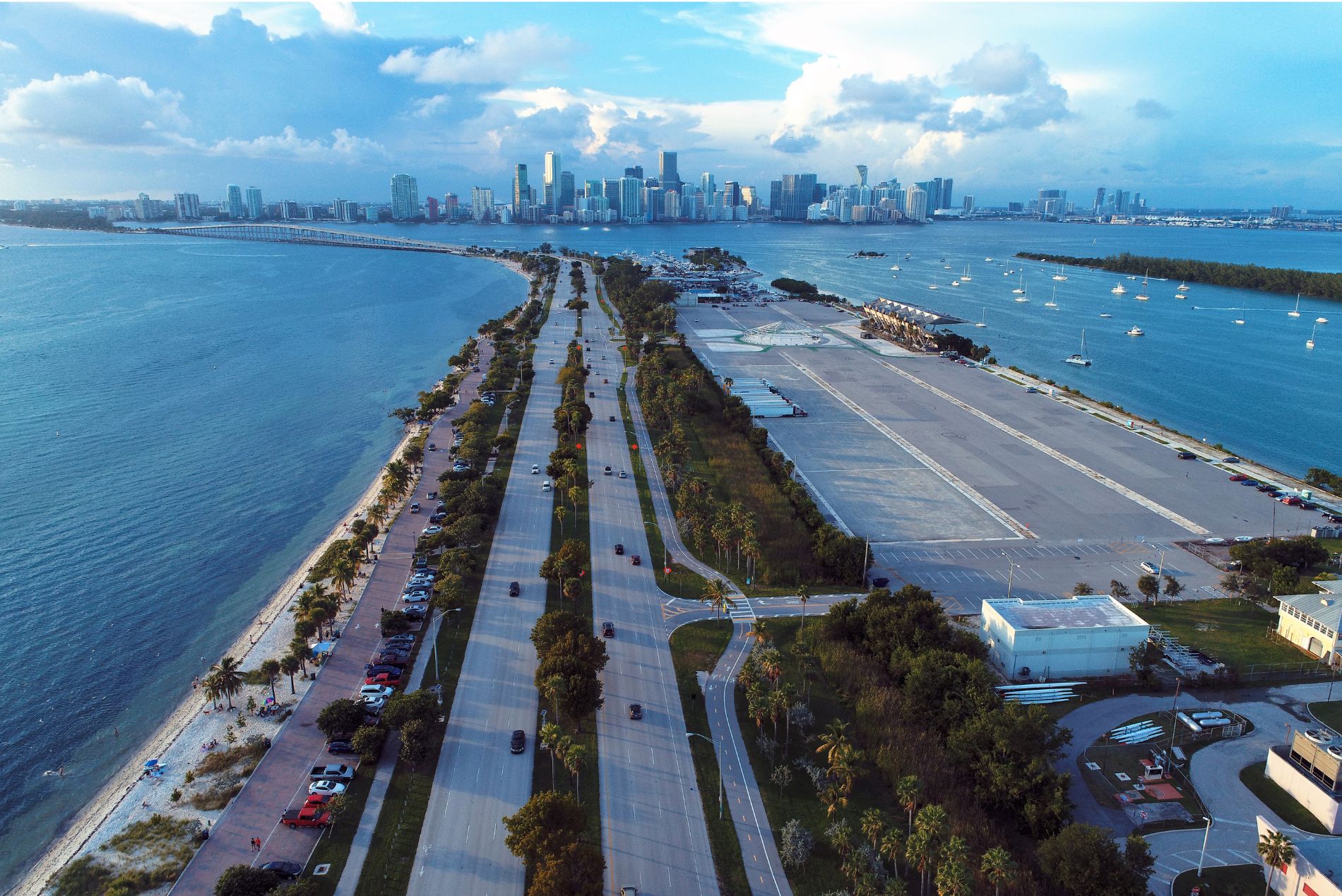
Miami is a city that pulses with energy, defined by its stunning beaches, vibrant Art Deco Historic District, rich Latin American influences, and glamorous nightlife. It’s a destination that caters to a diverse range of lifestyles, from luxury travelers to those seeking budget-friendly cultural immersion.
- Iconic Landmarks and Attractions:
- South Beach: Famous for its white sands, turquoise waters, and vibrant atmosphere, it’s perfect for sunbathing, people-watching, and enjoying beachfront dining.
- Art Deco Historic District: Explore the pastel-colored buildings and unique architecture that define Ocean Drive.
- Little Havana: Immerse yourself in Cuban culture, enjoy authentic cuisine, listen to live music, and watch cigar rollers at work.
- Wynwood Walls: A sprawling outdoor street art museum featuring colorful murals from renowned artists worldwide.
- Bayside Marketplace: A lively waterfront area with shops, restaurants, and boat tours.
- Tourism and Local Culture: Miami offers a melting pot of cultures, influencing its food, music, and art scenes. Local culture tours, culinary experiences, and dance clubs are abundant. Major events like Miami Music Week or the South Beach Wine & Food Festival draw international crowds.
- Lifestyle and Experiences: From luxury travel on superyachts and high-end shopping in Bal Harbour to vibrant budget travel options in hostel-rich areas, Miami caters to all. It’s also a major cruise departure point from PortMiami, making it a popular pre- or post-cruise stop.
Orlando: The Theme Park Capital of the World
Orlando is globally renowned for its unparalleled collection of theme parks, making it the ultimate family trip destination and a haven for thrill-seekers.
- Iconic Theme Parks and Attractions:
- Walt Disney World Resort: Home to Magic Kingdom, Epcot, Hollywood Studios, and Animal Kingdom, plus water parks and entertainment districts.
- Universal Orlando Resort: Features Universal Studios Florida, Islands of Adventure (including The Wizarding World of Harry Potter), and the Volcano Bay water park.
- SeaWorld Orlando: Offers marine life shows, aquariums, and thrilling roller coasters.
- LEGOLAND Florida Resort: Located slightly south in Winter Haven, this park is perfect for families with younger children.
- Beyond the Parks: While theme parks dominate, Orlando also offers a range of other attractions, from outdoor experiences like airboat tours in the Everglades to dinner shows, shopping outlets, and vibrant downtown areas. Kissimmee, a neighboring city, also offers a plethora of attractions and accommodation options.
- Tourism and Local Culture: Orlando’s tourism industry is highly developed, with extensive guides and tips for maximizing your park visits. The local culture often revolves around family entertainment and hospitality.
Accommodation and Lifestyle: Where to Stay and How to Experience Florida
Both Miami and Orlando boast an extensive array of accommodation options, catering to every preference and budget, reinforcing the lifestyle diversity of Florida.
Hotels and Resorts in Miami: From Luxury to Boutique
Miami’s hotel scene is as diverse as its culture.
- Luxury Travel: For those seeking opulence, Miami Beach offers world-class resorts like the Fontainebleau Miami Beach, W South Beach, and Mandarin Oriental Miami in Brickell, featuring designer suites, infinity pools, and exquisite dining.
- Boutique Hotels: The Art Deco Historic District is home to charming boutique hotels that capture the area’s historic elegance.
- Apartments and Villas: Options for longer stays or larger groups include apartment rentals and private villas, particularly popular in areas like South Beach and Coconut Grove.
- Budget Travel: While Miami can be pricey, more affordable hotels and hostels are available, especially outside the immediate beachfront areas.
When considering accommodation, explore reviews and comparison sites. Booking in advance, especially during peak seasons or major events, is always recommended.
Orlando Accommodation: Catering to Families and Theme Park Enthusiasts
Orlando’s hotels and resorts are designed with the theme park visitor in mind, offering a spectrum from extravagant resorts with extensive amenities to comfortable, budget travel friendly options.
- On-Site Resorts: Staying at Walt Disney World Resort or Universal Orlando Resort hotels offers perks like early park access, free transportation, and themed rooms. Examples include the Four Seasons Resort Orlando at Walt Disney World, the Waldorf Astoria Orlando, the Ritz-Carlton Orlando, and Loews Portofino Bay Hotel at Universal.
- Off-Site Hotels and Suites: Numerous hotels, from luxury brands like the Hyatt Regency Grand Cypress to extended-stay suites and economy options, are located along International Drive and in Kissimmee, often with shuttle services to the parks.
- Vacation Villas and Apartments: For family trips or larger groups, renting a private vacation home or condo is a popular choice, offering kitchens, multiple bedrooms, and often private pools, particularly advantageous for long-term stays.
Lifestyle Considerations: Luxury, Budget, Family, and Business Travel
The journey between Miami and Orlando and the subsequent stay in each city can be tailored to various lifestyles.
- Luxury Travel: Opt for first-class train tickets, a luxury car rental, and stays in 5-star resorts with exclusive amenities. Miami offers upscale dining and yachting experiences, while Orlando boasts VIP park tours and gourmet dining within its most prestigious resorts.
- Budget Travel: Bus travel, staying in hostels or economy hotels, and utilizing free attractions like beaches in Miami or enjoying park parades in Orlando can make the trip affordable. Cooking some meals in apartment-style accommodation also helps.
- Family Trips: Driving is often preferred for the space and flexibility with kids. Orlando is unparalleled for family trips, while Miami offers family-friendly beaches and museums. Vacation rentals in Orlando can be particularly cost-effective and convenient for families.
- Business Stays: High-speed rail (Brightline) is ideal for efficiency. Both cities have extensive convention centers and business-focused hotels offering conference facilities, high-speed internet, and executive suites.
Planning Your Journey: Essential Tips for a Seamless Trip
To ensure your journey between Miami and Orlando is as smooth as possible, consider these essential tips:
Best Time to Travel
Florida’s peak tourist season is typically from late fall to early spring (November to April), when the weather is cooler and drier. Summer months bring heat, humidity, and the rainy season, which can include afternoon thunderstorms, but also lower crowds at some attractions. Consider traveling during shoulder seasons (late April/May or September/October) for a balance of good weather and fewer crowds.
Booking in Advance
Regardless of your chosen mode of transport or accommodation, booking well in advance is always advisable, especially if your travel dates coincide with holidays, school breaks, or major events in either city. This secures better rates and availability.
Combining Experiences
Many visitors combine a vibrant urban and beach experience in Miami with a theme park adventure in Orlando. Consider starting your trip in one city and ending in the other, making the most of Florida’s diverse offerings. For example, you could fly into Miami, spend a few days exploring, then take the Brightline to Orlando for your theme park visit, and fly out of Orlando International Airport.
In conclusion, the distance between Miami and Orlando is manageable, making a combined trip to these fantastic Florida destinations not only possible but highly recommended. With careful planning and consideration of your preferred travel style, you can effortlessly transition from the dazzling beaches and cultural rhythms of Miami to the exhilarating world of Orlando’s theme parks, creating an unforgettable Florida experience.
LifeOutOfTheBox is a participant in the Amazon Services LLC Associates Program, an affiliate advertising program designed to provide a means for sites to earn advertising fees by advertising and linking to Amazon.com. Amazon, the Amazon logo, AmazonSupply, and the AmazonSupply logo are trademarks of Amazon.com, Inc. or its affiliates. As an Amazon Associate we earn affiliate commissions from qualifying purchases.