
Navigating the vibrant corridor of South Florida is a common requirement for both international visitors and local residents. Stretching along the Atlantic coastline, the journey between Miami and Fort Lauderdale represents one of the most heavily traveled routes in the United States. Understanding the distance, transit options, and typical travel times is essential for anyone looking to maximize their time in the “Sunshine State.”
Understanding the Physical Distance and Geography
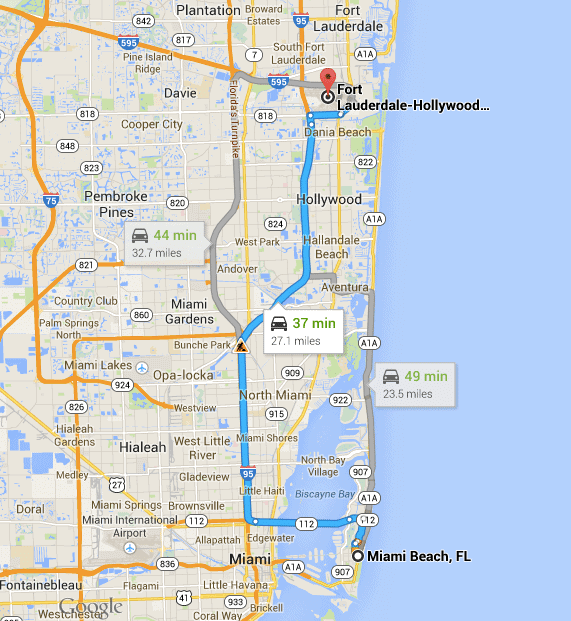
The distance between Miami and Fort Lauderdale is relatively short, typically spanning between 25 and 35 miles depending on your specific point of origin and destination. While the geographic proximity suggests a quick trip, the reality of South Florida traffic can significantly alter the experience.
The Linear Path
In a direct line, these two major hubs are quite close. However, because most travel occurs via the highway systems that connect the metropolitan sprawl, the road distance is the more practical metric. Whether you are starting from South Beach or Downtown Miami, your route will likely take you north along Interstate 95 or the Florida Turnpike.
Traffic Dynamics
The Miami-Fort Lauderdale corridor is notorious for congestion. During morning and evening rush hours, the time required to cover these thirty miles can easily double or triple. What might take 35 minutes on a clear Tuesday morning at 10:00 AM could stretch to an hour and a half during the peak gridlock of 5:30 PM. For travelers planning their itinerary, checking real-time traffic updates is not merely a suggestion; it is a necessity for maintaining a stress-free schedule.
Modes of Transportation: Choosing Your Path
Depending on your comfort level, budget, and access to a vehicle, there are several ways to bridge the gap between these two iconic cities.
Driving and Car Rentals
For most, renting a car is the most convenient option. It provides the autonomy to explore hidden gems along Broward County or stop in Hollywood for a quick bite. Parking in Miami can be expensive, but having a vehicle ensures you aren’t tied to public transit schedules. When driving, you have two primary choices: the free highway (Interstate 95) or the toll road (Florida Turnpike). The Florida Turnpike is often less congested, though it requires a SunPass or toll-by-plate billing, which is something visitors should prepare for in advance.
Rail and Public Transit
For those who prefer to avoid the stress of driving, the rail network has become significantly more efficient in recent years. The Brightline train offers a premium, high-speed experience that connects Downtown Miami to Fort Lauderdale in approximately 30 minutes. It is clean, comfortable, and provides a scenic view of the urban landscape without the frustration of highway brake lights. Additionally, the Tri-Rail system serves as a cost-effective commuter option, connecting the regions with a more traditional train experience.

Ridesharing and Private Transfers
Services like Uber and Lyft are ubiquitous in South Florida. If you are traveling as a group, splitting a ride can be competitively priced compared to a rental car, especially when considering the high daily rates for parking at luxury resorts. Private transfers are also a popular choice for those arriving at Miami International Airport who need direct, door-to-door service to a hotel in Fort Lauderdale.
Optimizing Your Travel Strategy
To make the most of your time between these two destinations, consider the purpose of your trip. Whether you are a business traveler or a tourist looking for leisure, your choice of transit and timing can define your day.
Best Times to Travel
If your itinerary is flexible, aim to travel between 10:00 AM and 3:00 PM, or after 8:00 PM. Avoiding the “rush hour” windows of 7:00–9:30 AM and 4:00–7:00 PM is the single most effective way to ensure a predictable travel time. Fridays, particularly during the late afternoon, often see an influx of travelers heading north toward Palm Beach, which can create significant backups on the main arteries.
Sightseeing Along the Way
The stretch between Miami and Fort Lauderdale isn’t just a commute; it passes through several distinct communities. If you have the luxury of time, take the slower A1A route instead of the highway. This coastal road allows you to see the Atlantic Ocean and pass through charming beach towns like Sunny Isles Beach and Hallandale Beach. While it will add time to your journey, the visual reward of the coastal drive is a quintessential Florida experience.
Navigating Airports and Transfers
Many visitors often find themselves needing to transfer between the two major aviation hubs of the region: Miami International Airport and Fort Lauderdale-Hollywood International Airport.
Choosing the Right Hub
Travelers often compare flight prices between the two airports. Because they are roughly 30 miles apart, it is often viable to fly into one and out of the other. However, if you are relying on public transportation, ensure you map out the connection from your arrival terminal to your final destination. For instance, the Tri-Rail station is conveniently located at Fort Lauderdale-Hollywood International Airport, making the transit to Miami quite seamless for the budget-conscious traveler.
Logistics for Cruise Passengers
Fort Lauderdale is home to Port Everglades, one of the busiest cruise ports in the world. Many travelers fly into Miami for lower airfares but need to reach a cruise ship departing from Fort Lauderdale. If you fall into this category, always plan to arrive at least three to four hours before your scheduled departure time to account for potential traffic accidents or unexpected highway closures. Many cruise lines offer shuttle services, which, while sometimes expensive, offer the peace of mind that you will not be left behind if the bus gets stuck in traffic.
Ultimately, the distance between these two cities is negligible, but the experience is defined by how you choose to traverse that space. By planning for traffic, choosing the right mode of transit, and embracing the scenic beauty of the Florida coast, you can turn a simple trip between Miami and Fort Lauderdale into a stress-free and enjoyable part of your travel adventure. Whether you choose the efficiency of Brightline or the freedom of the open road, both cities offer distinct experiences that are well worth the effort to explore.
LifeOutOfTheBox is a participant in the Amazon Services LLC Associates Program, an affiliate advertising program designed to provide a means for sites to earn advertising fees by advertising and linking to Amazon.com. Amazon, the Amazon logo, AmazonSupply, and the AmazonSupply logo are trademarks of Amazon.com, Inc. or its affiliates. As an Amazon Associate we earn affiliate commissions from qualifying purchases.