
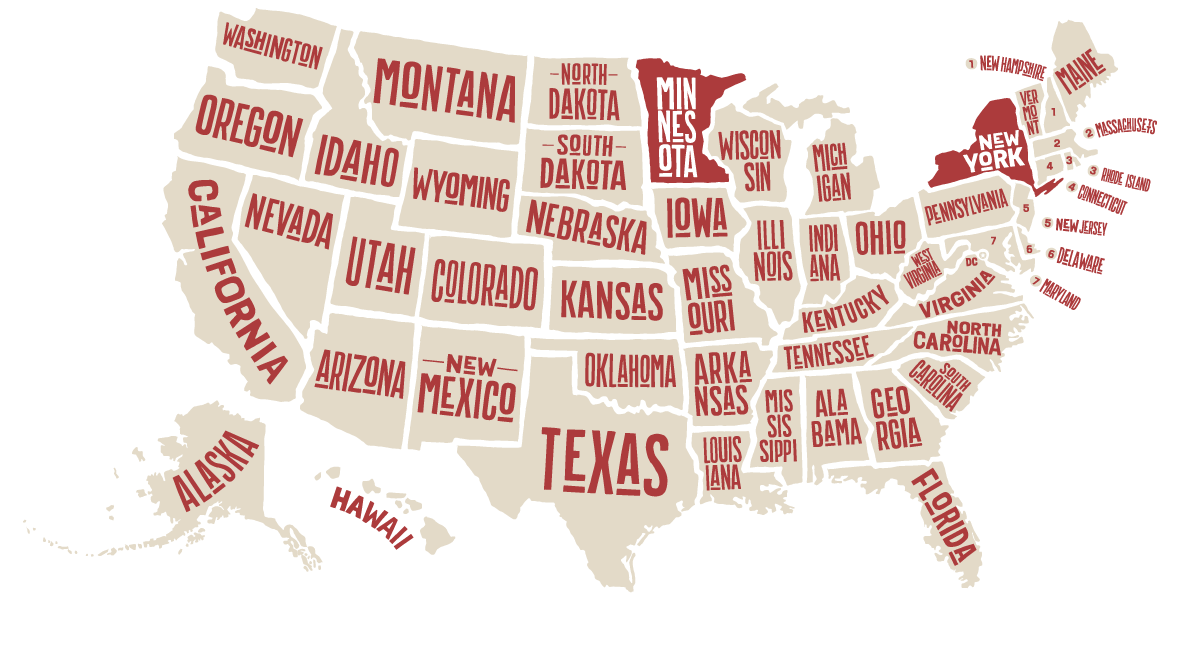
The continental United States stretches across vast distances, and the journey from the heart of the Midwest to the bustling East Coast is a significant one. When considering a trip from Minnesota to New York, the question of “how far” is multifaceted. It’s not merely about mileage on a map, but also about the time it takes, the modes of transport available, and the experiences one might encounter along the way. This extensive cross-country trek offers a fantastic opportunity to explore diverse landscapes, vibrant cities, and unique cultural pockets, transforming a simple question of distance into a gateway for adventure.
Understanding the Geographical Divide
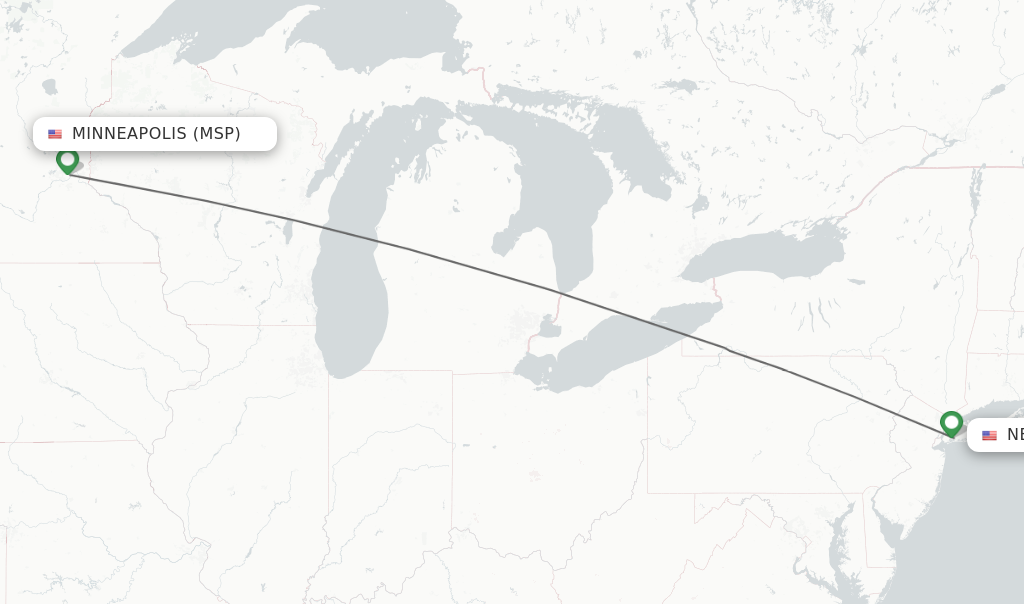
At its core, the distance between Minnesota and New York is a matter of miles, but these miles traverse a significant portion of the American continent. To provide a clear picture, let’s break down the approximate distances between the major hubs of each state.
Driving Distances: A Scenic Odyssey
The most common way many people conceptualize this distance is by driving. While the exact route can vary, the typical driving distance between Minneapolis, Minnesota, and New York City, New York, is approximately 1,200 to 1,300 miles. This translates to a substantial commitment of time.
The Road Trip Experience
A direct, uninterrupted drive would take around 18 to 20 hours of pure driving time. However, for any sensible road trip, this is unrealistic and misses the point of such an extensive journey. A more enjoyable and practical approach involves breaking the drive into segments, typically over two to four days, depending on the traveler’s pace and desired stops.
This allows for overnight stays in interesting cities or towns, providing opportunities to experience different facets of American culture and cuisine. For instance, a popular route might take travelers through states like Wisconsin, Illinois, Indiana, Ohio, and Pennsylvania before reaching New York.
Along the way, potential attractions and landmarks beckon. In Illinois, one could detour to explore the vibrant city of Chicago, with its iconic architecture like the Willis Tower and its world-class museums. Further east, in Ohio, the Rock and Roll Hall of Fame in Cleveland offers a dose of musical history. Pennsylvania presents historical riches in Philadelphia, home to Independence Hall and the Liberty Bell, or the scenic beauty of the Pocono Mountains.
Fueling Your Journey: Costs and Considerations
Planning a road trip also involves budgeting for fuel, accommodations, and food. The cost of gasoline will fluctuate based on current prices and the fuel efficiency of the vehicle. Hotel stays can range from budget-friendly motels to more upscale accommodations, depending on the traveler’s preference for lifestyle travel. Experiencing local diners and restaurants adds another layer of adventure and expense.
Air Travel: The Speediest Option
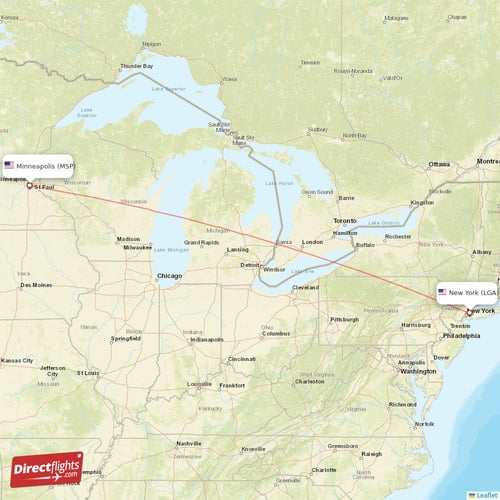
For those prioritizing time, air travel is the clear winner for traversing the distance between Minnesota and New York. The flight duration from Minneapolis-Saint Paul International Airport (MSP) to any of the major New York area airports, such as John F. Kennedy International Airport (JFK), LaGuardia Airport (LGA), or Newark Liberty International Airport (EWR), is typically around 2.5 to 3 hours of actual flight time.
Navigating Airport Logistics
While the flight itself is quick, it’s crucial to factor in the entire airport experience. This includes travel time to and from the airports, check-in procedures, security screening, and potential flight delays. Therefore, a day-of travel from Minnesota to New York by air typically requires at least 6 to 8 hours from leaving your initial location to arriving at your final destination.
Choosing Your Air Carrier and Flight Times
Numerous airlines offer direct and connecting flights between these two major hubs. Booking in advance can often secure better prices, especially for those looking for budget travel options. The choice of flight time can also impact the overall experience, with early morning flights often being less crowded and potentially more efficient. Considering factors like the accommodation you’ve booked in New York can also influence the best arrival airport and time.
Train Travel: A Classic Cross-Country Journey
For a more leisurely and scenic approach, train travel offers a unique perspective on the vastness of the United States. While not as fast as flying, it provides a comfortable way to watch the landscape change and experience the rhythm of the country. The Amtrak route from Minneapolis to New York is a significant undertaking, often requiring at least one transfer and taking approximately 24 to 30 hours of travel time, sometimes longer depending on the specific route and connections.
The Amtrak Experience
Traveling by train allows passengers to relax, enjoy the scenery, and avoid the stresses of airport security and driving. Amtrak offers various seating options, from coach seats to private sleeper cars, catering to different lifestyle preferences and budgets. Dining cars provide meals, adding to the classic travel experience.
Scenic Routes and Potential Stops
The journey on Amtrak can be a destination in itself, showcasing a different side of America than what is seen from the highway or the sky. While direct routes might be limited, potential transfer points in cities like Chicago could offer brief opportunities to stretch your legs or even grab a quick meal. The experience is less about speed and more about the journey, the conversations with fellow travelers, and the evolving landmarks that appear outside your window.
Experiencing the Journey: From Midwest Plains to East Coast Energy
The distance between Minnesota and New York is more than just mileage; it’s a transition between two vastly different cultural and geographical regions of the United States. Understanding this transition can enrich the travel experience, whether by road, air, or rail.
The Landscape Transformation
As one travels east from Minnesota, the flat, expansive plains gradually give way to rolling hills and eventually the more mountainous terrain as you approach the East Coast. The agricultural heartland of the Midwest, characterized by vast fields of corn and soybeans, slowly transitions into the more industrialized and densely populated corridors of the Eastern Seaboard.
Midwest Charm: Lakes, Forests, and Fields
Minnesota itself is known as the “Land of 10,000 Lakes,” offering pristine natural beauty, dense forests, and a strong connection to the outdoors. Traveling east, one might pass through Wisconsin, famous for its dairy farms and scenic Great Lakes coastline, or Illinois, dominated by its agricultural productivity and the impressive urban landscape of Chicago.
East Coast Vibrancy: Urban Sprawl and Historic Sites
By the time you reach New York, the environment shifts dramatically. The iconic skyline of New York City represents the pinnacle of urban density and a global hub of commerce, culture, and finance. The surrounding areas of New York state also offer a diverse range of experiences, from the vineyards of the Finger Lakes region to the historic sites and natural beauty of the Adirondack Mountains.
Cultural Contrasts: From Midwestern Hospitality to New York Grit
The cultural tapestry of Minnesota and New York presents a fascinating study in contrasts. While both are part of the American fabric, their distinct histories, demographics, and ways of life create unique travel experiences.
Midwestern Values and Activities
Minnesota is often associated with a friendly, down-to-earth demeanor, a strong sense of community, and a deep appreciation for outdoor recreation, from ice fishing in the winter to boating on the lakes in the summer. The tourism industry here often highlights these natural attractions and the local culture. The food scene, while evolving, often features hearty, comforting dishes with influences from Scandinavian and German heritage.
New York’s Dynamic Lifestyle and Attractions
New York, particularly New York City, pulses with a different kind of energy. It’s a melting pot of cultures, a global center for arts, fashion, and finance, and a city that never sleeps. The attractions are world-renowned, from the historic Statue of Liberty and Ellis Island to the cultural institutions of Museum Mile and the theatrical wonders of Broadway. The food scene is incredibly diverse, reflecting the city’s multicultural population, offering everything from street food to Michelin-starred dining.
Accommodation Options to Suit Every Traveler
Whether you’re seeking a luxurious suite in a Manhattan hotel, a cozy apartment for a longer stay, or a family-friendly resort, New York offers an unparalleled range of accommodation options. This contrasts with the perhaps more nature-focused or classic hotel experiences often found in Minnesota. From boutique hotels in Brooklyn to grand establishments in Midtown, the choice is vast. Booking platforms provide ample opportunities for comparison and finding the perfect place to rest after exploring the city’s endless attractions.
Planning Your Cross-Country Adventure
The question of “how far” is best answered by understanding the various ways to bridge the geographical gap and what each method entails. Whether you’re drawn to the open road for an epic travel experience, the speed and efficiency of air travel, or the romantic notion of a train journey, the trip from Minnesota to New York is a substantial adventure that offers a profound appreciation for the scale and diversity of the United States.
Essential Travel Tips for the Long Haul
Regardless of your chosen mode of transport, careful planning is key to a successful journey.
- Book in Advance: For flights, trains, and popular hotels or resorts, booking several weeks or months in advance can lead to significant savings and ensure availability, especially during peak travel seasons.
- Pack Appropriately: The climate can vary considerably between Minnesota and New York, and even along the route. Layering is often the best strategy.
- Stay Connected: Ensure you have a reliable way to navigate, communicate, and access information on the go. Mobile data plans or portable Wi-Fi devices can be invaluable.
- Embrace the Local: Whether it’s a roadside diner in Ohio or a Michelin-starred restaurant in New York City, take the opportunity to sample local food and immerse yourself in the local culture.
- Flexibility is Key: Especially for road trips, be prepared for unexpected delays or spontaneous detours. Sometimes the best experiences are unplanned.
The Rewards of the Journey
The distance between Minnesota and New York is considerable, but the rewards of traversing it are immense. It’s an opportunity to witness the changing American landscape, explore diverse cities and towns, and gain a deeper understanding of the nation’s geography and culture. From the serene lakes of the Midwest to the iconic skyscrapers of New York City, the journey itself becomes a significant part of the travel story. It transforms the simple question of “how far” into an invitation to discover the breadth and depth of the American experience.
LifeOutOfTheBox is a participant in the Amazon Services LLC Associates Program, an affiliate advertising program designed to provide a means for sites to earn advertising fees by advertising and linking to Amazon.com. Amazon, the Amazon logo, AmazonSupply, and the AmazonSupply logo are trademarks of Amazon.com, Inc. or its affiliates. As an Amazon Associate we earn affiliate commissions from qualifying purchases.