
The vast expanse of the United States stretches from the bustling metropolises of the East Coast to the sun-drenched shores of the West. For many, a quintessential American journey involves traversing this continent, often with the iconic cities of New York and Los Angeles as the starting and ending points, or vice versa. The question, “How far is New York to La?” is more than just a query about mileage; it’s an invitation to explore the incredible diversity of experiences that lie between these two cultural powerhouses. This distance represents a significant adventure, offering a spectrum of travel styles, accommodation options, and unforgettable explorations of American landmarks, local culture, and lifestyle.
Understanding the Distance and Travel Options
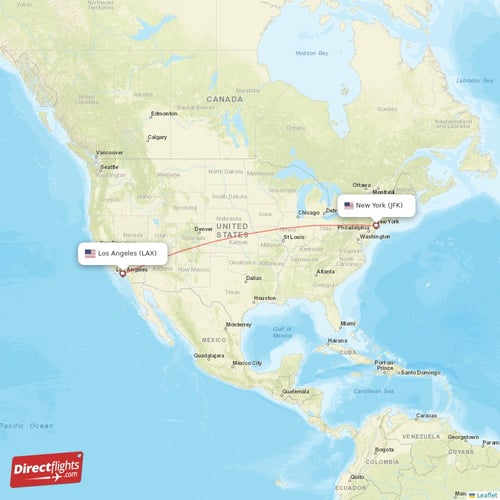
The geographical distance between New York City and Los Angeles is substantial, measuring approximately 2,800 miles (about 4,500 kilometers) as the crow flies. However, when considering actual travel, the routes and methods significantly influence the time and experience. The choice of transportation dictates not only the duration of the journey but also the opportunities for discovery along the way. Whether you opt for the speed of air travel, the scenic contemplation of a road trip, or the unique perspective of a train journey, each method offers a distinct way to cover the miles and engage with the heartland of America.
Air Travel: The Fastest Route to the Golden State
For those prioritizing efficiency and speed, flying remains the most practical and popular method for traveling between New York and Los Angeles. Numerous airlines operate daily flights connecting New York‘s major airports, such as John F. Kennedy International Airport (JFK), LaGuardia Airport (LGA), and Newark Liberty International Airport (EWR), with Los Angeles‘ primary gateway, Los Angeles International Airport (LAX).
The flight duration itself is typically around 5 to 6 hours, depending on wind conditions and the specific flight path. However, when factoring in travel to and from airports, security checks, boarding, and baggage claim, the total door-to-door travel time can extend to 8 to 10 hours. This option is ideal for business travelers, those with limited vacation time, or anyone who simply wants to reach their destination as quickly as possible.
While the aerial journey offers speed, it does mean bypassing the vast landscapes and diverse attractions that lie between the coasts. However, even a flight can offer glimpses of the country’s grandeur, with potential views of the Rocky Mountains or the sprawling plains unfolding below. For those seeking a more immersive experience, alternative travel methods come into play.
Road Trip: An Epic Cross-Country Adventure
The classic American road trip offers an unparalleled opportunity to experience the breadth and depth of the United States. Driving from New York to Los Angeles is not merely a transit; it’s an expedition filled with exploration, discovery, and the forging of lasting memories. The total driving distance can vary based on the chosen route, but it generally falls between 2,800 and 3,000 miles.
The time it takes to complete this journey depends entirely on the traveler’s pace and itinerary. A direct drive, pushing for maximum mileage each day with minimal stops, could potentially be completed in 4 to 5 days. However, to truly savor the experience, a road trip of 10 days to two weeks, or even longer, is highly recommended. This allows ample time to explore national parks, visit charming small towns, delve into historical sites, and experience the local flavors of different regions.
Key routes often include stretches of iconic highways like Interstate 80 (I-80), which traverses the northern half of the country, or the historic Route 66, offering a nostalgic journey through the heart of America. Each route presents unique attractions. Along I-80, one might encounter the awe-inspiring landscapes of Wyoming or the vibrant cities of the Midwest. A Route 66 adventure brings travelers face-to-face with classic Americana, including quirky roadside attractions, vintage diners, and a tangible connection to the past.
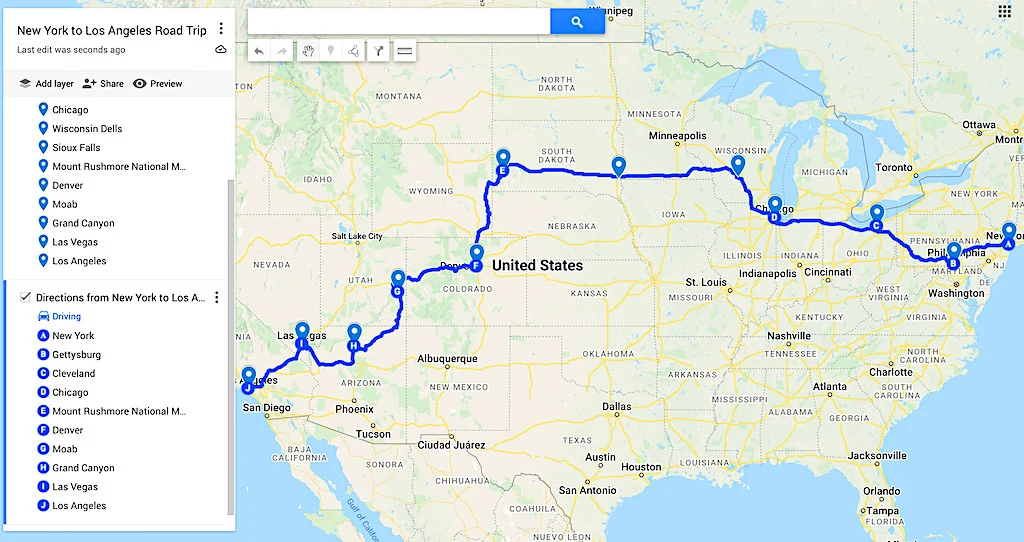
Accommodations during a road trip can range from budget-friendly motels and roadside inns to more comfortable hotels and unique Airbnb rentals. Planning stops in cities like Chicago, Denver, Las Vegas, or Grand Canyon National Park can transform the drive into a comprehensive tour of American diversity. The freedom of the open road allows for spontaneous detours and the discovery of hidden gems, making the journey as rewarding as the destination.
Rail Travel: A Relaxed and Scenic Perspective
For a more relaxed and contemplative way to travel across the country, the train offers a unique and often overlooked perspective. Amtrak, the national passenger railroad company, provides services that connect the East Coast to the West Coast, allowing travelers to witness the changing landscapes at a leisurely pace.
A typical cross-country train journey from New York to Los Angeles involves taking a train like the Lake Shore Limited from New York to Chicago, and then transferring to the Southwest Chief which travels through the American Southwest to Los Angeles. This route is renowned for its breathtaking scenery, passing through vast plains, dramatic canyons, and desert landscapes.
The total travel time by train is significantly longer than by air, usually taking around 3 to 4 days. While this may seem daunting to some, it allows for an immersive travel experience. Travelers can enjoy comfortable seating, the ability to walk around the train, dine in the dining car, and watch the country unfold outside their window. Sleeper cars are also available, providing private accommodations for a more restful journey.
Train travel offers a distinct advantage in terms of experiencing local culture and landmarks. The routes often pass through or stop in smaller towns and cities that might be missed by air travelers. It provides an opportunity to observe the rhythm of life in different parts of America and to appreciate the vastness of the country in a way that is difficult to achieve through other modes of transport. The journey becomes an integral part of the travel experience, rather than just a means to an end.
Exploring Destinations Along the Way
The immense distance between New York and Los Angeles presents a wealth of opportunities to explore a diverse array of destinations. Whether you’re embarking on a whirlwind road trip or a more leisurely train journey, there are countless landmarks, cities, and natural wonders waiting to be discovered.
Iconic Cities and Cultural Hubs
The path from New York to Los Angeles can be punctuated by stops in some of America‘s most vibrant and historically significant cities.
-
Chicago, Illinois: Often a pivotal point for train travel, Chicago is a magnificent city on the shores of Lake Michigan. Its architectural marvels, world-class museums like the Art Institute of Chicago, and renowned blues music scene make it a compelling stop. Visitors can stroll along Navy Pier, marvel at the views from the Willis Tower (formerly Sears Tower), and indulge in a famous deep-dish pizza.
-
Denver, Colorado: Situated at the foot of the Rocky Mountains, Denver offers a gateway to the stunning natural beauty of the West. Known as the “Mile High City,” it boasts a thriving arts scene, craft breweries, and easy access to outdoor adventures like hiking and skiing. The Denver Art Museum and the historic Larimer Square are popular attractions.
-
Las Vegas, Nevada: A stark contrast to the natural wonders, Las Vegas is synonymous with entertainment and nightlife. The iconic Las Vegas Strip is home to dazzling casinos, world-class shows, and extravagant hotels like The Bellagio and The Venetian. It’s a place to experience a unique brand of American excess and spectacle.
-
Phoenix, Arizona: This sprawling desert city offers a warm climate and a rich blend of Native American and Spanish influences. Attractions include the Desert Botanical Garden, showcasing the diverse flora of the Sonoran Desert, and Taliesin West, Frank Lloyd Wright‘s former desert home and architectural school.
Natural Wonders and National Parks
The natural landscapes encountered on a cross-country journey are as varied as they are spectacular.
-
Badlands National Park, South Dakota: If opting for a northern route, the surreal, eroded buttes and pinnacles of the Badlands offer a visually striking experience. The park is also a haven for wildlife, including bison and prairie dogs.
-
Rocky Mountain National Park, Colorado: This park is a testament to the grandeur of the Rocky Mountains, offering breathtaking vistas, alpine lakes, and opportunities for hiking and wildlife viewing. Trail Ridge Road, one of the highest continuous paved roads in North America, provides unparalleled panoramic views.
-
Grand Canyon National Park, Arizona: An absolute must-see for any cross-country traveler, the Grand Canyon is a geological marvel. Its immense scale and vibrant colors are awe-inspiring, and activities range from hiking along the rim to helicopter tours that offer a bird’s-eye perspective of this natural wonder.
-
Zion National Park, Utah: Known for its towering sandstone cliffs, narrow canyons, and emerald pools, Zion offers a different but equally stunning desert landscape. Hiking trails like Angels Landing and The Narrows provide unforgettable adventures.
-
Joshua Tree National Park, California: As you approach California, Joshua Tree presents an otherworldly landscape characterized by its unique desert trees, rock formations, and vast, starry skies. It’s a popular destination for hiking, rock climbing, and stargazing.
Lifestyle and Accommodation Choices
The journey from New York to Los Angeles is not just about the physical distance; it’s also about the lifestyle choices and accommodation preferences that shape the travel experience. From luxurious retreats to budget-friendly stays, there’s an option to suit every traveler.
Luxury Travel and Boutique Stays
For those seeking an elevated travel experience, the route between New York and Los Angeles offers numerous opportunities for luxury and indulgence. High-end hotels, world-class resorts, and exclusive boutique accommodations can be found in major cities and even in some more remote, scenic locations.
In New York City, iconic hotels like The Plaza and The St. Regis offer unparalleled elegance and service. As you travel west, cities like Chicago boast renowned establishments such as The Langham, Chicago, and Denver features sophisticated options like The Crawford Hotel located in the historic Union Station.
In California, before reaching Los Angeles, destinations like Palm Springs offer desert oases with luxurious resorts and stylish boutique hotels. Once in Los Angeles, the choices for luxury accommodation are endless, from beachfront resorts in Santa Monica to glamorous hotels in Beverly Hills. Many of these establishments offer exclusive amenities, fine dining, and personalized service, catering to the discerning traveler.
Budget Travel and Cozy Stays
For budget-conscious travelers, crossing the country from New York to Los Angeles can be an affordable adventure with careful planning. A plethora of budget-friendly accommodation options exist along the main travel routes.
Motels and roadside inns are a classic choice for road trippers, offering basic but comfortable lodging at reasonable prices. Many national chains provide reliable services and convenient locations. Hostels are also a great option for solo travelers or those looking to connect with other adventurers, providing dormitory-style rooms and communal spaces.
In smaller towns and cities, local guesthouses and bed and breakfasts can offer a more personal and charming experience without breaking the bank. Websites and apps dedicated to comparing accommodation prices can be invaluable for finding the best deals. By prioritizing less touristy areas and booking in advance, budget travelers can significantly reduce their accommodation costs while still enjoying a comfortable stay.

Family Trips and Long-Term Stays
Families planning a cross-country trip from New York to Los Angeles will find that the journey can be an educational and engaging experience for all ages. The key is to break down the long distance into manageable segments and incorporate activities that appeal to children and adults alike.
Choosing a road trip format often allows for more flexibility, enabling families to stop at attractions like amusement parks, children’s museums, and natural wonders that spark curiosity. Renting an RV can also be a fantastic option for families, providing a mobile home that allows for more comfort and convenience during extended travel.
For those considering a longer stay in Los Angeles or a stopover along the route, apartments and vacation rentals offer a more home-like environment. These accommodations are often equipped with kitchens, allowing families to save money on dining out and providing a more relaxed atmosphere. Many rental platforms offer filters for family-friendly amenities, such as cribs, high chairs, and play areas, ensuring a comfortable and enjoyable stay for everyone.
In conclusion, the question “How far is New York to La?” opens the door to a vast tapestry of travel possibilities. Whether you seek the speed of air travel, the freedom of the open road, or the serene passage of the rails, the journey itself is an adventure. By considering the diverse destinations, engaging with local culture, and choosing accommodations that align with your lifestyle and budget, the distance between these two iconic cities transforms into an unforgettable exploration of America.
LifeOutOfTheBox is a participant in the Amazon Services LLC Associates Program, an affiliate advertising program designed to provide a means for sites to earn advertising fees by advertising and linking to Amazon.com. Amazon, the Amazon logo, AmazonSupply, and the AmazonSupply logo are trademarks of Amazon.com, Inc. or its affiliates. As an Amazon Associate we earn affiliate commissions from qualifying purchases.