
The question of “how far is New York City to Boston?” is a common one, frequently posed by travelers planning an exploration of the Northeast United States. These two iconic cities, rich in history, culture, and unique charm, are separated by a manageable distance, making the journey between them a popular itinerary for tourists, business travelers, and locals alike. Understanding the various travel options, their associated distances, and approximate travel times is crucial for planning a seamless and enjoyable experience. Whether you’re seeking the fastest route, the most scenic drive, or the most budget-friendly option, the corridor connecting the bustling metropolis of New York City to the historic streets of Boston offers a diverse range of choices. This comprehensive guide will delve into the logistics of this journey, offering insights into travel modes, essential tips, and recommendations to enhance your adventure from one vibrant urban landscape to another.
Unveiling the Distance and Prime Travel Routes Between Two Iconic East Coast Cities
The distance between New York City and Boston can vary slightly depending on the exact starting and ending points within each sprawling city, as well as the specific route taken. However, a general consensus provides a clear picture for travelers.
The Straightforward Answer: Miles and Kilometers
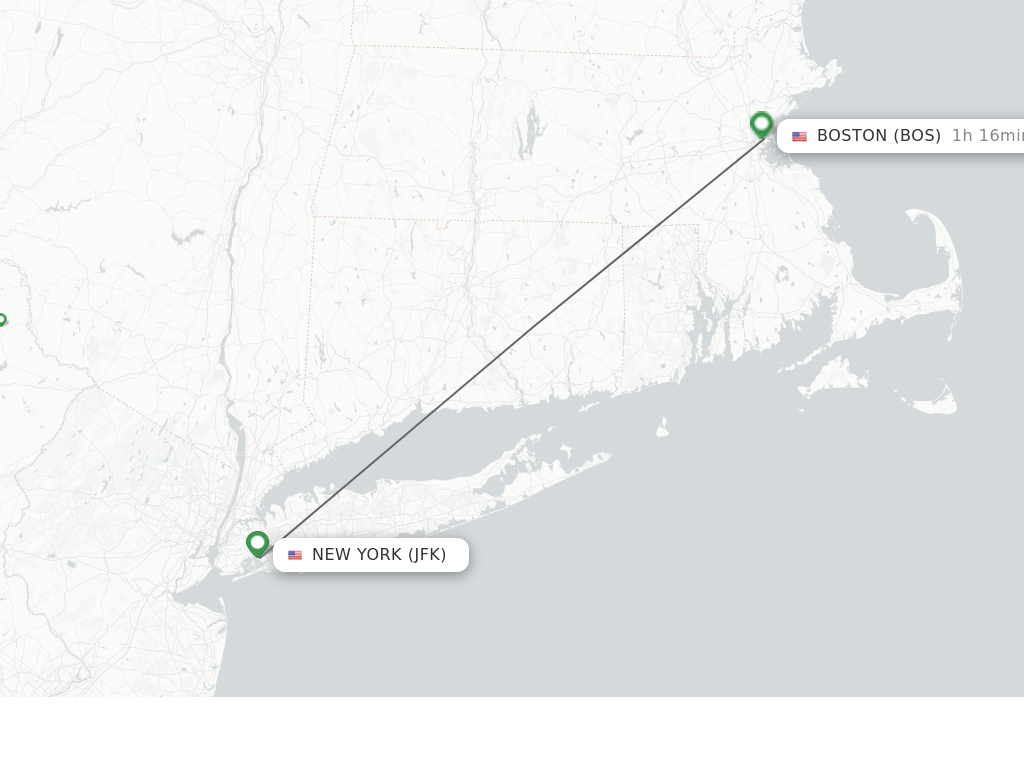
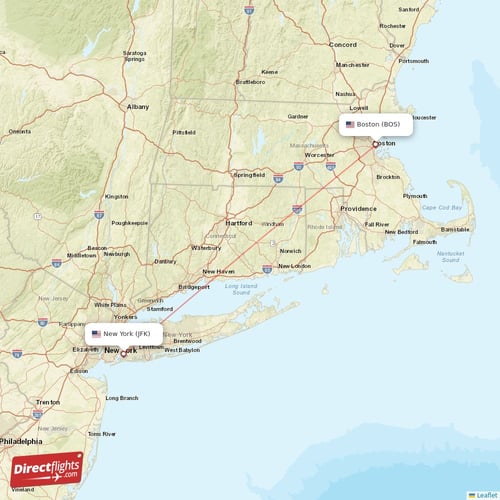
As the crow flies, the straight-line distance between New York City and Boston is approximately 190 miles (around 305 kilometers). However, ground travel, which involves navigating roads and rail lines, naturally covers a greater distance. By road, the most direct and commonly used route spans approximately 215 to 225 miles (about 346 to 362 kilometers). This difference accounts for the curvature of roads and urban infrastructure.
The typical driving time for this distance ranges from 3.5 to 4.5 hours under ideal conditions, without significant traffic, detours, or stops. However, given the high population density and frequent congestion in the Northeast corridor, especially around major metropolitan areas like New York City, Connecticut, and Boston, it’s more realistic to budget anywhere from 4.5 to 6 hours for a car journey, particularly during peak travel times such as rush hour, holidays, or weekends. Understanding this variability is key to effective planning and managing expectations for your journey between these two dynamic cities.
Navigating the Northeast Corridor: Choosing Your Journey
The choice of travel mode significantly impacts both the total travel time and the overall experience. The corridor between New York City and Boston is exceptionally well-served by a variety of transportation options, each with its unique advantages. Travelers can opt for the flexibility of driving a personal vehicle or rental car, the convenience and speed of a high-speed train, the affordability of a bus, or the rapid transit of a short flight. Each mode offers a distinct perspective on the journey, catering to different preferences for comfort, cost, speed, and scenic appeal. From the bustling train stations to the expansive highway networks and regional airports, the infrastructure is designed to facilitate seamless movement across this vital region, connecting two of the United States’ most historically significant and economically powerful cities.
Embarking on the Road Trip: Car Travel Between New York City and Boston
Driving between New York City and Boston offers unparalleled freedom and flexibility, making it a popular choice for many. This mode allows travelers to set their own pace, make spontaneous stops, and carry more luggage than might be practical with other options.
The Scenic Drive: Route Options and Travel Time
The primary artery connecting New York City and Boston by road is Interstate 95 (I-95). This major highway runs along the East Coast, providing the most direct path. Starting from Manhattan or other boroughs like Brooklyn or Queens, you would typically head north through The Bronx, across the George Washington Bridge into New Jersey (if coming from west Manhattan), or directly into Connecticut via I-95. From Connecticut, the route continues through Rhode Island before entering Massachusetts and leading directly to Boston.
While I-95 is the quickest, alternative routes offer different scenery. For instance, parts of Route 1 or scenic state roads parallel to I-95 can offer a more relaxed pace, passing through charming New England towns, albeit adding significant time to the journey. Another option, though less direct for Boston-bound travelers, might involve taking the Massachusetts Turnpike (I-90) from points west of Boston, after having taken other north-south routes. The average travel time, as mentioned, is 3.5 to 4.5 hours in ideal conditions, but realistically 4.5 to 6 hours when accounting for potential traffic, especially near urban centers.
Essential Road Trip Considerations: Fuel, Tolls, and Stops
A road trip requires careful planning beyond just the route. The I-95 corridor is a toll road for significant stretches, particularly in Connecticut and Massachusetts. Travelers should be prepared for electronic tolls (E-ZPass is highly recommended for seamless travel) or specific cash lanes where available. Fuel stops are plentiful along the highway, but it’s wise to plan ahead and refuel before entering areas known for higher gas prices.
Consider incorporating a delightful stop to break up the drive. The maritime museum at Mystic Seaport Museum in Mystic, Connecticut, offers a fascinating glimpse into America’s seafaring past, perfect for families or history enthusiasts. Another excellent option is a detour to New Haven, Connecticut, home to Yale University and renowned for its vibrant food scene, particularly its iconic New Haven-style pizza. These stops can transform a simple commute into a mini-adventure, offering a taste of local culture and history.
Enhancing Your Journey: Accommodation and Dining on the Way
While the drive can typically be completed in a single day, some travelers might opt for an overnight stay, especially if combining the trip with other destinations or if traffic delays are anticipated. Towns like Greenwich, Connecticut, or Providence, Rhode Island, offer a range of accommodation options, from luxury hotels to charming boutique inns. In Greenwich, the Delamar Greenwich Harbor Hotel provides a sophisticated waterfront experience, while Providence’s The Dean Hotel offers a stylish, centrally located base for exploring the city.
For dining, the Northeast corridor boasts an abundance of culinary delights. Beyond the aforementioned pizza in New Haven, you’ll find fresh seafood shacks along the Connecticut and Rhode Island coasts, farm-to-table restaurants in rural areas, and diverse ethnic eateries in smaller towns. Utilizing travel apps for restaurant reviews and recommendations can help uncover hidden gems that cater to various tastes and budgets, ensuring your journey is as delicious as it is memorable.
Effortless Intercity Travel: Bus, Train, and Air Options
For those who prefer to avoid driving, or simply seek a more relaxed travel experience, the bus, train, and air services offer excellent alternatives for traveling between New York City and Boston. Each mode has its distinct advantages regarding cost, speed, and convenience.
The Comfort and Convenience of Rail: Amtrak’s Northeast Regional and Acela Express
Traveling by train between New York City and Boston is a favored option for many, particularly business travelers and those seeking a comfortable, stress-free journey. Amtrak operates two primary services along the Northeast Corridor: the Northeast Regional and the Acela Express.
The Northeast Regional is the more economical and frequent service, making more stops. A typical journey on the Northeast Regional takes approximately 4 to 4.5 hours. It offers a comfortable ride with amenities such as Wi-Fi, power outlets, and a cafe car. Passengers can enjoy scenic views of the Connecticut coastline and charming New England towns without the hassle of driving or airport security.
For those prioritizing speed, the Acela Express is Amtrak’s high-speed rail service, offering a significantly faster trip. The Acela Express completes the journey in roughly 3.5 to 3.75 hours, with fewer stops. While more expensive, it provides a premium experience with larger seats, quiet cars, and enhanced business amenities, often making it the preferred choice for business travelers or those on a tight schedule. Both services depart from Moynihan Train Hall at Penn Station in New York City and arrive at Boston’s South Station, both centrally located and well-connected to local public transport.
Budget-Friendly Bus Travel: Greyhound, Peter Pan, and More
Bus travel is consistently the most budget-friendly option between New York City and Boston. Several reputable bus companies operate this route, including Greyhound, Peter Pan Bus Lines, and various discount carriers like FlixBus and MegaBus.
Bus journeys typically range from 4 to 5.5 hours, depending on traffic, the number of stops, and the specific route taken by the carrier. While slightly longer than train travel, modern buses often come equipped with Wi-Fi, power outlets, and comfortable seating, making the journey quite pleasant. The main bus terminals in New York City are the Port Authority Bus Terminal in Midtown Manhattan, and in Boston, buses usually arrive at South Station Bus Terminal or Logan Airport. For travelers prioritizing cost savings, bus travel presents an excellent value, allowing them to allocate more of their budget to experiences and accommodations in their destination city.
Taking to the Skies: Quickest Yet Most Complex
For sheer speed in transit, flying is undoubtedly the fastest way to cover the distance between New York City and Boston. The actual flight time is a mere 1 hour to 1 hour and 15 minutes. However, the total travel time associated with flying can often negate this speed advantage, making it frequently less efficient than the train for city-center to city-center travel.
Travelers departing from New York City can choose from John F. Kennedy International Airport (JFK), LaGuardia Airport (LGA), or Newark Liberty International Airport (EWR). All three require significant travel time from Manhattan or other boroughs, often involving taxis, ride-shares, or public transport. Similarly, upon arrival at Boston’s Logan International Airport (BOS), travelers must factor in time for baggage claim, airport security, and onward transportation to their final destination in the city.
When combining travel to and from airports, security checks, boarding, and deplaning, the total journey time for flying can easily stretch to 3.5 to 5 hours, often rivaling or even exceeding the time taken by Acela Express trains. Therefore, while suitable for connecting international flights or those with specific air travel needs, for direct city-to-city travel between New York City and Boston, the train or even a well-timed drive often proves to be a more practical and less stressful choice.
Maximizing Your Stay: Exploring New York City and Boston’s Best
Both New York City and Boston are treasure troves of attractions, each offering a distinct urban experience. Planning your itinerary and accommodation choices carefully will allow you to make the most of your visit.
Iconic Landmarks and Attractions in the Big Apple
New York City pulsates with an undeniable energy, a global hub of finance, fashion, art, and entertainment. No visit is complete without witnessing the grandeur of the Statue of Liberty and Ellis Island, symbols of American freedom and immigration. Stroll through the dazzling lights of Times Square, catch a world-class performance on Broadway, or find serenity amidst the urban jungle in Central Park. Art lovers will be captivated by the vast collections at the Metropolitan Museum of Art and the Museum of Modern Art (MoMA). The city’s diverse neighborhoods, from the historic streets of Greenwich Village to the vibrant culture of Chinatown and Little Italy, offer endless opportunities for exploration and culinary adventures. Don’t miss out on a classic New York bagel or a slice of authentic New York style pizza.
Historic Charm and Modern Vibrancy in Boston
In contrast to New York City’s frantic pace, Boston offers a rich tapestry of American history woven with a contemporary, intellectual vibe. The best way to immerse yourself in its past is to walk the Freedom Trail, a 2.5-mile red-lined path that leads to 16 historically significant sites, including the Paul Revere House, the Old North Church, and Bunker Hill Monument. Explore the bustling atmosphere of Faneuil Hall Marketplace and Quincy Market, enjoy a peaceful afternoon in Boston Common and the Public Garden, or delve into art at the Museum of Fine Arts. For sports enthusiasts, catching a game at historic Fenway Park is an unforgettable experience. Boston’s culinary scene is equally compelling, famous for its clam chowder, lobster rolls, and fresh seafood, especially in areas like the North End for Italian cuisine.
Premier Accommodation Options for Every Traveler
Both New York City and Boston boast an extensive range of accommodations to suit every budget and travel style.
In New York City, luxury travelers might opt for iconic hotels like The St. Regis New York or The Plaza Hotel, offering unparalleled service and prime locations near attractions like Central Park. Boutique hotels in neighborhoods like SoHo or Greenwich Village, such as The Ludlow Hotel, provide unique charm and personalized experiences. For budget-conscious travelers, hostels, guesthouses, and hotel chains further from Manhattan’s core, perhaps in Long Island City or Brooklyn, offer more affordable yet well-connected options. Serviced apartments and villas are also increasingly popular for longer stays or family trips, providing amenities like kitchens and more space.
Boston also caters to a diverse clientele. High-end choices include the Four Seasons Hotel Boston or The Liberty, a Luxury Collection Hotel, combining historical elegance with modern luxury. The charming Beacon Hill neighborhood offers quaint inns and guesthouses, while the Back Bay area features a mix of upscale and mid-range hotels close to shopping and dining. For those seeking affordability, hotels near the Fenway Park area or slightly outside the city center can provide good value. Online booking platforms and comparison sites are invaluable tools for finding the best deals and reading reviews to ensure your chosen accommodation meets your expectations for comfort, amenities, and location. Considering factors like proximity to public transportation (the “T” in Boston or the Subway in New York City) can significantly enhance your experience in both walkable cities.
Planning Your Perfect Northeast Adventure: Tips for a Seamless Journey
Embarking on a journey between New York City and Boston offers a quintessential Northeast experience. With careful planning, you can ensure a smooth, enjoyable, and memorable adventure, regardless of your travel style or budget.
Best Time to Travel and Booking Strategies
The ideal time to travel between New York City and Boston largely depends on your preferences. Spring (April-May) and Fall (September-October) are often considered the most pleasant seasons, offering mild temperatures, fewer crowds than summer, and stunning foliage displays in the fall, especially if you opt for a scenic drive. Summer (June-August) is popular for its warm weather and numerous outdoor festivals, but also brings higher prices, more tourists, and the potential for heatwaves. Winter (November-March) can be challenging due to cold temperatures and snow, which can impact travel, particularly driving and flights, but it also offers unique holiday experiences in both cities and potentially lower accommodation rates.
Regardless of the season, advance booking is highly recommended for all modes of transport, especially trains and flights, to secure the best fares. Amtrak tickets, especially for Acela Express, tend to increase in price closer to the departure date. Similarly, booking hotels and popular attractions (like Broadway shows or tours of the Statue of Liberty) well in advance, particularly during peak seasons or holidays, can save you money and guarantee availability. Consider purchasing city passes in New York City or Boston if you plan to visit multiple attractions, as these can offer significant savings.
Lifestyle and Budget Considerations: From Luxury Escapes to Affordable Exploration
Your travel lifestyle and budget will significantly shape your journey between these two dynamic cities.
For luxury travelers, the experience can be opulent. This might involve first-class Acela Express tickets, stays at five-star hotels like The St. Regis New York or Four Seasons Hotel Boston, private car services, gourmet dining experiences, and exclusive tours. Many hotels in both cities offer luxury suites and resorts with amenities that include spas, fine dining, and personalized concierge services, ensuring an indulgent and seamless trip.
Mid-range travelers can enjoy a comfortable and rich experience without excessive spending. This could mean standard class Amtrak tickets, stays at well-regarded 3-4 star hotels such as the Hyatt Regency Boston or Hotel Edison in New York City, a mix of casual and upscale dining, and public transportation for getting around. Focusing on experiences rather than purely luxury amenities often leads to a fulfilling and memorable trip within a sensible budget.
For budget travelers, the journey is still incredibly accessible. Choosing bus travel over trains or flights is the most economical option. Accommodation might involve staying in hostels, budget hotels a bit further from the city center but near public transport, or considering serviced apartments for self-catering. Dining can be affordable by exploring local eateries, food trucks, and markets. Both cities offer numerous free attractions, such as walking Central Park, strolling the Freedom Trail, or browsing public art installations. Leveraging public transport and seeking out free cultural events can significantly reduce costs.
Ultimately, the journey from New York City to Boston is more than just covering a distance; it’s an opportunity to traverse a vibrant corridor of American history and modernity. By understanding the distances, travel options, and tailoring your plans to your individual preferences, you can ensure your adventure between these two incredible East Coast cities is as enjoyable and fulfilling as the destinations themselves.
LifeOutOfTheBox is a participant in the Amazon Services LLC Associates Program, an affiliate advertising program designed to provide a means for sites to earn advertising fees by advertising and linking to Amazon.com. Amazon, the Amazon logo, AmazonSupply, and the AmazonSupply logo are trademarks of Amazon.com, Inc. or its affiliates. As an Amazon Associate we earn affiliate commissions from qualifying purchases.