
The geographic relationship between Santa Monica and Los Angeles is a subject of constant debate among locals and a point of confusion for visitors. While Santa Monica is technically a separate municipality—a beachside city nestled within the vast urban sprawl of Los Angeles County—it is functionally considered one of the primary neighborhoods or destinations of the greater metropolitan area.
In terms of pure distance, the two are not far apart, yet the experience of traveling between them can vary wildly depending on the time of day, the mode of transportation, and the specific starting point within the sprawling City of Los Angeles.
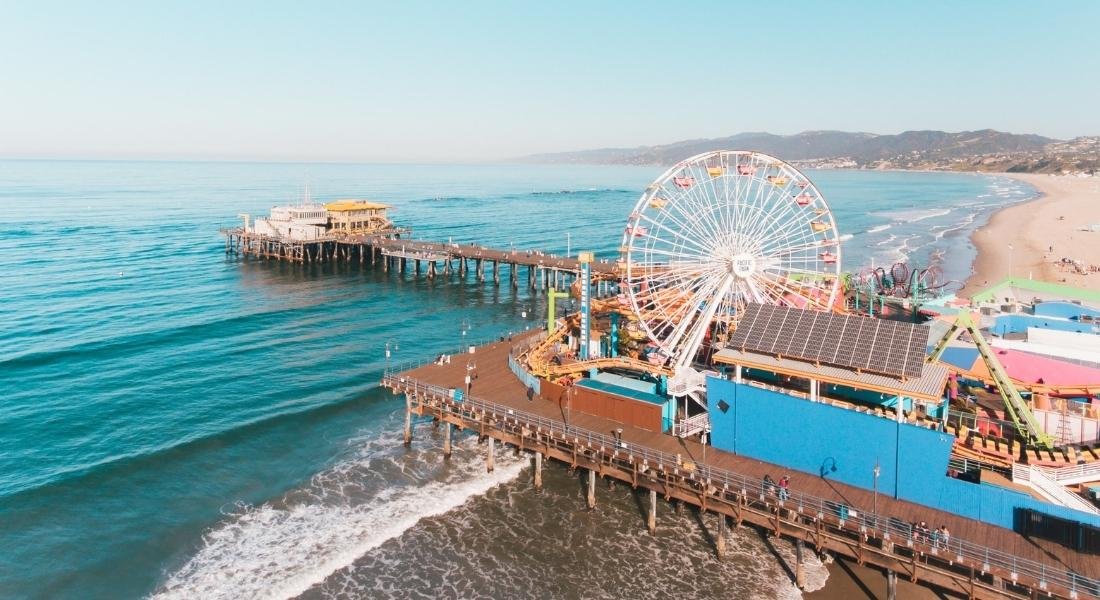
Navigating the Physical Distance and Travel Time
When planning a trip, it is vital to distinguish between miles and minutes. In Southern California, distance is rarely measured in linear miles due to the complexities of the highway system and the infamous congestion that defines the region’s transit culture.
Miles Between Major Hubs
If you are traveling from Downtown Los Angeles to the Santa Monica Pier, you are looking at a distance of approximately 15 to 17 miles. Under ideal traffic conditions, this drive could take as little as 25 to 30 minutes via the Interstate 10. However, “ideal” is a rare state of affairs in this region. During peak commuting hours, that same journey can easily stretch into an hour or more of stop-and-go driving.
The Impact of Traffic Patterns
The Los Angeles traffic phenomenon is legendary. The Santa Monica Freeway acts as the primary artery connecting the coast to the interior. Because this highway serves as the main commuter route for thousands of professionals working in Century City or Beverly Hills, the late afternoon commute toward the ocean can be particularly grueling. Visitors should account for these buffers, especially when attempting to catch sunset views or dining reservations.
Public Transportation Options
For those looking to avoid the stress of the highway, there are alternative ways to bridge the distance between Los Angeles and the beach.
The Metro E Line
One of the most significant infrastructure improvements in recent history is the Metro E Line. This light rail service offers a direct connection from Union Station in Downtown Los Angeles all the way to the heart of Santa Monica.

- Reliability: The train is immune to freeway congestion, making it the most predictable way to travel between these two points.
- Convenience: It features multiple stops, including Culver City, which allows for easy exploration of intermediate neighborhoods.
- Accessibility: The final stop is located just blocks away from the beach, making it ideal for tourists who want to walk to the Pacific Ocean.
Rideshare and Bus Services
While rideshare apps remain popular, they are subject to the same traffic conditions as personal vehicles. However, they provide the convenience of door-to-door service, which is often preferred by travelers carrying luggage. For budget-conscious visitors, the Big Blue Bus provides extensive coverage within the Santa Monica area, connecting effectively with regional bus lines that traverse the wider Los Angeles basin.
Why the Distance Matters for Your Itinerary
Choosing where to stay depends heavily on what kind of experience you are seeking. Los Angeles is a polycentric city, meaning it has many “centers” of activity, rather than one single hub.
Staying in the Coastal Zone
If your goal is a beach-centric vacation, staying in Santa Monica or its southern neighbor, Venice Beach, is essential. Being within walking distance of the shore provides a laid-back lifestyle that contrasts sharply with the high-energy, urban intensity of Hollywood or Downtown Los Angeles. From the coastal zone, you are well-positioned to enjoy iconic attractions like the Third Street Promenade or a bike ride along the Marvin Braude Bike Trail.
Exploring the Inland Treasures
If you prefer to spend your days visiting the Griffith Observatory, exploring the Getty Center, or shopping on Rodeo Drive, you may find that the distance to the beach is a secondary priority. Staying more central in West Hollywood or Mid-City puts you in the middle of the action, with Santa Monica becoming a manageable day trip rather than a daily commute.

Strategic Travel Tips for Maximizing Time
To make the most of the distance between these two iconic areas, consider these expert travel strategies:
- Off-Peak Transit: If you must drive, try to travel mid-morning (between 10:00 AM and 2:00 PM) or late at night. You will find that the roads are significantly clearer.
- Strategic Grouping: Plan your itinerary by grouping geographic neighbors. Dedicate one full day to the Westside, encompassing Santa Monica and Pacific Palisades. Dedicate a different day to Hollywood and Griffith Park. This reduces the “ping-pong” effect of crossing the city multiple times in a single day.
- Utilize Technology: Use real-time traffic monitoring apps to check the status of the Interstate 10 before you head out. Sometimes, taking surface streets through Westwood or Olympic Boulevard can save you from a major freeway bottleneck.
- Embrace the Ocean Breeze: Once you arrive in Santa Monica, leave the car behind. The area is highly walkable, and the atmosphere changes entirely once you are on foot, exploring the local farmers’ markets or the Santa Monica Place shopping center.
Ultimately, the distance between Santa Monica and Los Angeles is a fluid concept. It is close enough to enjoy both worlds in one vacation, yet distinct enough that each area requires its own dedicated time for exploration. By understanding the transit options and planning your movements around the peaks and valleys of traffic, you can navigate this iconic stretch of Southern California with the ease of a local. Whether you are seeking the glitz of the city or the serenity of the shoreline, both destinations are well within your reach.
LifeOutOfTheBox is a participant in the Amazon Services LLC Associates Program, an affiliate advertising program designed to provide a means for sites to earn advertising fees by advertising and linking to Amazon.com. Amazon, the Amazon logo, AmazonSupply, and the AmazonSupply logo are trademarks of Amazon.com, Inc. or its affiliates. As an Amazon Associate we earn affiliate commissions from qualifying purchases.