
The question “How far is Seattle to Portland?” might seem simple, yet it unlocks a world of possibilities for an unforgettable Pacific Northwest adventure. This journey between two of the United States’ most vibrant and distinctive cities isn’t just about covering miles; it’s about embracing the unique travel experiences, diverse landscapes, and rich cultural tapestry that define the region. Whether you’re a seasoned traveler seeking new destinations, a family planning a memorable road trip, or a business traveler looking for efficient transit, understanding the distance and myriad ways to traverse it is the first step in crafting your perfect itinerary.

This comprehensive guide will delve into the various modes of transportation, estimated travel times, scenic detours, and essential tips to transform a mere distance into a cherished journey. We’ll explore everything from the most direct routes to the scenic routes that highlight the stunning natural beauty and charming towns nestled between these two urban gems in Washington and Oregon.
The Straightforward Route: Distance and Driving Time
For many, the most common way to travel between Seattle and Portland is by car, offering flexibility and the opportunity to explore at your own pace. Understanding the core statistics of this trip is crucial for planning.
By Car: The I-5 Corridor
The primary artery connecting Seattle and Portland is Interstate 5 (I-5). This major highway offers the most direct and fastest route, cutting through a landscape that transitions from bustling urban centers to verdant forests and agricultural lands.
- Approximate Distance: The distance between downtown Seattle and downtown Portland via I-5 is typically around 175 to 180 miles (280 to 290 kilometers). This can vary slightly depending on your exact starting and ending points within each city.
- Average Driving Time (Without Stops): Under ideal conditions – clear roads, no traffic, and maintaining the speed limit – the drive generally takes between 2.5 to 3 hours. However, “ideal conditions” are often a luxury, especially when navigating major metropolitan areas.
- Factors Affecting Drive Time:
- Traffic: This is the most significant variable. Rush hour in either Seattle or Portland, particularly on weekdays, can easily add an hour or more to your travel time. Weekends, especially holiday weekends, can also see significant congestion. Checking real-time traffic updates before departing is highly recommended.
- Time of Day and Week: Early mornings (before 7 AM) or late evenings (after 7 PM) typically offer the smoothest drives. Mid-day on weekdays can also be manageable, but avoiding peak commute hours is paramount.
- Weather Conditions: The Pacific Northwest is known for its rain, especially outside of the summer months. Heavy rain, fog, or even snow in the colder seasons (though less common on I-5 itself, unless venturing into higher elevations) can necessitate slower speeds and increase driving time for safety.
- Construction: Road maintenance and expansion projects are a constant on busy highways like I-5, which can lead to lane closures and delays.
Alternative Transportation Options
While driving offers unparalleled flexibility, several other excellent options cater to different preferences, budgets, and travel styles, aligning with various aspects of tourism and lifestyle travel.
- Train (Amtrak Cascades): For those seeking a more relaxed and scenic journey, the Amtrak Cascades service is a fantastic choice.
- Experience: The train offers comfortable seating, Wi-Fi, dining cars, and large windows that provide breathtaking views of the Puget Sound, forests, and waterways. It’s a quintessential Pacific Northwest experience.
- Duration: The train journey typically takes between 3.5 to 4 hours, which is often comparable to driving when factoring in potential traffic, and significantly less stressful.
- Stations: Trains depart from King Street Station in Seattle, conveniently located downtown, and arrive at Portland Union Station, also centrally located, making onward public transport connections easy.
- Bus (Greyhound, FlixBus, BoltBus): Bus services offer an economical alternative, popular with budget travelers.
- Affordability: Tickets are generally more affordable than train or airfare, especially if booked in advance.
- Duration: Bus trips usually range from 3.5 to 4.5 hours, depending on the number of stops and traffic.
- Comfort Levels: While modern buses offer amenities like Wi-Fi and power outlets, the comfort level can vary by operator. Companies like FlixBus and BoltBus often provide a more comfortable and direct service than traditional Greyhound routes.
- Flight: Though seemingly the fastest, flying between Seattle and Portland is generally not the most practical option for most travelers due to the relatively short distance.
- Shortest Travel Time: The actual flight time is a mere 45-60 minutes.
- Overall Door-to-Door Time: However, when you factor in travel to and from airports (Seattle-Tacoma International Airport (Sea-Tac) and Portland International Airport (PDX)), airport security, check-in, boarding, and baggage claim, the total journey often extends to 3.5 to 5 hours, making it comparable to or even longer than driving or taking the train. This option is primarily beneficial for those connecting from longer flights or who genuinely prefer air travel.
Beyond the Miles: Making the Journey an Experience
The journey between Seattle and Portland doesn’t have to be a race to the finish line. For those with time to spare, transforming the commute into a mini-road trip laden with attractions and local culture can significantly enrich your travel experience. This approach perfectly aligns with the website’s focus on tourism and lifestyle travel, offering opportunities for discovery and relaxation.
Scenic Stops and Detours Along I-5
While I-5 is primarily a utilitarian highway, several interesting towns and significant landmarks are either directly on the route or a short detour away.
- Tacoma, Washington: Just south of Seattle, Tacoma offers a vibrant arts scene and beautiful waterfront parks.
- Museum of Glass: A striking architectural marvel with live glass blowing demonstrations and stunning exhibits.
- Point Defiance Park: One of the largest urban parks in the United States, featuring gardens, beaches, and a zoo and aquarium.
- Olympia, Washington: The state capital of Washington, Olympia is about halfway between Seattle and Portland.
- Washington State Capitol Building: An impressive architectural and historical site offering guided tours.
- Farmers Market: A great spot to sample local produce and artisan crafts.
- Mount St. Helens National Volcanic Monument: For a more substantial detour (requiring an extra 2-3 hours drive time off I-5 each way), this natural landmark is an awe-inspiring testament to geological power. The visitor centers provide incredible insights into the 1980 eruption and the area’s recovery. This is a must-see for nature enthusiasts.
- Columbia River Gorge: While largely an Oregon attraction and closer to Portland, the Columbia River Gorge is a world-renowned scenic area that can be easily accessed from I-5 on the Oregon side. Known for its numerous waterfalls, including the iconic Multnomah Falls, and stunning vistas, it’s an ideal spot for hiking and photography.
- Charming Smaller Towns: Towns like Centralia and Chehalis offer glimpses into rural Pacific Northwest life, with antique shops, local diners, and a slower pace.
A Taste of the Pacific Northwest Lifestyle
Incorporating stops not only breaks up the drive but also immerses you in the region’s distinctive lifestyle, touching upon elements like local food, activities, and culture.
- Food Scene: Both Seattle and Portland are renowned for their culinary scenes, and this extends to smaller towns. Indulge in artisanal coffee, fresh seafood, farm-to-table dining, and a thriving craft brewery and winery culture that dots the landscape between the cities. Sampling local fare is a fundamental part of the tourism experience.
- Outdoor Activities: The Pacific Northwest is an outdoor playground. Many parks, hiking trails, and scenic viewpoints are accessible from I-5, offering opportunities for a quick stretch or a more extended adventure. Think short hikes, bird watching, or simply enjoying the lush greenery.
- Unique Local Culture: Discover quirky art installations, indie boutiques, and a strong emphasis on sustainability and community in many of the towns along the way. These elements contribute to the distinct personality of the region, making for unique experiences beyond the usual tourist traps.
Planning Your Pacific Northwest Adventure
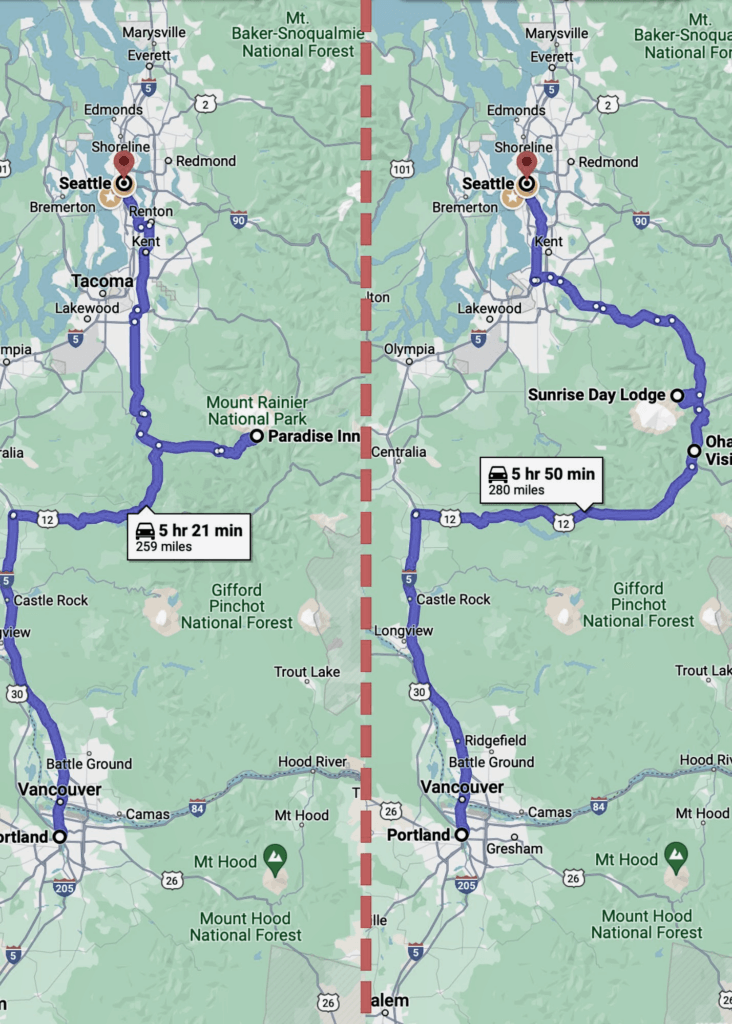
A well-planned trip enhances enjoyment and minimizes stress, especially when navigating between two major cities. From choosing your transport to securing accommodation and understanding local nuances, thoughtful preparation is key to a seamless journey.
Choosing Your Mode of Transport: Pros and Cons
The decision between driving, taking the train, or using a bus depends heavily on your priorities.
- Driving:
- Pros: Ultimate flexibility for stops, carrying luggage, and adhering to your schedule. Essential for exploring off-the-beaten-path attractions or traveling with family. Offers a sense of independence.
- Cons: Potential for traffic delays, fuel costs, parking fees in cities, and the need for a designated driver. Can be stressful for those who dislike urban driving.
- Train (Amtrak Cascades):
- Pros: Relaxing, scenic, comfortable, and often drops you right in the city center. Ideal for luxury travel or those who prefer to avoid driving. Reduces environmental impact compared to solo driving.
- Cons: Less flexible with schedule, cannot make impromptu stops, and luggage limits can be more restrictive than a car.
- Bus:
- Pros: Most budget-friendly travel option. Convenient for solo travelers or those without a car. Often offers Wi-Fi and power outlets.
- Cons: Generally the longest travel time, less comfortable than the train, and fewer amenities. Schedule flexibility is limited.
Consider your group size (solo, family trips, business stays), overall budget, desired level of comfort, and the importance of making stops when making your choice.
Accommodation and Stay Considerations
Both Seattle and Portland boast a diverse range of accommodation options, catering to every taste and budget, from opulent resorts to cozy apartments.
- Seattle: Expect a wide array of hotels, from upscale suites overlooking the Puget Sound to trendy boutique options and reliable chain hotels.
- High-End: The Four Seasons Hotel Seattle offers luxurious amenities and prime waterfront access.
- Boutique: Numerous stylish hotels can be found in areas like downtown or Capitol Hill.
- Budget-Friendly: Options exist outside the immediate downtown core, or consider hostels and short-term apartment rentals.
- Portland: Known for its quirky charm, Portland’s accommodation scene reflects its unique personality.
- Boutique/Unique: The Ace Hotel Portland in the Pearl District is a popular choice for its minimalist-chic aesthetic.
- Eco-Friendly: Many hotels emphasize sustainability, aligning with Portland’s green ethos.
- Neighborhood Stays: Consider staying in districts like Hawthorne District or Nob Hill for a more local, neighborhood feel, often with vacation villas or charming B&Bs.
Booking Tips:
- Book in Advance: Especially during peak season (summer, holidays) or for specific events, early booking is essential to secure your preferred hotel or apartment and often yields better rates.
- Check Reviews: Always consult reviews on reputable platforms to ensure the accommodation meets your expectations for cleanliness, service, and location.
- Compare Prices: Utilize comparison websites to find the best deals across different booking platforms. Consider options for long-term stays if your trip extends beyond a few days.
Essential Travel Tips for the Journey
A few practical tips can make your Seattle to Portland journey even smoother.
- Best Time to Travel:
- Summer (June-September): Offers the best weather (sunny, warm, less rain) but also peak tourist season, meaning higher prices for accommodation and more crowded attractions and roads.
- Spring (April-May) & Fall (October-November): Pleasant temperatures, fewer crowds, and often beautiful foliage (fall) or blooming flowers (spring). Expect more rain, but it’s often manageable.
- Winter (December-March): Coldest and wettest months. Can be a good time for budget travel and indoor attractions, but driving conditions might be more challenging.
- Packing Essentials: Layers are key in the Pacific Northwest due to unpredictable weather. Always pack a waterproof jacket, comfortable walking shoes, and plan for both cool and mild temperatures.
- Navigation: A reliable GPS (phone app or dedicated device) is invaluable, especially for navigating city traffic and finding detours. Keep a physical map as a backup.
- Vehicle Maintenance (if driving): Ensure your vehicle is in good condition, tires are properly inflated, and fluids are topped off for a hassle-free journey.
- Budgeting: Factor in costs for fuel (or tickets), meals, potential tolls (minimal on I-5 but can occur), accommodation, and entrance fees to attractions.
Exploring Seattle and Portland: City Highlights
Once you’ve successfully completed the journey, both Seattle and Portland offer a wealth of unique attractions and vibrant urban experiences that embody the spirit of the Pacific Northwest.
Seattle’s Iconic Landmarks and Experiences
Seattle, the Emerald City, blends natural beauty with cutting-edge innovation, offering a diverse array of landmarks and cultural experiences.
- Space Needle: An iconic landmark offering panoramic views of the city, Puget Sound, and surrounding mountains.
- Pike Place Market: A historic public market renowned for its flying fish, artisan crafts, fresh produce, and diverse eateries. It’s a sensory feast and a must-visit for local food and culture.
- Museum of Pop Culture (MoPOP): A vibrant museum dedicated to contemporary pop culture, music, science fiction, and fantasy, housed in an architecturally stunning building.
- Chihuly Garden and Glass: Showcasing the breathtaking glass artwork of Dale Chihuly, this exhibition is a stunning display of color and form, nestled near the Space Needle.
- Neighborhoods to Explore: Wander through the eclectic shops of Fremont, known for its quirky statues, or head to Kerry Park for one of the most famous skyline views of Seattle.
- Food Scene: Beyond coffee (the birthplace of Starbucks), Seattle excels in seafood, especially salmon and oysters, and offers a melting pot of international cuisines.
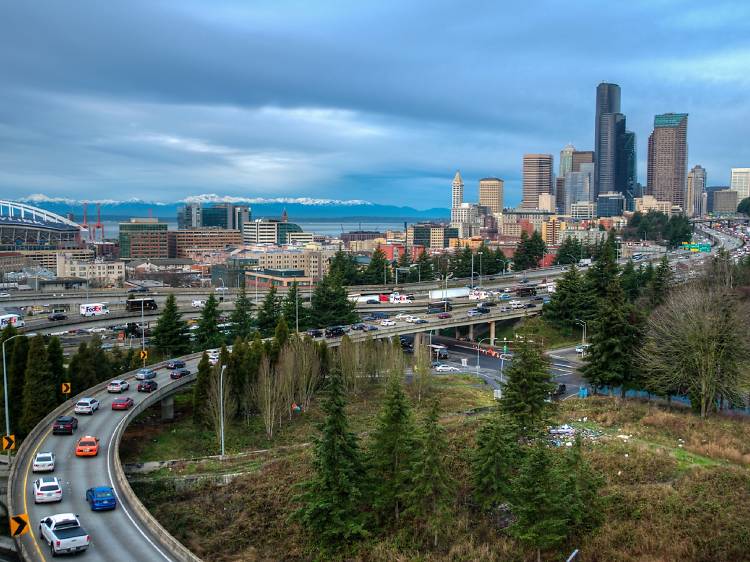
Portland’s Unique Charm and Attractions
Portland, the Rose City, is celebrated for its progressive spirit, thriving food scene, craft beer culture, and abundant green spaces, making it a hotspot for tourism and unique lifestyle experiences.
- Powell’s City of Books: The world’s largest independent new and used bookstore, a multi-story labyrinth that’s a paradise for bibliophiles and a quintessential Portland landmark.
- International Rose Test Garden: Perched in Washington Park, this fragrant garden boasts thousands of rose varieties and offers spectacular city and mountain views.
- Pittock Mansion: A historic mansion offering not only a glimpse into early 20th-century Portland life but also some of the city’s most iconic panoramic views.
- Oregon Zoo: Located within Washington Park, it’s a family-friendly attraction focused on conservation and education.
- Food Carts and Craft Beer: Portland is synonymous with its bustling food cart pods, offering an incredible diversity of affordable and delicious cuisine. The city’s craft beer scene is also legendary, with countless breweries to explore.
- Neighborhoods to Explore: Stroll through the Alberta Arts District for colorful murals and galleries, or explore the upscale boutiques and eateries of Nob Hill on NW 23rd Avenue.
- Nature Within Reach: Beyond the Columbia River Gorge, Portland boasts extensive urban parks, like Forest Park, providing easy access to hiking and nature just minutes from downtown.
The journey from Seattle to Portland, while straightforward in terms of distance, is rich with opportunities for discovery and enjoyment. Whether you prioritize speed, scenery, or savings, the Pacific Northwest offers a mode of travel and a host of experiences to suit your every need. From planning your route and selecting the perfect accommodation to exploring the unique character of each city and the charming stops in between, this trip promises a memorable adventure. So, pack your bags, set your itinerary, and embark on a journey that truly captures the essence of Pacific Northwest charm.
LifeOutOfTheBox is a participant in the Amazon Services LLC Associates Program, an affiliate advertising program designed to provide a means for sites to earn advertising fees by advertising and linking to Amazon.com. Amazon, the Amazon logo, AmazonSupply, and the AmazonSupply logo are trademarks of Amazon.com, Inc. or its affiliates. As an Amazon Associate we earn affiliate commissions from qualifying purchases.