
Denver, Colorado, often referred to as the “Mile-High City,” is a vibrant metropolis nestled at the foot of the majestic Rocky Mountains. Its strategic location makes it a coveted destination for travelers from across the globe, whether they are seeking outdoor adventure, urban exploration, or a taste of authentic American West culture. Understanding the distances to Denver from various points of origin is crucial for planning an efficient and enjoyable journey, whether by air, road, or rail. This guide aims to provide a comprehensive overview of how far Denver is from key locations, offering insights into travel times and modes of transport.
Reaching the Mile-High City: A Geographic Overview
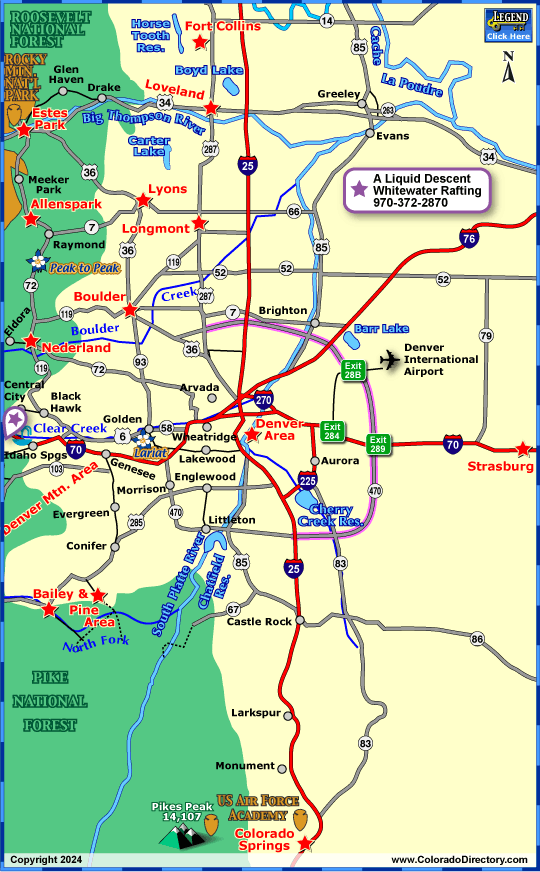
Denver’s position as a major transportation hub in the Mountain West is undeniable. Its international airport, Denver International Airport (DEN), serves as a gateway for millions of passengers annually, connecting the region to domestic and international destinations. For those preferring to drive, Denver’s central location within the United States makes it accessible via a network of interstate highways.
Proximity to Major US Cities
The distance to Denver from other significant urban centers across the United States can vary dramatically, influencing travel choices.
-
West Coast:
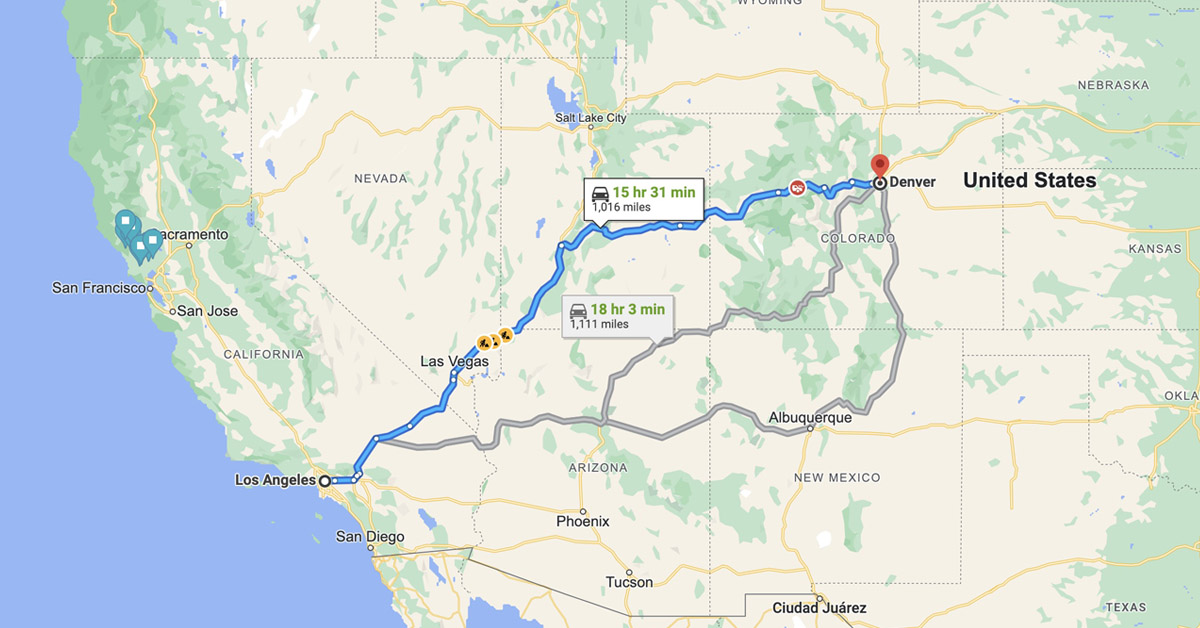
- Los Angeles, California: Approximately 1,000 miles (1,600 km) by road. Driving time is typically around 15-16 hours, not including stops. By air, Los Angeles International Airport (LAX) to DEN is a direct flight of roughly 2.5 to 3 hours.
- San Francisco, California: Around 1,200 miles (1,900 km) by road, with a driving time of 18-20 hours. Air travel from San Francisco International Airport (SFO) to DEN is approximately 2.5 to 3 hours.
- Seattle, Washington: Over 1,300 miles (2,100 km) by road, requiring 20-22 hours of driving. Flights from Seattle-Tacoma International Airport (SEA) to DEN are about 2.5 hours.
-
Midwest:
- Chicago, Illinois: Approximately 1,000 miles (1,600 km) by road, with driving times of 15-16 hours. Direct flights from O’Hare International Airport (ORD) or Midway International Airport (MDW) to DEN are usually around 2.5 hours.
- Kansas City, Missouri: Roughly 600 miles (965 km) by road, a drive of about 9-10 hours. Air travel from Kansas City International Airport (MCI) to DEN is approximately 1.5 hours.
- Minneapolis, Minnesota: About 850 miles (1,370 km) by road, a journey of 13-14 hours. Flights from Minneapolis-Saint Paul International Airport (MSP) to DEN are typically 2 hours.
-
Southwest:
- Dallas, Texas: Approximately 750 miles (1,200 km) by road, taking 11-12 hours to drive. Direct flights from Dallas/Fort Worth International Airport (DFW) or Dallas Love Field (DAL) to DEN are about 2 hours.
- Phoenix, Arizona: Around 850 miles (1,370 km) by road, a drive of 12-13 hours. Air travel from Phoenix Sky Harbor International Airport (PHX) to DEN is approximately 2 hours.
-
Northeast:
- New York City, New York: Over 1,800 miles (2,900 km) by road, a significant drive of 28-30 hours. Direct flights from John F. Kennedy International Airport (JFK), LaGuardia Airport (LGA), or Newark Liberty International Airport (EWR) to DEN are usually 4 to 4.5 hours.
- Washington, D.C.: Approximately 1,700 miles (2,700 km) by road, a drive of 26-28 hours. Air travel from Washington Dulles International Airport (IAD) or Ronald Reagan Washington National Airport (DCA) to DEN is about 4 hours.
International Access and Distances
As a major international gateway, Denver welcomes travelers from around the world. The distances are considerably greater, and air travel is the primary mode of transport.
-
Canada:
- Calgary, Alberta: Approximately 750 miles (1,200 km) as the crow flies. Direct flights from Calgary International Airport (YYC) to DEN are about 2.5 hours.
- Toronto, Ontario: Around 2,000 miles (3,200 km) as the crow flies. Flights from Toronto Pearson International Airport (YYZ) to DEN typically involve a stop, with total travel time around 5-6 hours.
-
Mexico:
- Mexico City: Approximately 1,700 miles (2,700 km) as the crow flies. Direct flights from Benito Juárez International Airport (MEX) to DEN are around 3.5 to 4 hours.
- Cancun: Roughly 2,000 miles (3,200 km) as the crow flies. Flights from Cancún International Airport (CUN) to DEN usually take about 4.5 to 5 hours, often with a connection.
-
Europe:
- London, United Kingdom: Roughly 4,700 miles (7,500 km) as the crow flies. Direct flights from Heathrow Airport (LHR) to DEN are about 9 to 9.5 hours.
- Paris, France: Approximately 4,900 miles (7,900 km) as the crow flies. Flights from Charles de Gaulle Airport (CDG) to DEN are typically 9.5 to 10 hours, often with a stop.
Planning Your Journey: Travel Modes and Considerations
The decision of how to reach Denver often hinges on factors such as time constraints, budget, and personal preferences.
Air Travel: The Fastest Route
For most travelers, especially those coming from distant locations, air travel is the most practical and efficient method. Denver International Airport (DEN) is a major hub for United Airlines and a focus city for several other carriers. Its extensive network of domestic and international routes makes it easily accessible.
- Flight Duration: As highlighted in the city proximity section, flight times can range from under two hours from nearby states to over nine hours from Europe.
- Booking Tips: Booking flights in advance, especially during peak travel seasons (summer and holidays), is recommended to secure the best fares. Consider flying mid-week for potentially lower prices. Airlines often have sales, so signing up for newsletters can be beneficial.
- Airport Logistics: Denver International Airport is a large facility. Allow ample time for check-in, security, and getting to your gate, particularly if you are unfamiliar with the airport layout. The airport’s distinctive tent-like architecture is a landmark in itself.
Road Travel: The Scenic Expedition
Driving to Denver offers a unique opportunity to experience the diverse landscapes of the United States. This mode of transport is ideal for those who enjoy road trips, have significant time available, or are traveling with a group or a lot of luggage.
-
Major Highways:
- I-70: This east-west interstate is a primary artery leading directly into Denver, originating from Utah and stretching across the country to Baltimore, Maryland. It offers spectacular views as it traverses the Rocky Mountains.
- I-25: This north-south interstate connects Denver to Wyoming in the north and New Mexico in the south.
- I-80: While not directly through Denver, it’s a major east-west route that can be used to connect to other interstates for access to Denver from northern states.
- I-76: Connects Denver to Nebraska.
-
Driving Considerations:
- Weather: Colorado‘s weather can be unpredictable, especially in the mountains and during winter. Be prepared for snow, ice, and potential road closures on routes like I-70. Check weather forecasts and road conditions (e.g., via Colorado Department of Transportation – CDOT) before and during your trip.
- Altitude: Denver is at 5,280 feet (1,609 meters) above sea level. If driving from lower elevations, be aware of potential effects of altitude sickness. Staying hydrated and taking it easy on your first day can help.
- Fuel and Services: While major interstates are well-serviced, be mindful of longer stretches between towns in some western states. Plan fuel stops accordingly.
- Tolls: Some routes, particularly those closer to larger cities or on specific stretches of highways, may have toll charges.
Rail Travel: A Relaxed Alternative
For a more leisurely and scenic travel experience, Amtrak offers rail service to Denver.
-
Amtrak Routes:
- California Zephyr: This iconic route connects Denver to both San Francisco (via Emeryville) and Chicago. It is renowned for its stunning views, particularly as it crosses the Rocky Mountains. The journey from Chicago to Denver is approximately 19 hours, while the trip from the Bay Area is longer.
- Southwest Chief: This route connects Denver to Chicago and Los Angeles, with a significant portion running through the southwestern United States.
-
Benefits of Rail:
- Scenery: Amtrak provides unparalleled views of the American landscape that cannot be seen from a car or plane.
- Comfort: You can move around, stretch your legs, and enjoy dining car services. Sleeping accommodations are also available for overnight journeys.
- Relaxation: Avoid the stress of driving and the security lines at airports.
Bus Travel: Budget-Friendly Options
Intercity bus services, such as Greyhound, also provide routes to Denver from various cities across the country. This option is typically the most budget-friendly but also the slowest.
- Route Network: Buses connect Denver to numerous major and smaller cities.
- Travel Time: Bus journeys are considerably longer than driving or flying, often taking multiple days for cross-country trips.
- Considerations: Comfort levels can vary. It’s advisable to book tickets in advance, especially during busy periods.
Conclusion: Your Gateway to the West
Whether you’re embarking on a cross-country road trip, a quick flight from a neighboring state, or an international adventure, understanding the distances to Denver, Colorado is the first step in planning your visit. The city’s accessibility ensures that it remains a prime destination for travelers seeking the unique blend of urban sophistication and natural grandeur that the Mile-High City offers. Each mode of travel presents its own advantages, allowing you to tailor your journey to your specific needs and desires. From the expansive plains to the towering peaks, the path to Denver is as diverse and exciting as the destination itself.
LifeOutOfTheBox is a participant in the Amazon Services LLC Associates Program, an affiliate advertising program designed to provide a means for sites to earn advertising fees by advertising and linking to Amazon.com. Amazon, the Amazon logo, AmazonSupply, and the AmazonSupply logo are trademarks of Amazon.com, Inc. or its affiliates. As an Amazon Associate we earn affiliate commissions from qualifying purchases.