
Las Vegas, the dazzling oasis nestled in the heart of the Mojave Desert in Nevada, beckons millions of travelers each year with its promise of unparalleled entertainment, world-class dining, and vibrant nightlife. Often referred to as “The Entertainment Capital of the World,” “Sin City,” or simply “Vegas,” this unique destination offers an escape from the ordinary, a place where fantasies often become reality. But before you can immerse yourself in the city’s electric atmosphere, a fundamental question arises for many prospective visitors: “How far is it to Las Vegas?”
Understanding the distance to Las Vegas, along with the various modes of transportation and travel considerations, is crucial for planning an efficient, enjoyable, and stress-free trip. Whether you envision a spontaneous road trip, a quick flight, or a more leisurely journey by bus or train, knowing what to expect in terms of distance, time, and route will set the stage for your unforgettable Las Vegas adventure. This guide will delve into the logistics of reaching this iconic city, offering insights into distances from major hubs, travel times, and essential planning tips to ensure your journey is as smooth as the Las Vegas Strip itself.

The Allure of Las Vegas: A Global Magnet
Before dissecting the practicalities of distance and travel, it’s worth pausing to appreciate why Las Vegas holds such universal appeal. Its magnetic draw isn’t just about gambling; it’s a meticulously crafted experience designed to captivate every type of traveler. From its humble beginnings as a dusty railway stop, Las Vegas has evolved into a global icon, a testament to human ingenuity and the pursuit of entertainment.
Why Travel to the Entertainment Capital?
The decision to travel to Las Vegas is often fueled by a desire for excitement and indulgence. The city boasts an array of attractions that cater to diverse tastes. For those seeking adrenaline, there are thrilling shows, elaborate casino floors, and high-speed attractions. Food enthusiasts can explore a culinary landscape ranging from casual buffets to Michelin-starred restaurants helmed by celebrity chefs. Shoppers will find luxury boutiques and sprawling malls, while those interested in art and culture can visit world-class museums and galleries. Beyond the urban sprawl, the natural beauty of the surrounding desert offers opportunities for outdoor adventures, from hiking to scenic drives. This vibrant tapestry of experiences ensures that the journey, no matter its length, is always worth the destination. Understanding the distance is merely the first step in unlocking these myriad possibilities.
Calculating Your Journey: Distance and Drive Times
For many visitors, especially those residing in the western United States, driving to Las Vegas is a popular and often preferred option. A road trip offers flexibility, the opportunity for scenic detours, and the convenience of having personal transportation upon arrival. However, the distance and estimated drive time can vary significantly depending on your starting point.
Major Departure Cities and Their Proximity
Here’s a look at approximate distances and drive times from some key cities, assuming standard driving conditions and speed limits, without accounting for extensive stops or heavy traffic:
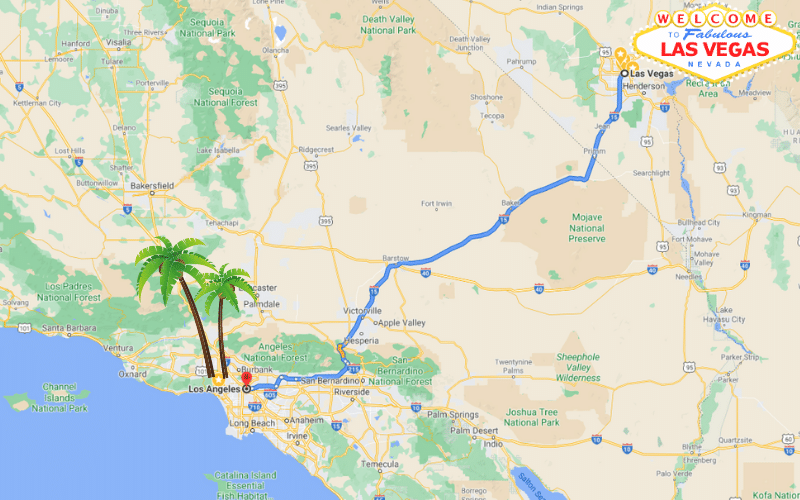
- Los Angeles, California: One of the most common origins for Las Vegas travelers.
- Distance: Approximately 270 miles (435 km).
- Drive Time: 4 to 5 hours. The route primarily follows Interstate 15 (I-15) northeast, traversing the Mojave Desert. Be prepared for potential traffic congestion, especially on weekends and holidays.
- Phoenix, Arizona: Another significant feeder market for Las Vegas.
- Distance: Approximately 300 miles (483 km).
- Drive Time: 4.5 to 5.5 hours. The most direct route involves I-93 north through Arizona, often passing by the Hoover Dam area.
- Salt Lake City, Utah: For those traveling from the north.
- Distance: Approximately 420 miles (676 km).
- Drive Time: 6 to 7 hours. The journey largely follows I-15 south, offering vast desert landscapes.
- San Francisco, California: A longer but equally popular drive from the northern California coast.
- Distance: Approximately 560 miles (901 km).
- Drive Time: 9 to 10 hours. There are several routes, often involving I-5 south before connecting to other highways heading east towards Las Vegas. This journey might warrant an overnight stop for some travelers.
- Denver, Colorado: Representing a more distant but feasible driving option from the Mountain West.
- Distance: Approximately 750 miles (1207 km).
- Drive Time: 11 to 12 hours. This is typically a two-day drive, passing through picturesque landscapes and multiple states.
Understanding Travel Variables
It’s important to remember that these are estimates. Actual travel times can be influenced by several factors:
- Traffic Congestion: Major urban areas, especially Los Angeles and the approach to Las Vegas on weekends, can experience significant delays.
- Road Construction: Unexpected detours or slowed traffic due to construction can add to your travel time.
- Weather Conditions: While Las Vegas is known for its sunshine, certain times of the year can bring strong winds, dust storms, or even rare desert rain, impacting visibility and driving conditions.
- Rest Stops and Fuel: Factor in time for breaks, meals, and refueling. Especially in desert stretches, gas stations can be sparse.
- Speed Limits: Adhering to posted speed limits is crucial for safety and avoiding fines.
Beyond the Wheel: Alternative Modes of Transport
While driving offers a sense of adventure, it’s not the only way to reach Las Vegas. For those preferring a quicker journey or avoiding the hassle of driving, flying is the most popular alternative. Bus and train services also provide options, albeit with different advantages and considerations.
Flying to Harry Reid International Airport
Harry Reid International Airport (LAS) is one of the busiest airports in the United States, serving as the primary gateway to Las Vegas. It’s conveniently located just a few miles south of the Las Vegas Strip, making transfers to hotels quick and easy.
- Flight Durations:
- From Los Angeles: Approximately 1 hour.
- From San Francisco: Approximately 1.5 hours.
- From Phoenix: Approximately 1 hour.
- From Denver: Approximately 2 hours.
- From Chicago: Approximately 3.5-4 hours.
- From New York City: Approximately 5-6 hours.
- Advantages: Speed, convenience, especially for travelers coming from farther distances or those with limited time.
- Considerations: Airfare costs, potential for delays, and the need for ground transportation from the airport. However, the airport’s proximity to the Las Vegas Strip makes this a minimal concern.
Bus and Train Travel
For budget-conscious travelers or those who prefer a more relaxed journey without the demands of driving or flying, bus and train services offer viable, albeit longer, alternatives.
- Bus Services: Companies like Greyhound offer routes to Las Vegas from various cities across the United States.
- Advantages: Cost-effective, allows passengers to relax and enjoy the scenery.
- Considerations: Longer travel times compared to driving or flying, fewer direct routes from some areas.
- Train Services: While Las Vegas itself does not have a direct Amtrak station, travelers can take Amtrak to nearby cities like Needles, California, and then connect via bus service to Las Vegas.
- Advantages: Offers a unique travel experience, comfortable seating, often scenic routes.
- Considerations: Requires transfers, significantly longer travel times, limited direct access.
Planning Your Las Vegas Road Trip Adventure
If you’ve decided that a road trip is the way to go, proper planning can transform a mere journey into an integral part of your Las Vegas experience. The routes to Las Vegas are often scenic, cutting through diverse landscapes and offering glimpses into the vastness of the American West Coast.
Essential Stops and Scenic Routes
Depending on your starting point, there are numerous attractions worth considering for a brief stop or a slight detour:
- From Los Angeles (I-15):
- Calico Ghost Town: A preserved silver mining town offering a step back into the Old West Coast.
- Seven Magic Mountains: A vibrant art installation located just south of Las Vegas, perfect for a photo opportunity.
- Mojave National Preserve: Offers stunning desert landscapes, Joshua tree forests, and volcanic cinder cones.
- From Phoenix (US-93/I-11):
- Hoover Dam: An iconic engineering marvel, easily accessible on the route and offering tours.
- Lake Mead National Recreation Area: Provides opportunities for water activities and scenic views.
- Longer Drives (e.g., from San Francisco or Denver):
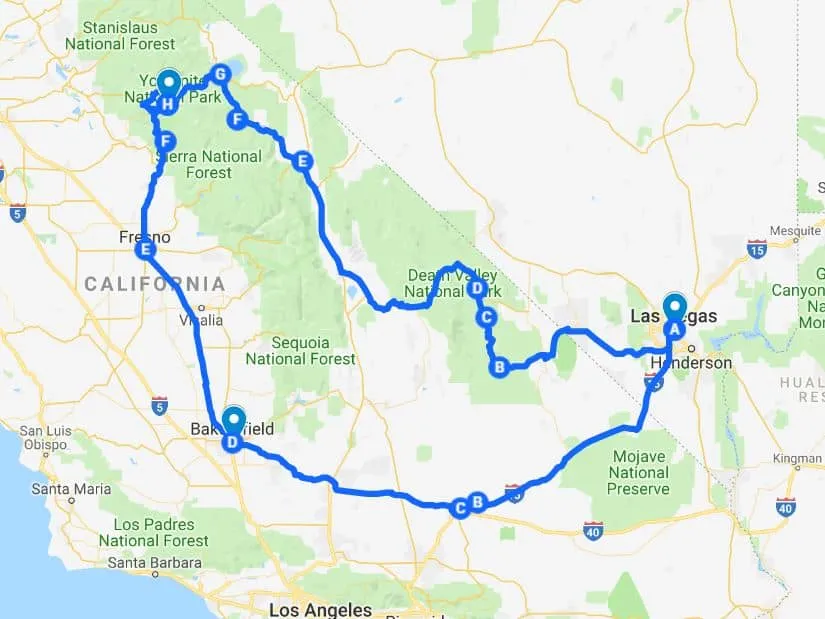
- Death Valley National Park: While a detour, this national park offers dramatic desert landscapes, salt flats, and extreme temperatures – a unique experience for the adventurous.
- Grand Canyon National Park: A significantly larger detour, but for those with extra time, the Grand Canyon is an unparalleled natural wonder that pairs well with a Las Vegas trip.
Packing and Preparation Tips for the Journey
A well-prepared road trip ensures comfort and safety:
- Vehicle Check: Ensure your car is in good condition, especially tires, brakes, and fluids, before embarking on a long desert drive.
- Hydration: Carry plenty of water, especially when driving through arid regions where services can be sparse.
- Snacks: Pack non-perishable snacks to avoid frequent stops and manage hunger between meals.
- Navigation: While GPS is essential, a physical map or downloaded offline maps can be a lifesaver in areas with spotty cell service.
- Entertainment: Road trip playlists, podcasts, or audiobooks can make long stretches of driving more enjoyable.
- Emergency Kit: A basic kit including jumper cables, a first-aid kit, a flashlight, and blankets is always advisable.
- Fuel: Plan your fuel stops, especially in the desert where gas stations can be far apart. Don’t let your tank run too low.
Ultimately, the question “How far to Las Vegas?” is met with a range of answers, each tailored to your starting point, preferred mode of transport, and travel philosophy. Whether you opt for the efficiency of a flight, the adventure of a road trip, or the relaxed pace of bus or train, Las Vegas remains an accessible and enticing destination. With careful planning and an understanding of the journey ahead, your trip to the Entertainment Capital of the World will be nothing short of spectacular.
LifeOutOfTheBox is a participant in the Amazon Services LLC Associates Program, an affiliate advertising program designed to provide a means for sites to earn advertising fees by advertising and linking to Amazon.com. Amazon, the Amazon logo, AmazonSupply, and the AmazonSupply logo are trademarks of Amazon.com, Inc. or its affiliates. As an Amazon Associate we earn affiliate commissions from qualifying purchases.